McCullough Designers Select the “Best Of” for 2019

City of San Diego | Mission Bay North, De Anza Cove Wildest C3 Master Plan

David McCullough, ASLA, PLA
Principal Landscape Architect

mcla-david.jpg

The sheer complexity of this project—a real challenge—was why I chose this master plan project. With the various stakeholders involved, political opinions, self and self-less interests, technical challenges, personal opinions (the list goes on), this project consumed many hours of consideration, strategy, collaboration and compromise. This is what I thrive on. It’s like a complex puzzle with thousands of pieces; the process was fun, invigorating and inspiring. And on top of that, the cause was pure and sincere.

My overriding goal throughout was to not compromise on the things that mattered for the greater good of the community.

As an individual who has been working in the profession now for nearly 30 years, I believe I had many tools and lessons from experience to bring to the process. All and all, it was an incredible experience. It is an honor to say I took a small part in this historic effort and I look forward to watching and participating as the process unfolds over time.

Project Background
In late 2014, the City of San Diego embarked on a community effort to prepare an amendment to the Mission Bay Park Master Plan. The project required necessary changes to Mission Bay’s northern end, commonly known as De Anza Cove. The lease was expiring for an RV campground called “Campland on the Bay” and the adjacent mobile home park on the De Anza Cove peninsula.

The city’s staff hired professionals to coordinate with the community and to facilitate a technical study of the area. Many local organizations formed a coalition for environmental research and to assist in an approach that community leaders desired for a long-term sustainable outcome. The coalition established Rewild Mission Bay to address these issues. The Rewild Mission Bay initiative included San Diego’s most notable environmental organizations, including the San Diego Audubon Society, San Diego Coastkeeper, Surfrider Foundation, Sierra Club San Diego and Citizens Coordinate for Century 3 (C3).The organization received research funding and assistance from the Coastal Conservancy, Recourses Legal Fund and from the U.S. Fish and Wildlife Service. Their task was to prepare a feasibility study for an environmental solution for the De Anza Cove.

The scientific research and planning formulated the “ReWild Mission Bay: Wetlands Restoration Feasibility Study Report.”
Read the full report here →

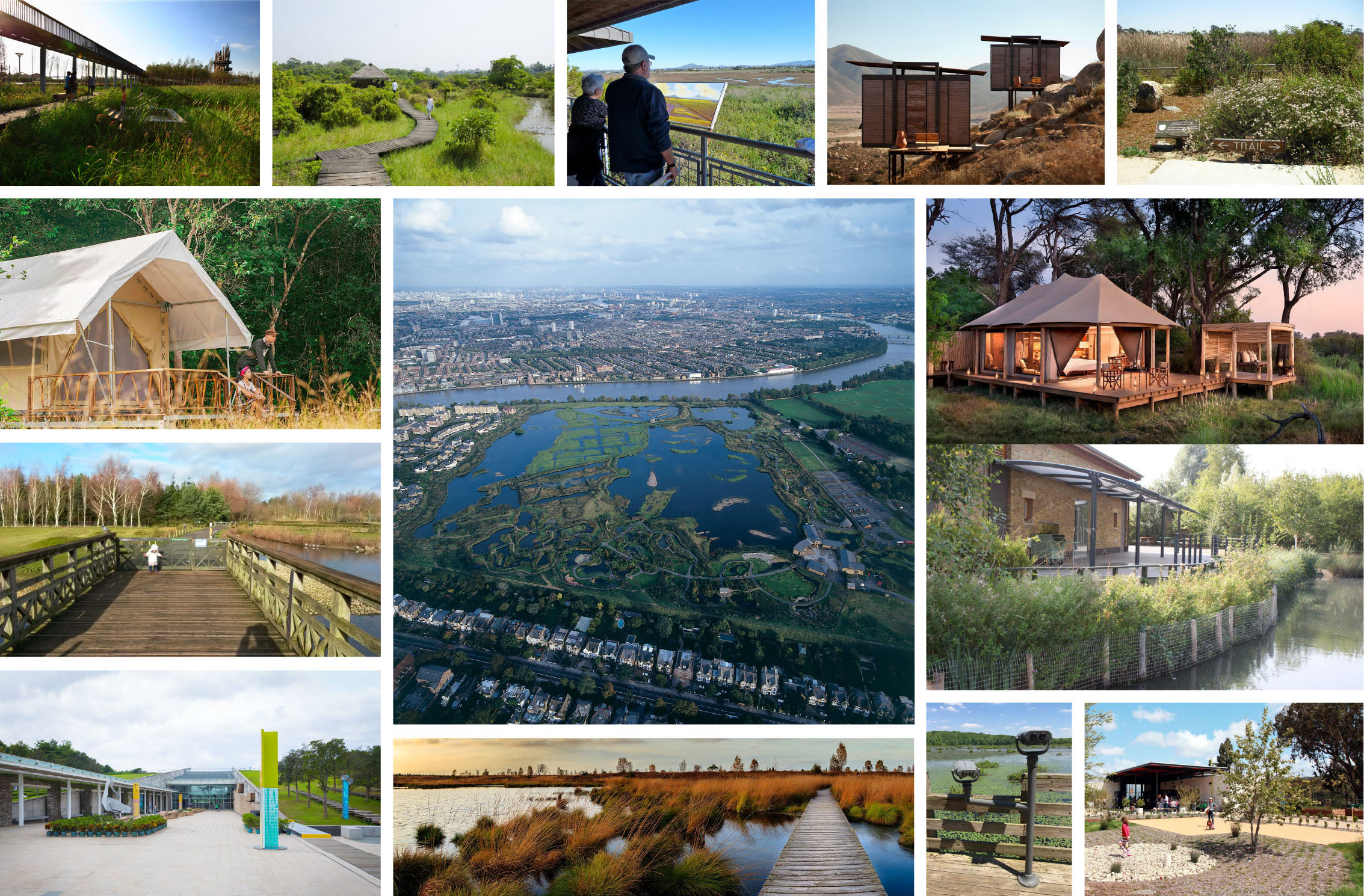
The main concepts that were considered were—“wild”, “wilder,” and “wildest,” with the “wildest” plan chosen as the preferred option, as it served the community in the best possible way.

However, the concept was missing a land-use plan, which the city required and was part of the environmental impact report (EIR). This report was key to move the project forward and help identify potential environmental impacts to the project. This process would lead to a more holistic final amendment to the Mission Bay Master Plan.

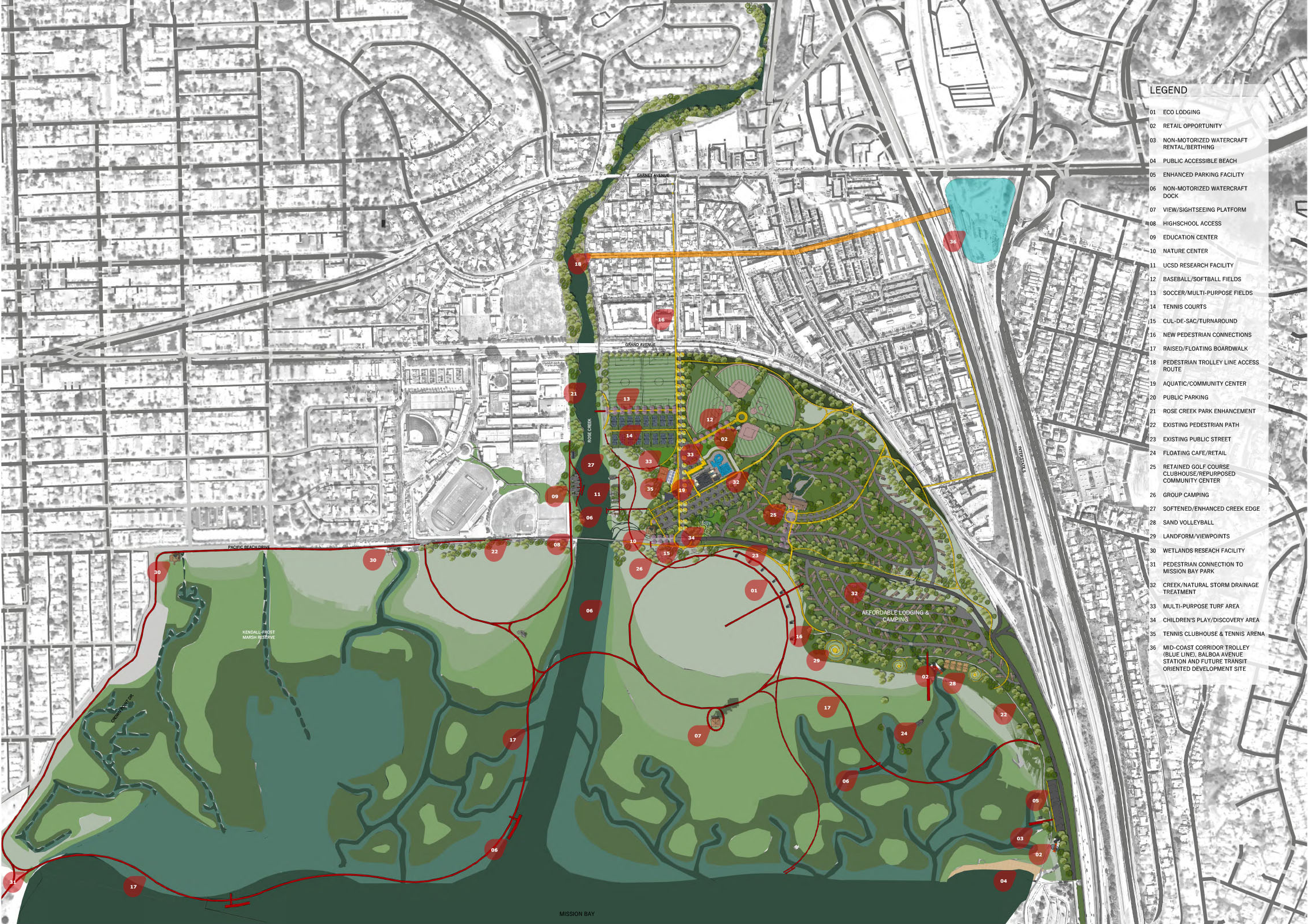
In early 2019, I was contacted by a board member of C3, Kristen Victor of Sustainability Matters, who is a primary contributor of the city’s adopted climate action plan. Together with Kristen, McCullough was retained to prepare a land use and site master plan for the “wildest” concept. Throughout the year long process, we met monthly with coalition members, coastal commissioners, scientists from the USD, community leaders and activists. As a result, we developed a comprehensive land-use plan that met the objectives for the City of San Diego’s Mission Bay Master Plan, which was adopted in 1994, amended in 1995, 1997 and in 2002.

In mid-2019, at the request of the coalition and as a result of a loud outcry from the community, the San Diego City Council recommended that the “wildest” plan be utilized in the pending EIR process as one of the three options considered for the property. A project of this nature can sometimes take many years to vet and then adopt. The plans may go through many evolutions with the final execution taking decades.

For more information of where the project stands to date →


Pinnacle at Millenia | Chula Vista

Eric Tran, ASLA
Studio Team Leader

mcla-eric.jpg

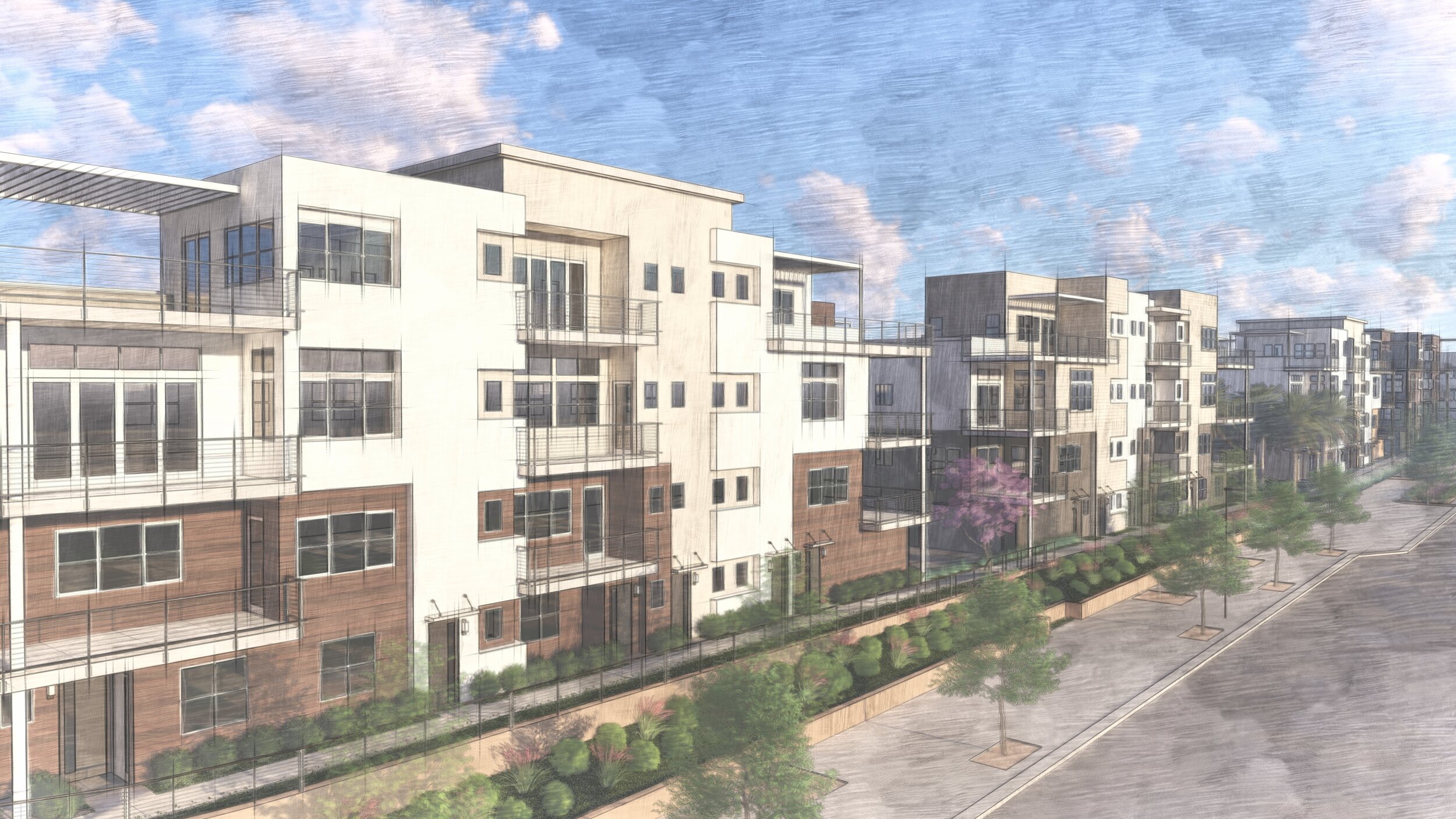
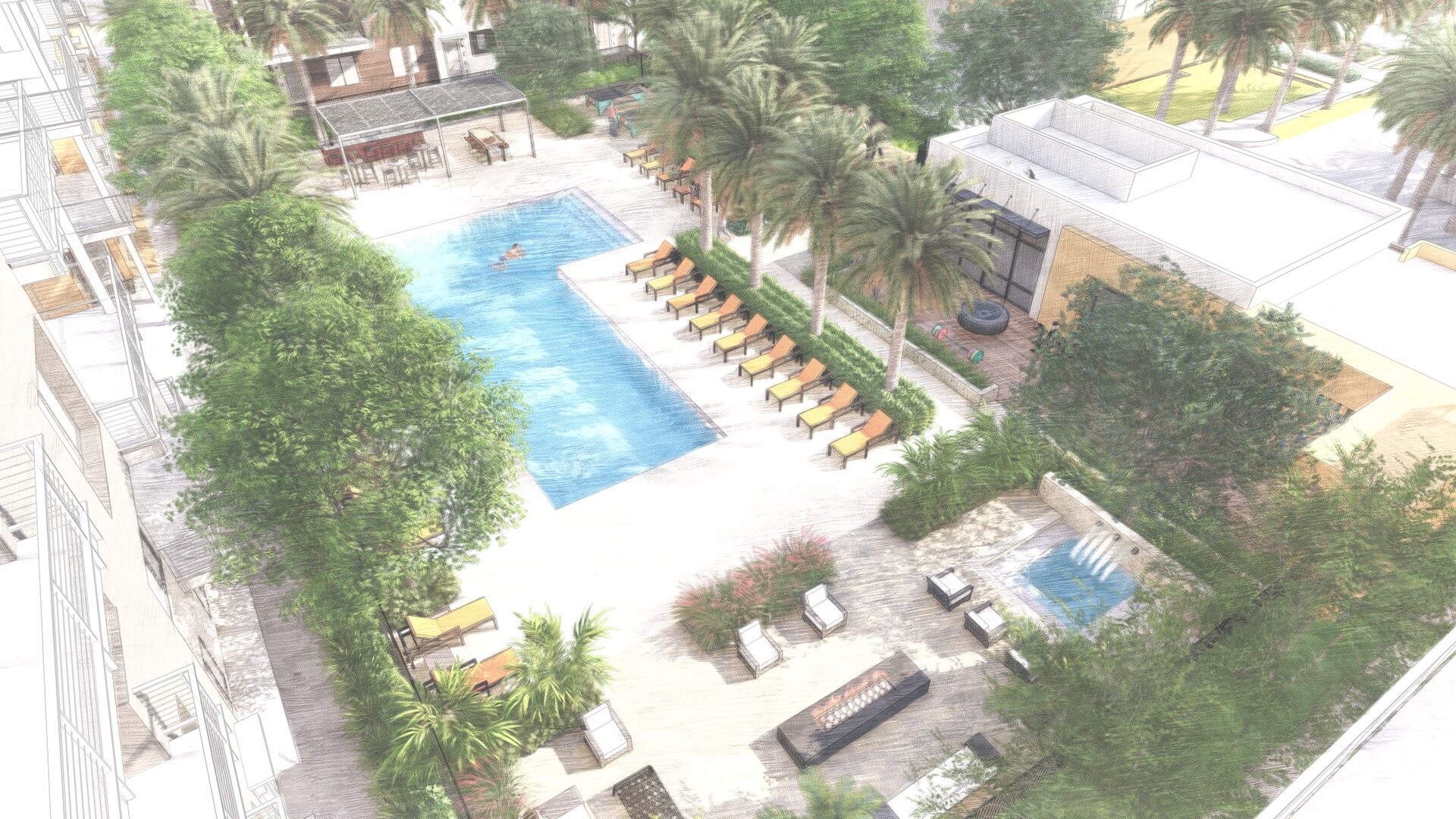
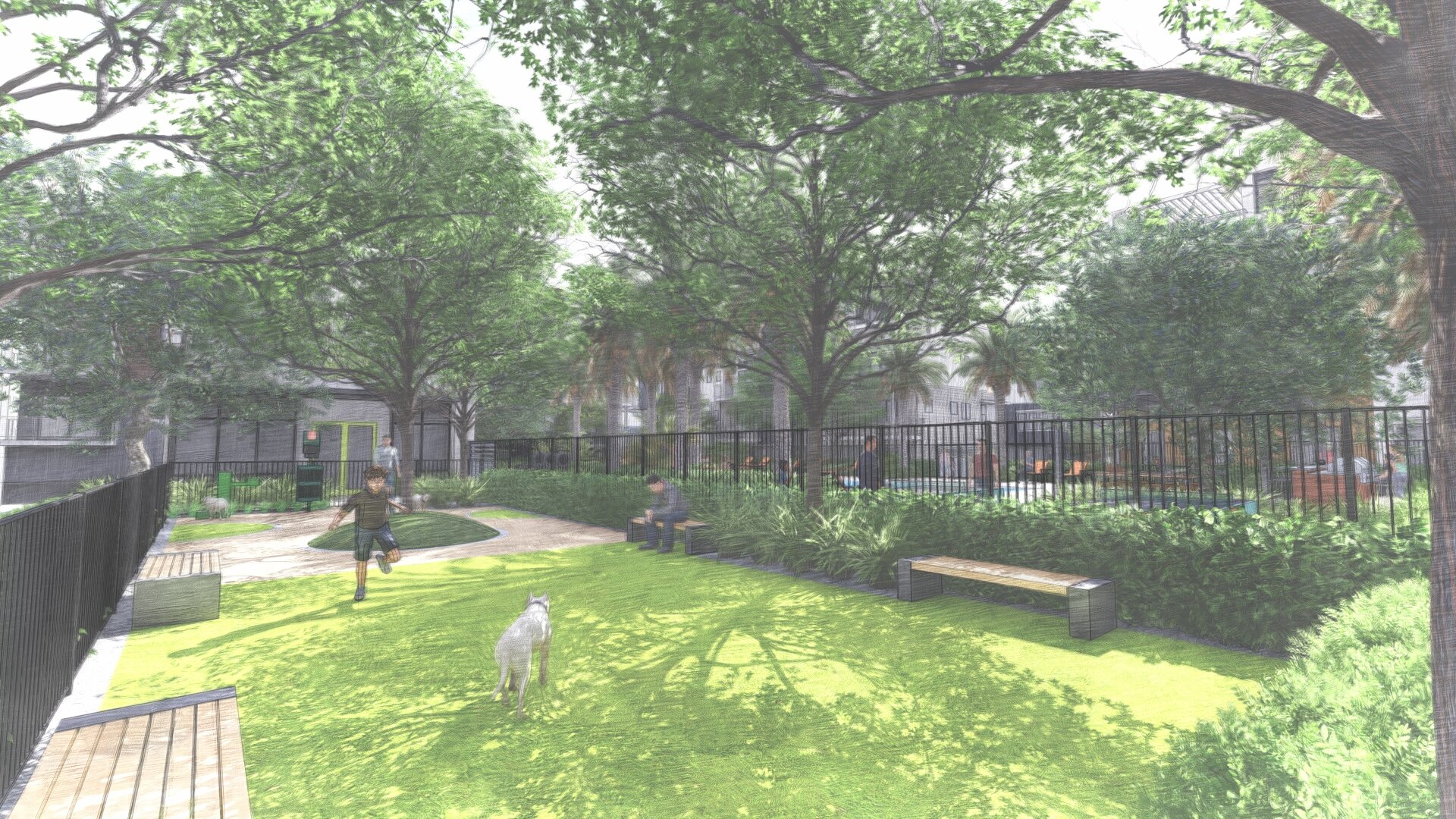
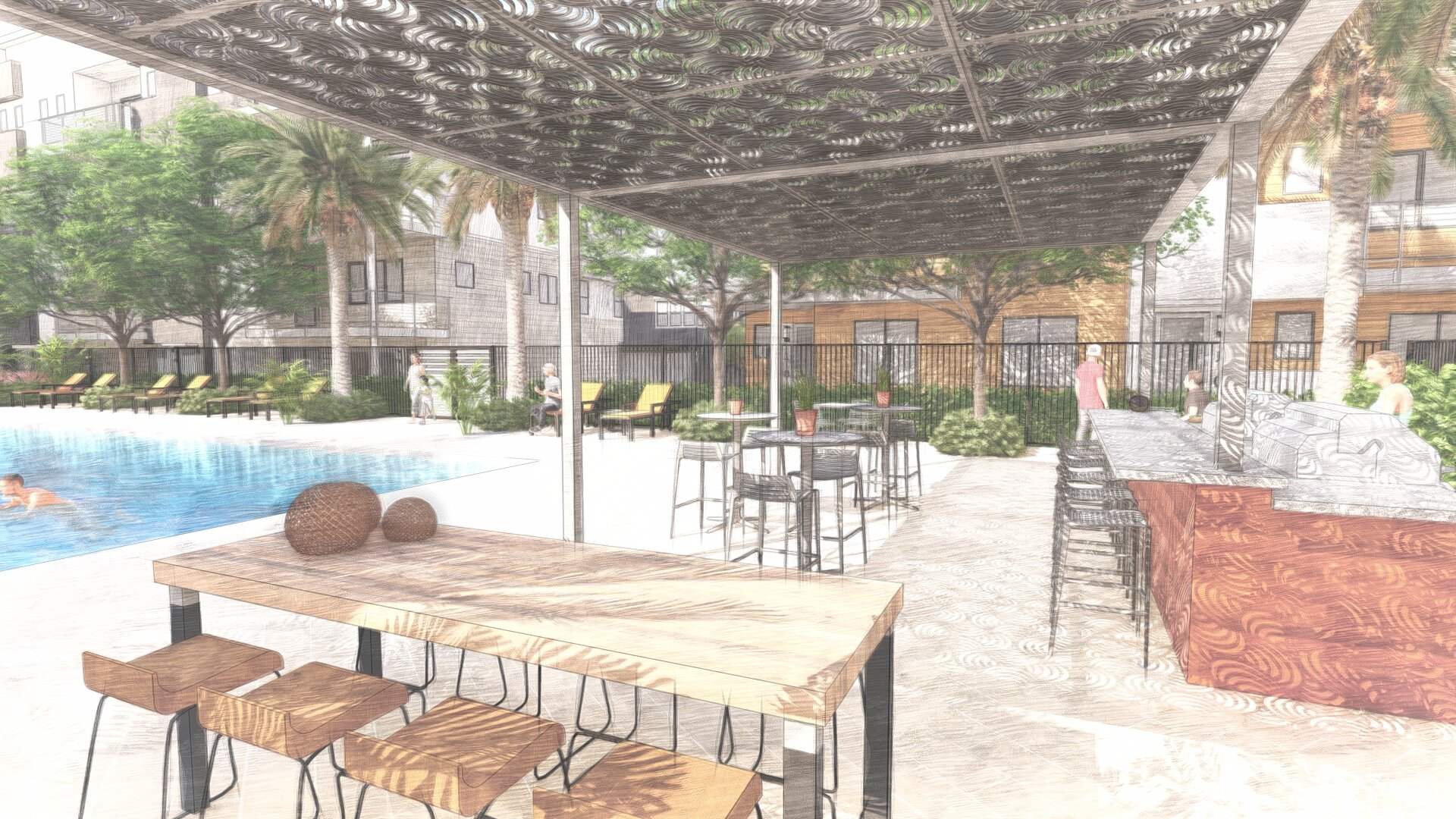
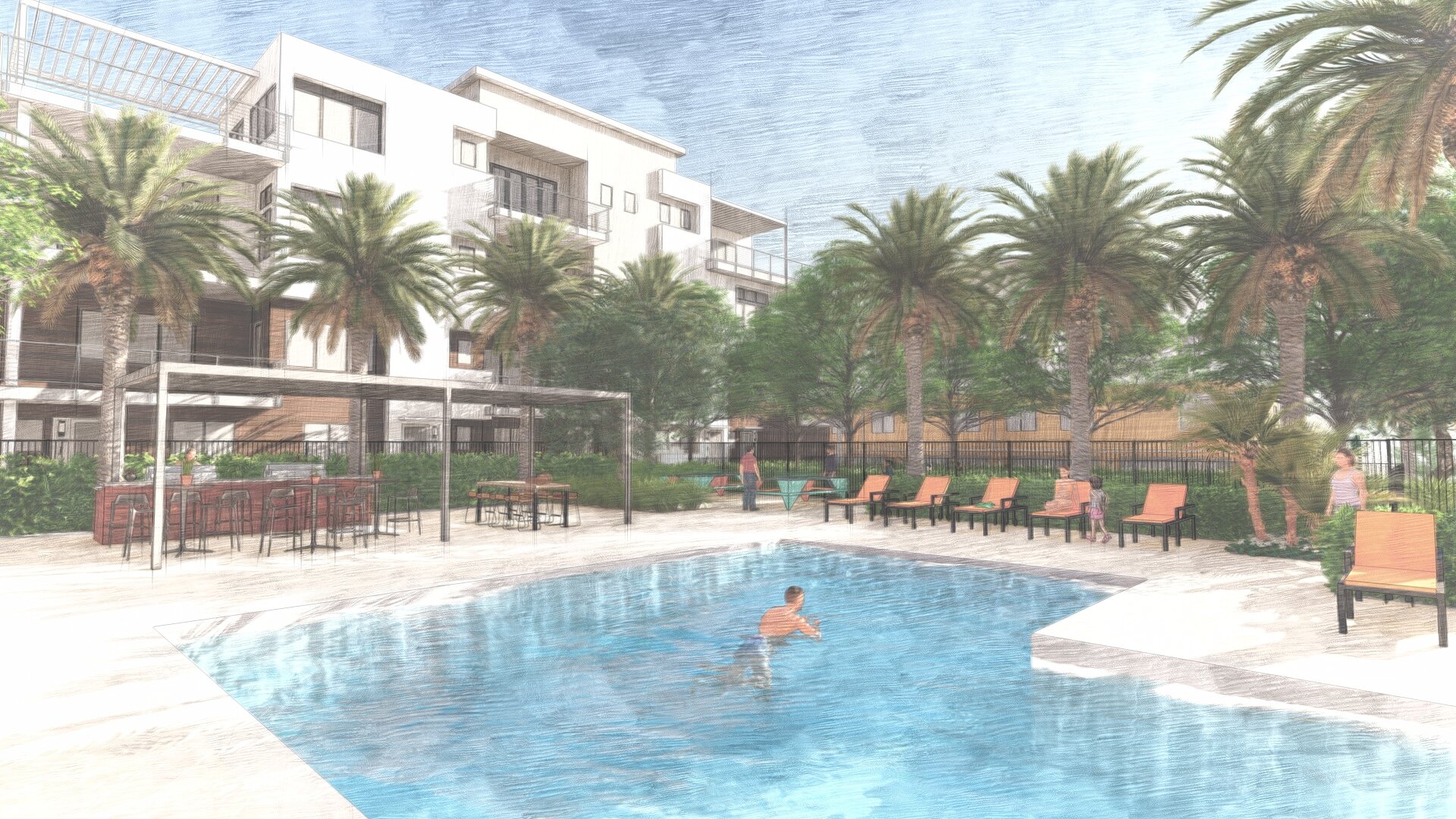
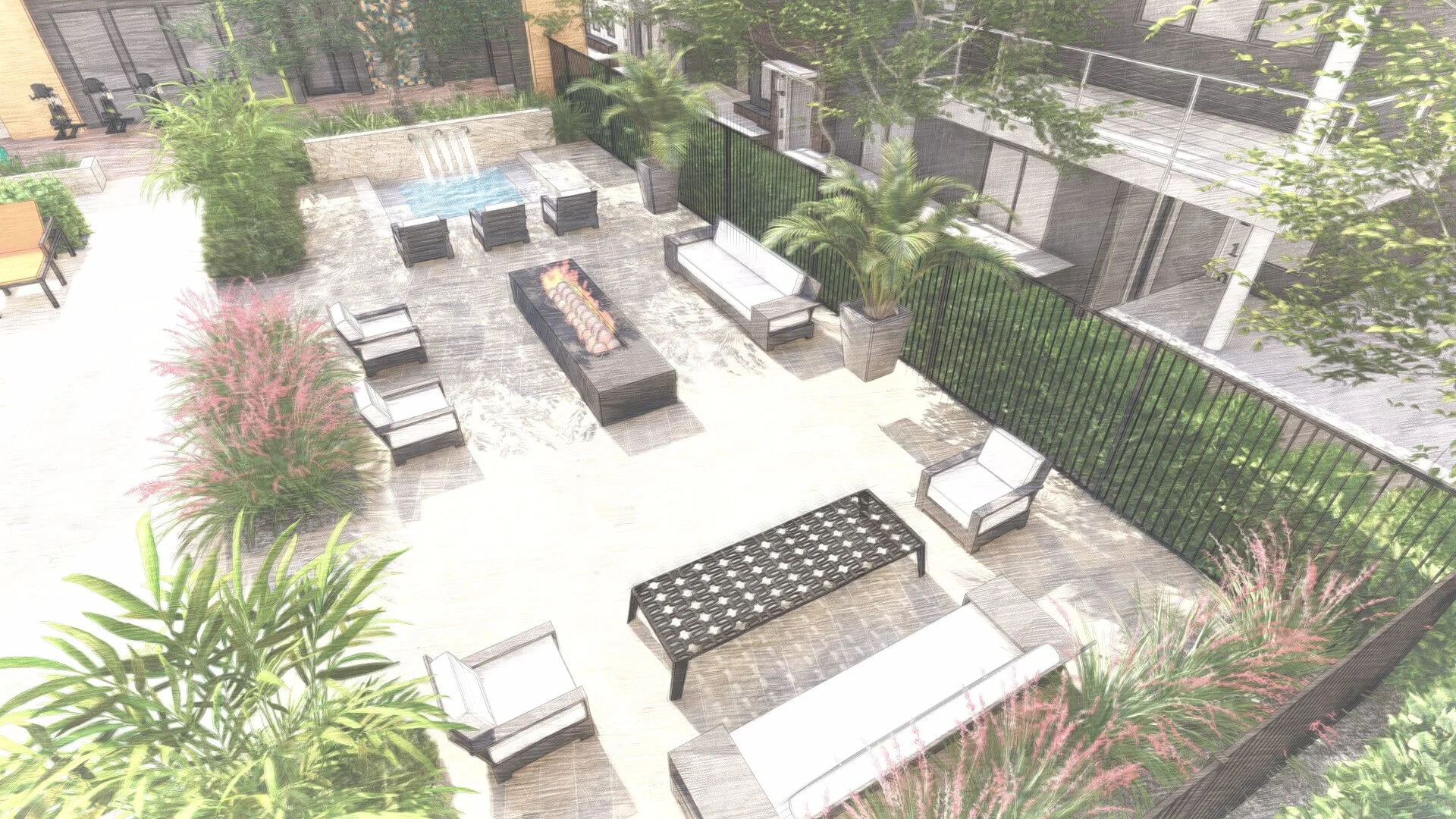
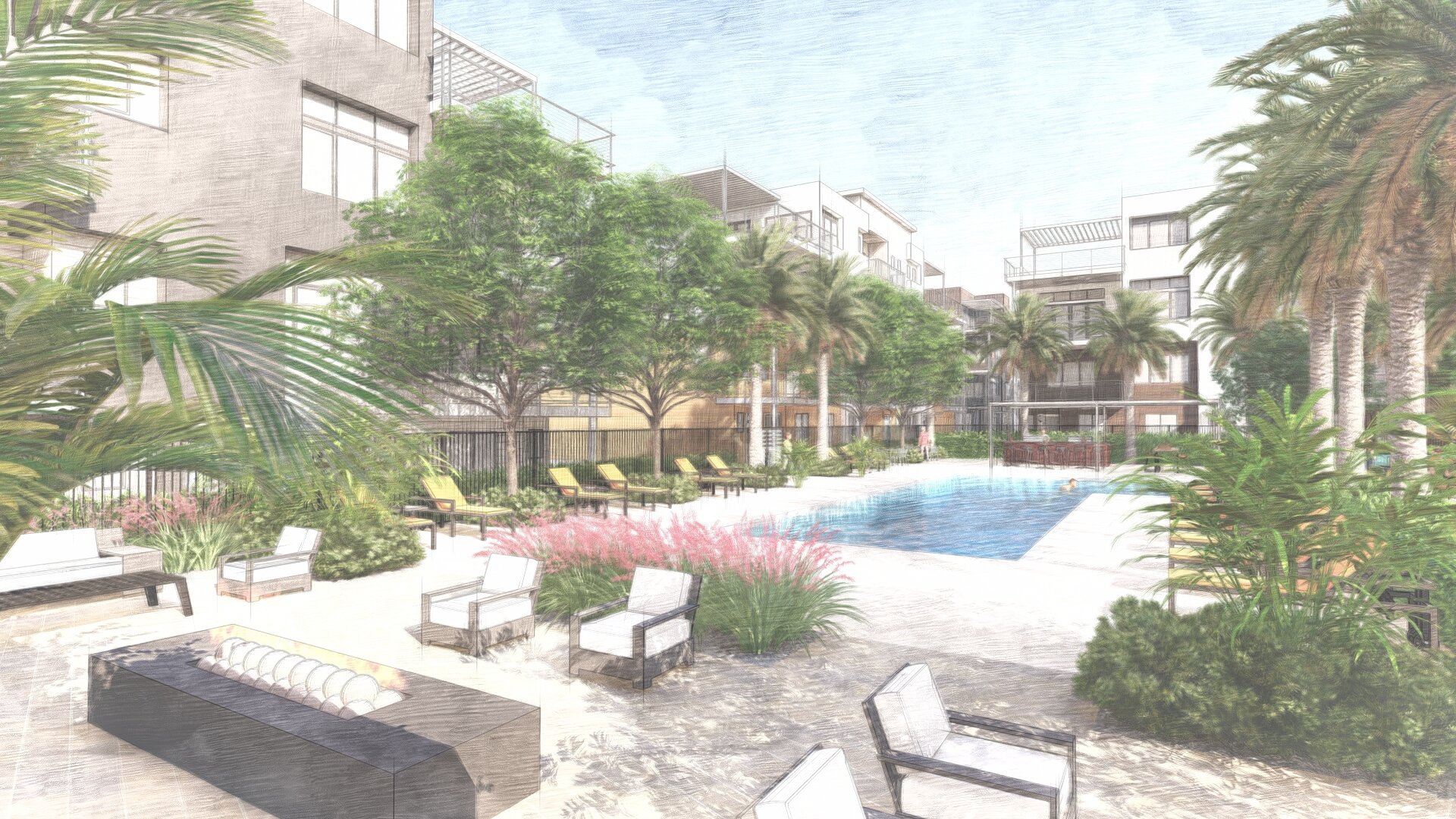
This project for Meridian Communities is an urban meets suburban community found within the ever-growing urban village of Millenia in Chula Vista. Pinnacle at Millenia boasts an array of amenities to satisfy the diverse community, such as a recreational center with pool, a fully fenced-in dog park, tot lot, a linear passive park and a great number of trees to help soften and scale down the pedestrian experience within the neighborhood.

It is always our goal to connect with our clients to ensure we are designing and developing meaningful spaces that not only suit the end-user, but also maintain the soul, grit and style in our design.

I chose this project because we could do this effortlessly with Meridian Communities.

Our team designed a planting palette that embodies the soul and style of the firm with tangible elements to offset softness of the landscape.

Our close collaboration with the Meridian Communities on many of their projects enhances our ability to do our best work. This project was no exception. Pinnacle at Millenia opens this year and we cannot wait to see the community engage within the landscape.


InvivoGen Corporate Campus | Sorrento Valley

Naby Miller, ASLA
Senior Associate

I chose this project because it falls in line with our purpose to create meaningful spaces and is a great example of true collaboration between client and our design team.

With an increased need for work-life balance, tech companies continue to develop campuses that provide unique amenities designed specifically to keep their employees happy and productive.

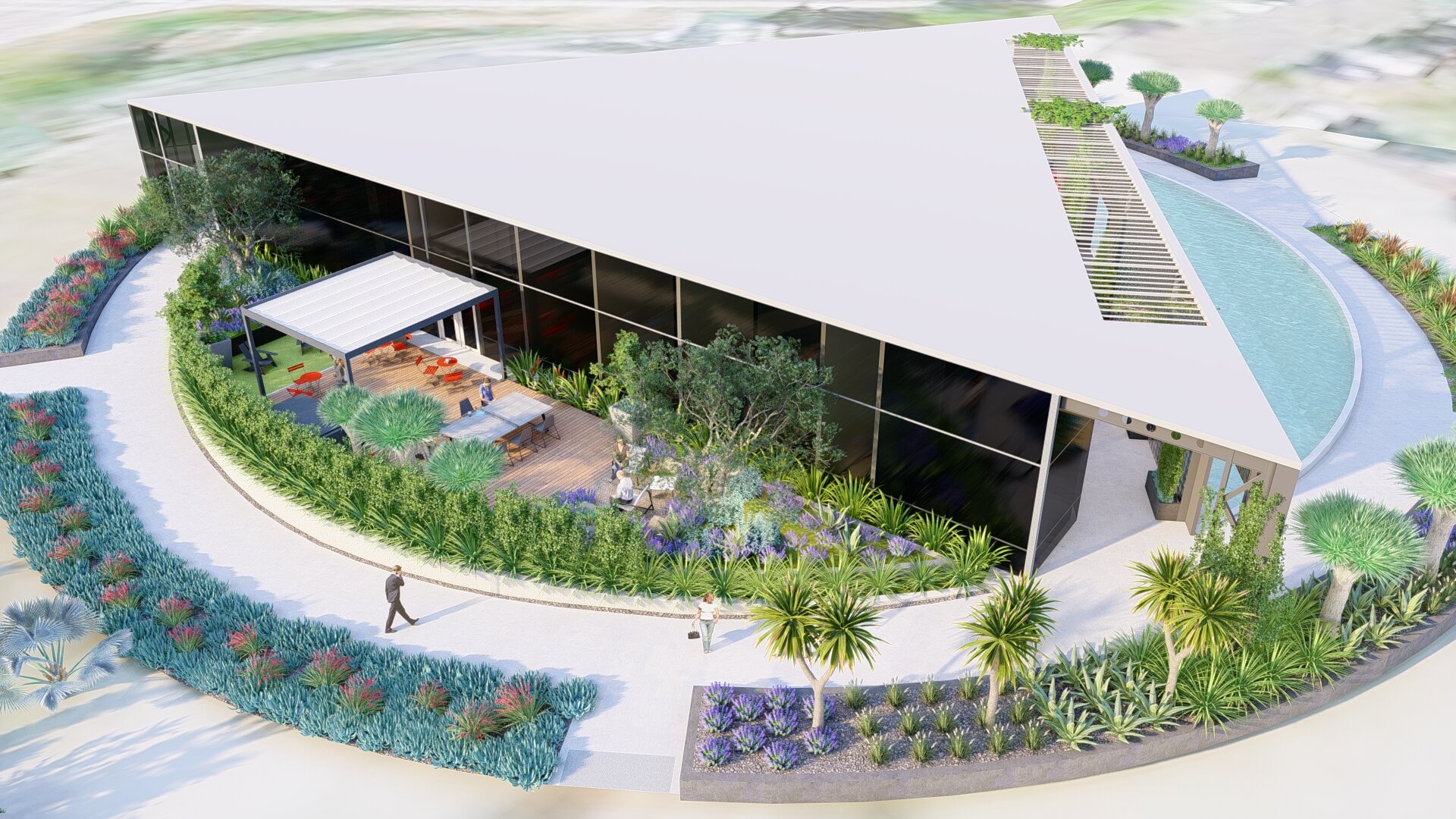
InvivoGen joins those setting an example of what can be done to enhance a corporate office environment. The company has taken a unique triangular class “A” building and turned it into a state-of-the-art creative research and development lab with views to the outdoors in every direction.

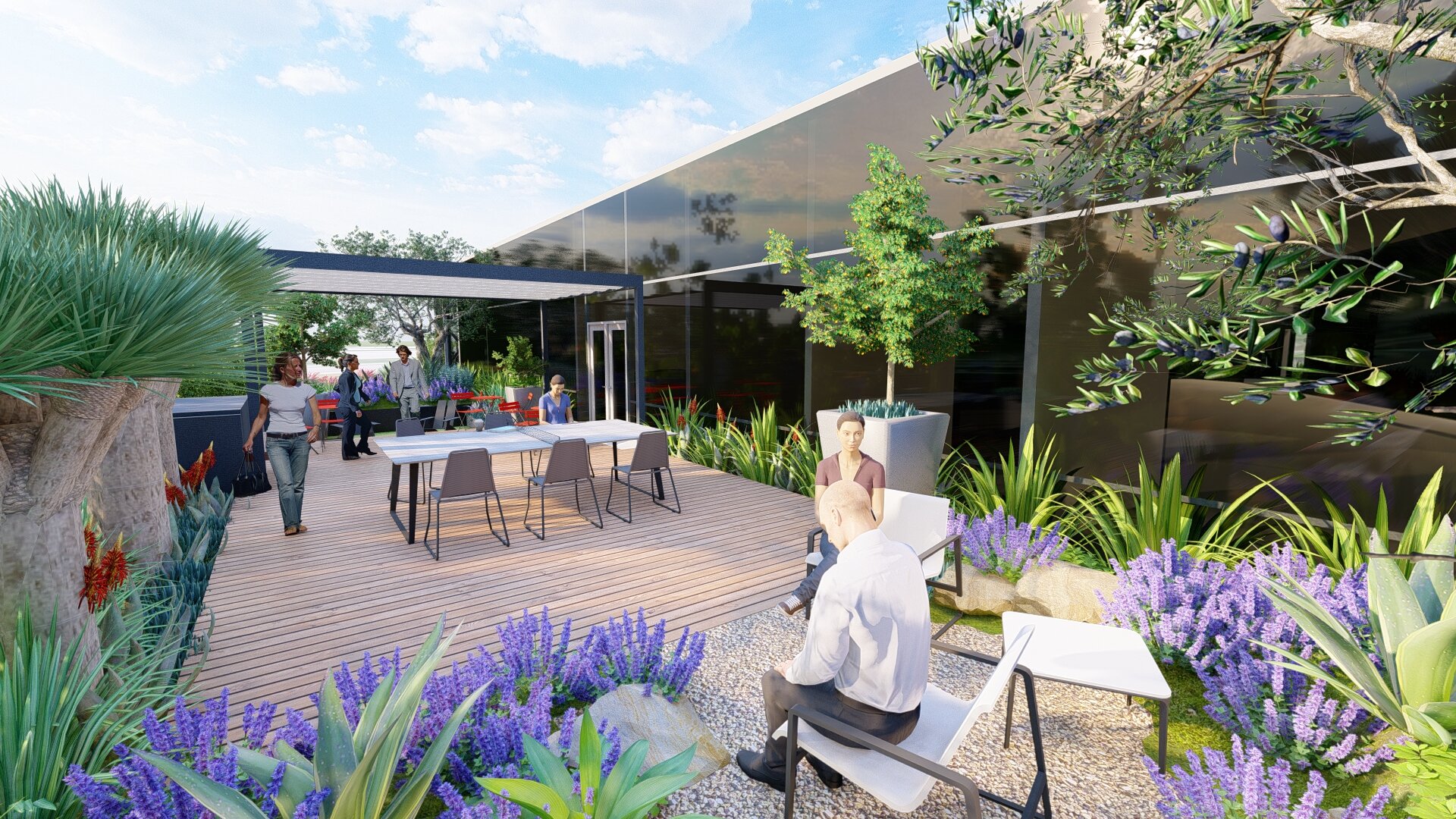
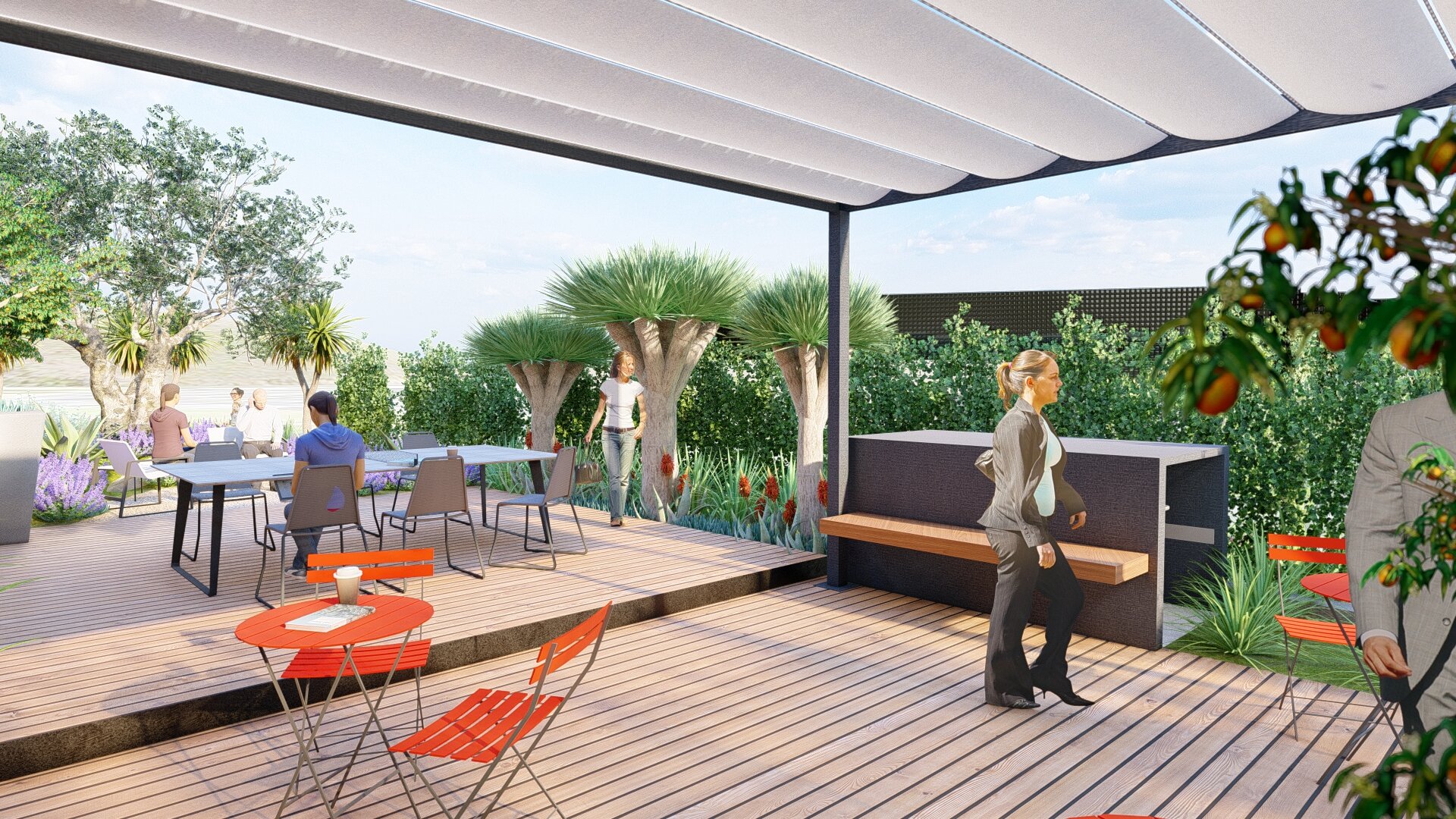
After the building was remodeled, the company’s president and CEO asked us to develop an outdoor amenity space to serve their employees. Our design features a fully functional outdoor meeting space which is ideal for impromptu collaborative work sessions, comfortable lounge seating for lunch breaks and flexible space for their corporate events.


Park and Broadway | San Diego

Maha Balachandran, International ASLA
Associate, Northern California office

mcla-maha.jpg

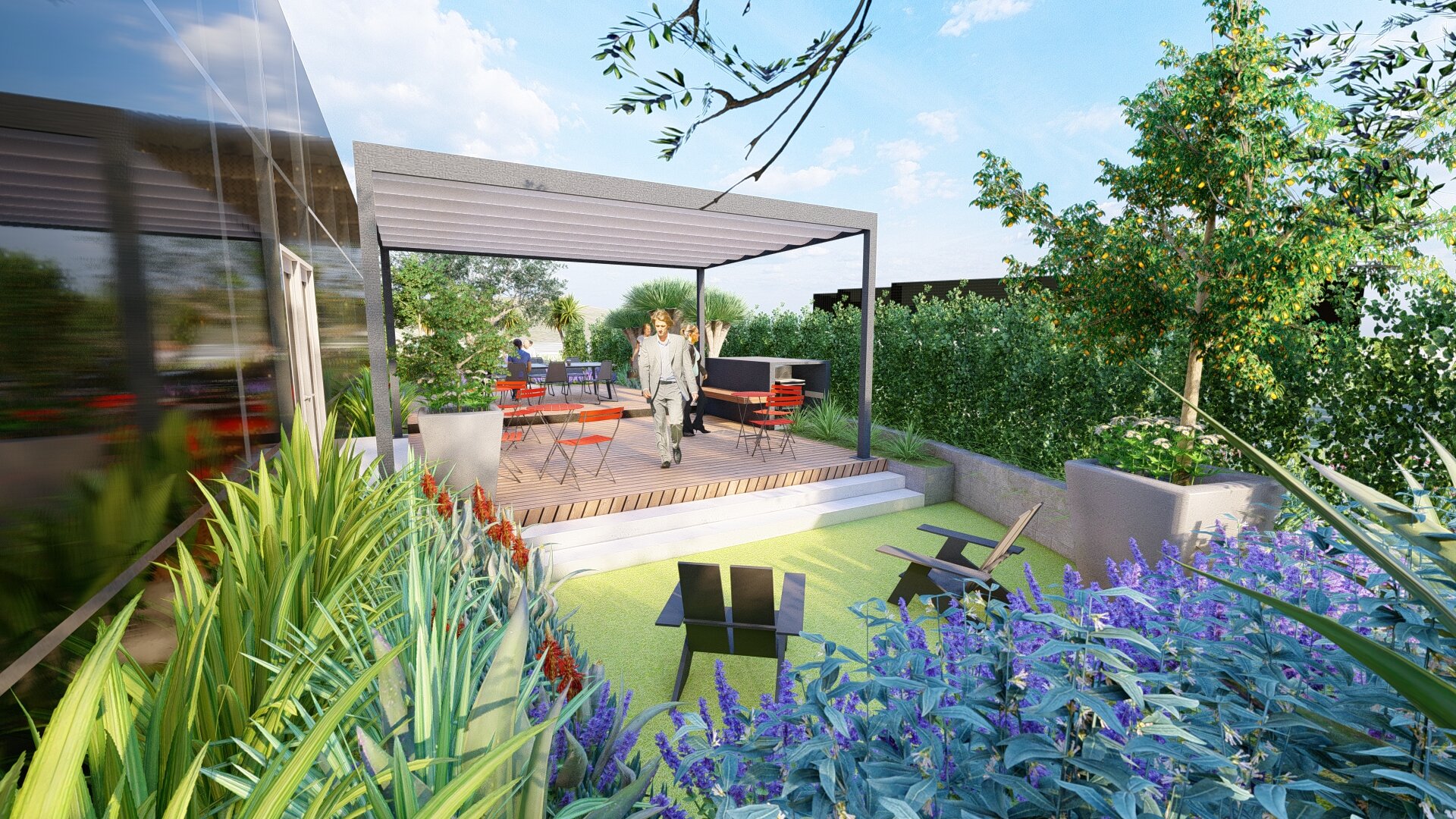
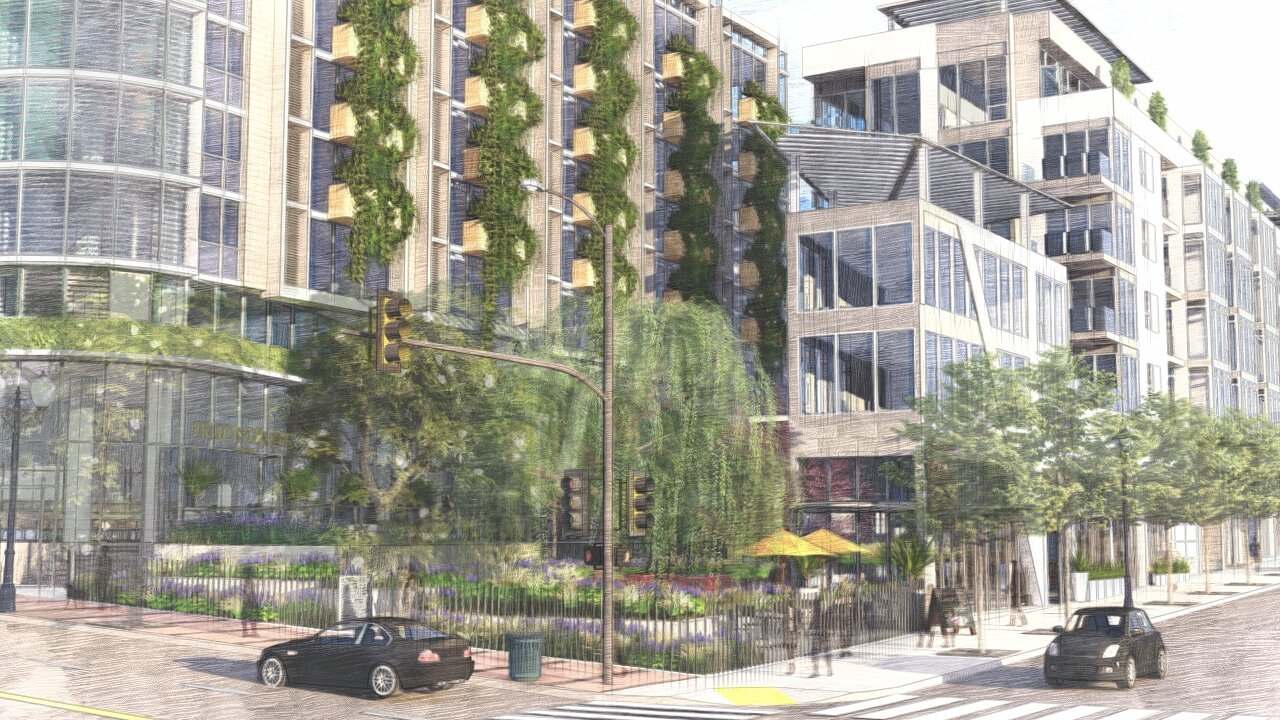
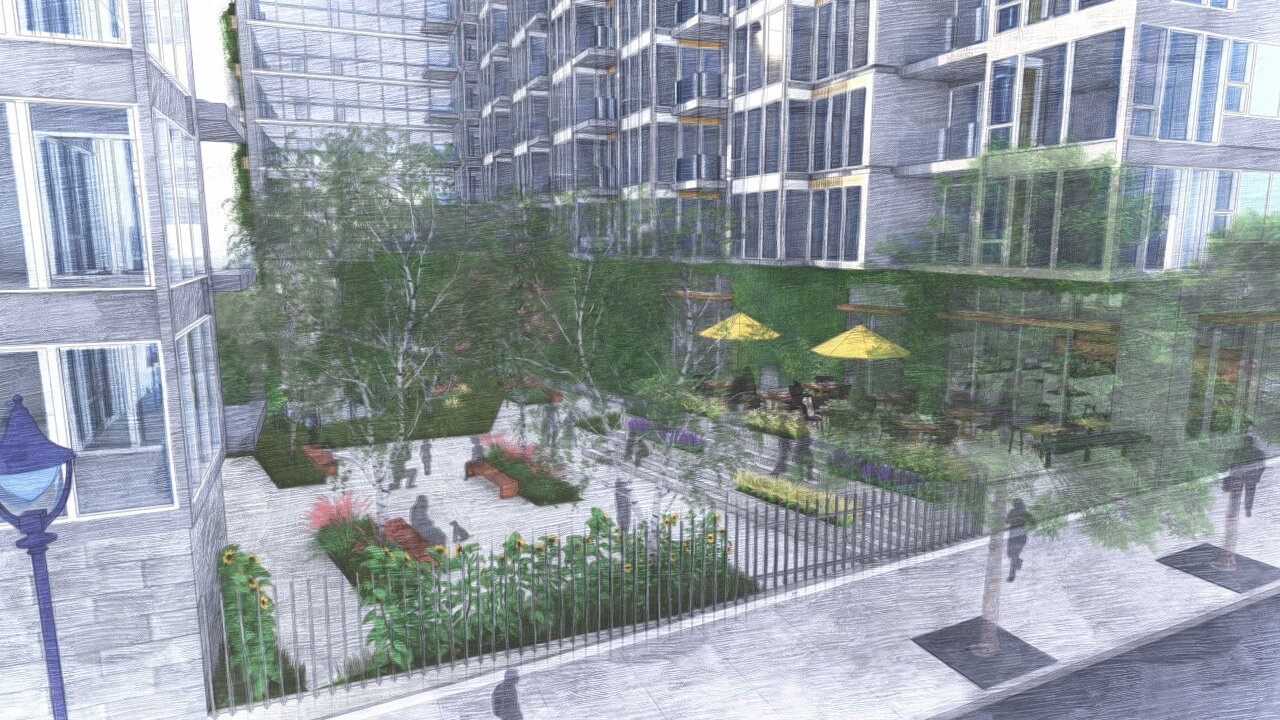
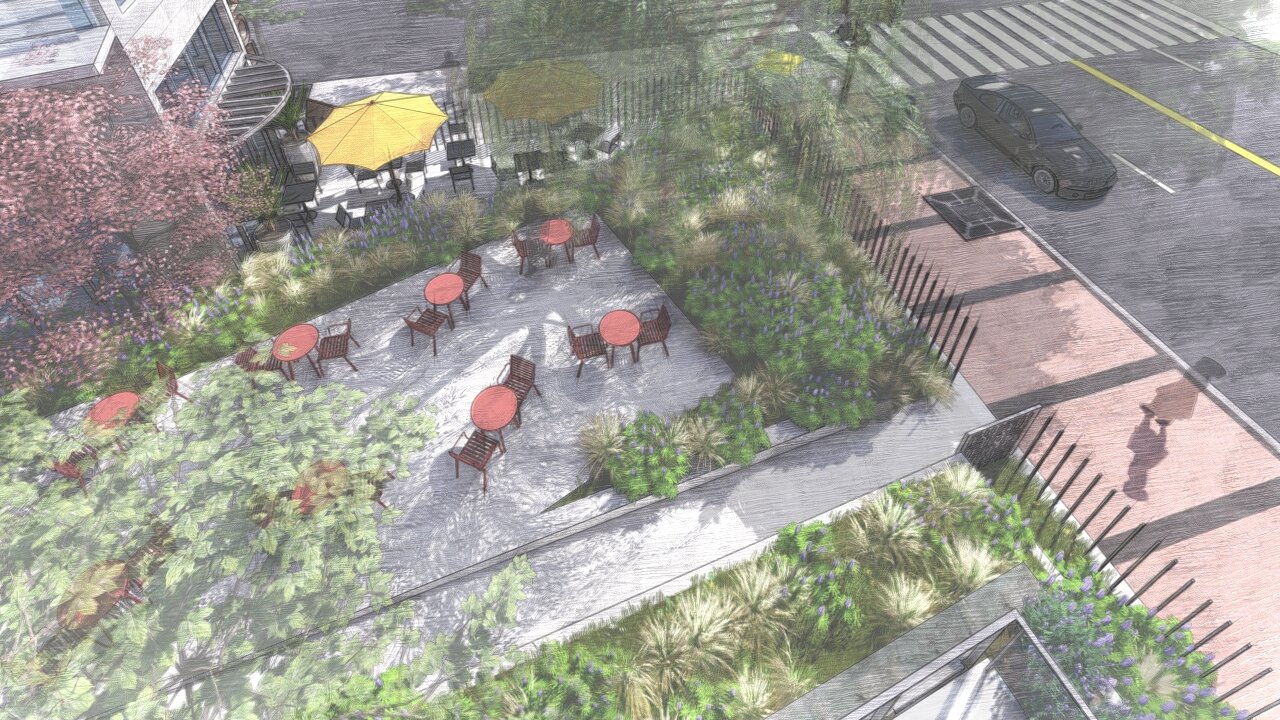
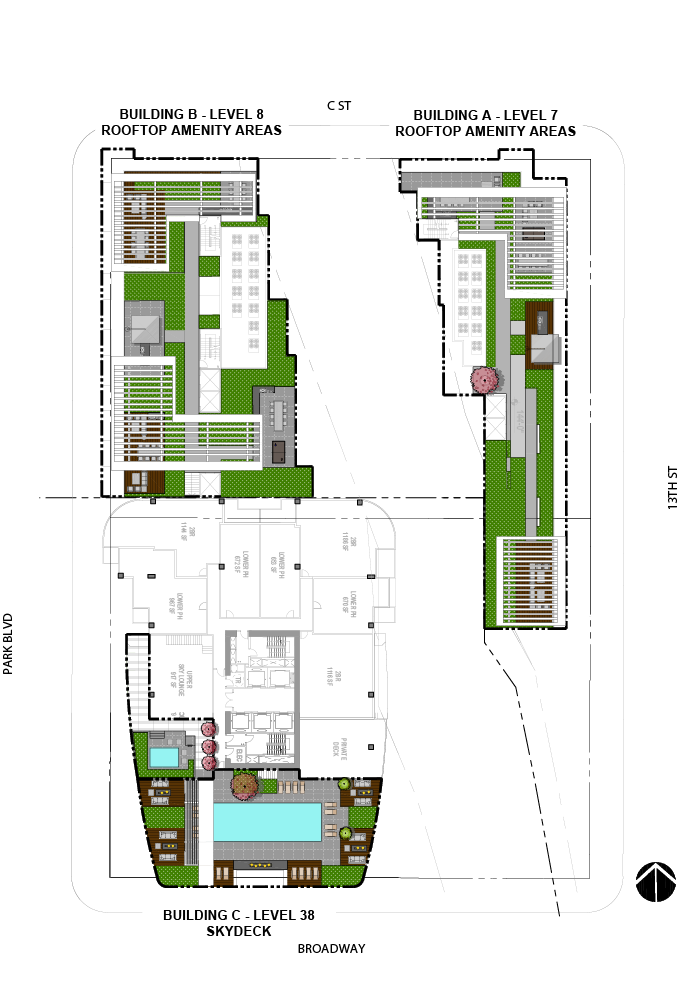
Park and Broadway is a high-rise, mixed-use retail, restaurant and housing development located in the heart of Downtown San Diego.

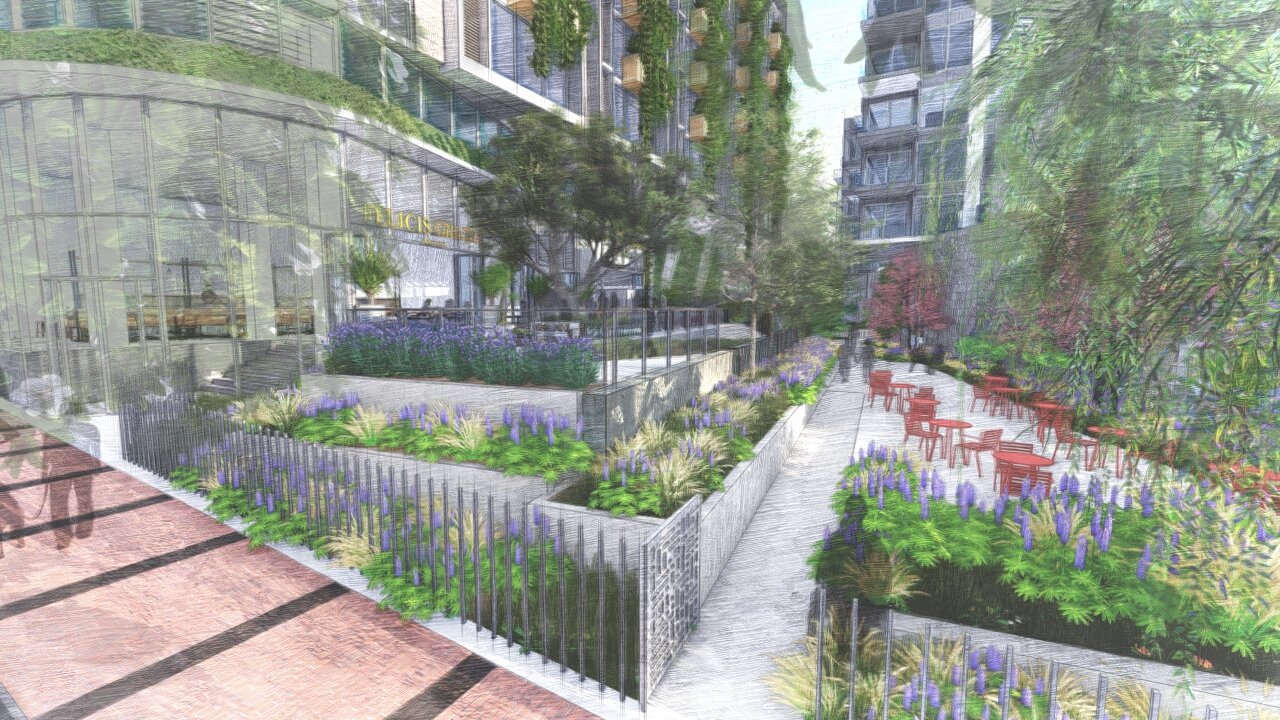
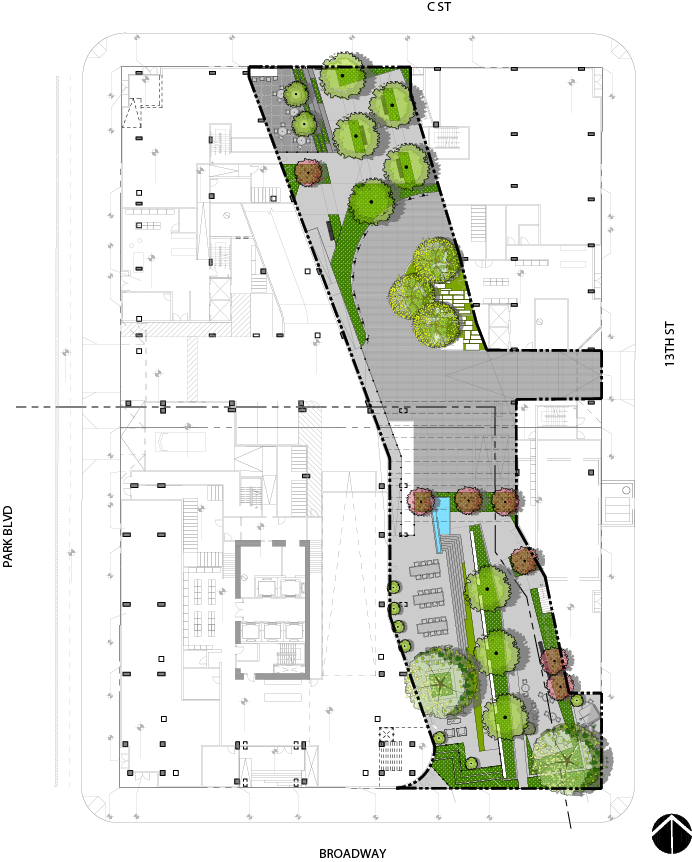
Developer Broadway Park knows the value of providing landscape as social spaces within high density living. We reimagined the site entry and transformed the podium plaza.

The play of pedestrian walkways and landscaped areas crafting multiple levels of elevated porches make Park and Broadway my personal favorite of 2019.

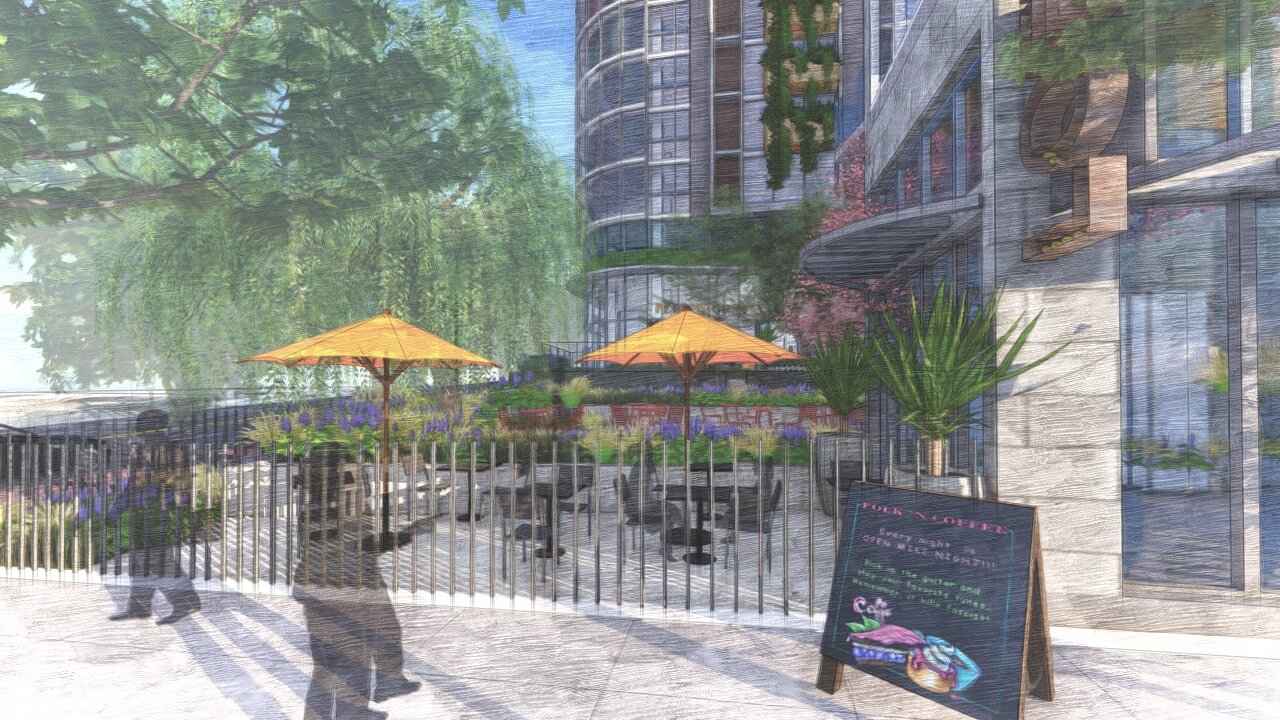
By bringing the retail and restaurant spaces “inside and out,” the plaza was designed to be flexible to serve the occupants’ needs. An alley of trees along the ramp emphasizes the pedestrian entry. The hanging gardens and green walls align with the building balconies and the wall along the garage entry. Our approach was to create an immersive, integrated design to better impact and articulate the architecture.

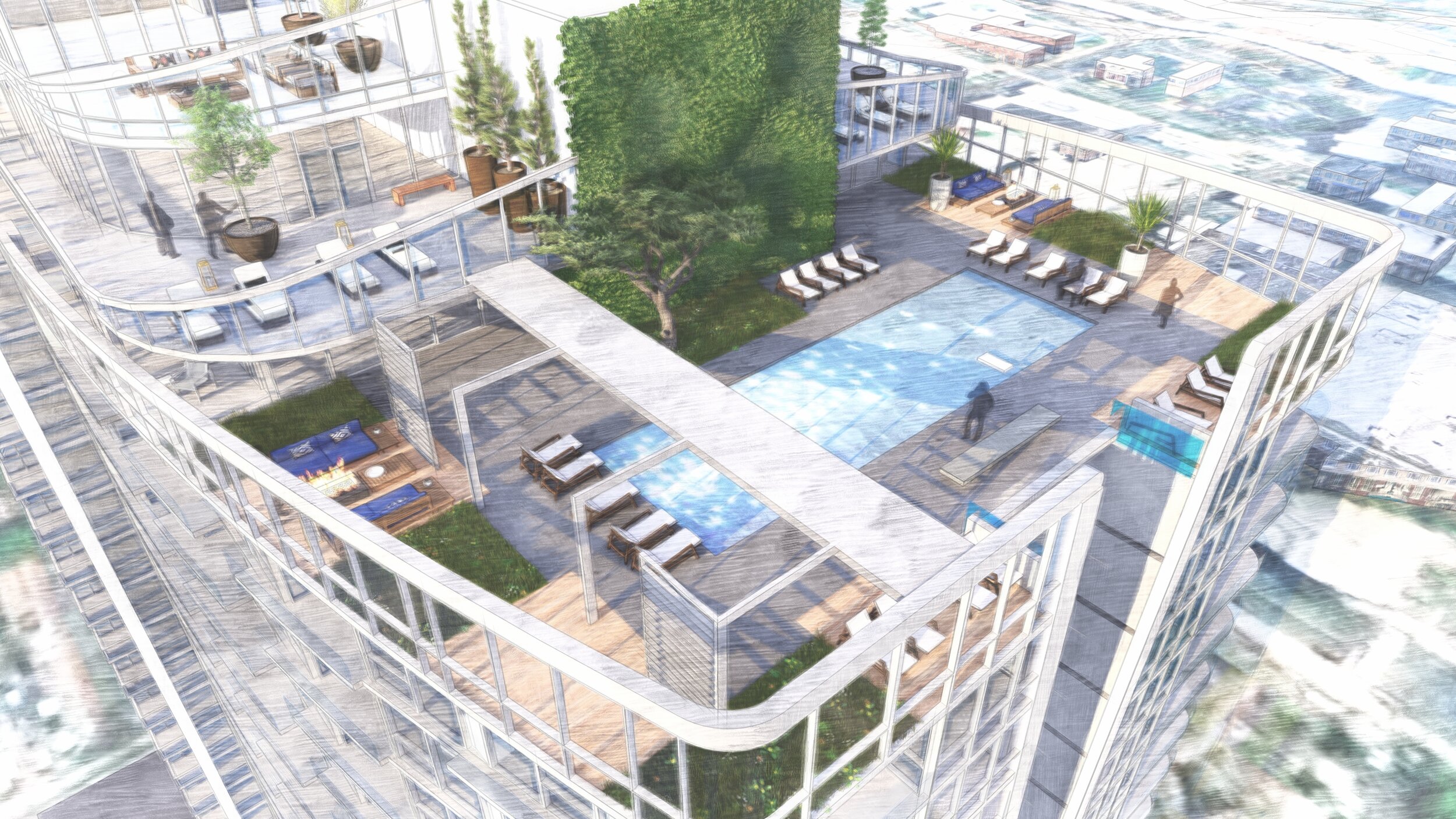
The landscape includes new streetscapes and three roof gardens. An elaborate roof garden for the residents was designed with amenities including firepits, BBQs and trellis-shaded dining areas along with turf-clad lounge areas. Formal plant beds with ornamental grasses distinguish the boundaries of the amenities. A pool/spa is provided on the skydeck with a lounge area, providing an urban window to the beautiful view of the downtown skyline. The landscape stimulates the vibrant city for many to enjoy!


Ariel Towers Moss Wall Installation.jpg
Ariel Towers Moss Wall Render.jpg

Ariel Towers | San Diego

Johanna Mall, ASLA
Junior Associate

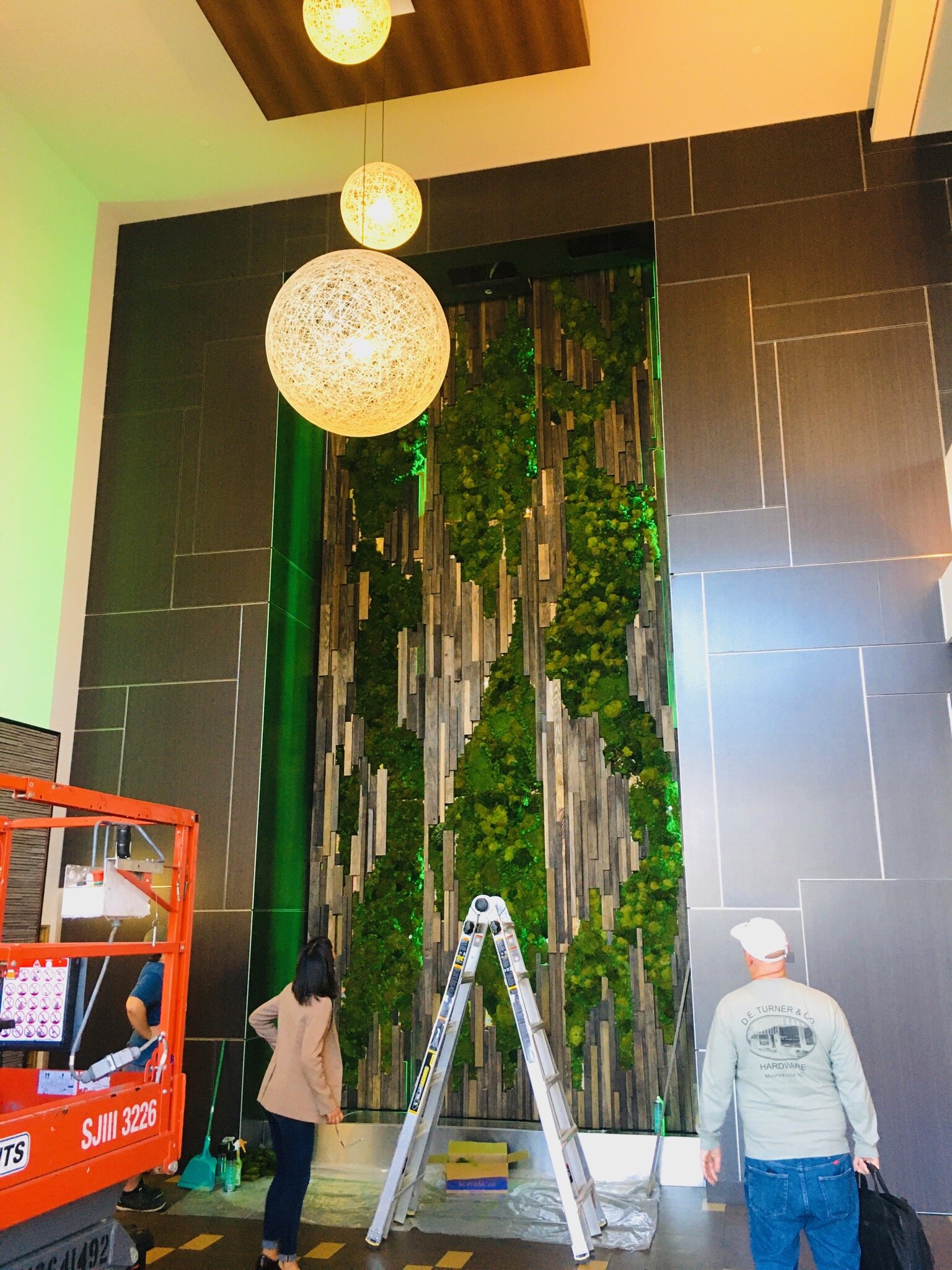
My favorite project of 2019 was a moss green wall installed at the Ariel Towers located downtown San Diego. This ornamental entry wall was a small project, but a great example of the wide variety of projects that we tackle at McCullough. In California’s immense efforts to conserve, water features in urban settings have become largely frowned upon. Our client wanted to transform a large vertical water feature into something that reflects California’s values today. A few design options and many iterations later led to this wooden slat composition with moss as the low maintenance plant material. It was truly amazing how our design was handed off and built in two days!

Because the moss on the new wall was not placed exactly the way it was rendered in Photoshop, it was a good lesson that technology is just a tool to assist in the design process and we must not get carried away with the seductive idea of perfection. It was through the imperfections of the design, followed by the installation that we learned to embrace the true grit of a design – a form of art and creativity.


Valley View Casino and Hotel | Valley View

Armando Silva, ASLA
Associate

mcla-armando.jpg

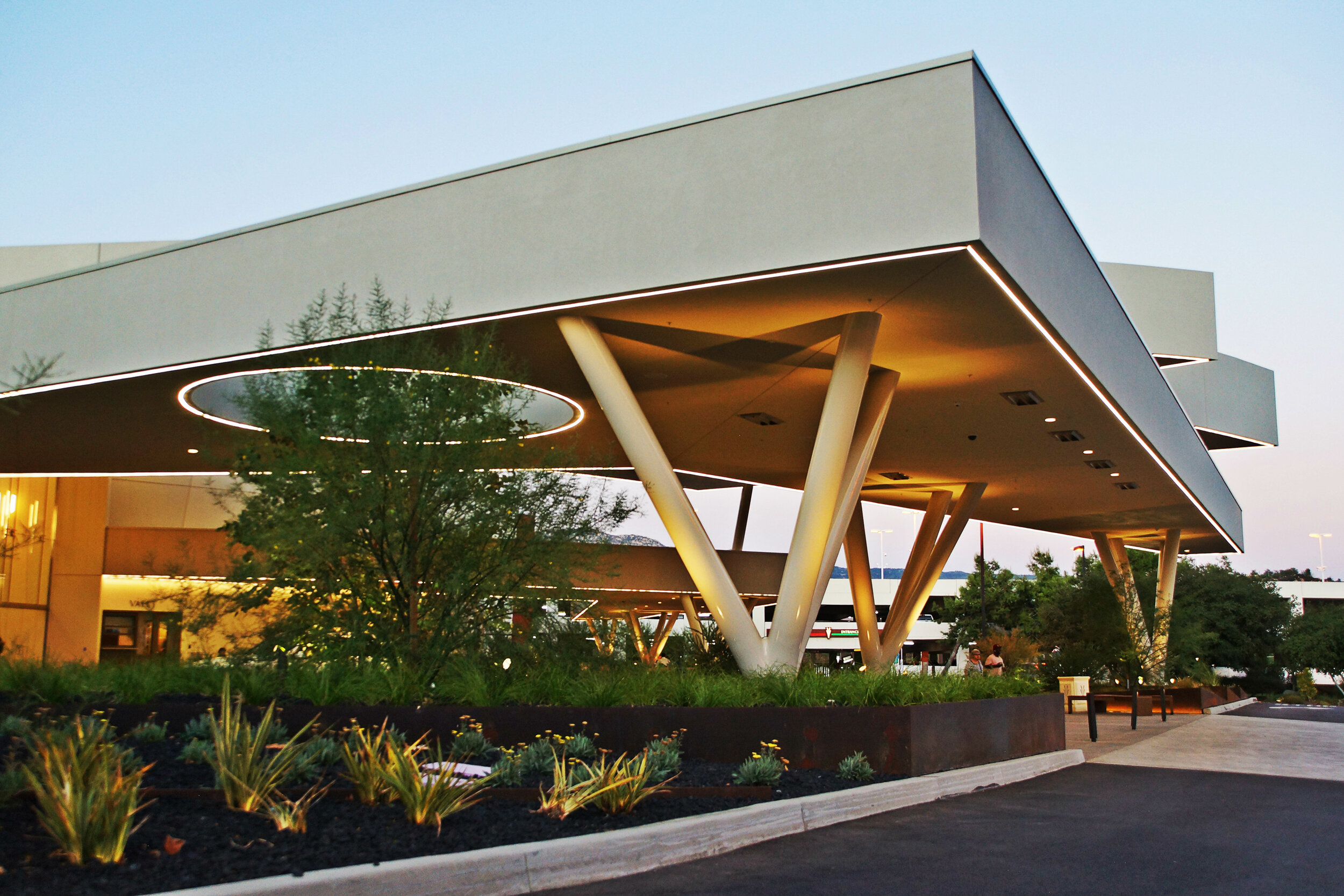
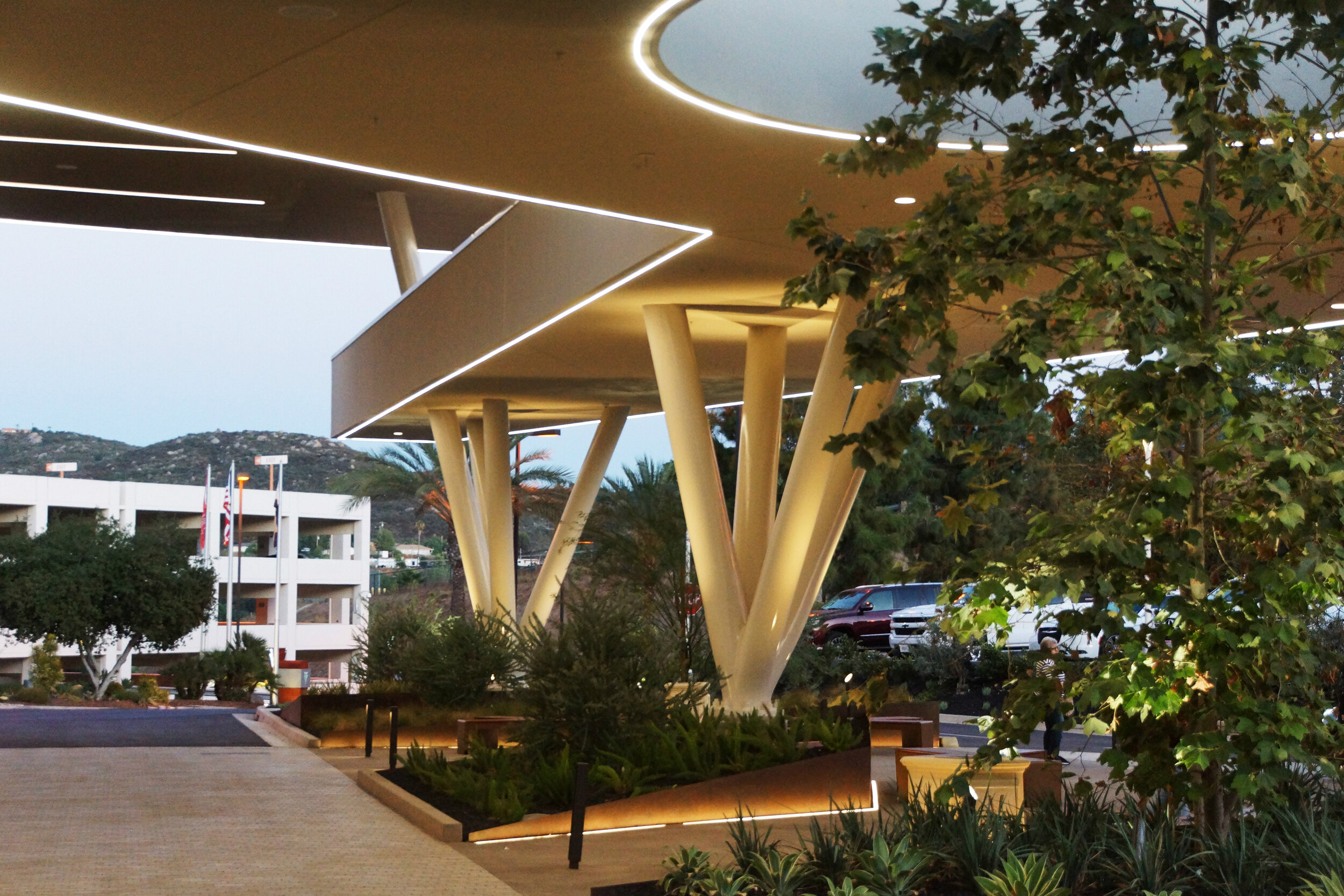
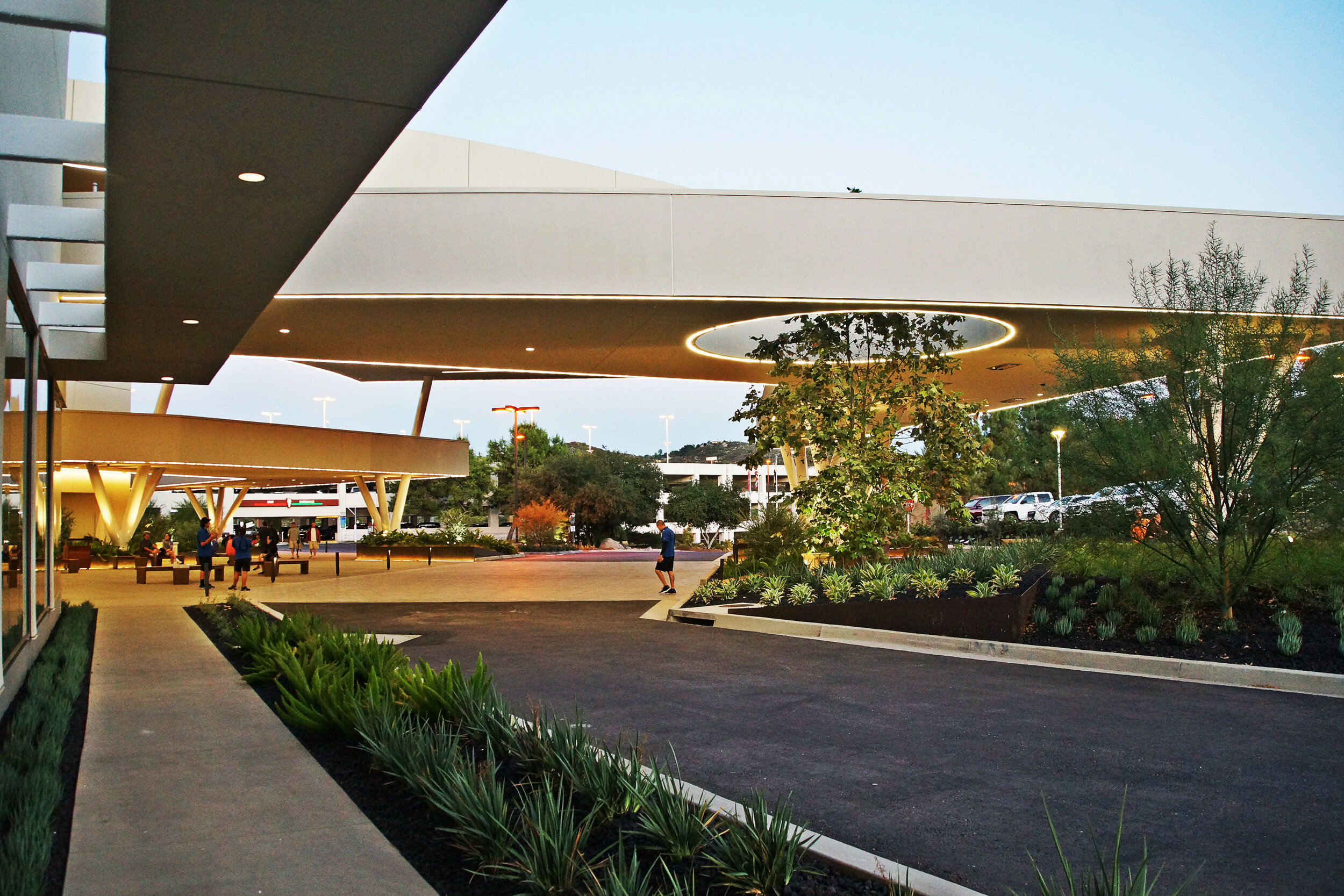
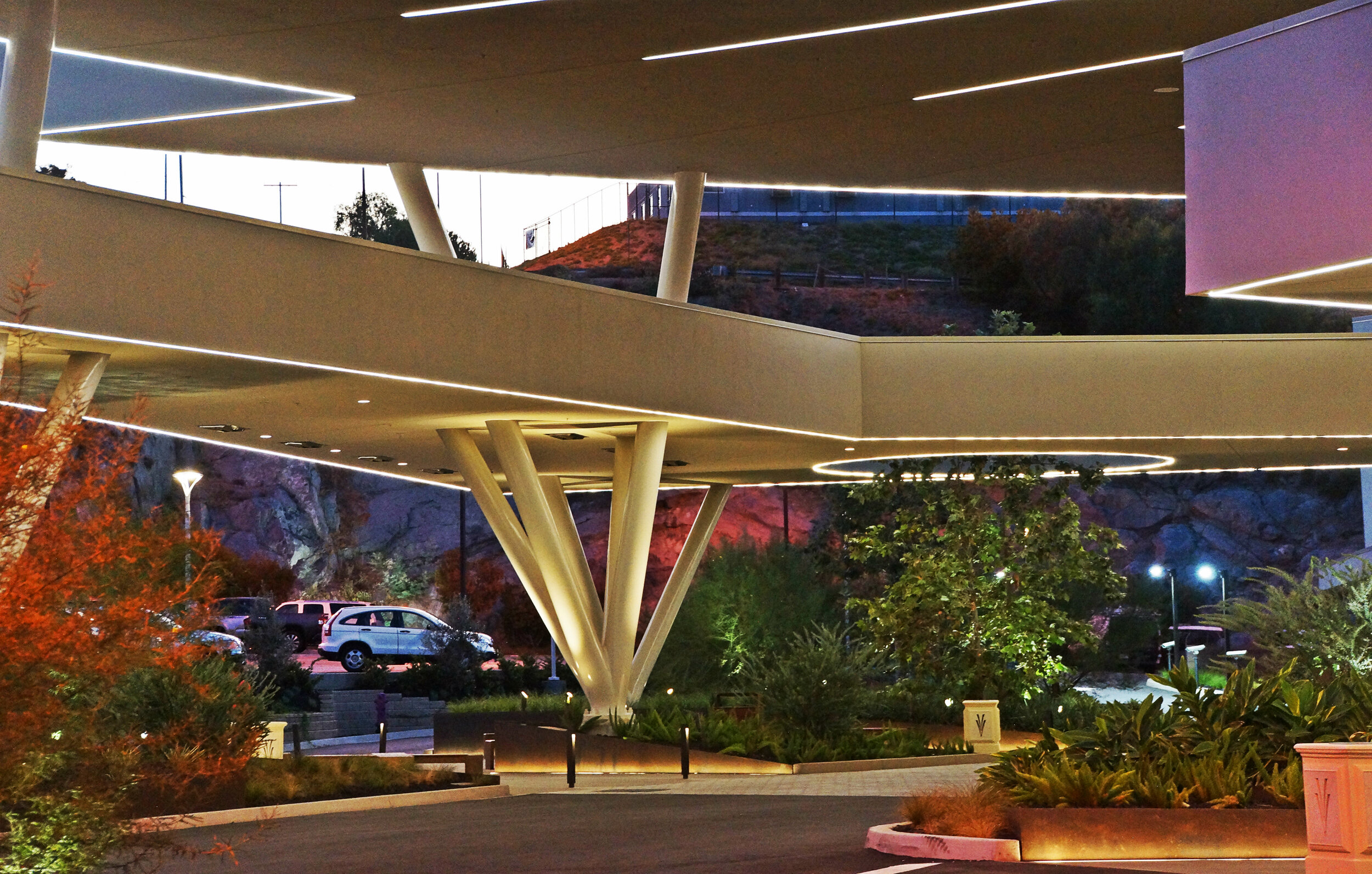
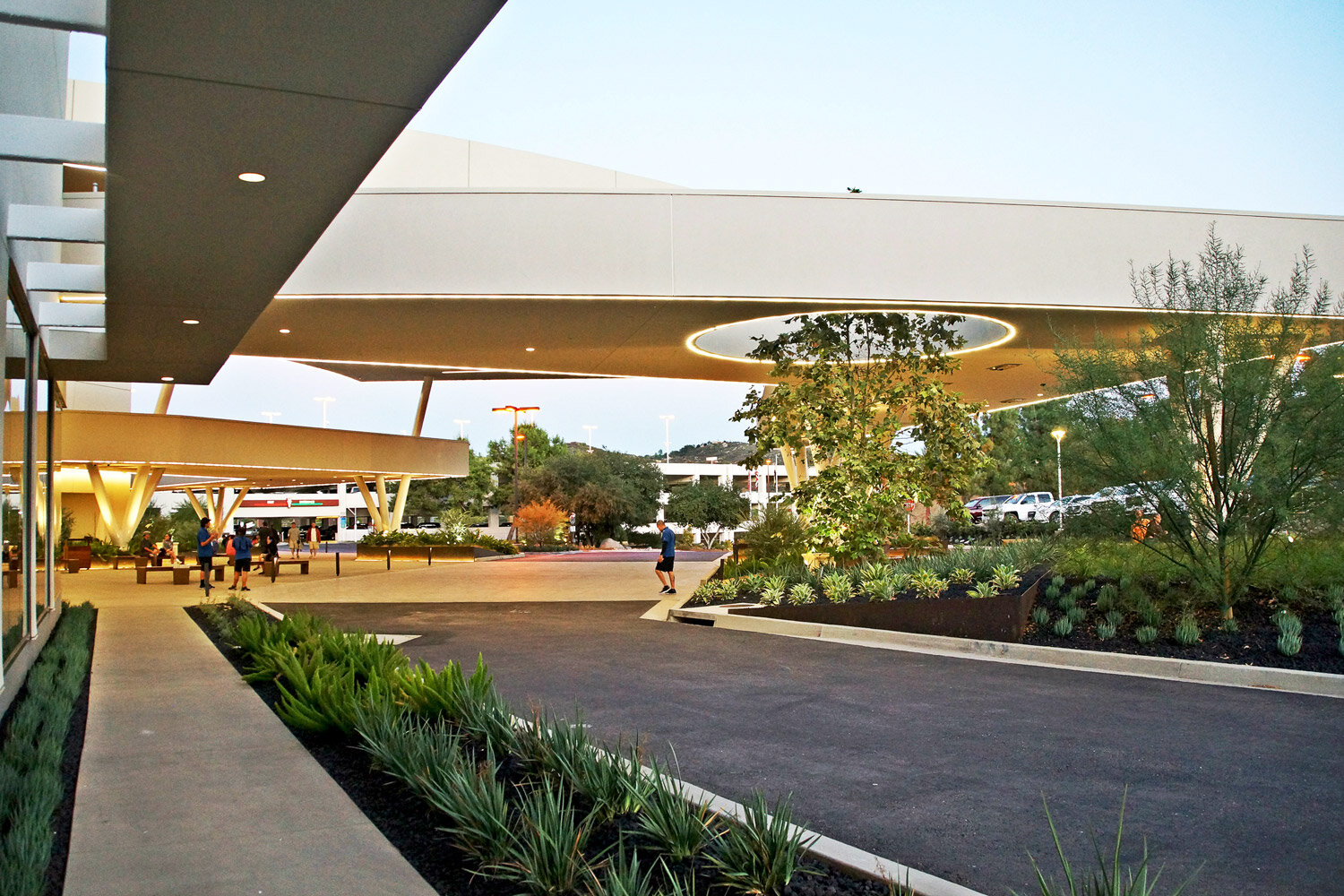
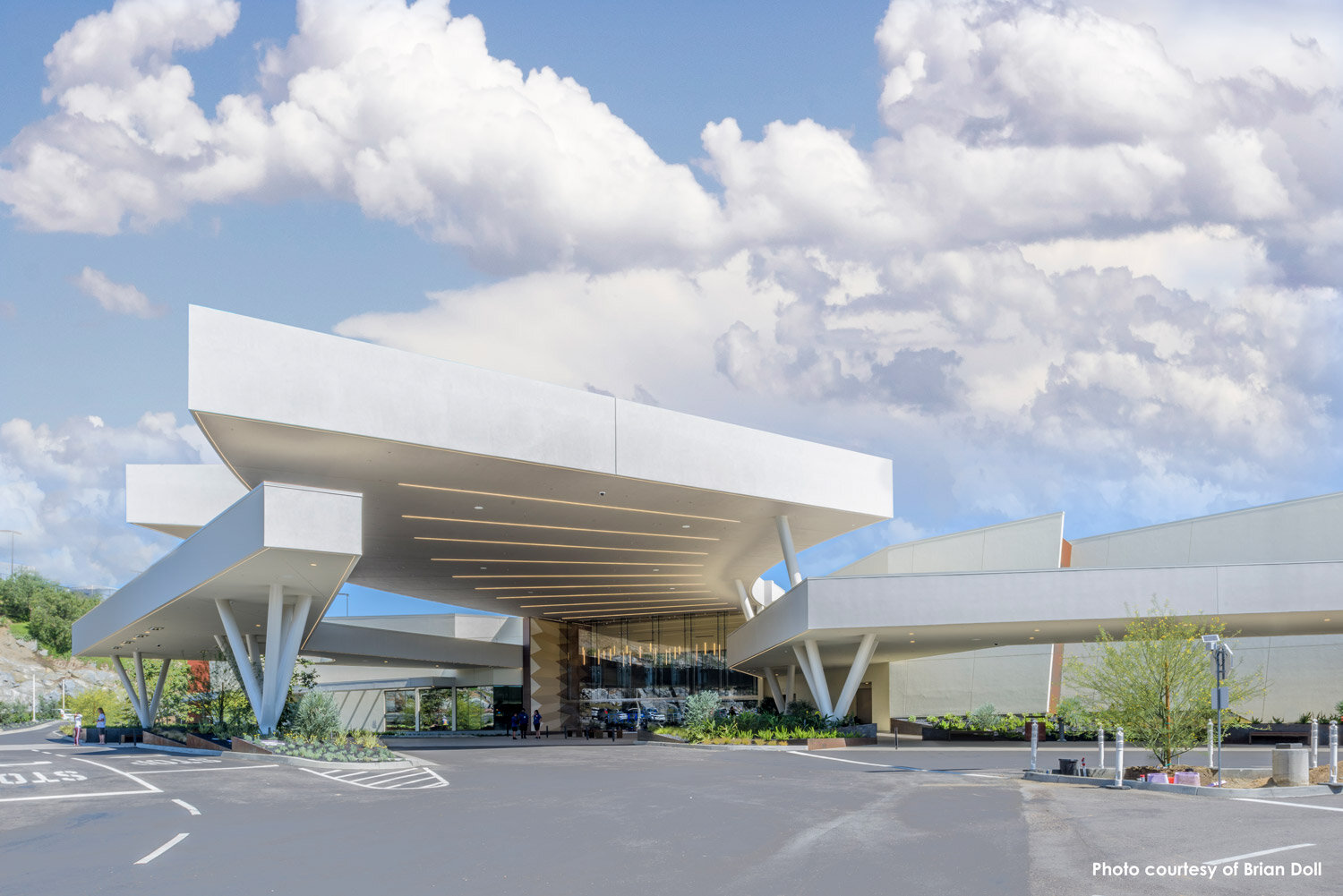
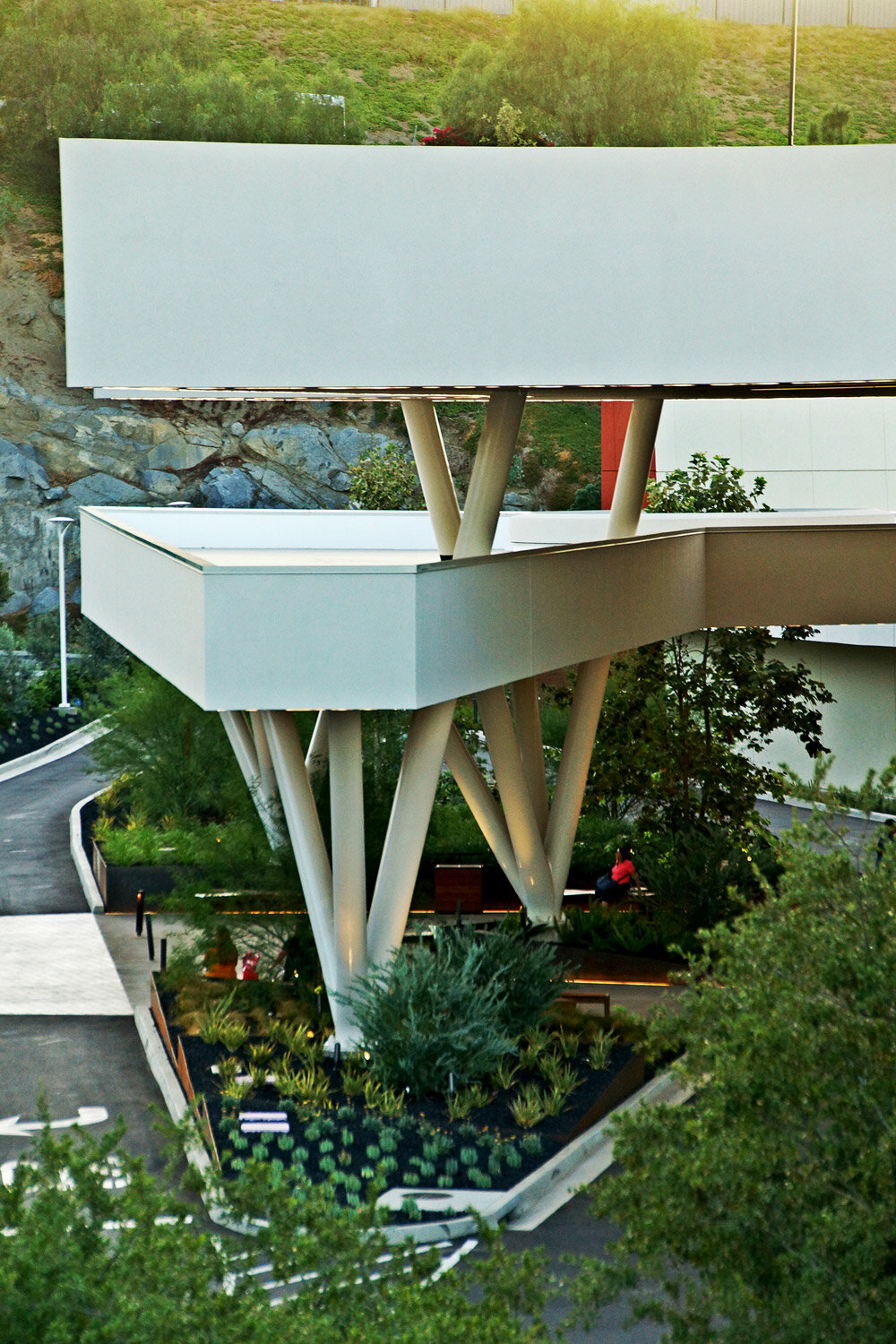
Nestled along the Hellhole Canyon Preserve in Valley Center lies a hidden gem, the Valley View Casino and Hotel. This four-acre site has had multiple renovations over the last 20 years, of which McCullough has been involved in all three projects. This past year an important renovation took place with architect, Delawie which added a new addition to the building and a major revamp of the site. As project manager for the new site design, I dove into a stringent schedule to see the final phase come to fruition. The construction phase lasted nearly a year, the demand was high for me to do site visits to make sure every detail was supervised. The result was an unforgettable learning experience.

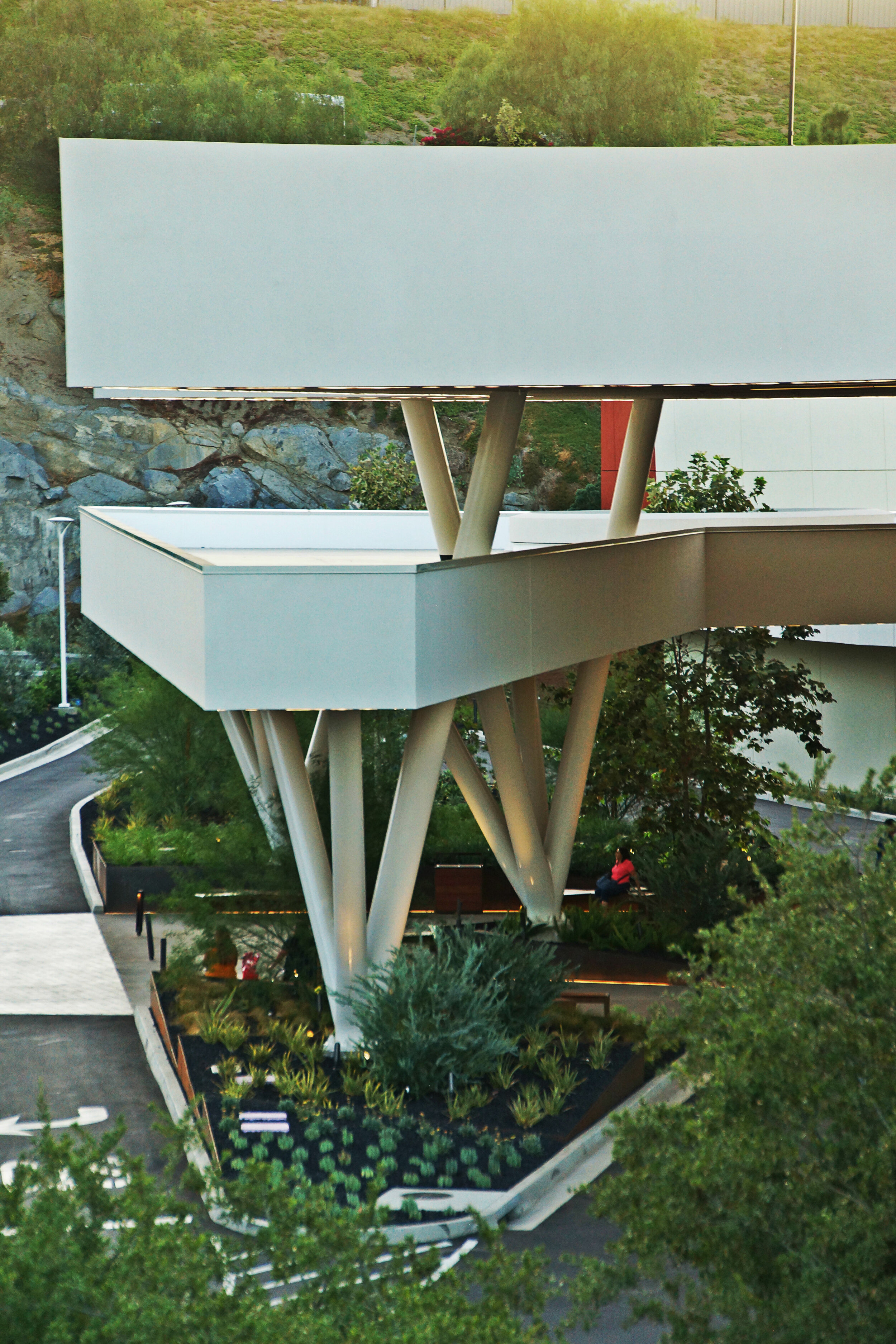
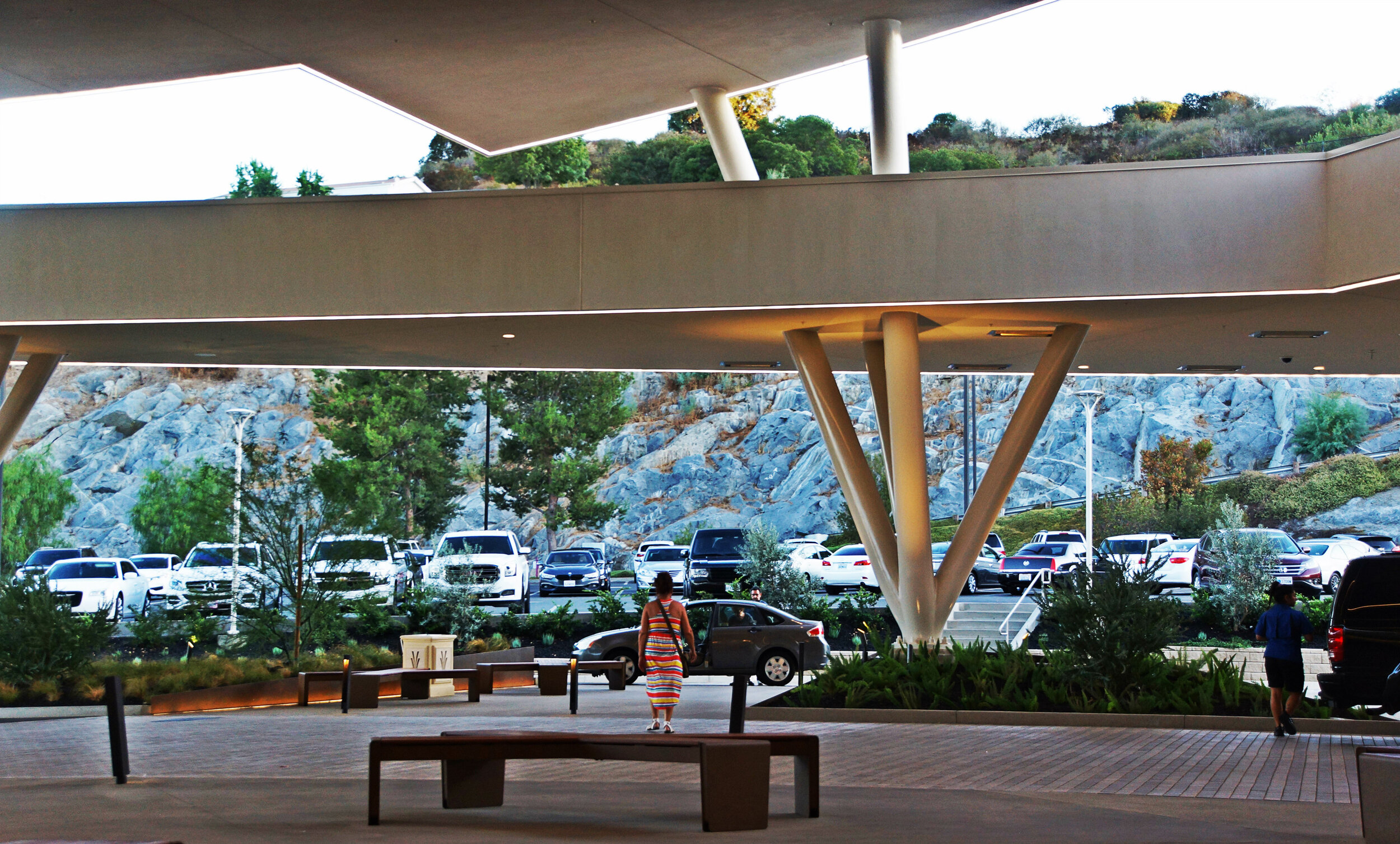
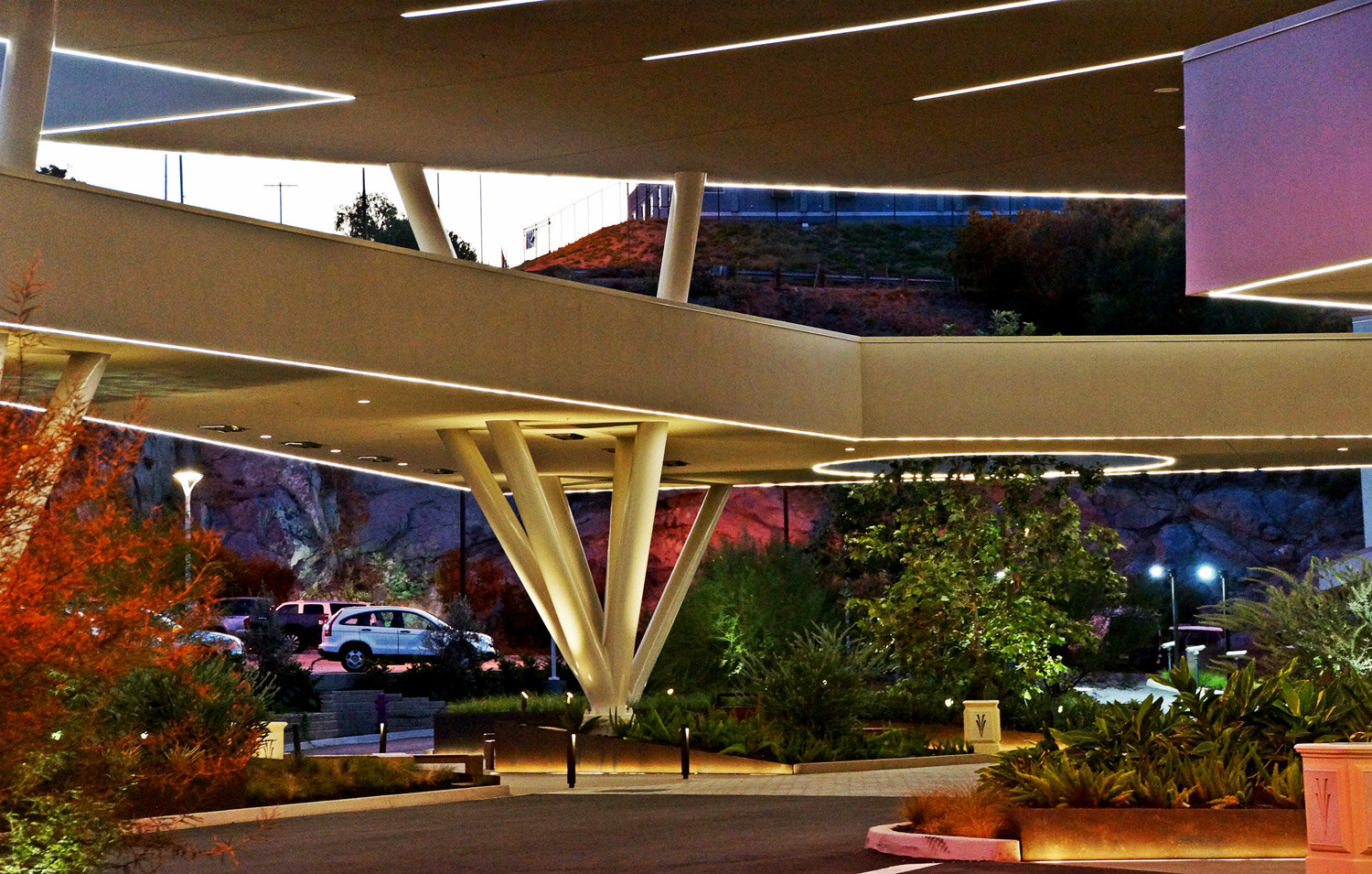
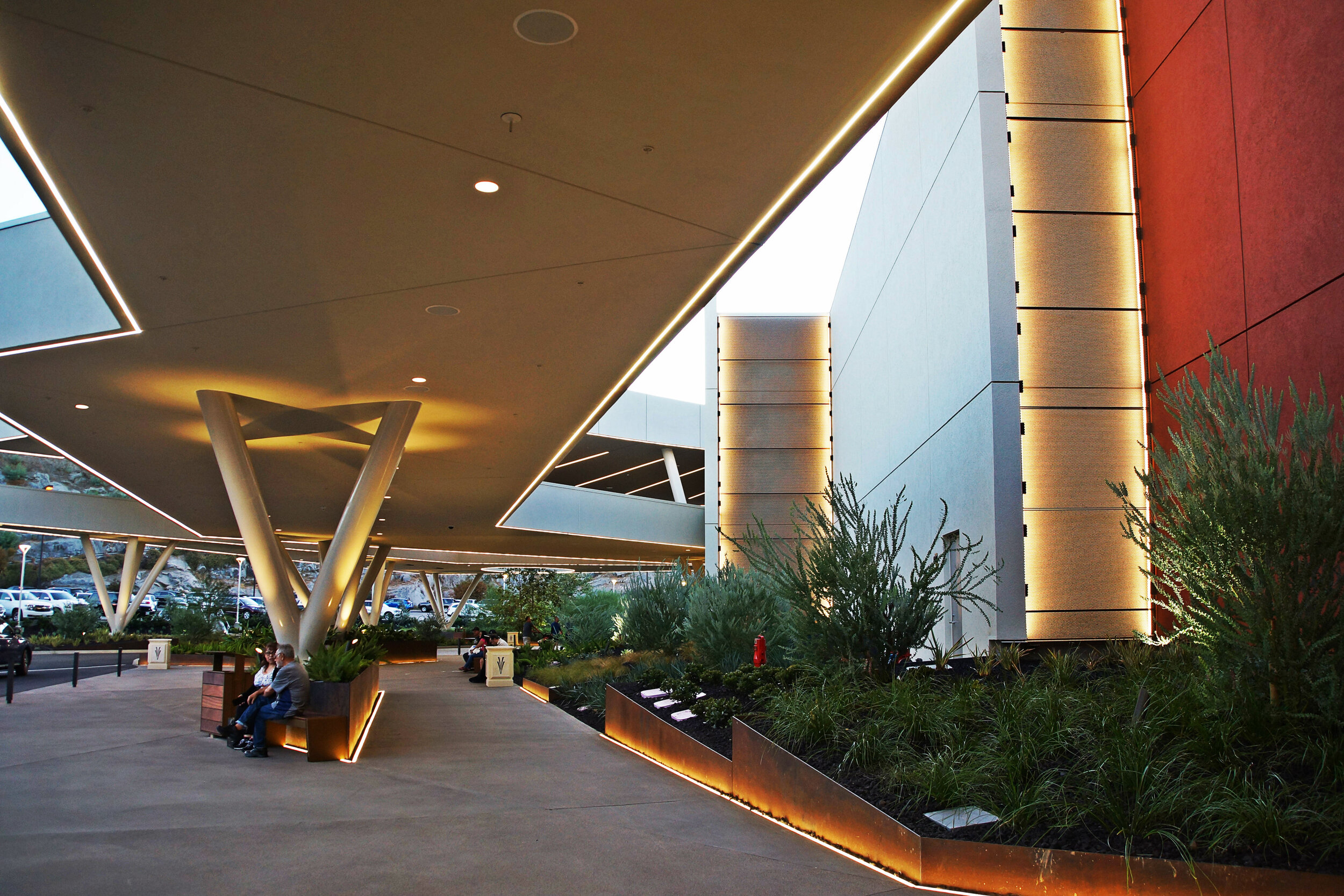
The design was inspired by its surroundings with characteristics of the large angular boulders with native and lush landscape reflected in the design. The angular Corten steel planter beds, weathered steel, ground cover, planting and hardscape all represent the surrounding landscape. With such a unique design, the attention to detail was imperative. Coordinating the steel planter walls was a challenge as they had to be perfectly angled. I was there as the panels were placed to make sure that the differing heights lined up and that the seams became invisible. Placement of footings and posts for the walls had to be welded and strategically placed so that they would be in the correct place. Finding the fill side of the planter would hide this detail and cutting the post to follow angles was critical.

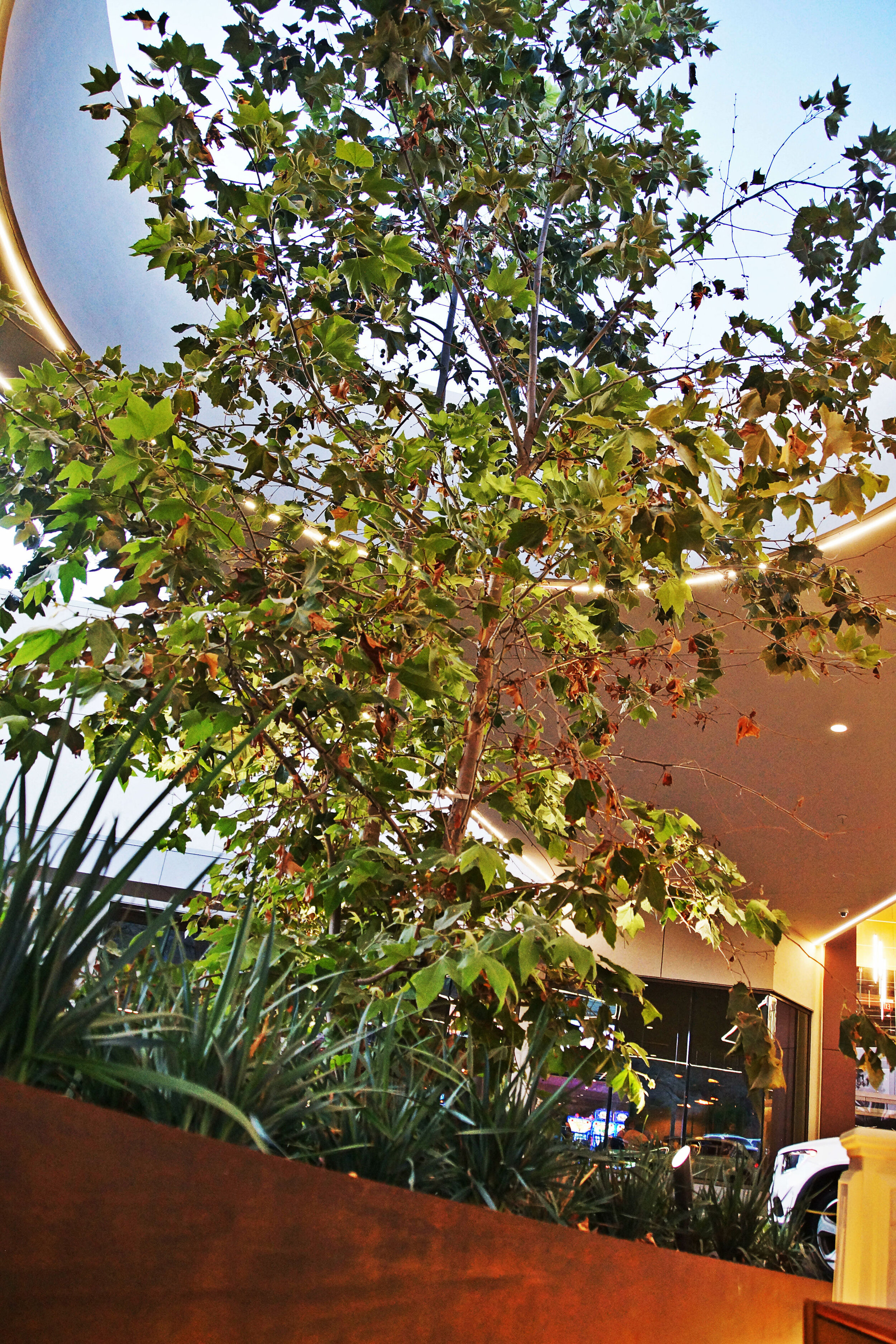
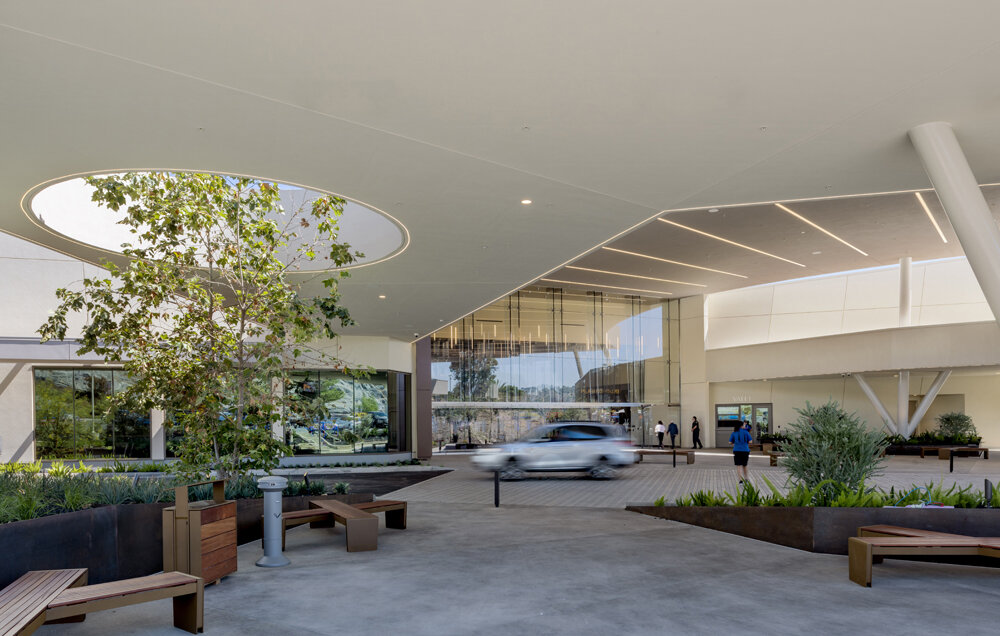
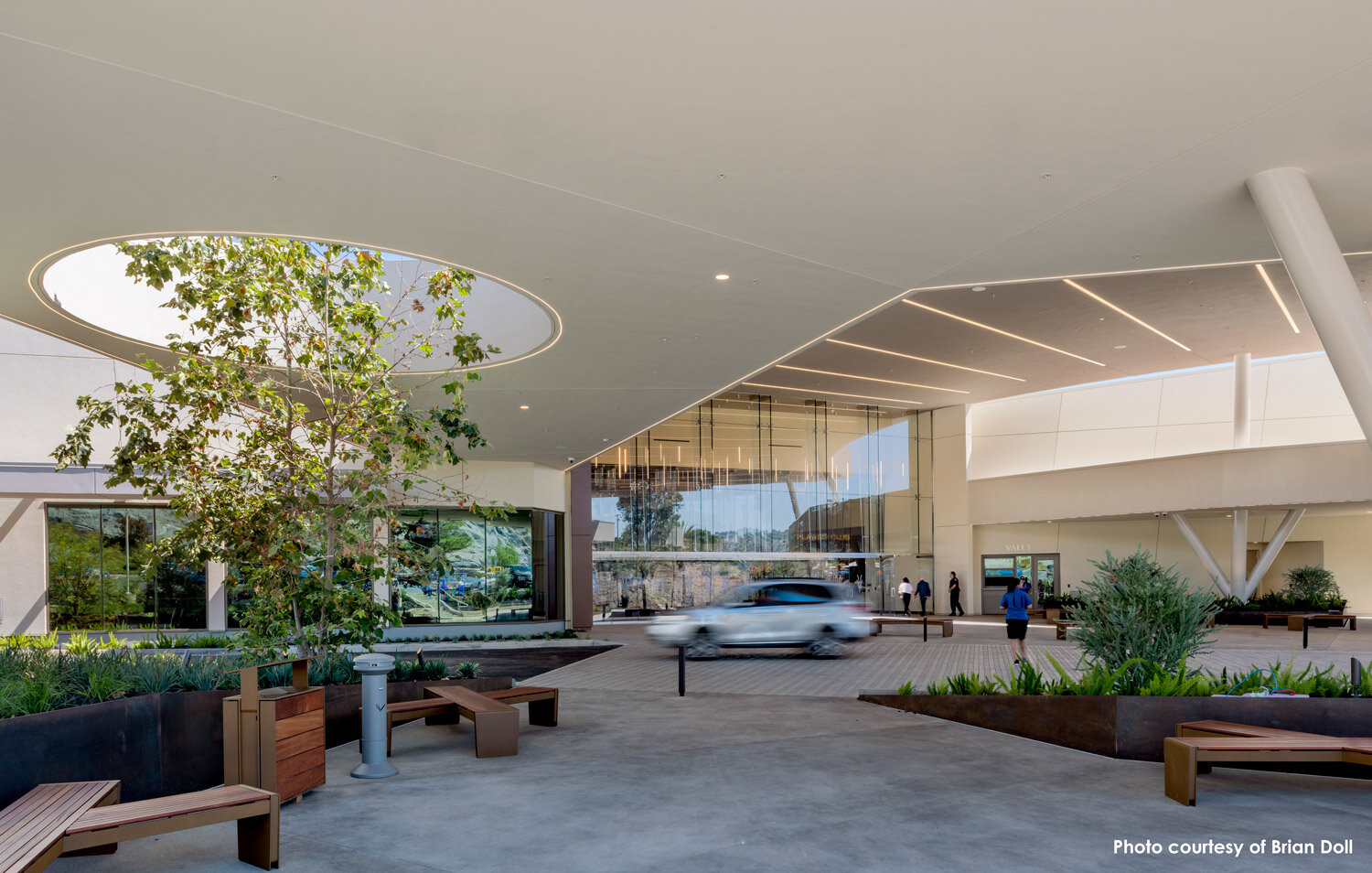
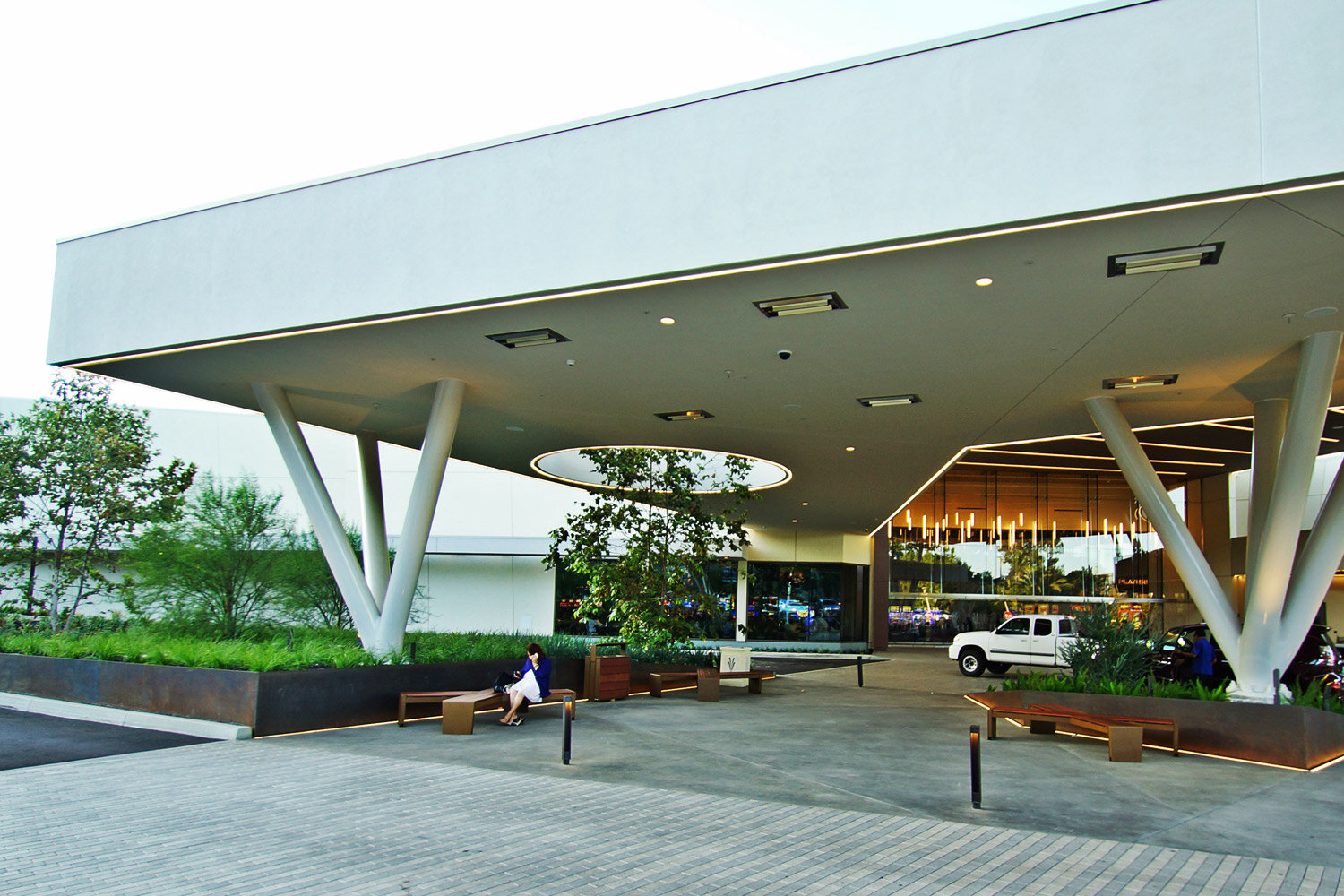
The large multi-trunk California Sycamore tree placed under the new breath-taking porte-cochere ceiling opening required some orchestral maneuvers.

With a combination of a bobcat and pneumatic telehandler, the tree was tilted at a 90-degree angle and wedged right into place. These moments are what inspire us to design and create soulful, meaningful places. My passion to design comes from being on a project site and to face the obstacles and overcome them—that is my grit.


8840 Complex Drive | Kearny Mesa

Alex Wade, ASLA
Junior Associate

mcla-alex.jpg

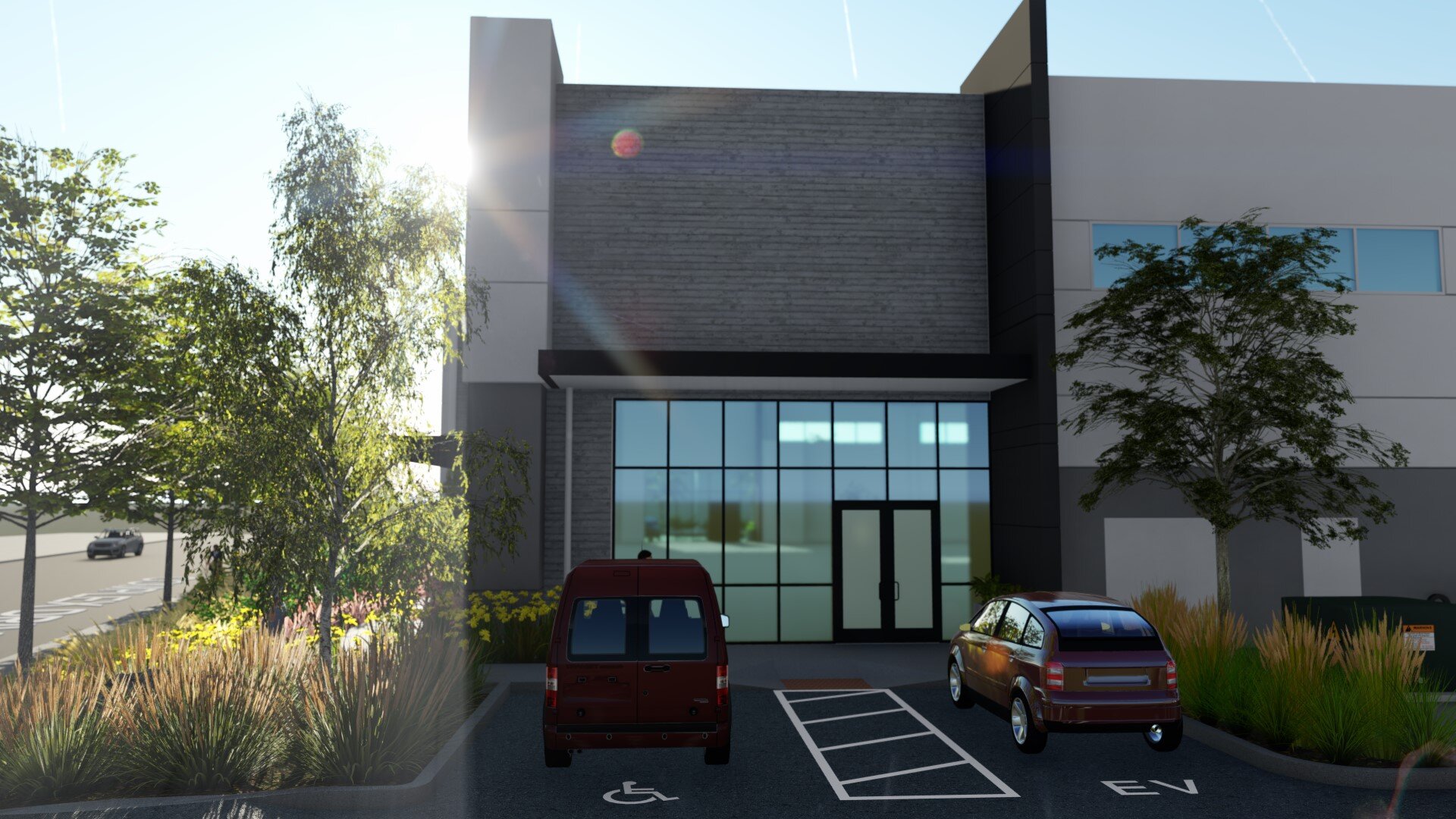
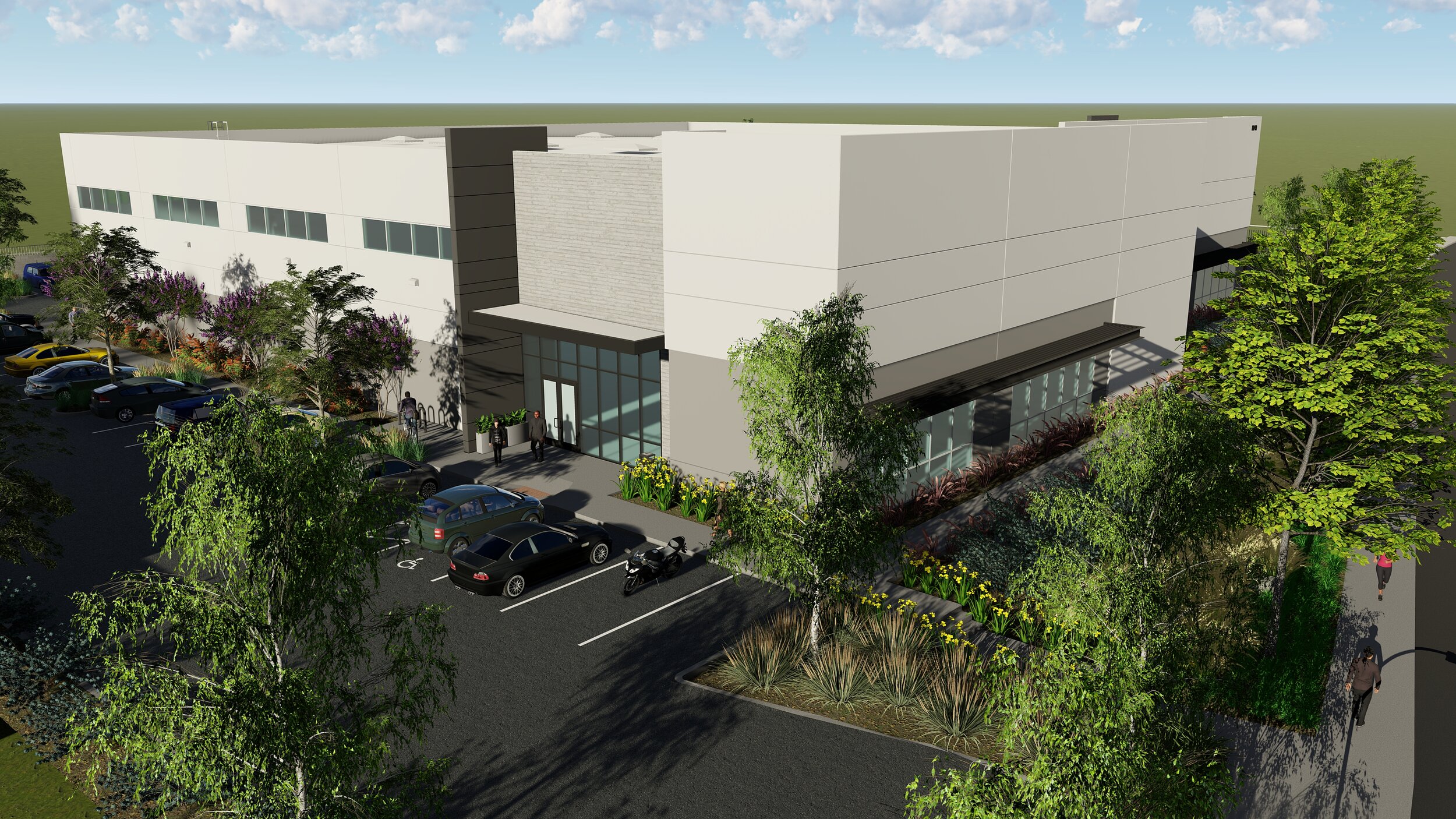
From start to finish, this project took over two years from concept design to demolition, construction and to administration. Then to see the project that was recently completed was very satisfying for me. The site consisted of 12,800sf.

To see the fruits of our labor while knowing the work we’ve done to accomplish the build, coordinating with our team, and pleasing the client are my favorite parts of what we do at McCullough.
There were times when the project really challenged us; nevertheless, we solved these challenges and the project was a great success. It was rewarding to see my design take shape and to command the landscape around a fresh, new warehouse building. Originally built for commercial use, the entire site was demolished. Because of this change of use from commercial to industrial, the site required a lot of research, including the parking requirements for the truck-loading dock, as well as BMP requirements and corresponding plantings. With little available landscape to work with, the two retention basins were tough to fit on the site. The civil engineers at BDS Engineering were very accommodating with our design, and we worked closely with them to create the proper water retention and drainage.
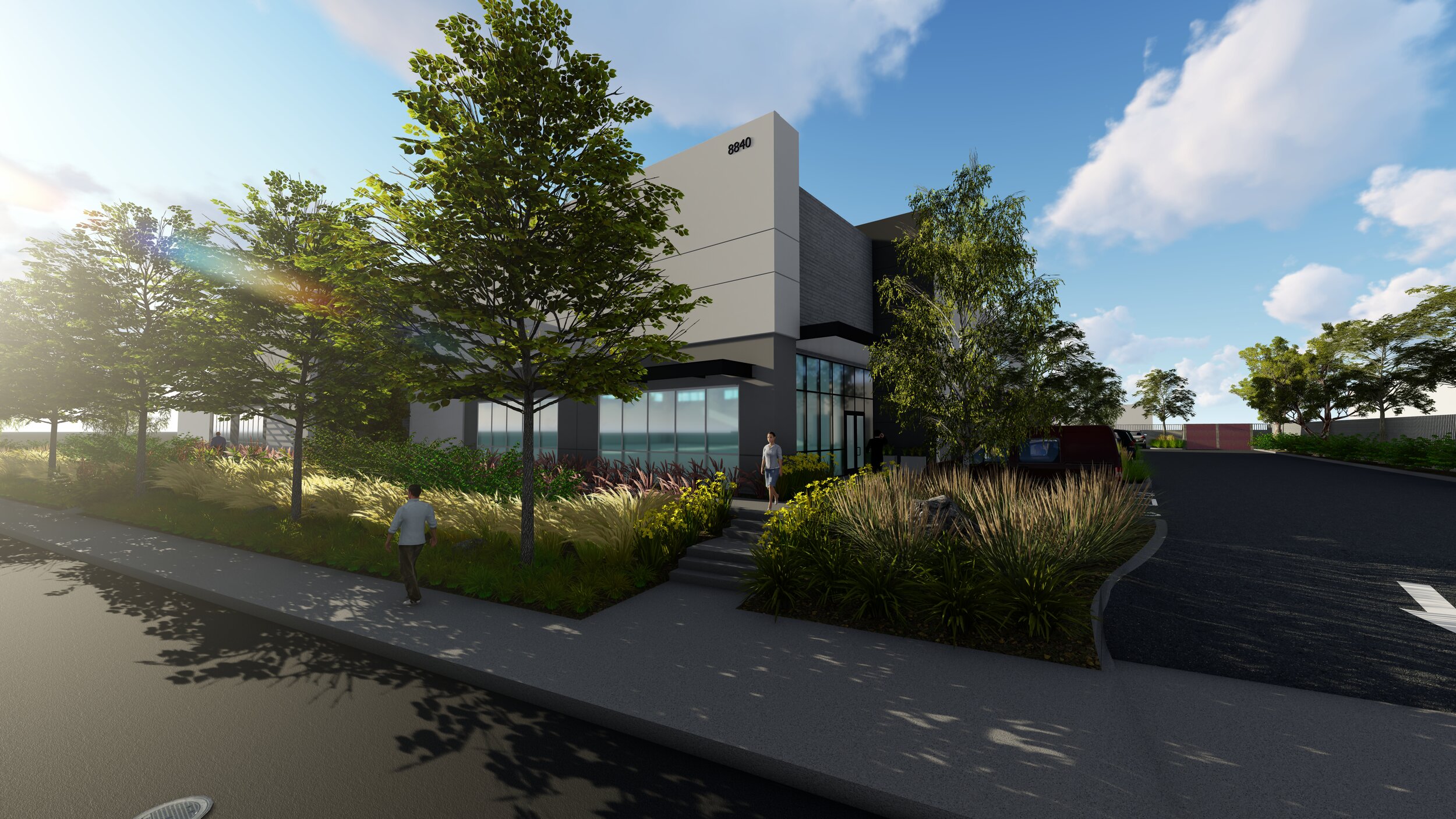
Although the scale of the building outweighs the initial planting design, a few years and some patience will allow the planting to encapsulate the building properly. Budget is always a big concern and one that I take seriously. Therefore, we chose to use smaller sized plantings. Touching on all facets of landscape design, I addressed the entire construction documentation from start to finish, which I’m really proud of. All-in-all, I learned a lot on this project and am happy with the outcome. I’m excited to see how it will blossom in future seasons.


ULI’s Upcoming Women’s Leadership Event
McCullough is Proud to be 2020 Platinum Sponsors
of the ULI San Diego-Tijuana Chapter!

ULI is an important organization for McCullough to support as we have a similar vision: Each environment unveils a unique narrative embodying creativity, diversity, discovery and conservation. We also encourage women to grow their influence in the A/E/C industry. Therefore, we are happy to support the ULI Women’s Leadership Symposium. This outstanding event will be held on Thursday, 3:30-6:30 p.m., January 23, 2020 at Farmer and the Seahorse. (One of our favorite projects.)

The event’s theme is “Self-Advocacy: How to be an Agent of Your Own Success” and will feature Ann Marie Houghtailing as the keynote speaker.

Learn how to act on your own behalf with the same persuasive power you use on behalf of others. Know what you want and how to get it.

San-Diego-Tijuana-logo-Color-Horiz-200.png

Don’t miss this exclusive ULI San Diego-Tijuana event.
Register today.→

Transforming an Urban Development into a Vibrant, Connected Community

Client: CityMark Development
Architect: Kirk McKinley, The McKinley Associates
Tenant: XPO by CityMark
Date: 2016-2018
Sector: Residential
Size: 25,375 sq. ft.
McCullough Project Manager: David McCullough, PLA, ASLA
Services: Landscape Design, Environmental Planning, Urban Design

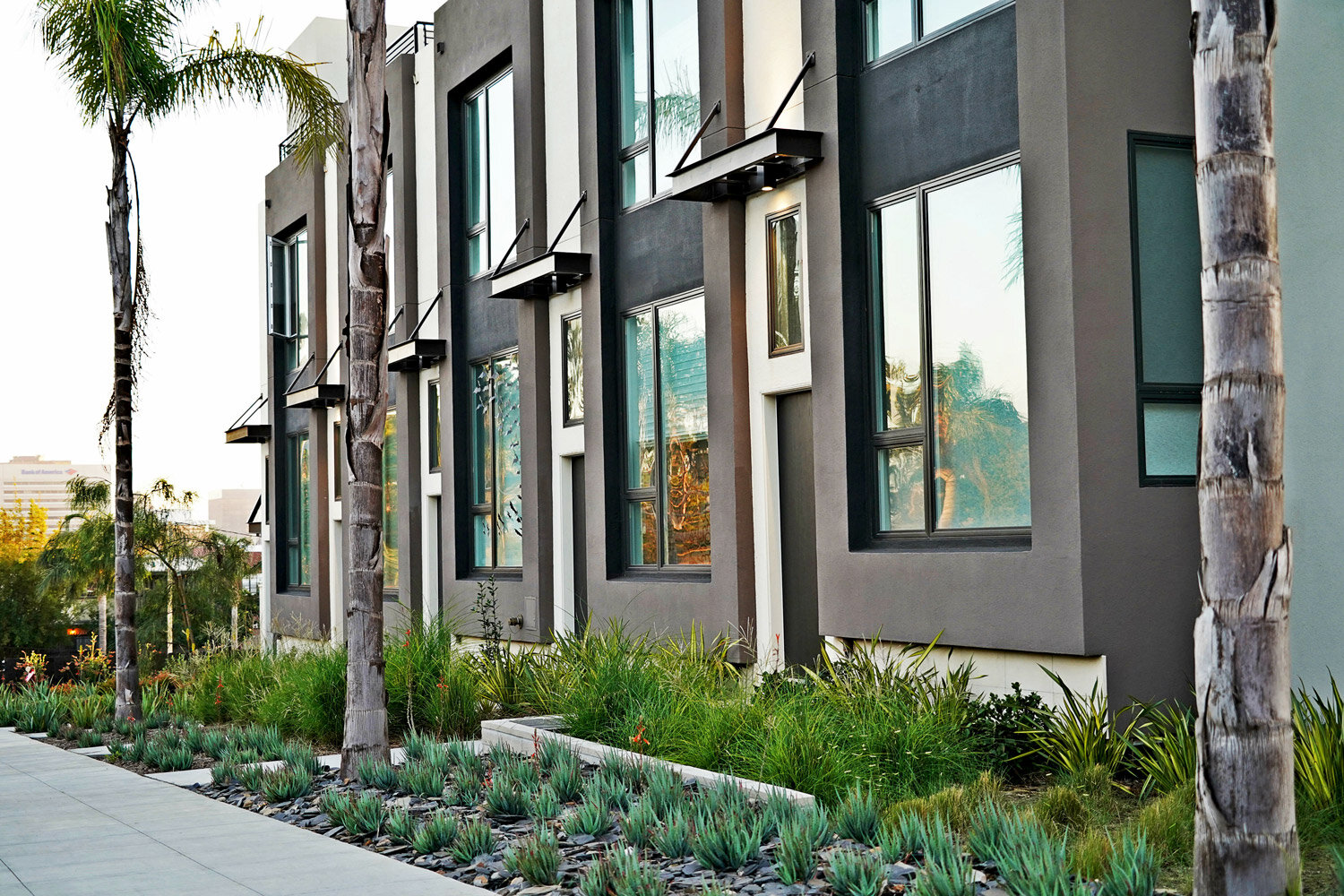
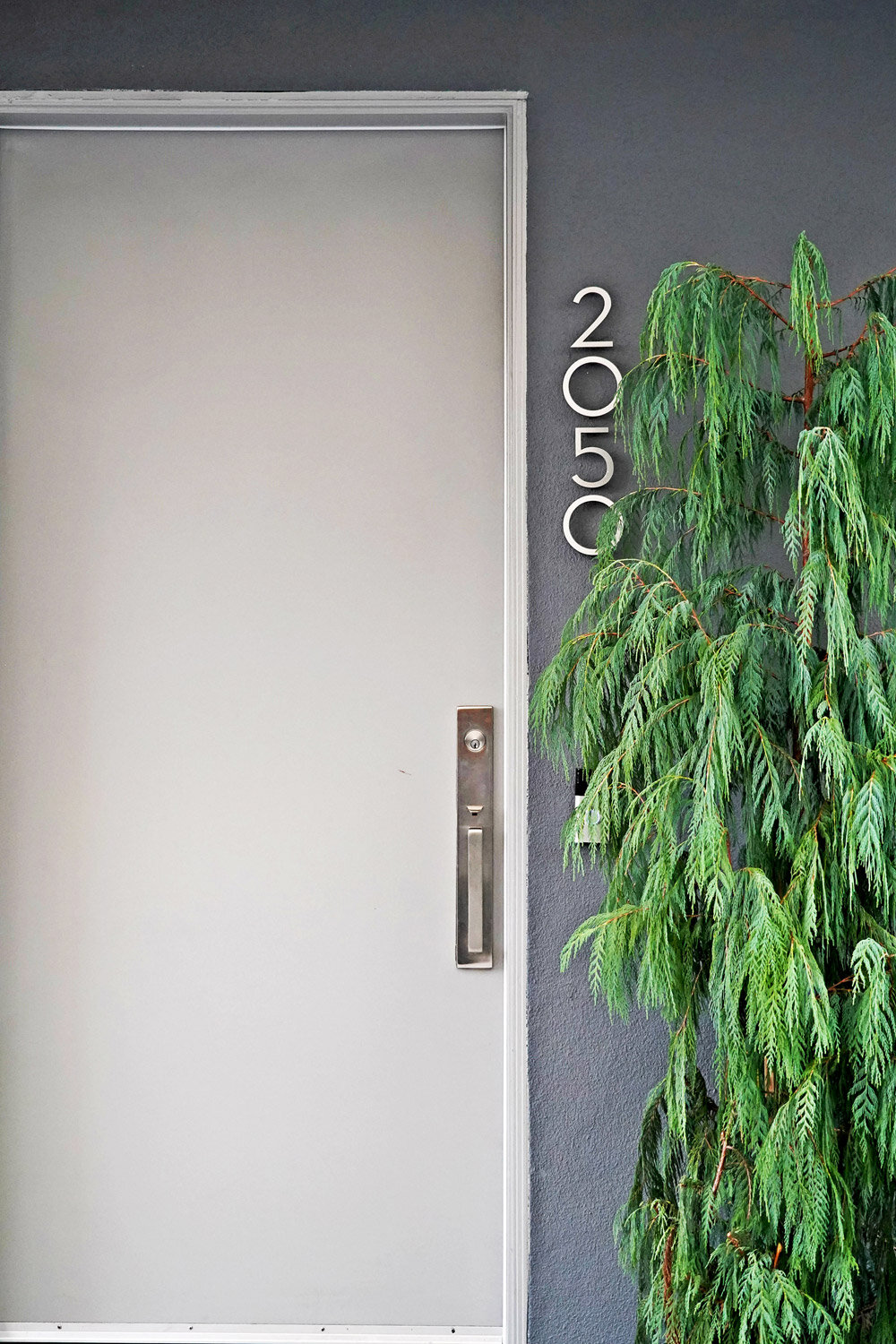
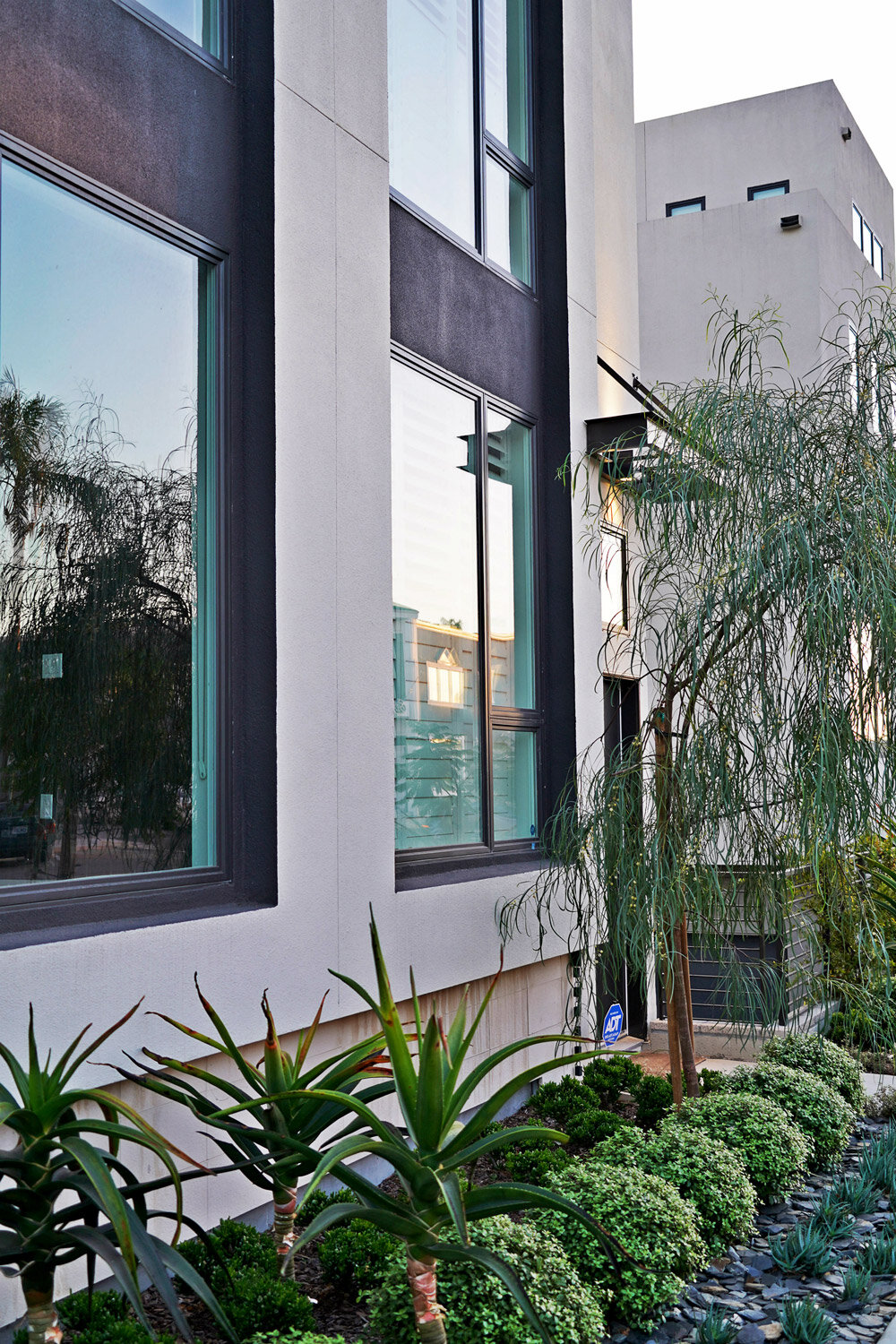
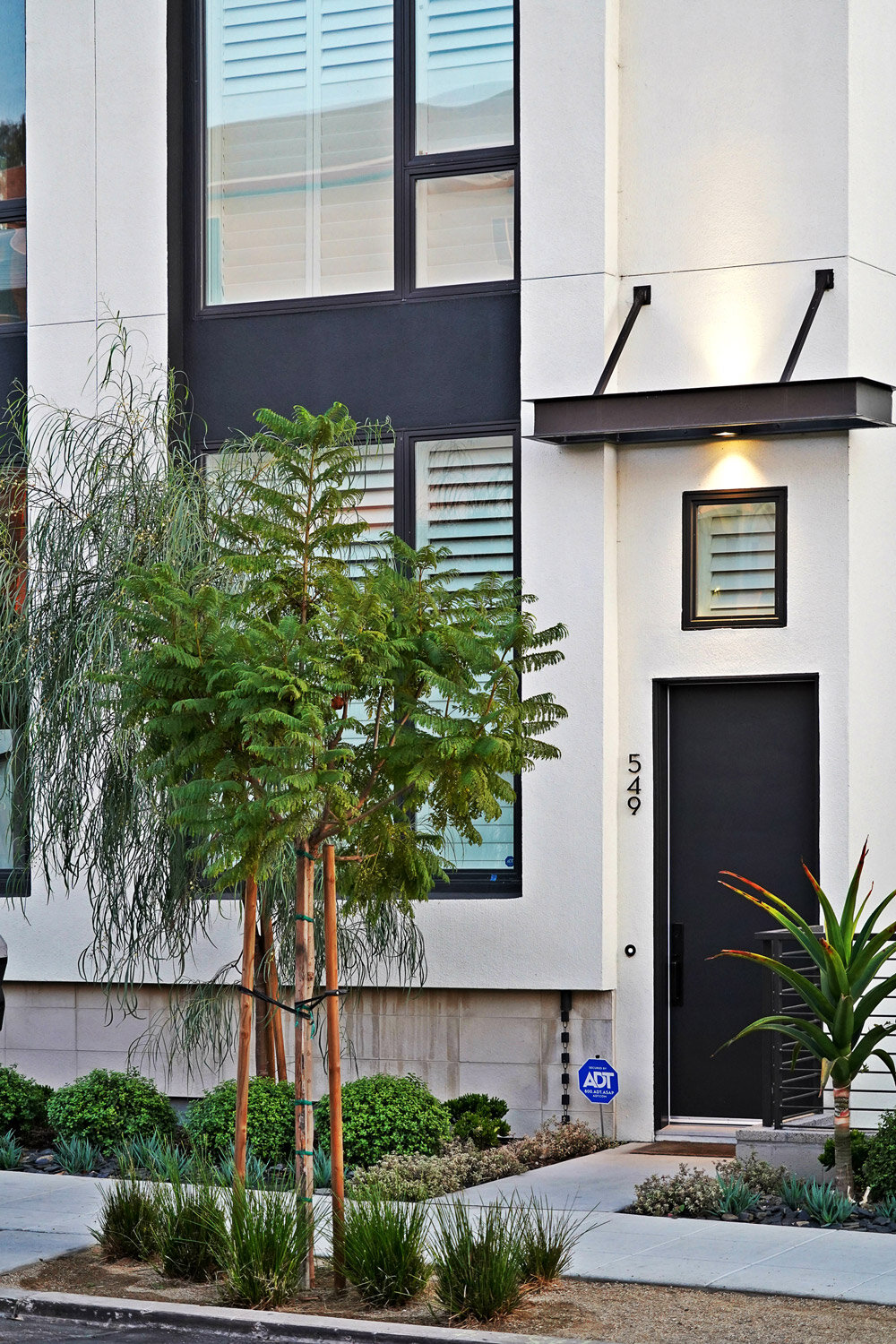
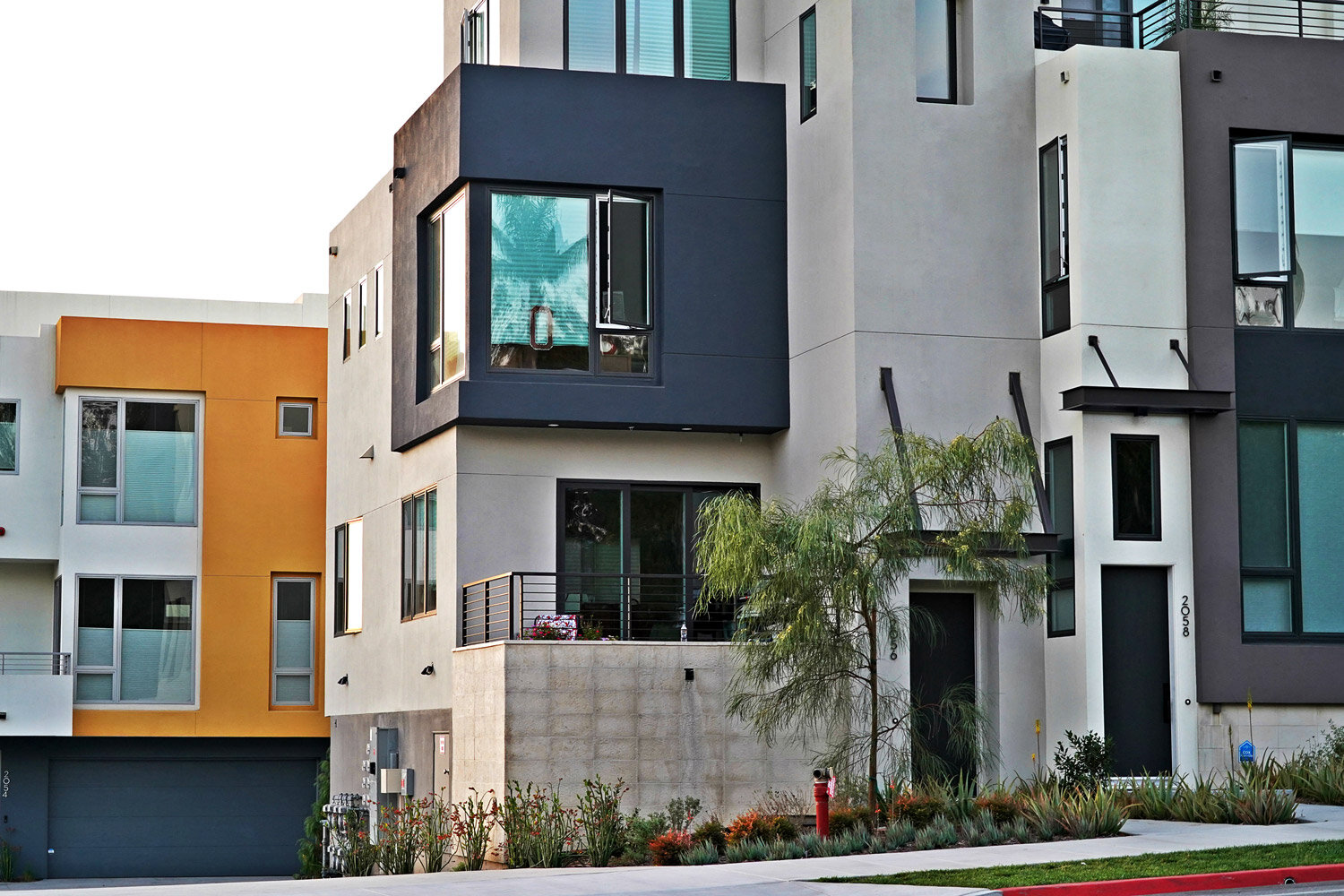
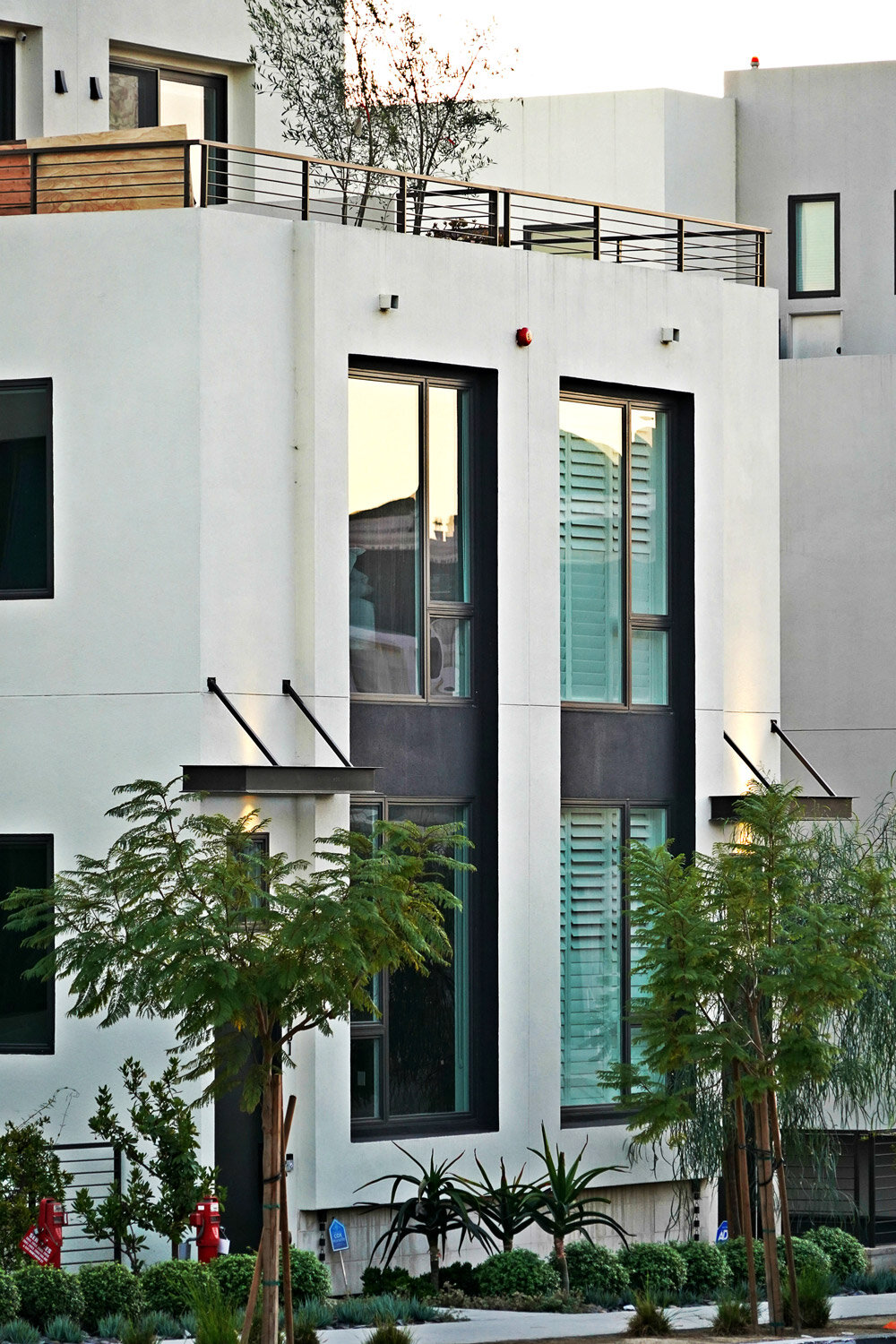
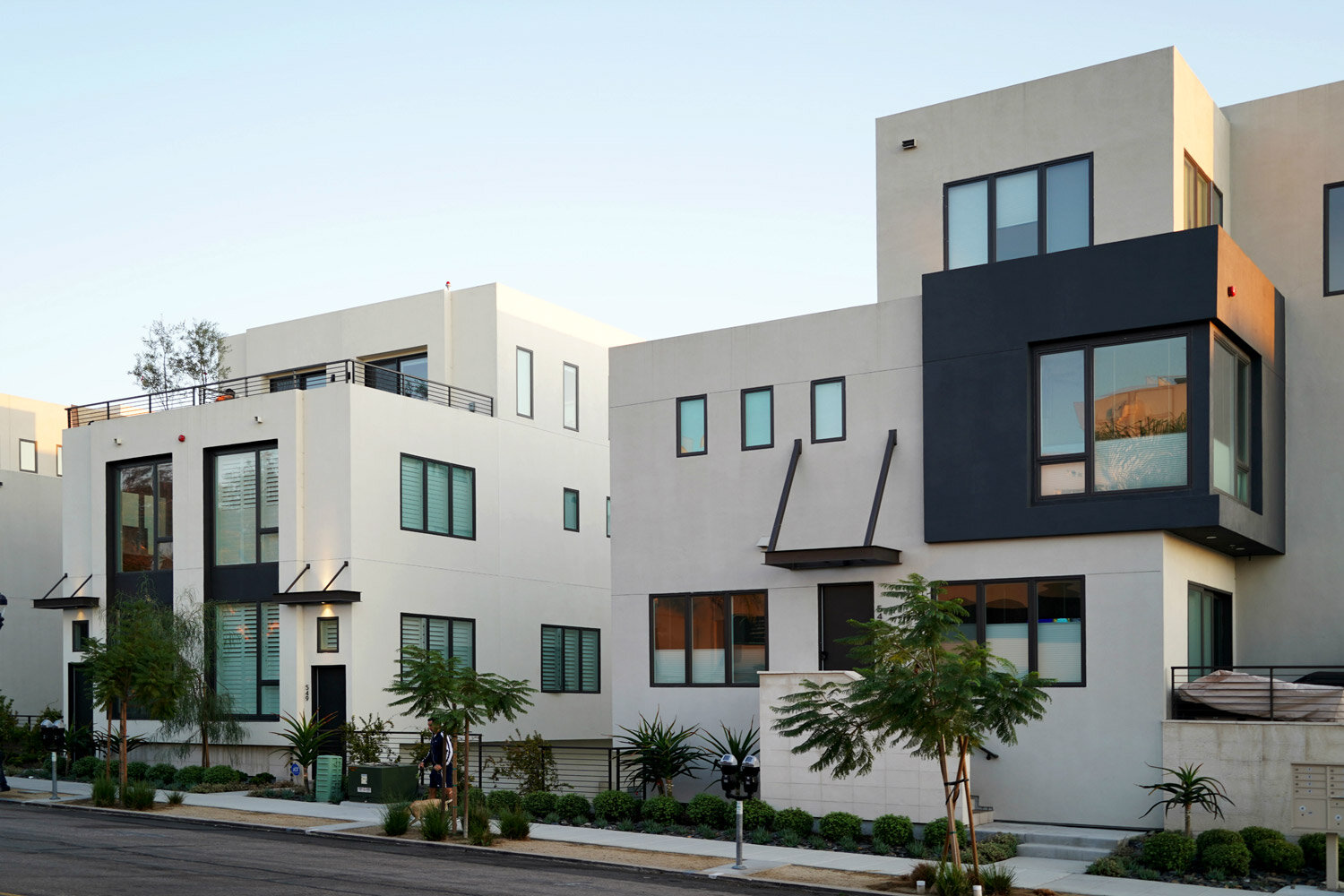
Creating a place that feels like home was our approach for this 21-row home development in San Diego’s Bankers Hill. XPO Bankers Hill was developed by CityMark, an industry leader known for “revitalizing communities with award-winning distinctive homes,” and was designed by local architect Kirk McKinley of The McKinley Associates. Kirk’s stylish architecture gave us a modern backdrop to design the landscape architecture that enhances the space for residents and pedestrians walking by; connecting the community with the property.

Located across the street from Balboa Park with downtown views of San Diego, CityMark purchased the property on Sixth Avenue and Hawthorn Street for the new homes. There was an existing single-story building that needed significant repairs and was slated for demolition. Neighborhood meetings were held with discussions of having ground-floor retail included as a community preference, which would connect the surrounding area with the property. However, CityMark believed there were other ways to connect the property to the neighborhood. After convincing the residents with an alternative approach to interactive living, they were pleasantly surprised with the outcome.

Design Connects the Neighborhood to the Development
Architect Kirk McKinley, along with CityMark’s Rich Gustafson, Russ Haley and Vince Hoenigman decided to limit vehicle access to the property with one driveway for resident parking within the development. The units were pulled back from the streets, leaving enough landscape to connect the development to the surroundings. By doing this, CityMark wanted to provide future residents with easy pedestrian access to the adjacent areas and Balboa Park.

The project gave us a few welcomed design challenges:

  1. How does the pedestrian entry experience offer connectivity to the surroundings; and how can a contemporary approach address the context in which it sits, within a neighborhood largely developed through the 20th century?

  2. How is the vehicle-use area within the interior treated so that it doesn’t feel like an asphalt wasteland?

Tribute to Periodic Styles
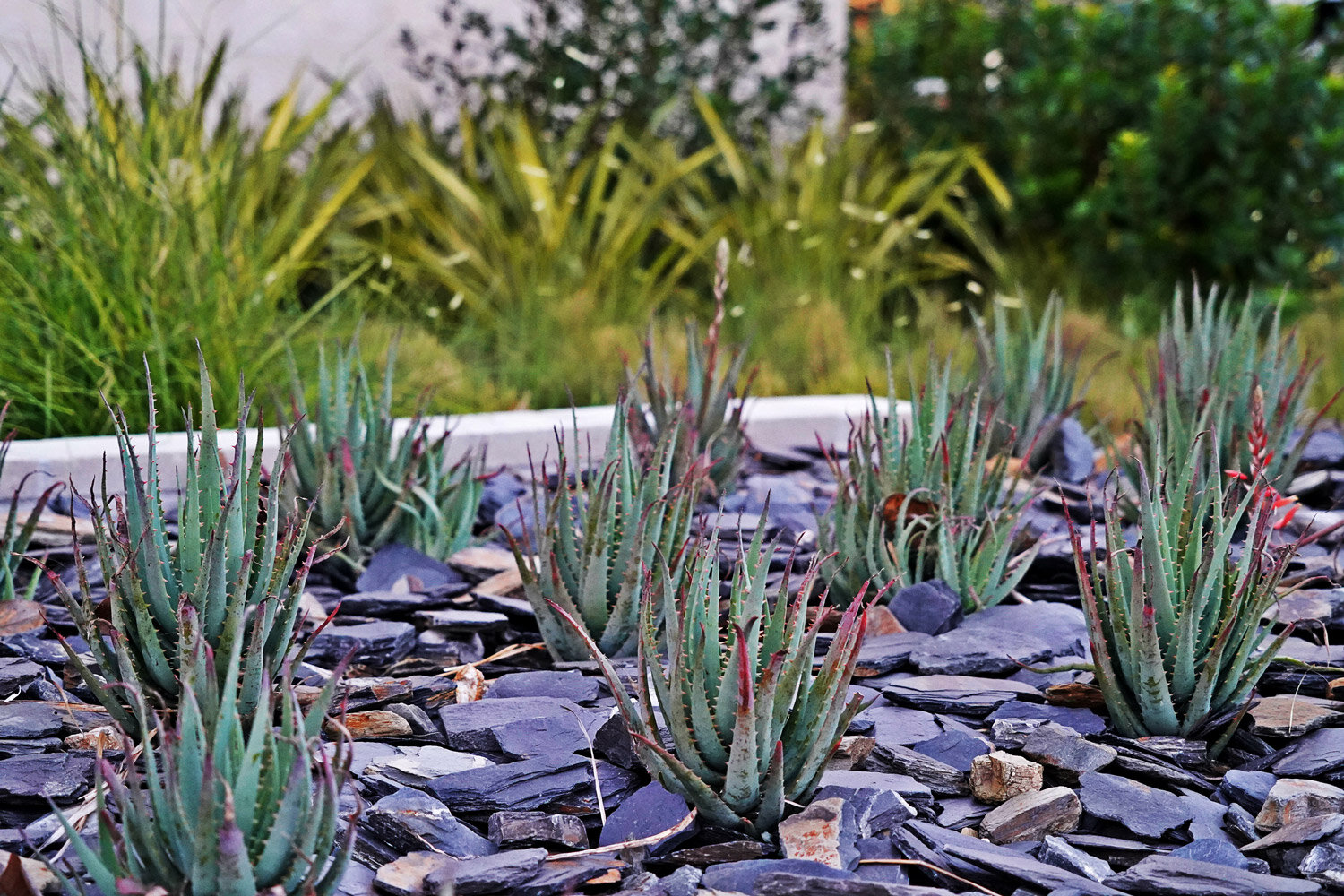
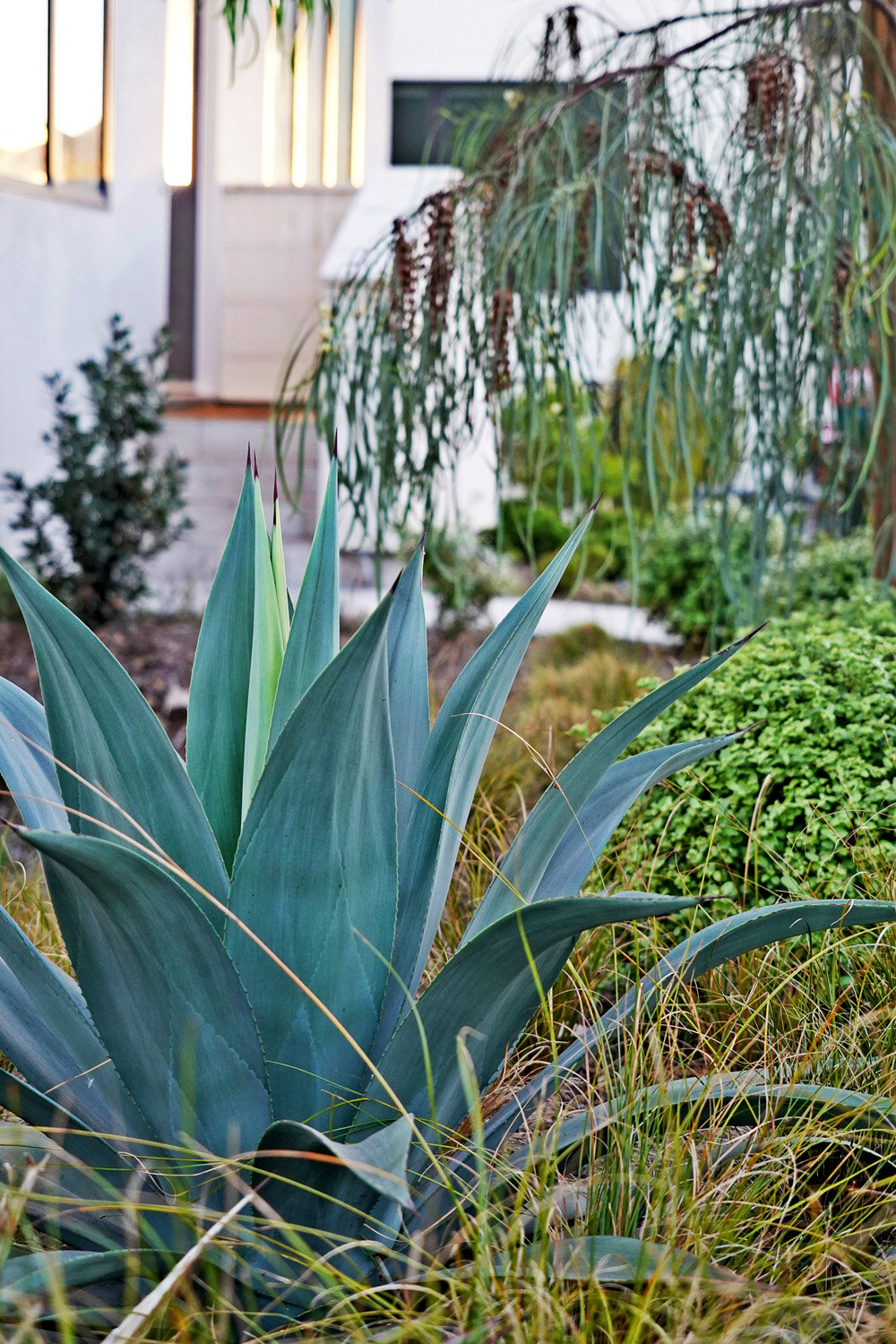
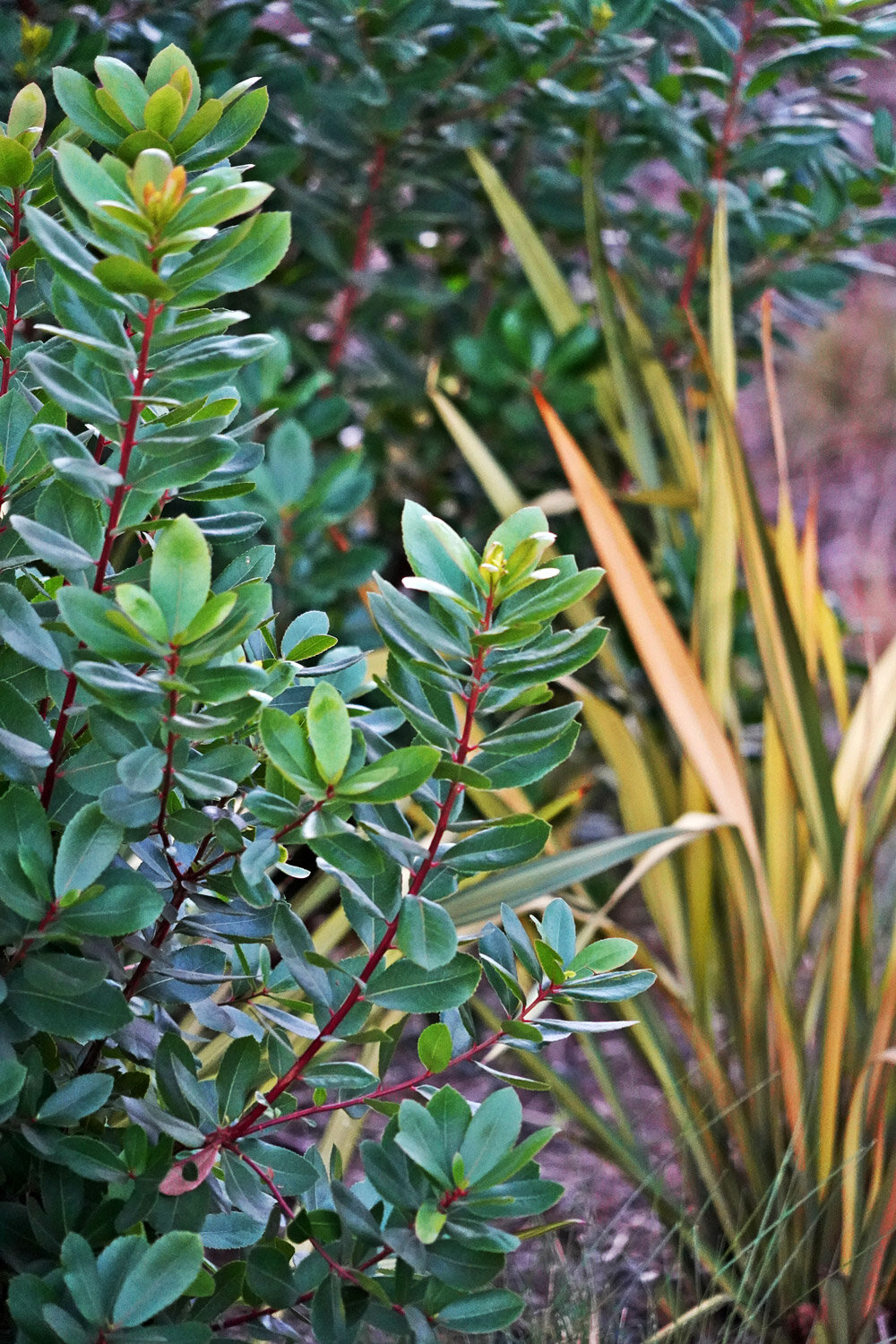
With the first design challenge, the McCullough team drew from their past experience when they worked on a famous, modern Henry Hester building several blocks up on Sixth Avenue. During this modern era in San Diego, landscape architects were inspired by a specific eclectic use of plant species. McCullough decided to use these early plant types, including Heavenly Bamboo, Tree Aloe and Mock Orange designed in modern arrangements. This plant material was very common to designers, including Kate Sessions, who was the primary landscape contributor for Balboa Park.

Henry Hester building on Sixth Avenue

In addition, we designed a double row of Queen Palms along Sixth Avenue to be consistent with what previously existed along the primary artery facing Balboa Park. On Hawthorn Street and Fifth Avenue, McCullough specified Jacaranda Trees that line the streets.

Where Form and Function Align
Giving the property a “home-like feel” was a challenge as every unit has a garage with a driveway for access. The designers didn’t want the space to look like a parking lot. McCullough’s approach was to design enhanced paving which gives the space a pedestrian feel and enough area for landscaping, creating a garden-like appeal. The outcome is a series of spaces which feel more like plazas or promenades where, coincidentally, cars have the access they need.

Today, the property has sold all its units and is a great addition to this beautiful, vibrant community. At their core, the McCullough team believes in designing spaces as context-appropriate, user-oriented places for the people who use them. As stated by the renowned 20th century landscape architect Thomas Church, “Gardens are for people.” XPO Bankers Hill encompasses these ideals, and McCullough is proud to have had the opportunity to collaborate with them.

David McCullough, PLA, ASLA
Principal Landscape Architect

View more projects like this →

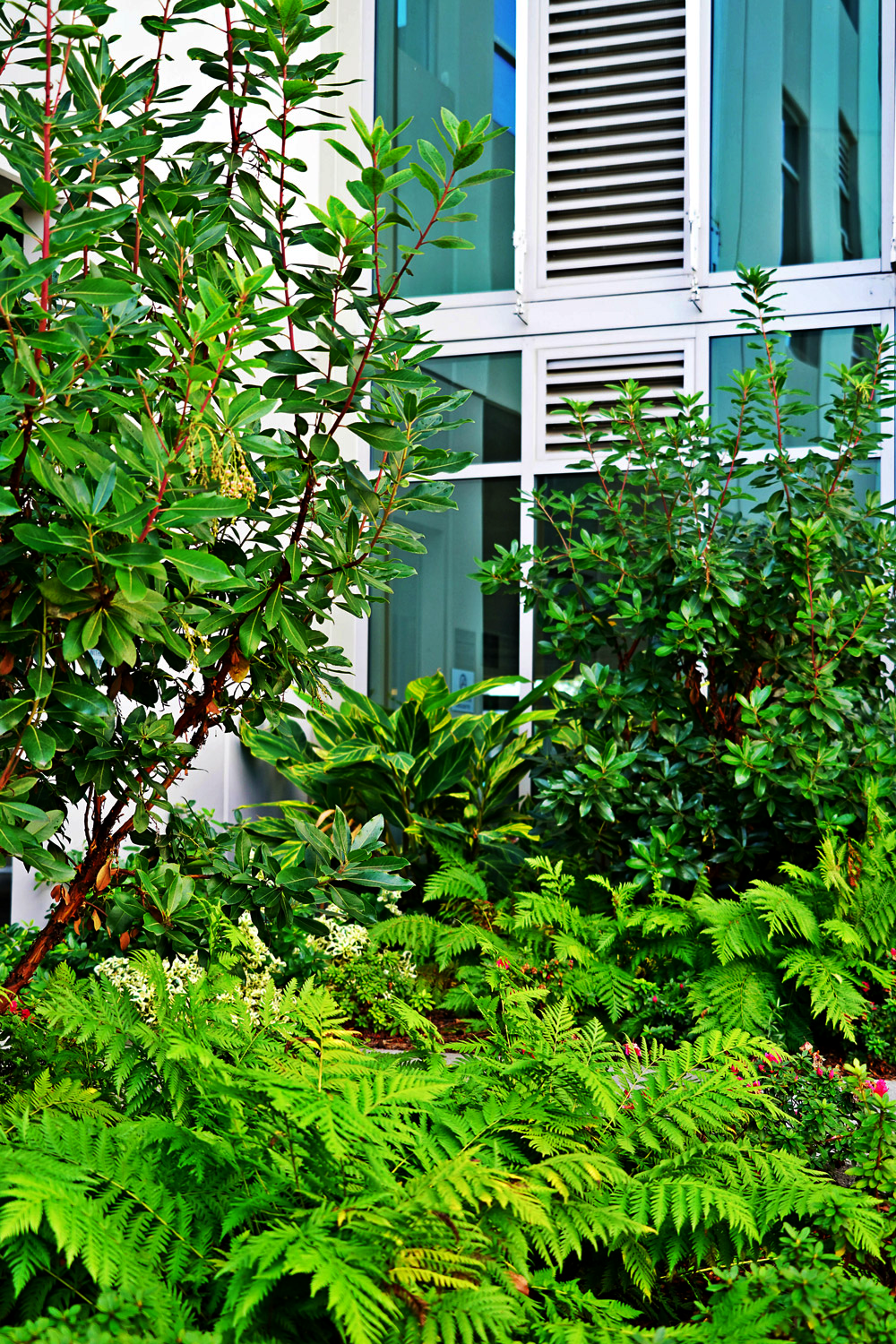
Arbutus unedo, Strawberry Tree

Aloe ‘Blue Elf’

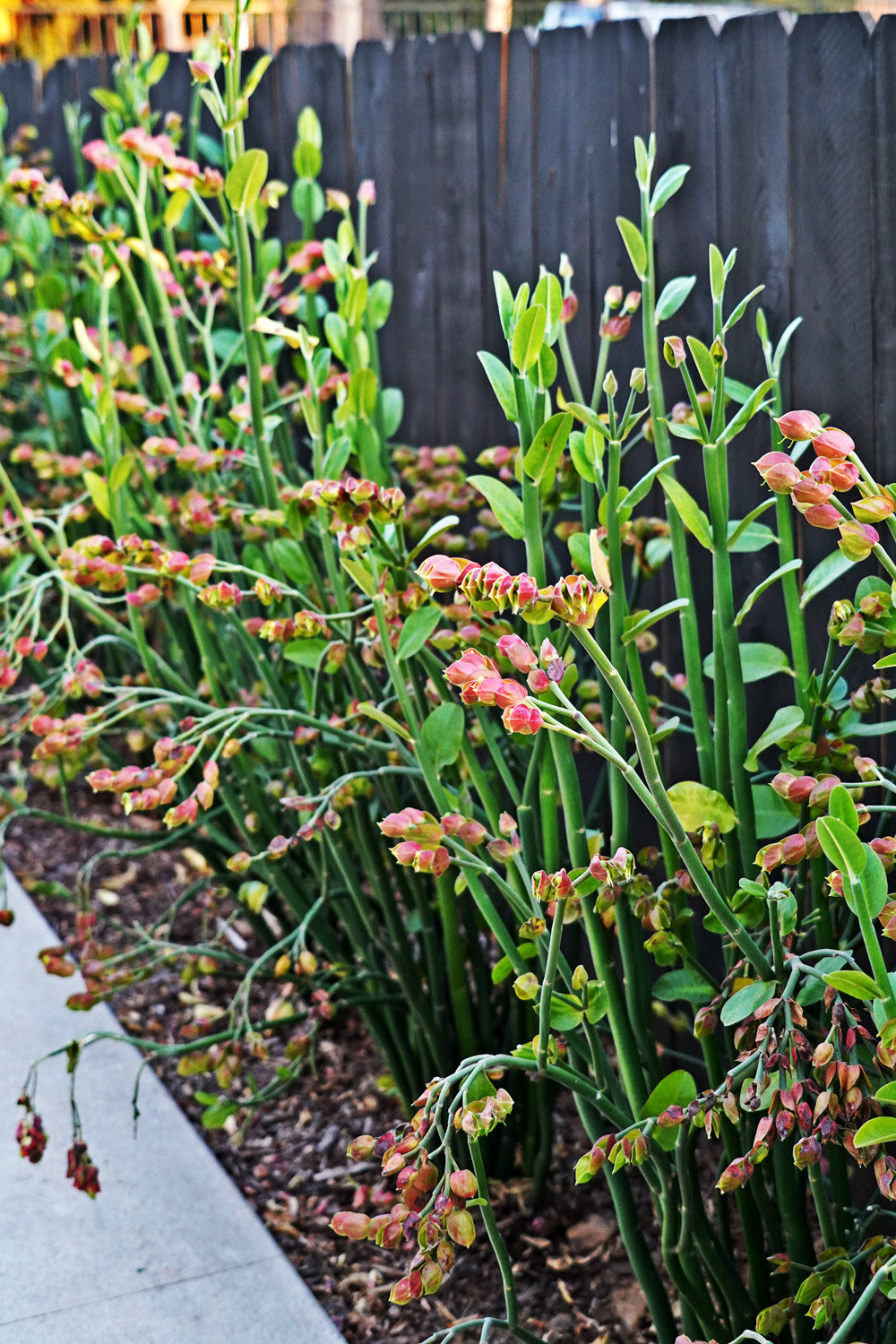
Pedilanthus bracteatus, Slipper Plant


LANDSCAPE DESIGN that “REWILDS” THE MIND AND SPIRIT

mcla-naby.jpg

By Nabyl Miller, Senior Associate

The idea of “rewilding” spaces to better connect people to their environment is a design style that is popular with landscape designers. McCullough’s Senior Associate Nabyl Miller recently wrote “Rewilding the Minds,” an article featured in the San Diego Business Journal. In the article Miller discusses the style of “rewilding”, which uses native plant material and intentionally designs the space in a disorderly manner. This style mimics nature as opposed to a “managed” style.


DAVID MCCULLOUGH TO TEACH AT six-day RETREAT IN PATZCUARO, MEXICO

shambhala-casa-werma-mccullough.png

David McCullough along with Kristen Victor of Sustainability Matters and green lifestyle-design strategist Kim Nadel will lead a six-day program from January 16 through 21 in Patzcuaro, Mexico. The retreat’s theme “Catalyzing Communities for a Regenerative World” is in alignment with the Paris Agreement and United Nations’ goals for climate control. Participants will collaborate to cultivate a shared, authentic vision for the communities of the City of Patzcuaro, and develop sustainable systems to promote prosperity, health and well-being for the city. The week will include meditation, visualization, placemaking, local cuisine, field trips, community planning and talks on innovative design.

Get the new year rolling with David at this exceptional retreat at the beautiful Casa Werma, a “Pueblo Magico” in Patzcuaro, Mexico.

Register today →

Multiple Casino Expansions for the San Pasqual Band of Mission Indians

The photos above are from our recently completed expansion with Delawie at Valley View Casino, Summer 2019.

VALLEY VIEW CASINO: EXPANSION
Client: San Pasqual Band of Mission Indians
Architect: JCJ Architecture
Tenant: Valley View Casino, Master Plan of Casino Expansion
General Contractor: Swinerton
Date: 2005
Sector: Hospitality
Size: +/- 4 Acres
McCullough Project Manager: David McCullough, PLA, ASLA
Services: landscape design, environmental planning, master planning of initial casino expansion

In 2005, McCullough worked with a nationally recognized architecture firm, JCJ Architecture on the Valley View Casino master plan. The indigenous people, the San Pasqual Band of Mission Indians operated a casino in Valley Center which was small at the time. However, they had big plans to make their reservation site a regionally recognized gaming center inclusive of several casino expansions and an added resort hotel.

The natural landscape they reside on is arguably the most beautiful in Valley Center and northern San Diego County. Perched on a steep hillside, this property is at the far south end of a grand valley with panoramic views of Palomar Mountain and the Hellhole Canyon Preserve. The property in whole is roughly 40 acres. A large majority of that was steep hillside with a solid foundation of granite rock. McCullough had worked with tribes for many years leading up to this project at Viejas in Alpine, Paiute in Bishop, Running Creek in Upper Lake and others throughout California.

The first phase of the project led to expansion of the existing casino, which was always over-capacity for guests. Working with JCJ Architecture, McCullough helped to plan this first expansion; however, we were faced with three significant challenges.

Honoring the Tribe’s Cultural Roots
The deep knowledge and respect that the indigenous people have for the land is part of their culture and was embraced by our team throughout the project. Just as on any site we approach, sacred elements needed to be respected and treated with great care. Some examples are the burial grounds, certain plant and animal species and cultural sites that hold special significance to the tribe. After a couple of iterations with the architect and the tribe, we arrived upon a master plan for the site.

Mindful Design for Sustainability and Future Expansion
First, the tribe was bound to keep all waste on-site. In order to make that a sustainable plan for the future, the construction of a sewage treatment plant for the facilities housed on-site was built. To complicate matters, the treated water could not leave the site. Our solution was to utilize all the treated water on the site for plant material irrigation. We chose plant material that would thrive in this condition and developed a special irrigation system for effluent water. In addition, McCullough designed a special system which would atomize the water and release excess into the air if more water was produced than needed by the plant material.

Second, the foundation for the site was solid granite, which is great for a building foundation but very difficult for plant material. After the site was bulk-graded with the use of large equipment and dynamite, a large embankment was created which looked like a broken granite cliff. The client requested that we find aesthetic solutions for this embankment. We suggested that the cliff be highlighted and planted wherever possible, along with restoring of the rock face to emphasize its natural appeal. This granite face at the entry to the casino and hotel are now a prominent, defining feature of the property.

The last obstacle was in connection to the tribe’s goal to expand over time. To accomplish this, they required flexibility for easy expandability of the irrigation system and its controls. We worked closely with the irrigation manufacturer to design an irrigation loop and what is called a “two-wire” irrigation system. This two-wire system allows for endless expandability without disrupting the existing system.

The natural landscape and indigenous culture defined the design for this casino and hotel.

This feature became important when, a couple years after the first casino expansion, McCullough was brought back to assist in the design along with JMA Architecture. The tribe’s goal was to build a luxury hotel to accommodate the “high roller” and weekend guests. With incredible views, the aesthetics of the accommodations were inspired by the valley and surrounding mountain ranges. This led to an opportunity to design a pool area on the edge of the hotel and hillside with a 65’ vanishing edge of water that appears to fall off into the valley. The pool and spa also reflect the blue skies and silhouette of the Palomar mountain range.

Enhancing the Casino Experience
An additional expansion was recently completed this past summer. McCullough, in collaboration with the local architecture firm Delawie and general contractor Swinerton, a stunning entry was designed to give guests a unique experience when arriving at the casino under what is now a breathtaking porte cochere. McCullough worked with raw steel, stone and natural wood to tie the aesthetics back to nature. The mountains are represented by raised steel planters and full-grown native trees were placed under the cantilever of the porte cochere, which pierce through holes designed in the canopy. Upon arrival guests feel the vitality of the casino environment contrasted by the calming serenity of nature.

David McCullough, PLA, ASLA
Principal Landscape Architect

View more projects like this →

(photo courtesy of Valley View Casino & Hotel)
VALLEY VIEW HOTEL
Client:
San Pasqual Band of Mission Indians
Architect: JMA Architecture
Tenant: Valley View Hotel
General Contractor: Swinerton
Date: 2007
Sector: Hospitality
Size: +/- 4 Acres
McCullough Project Manager: David McCullough, PLA, ASLA
Services: landscape design, environmental planning

(photo courtesy of Brian Doll)
VALLEY VIEW CASINO: ADDITIONAL EXPANSION
Client:
San Pasqual Band of Mission Indians
Architect: Delawie
Tenant: Valley View Casino
General Contractor: Swinerton
Date: 2019
Sector: Hospitality
Size: +/- 4 Acres
McCullough Project Manager: David McCullough, PLA, ASLA
Services: landscape design, environmental planning for 2nd casino expansion


McCullough Seeks Landscape Designer/Architect to Join Our Firm

Calling all landscape designers/architects—we have an opportunity for you to join our energetic team of talented designers in San Diego. We're now accepting applications for an Associate Landscape Designer/Architect.

mccullough-join-our-team-blog.jpg

Associate Landscape Designer/Architect

McCullough is a growing, studio-style landscape architecture, planning and urban design firm in the Makers Quarter, East Village of downtown San Diego. Our collaborative approach to design provides a fun atmosphere and synergistic working environment. Our studio designs for the end-user and strives to bring all into the process of engaging the human spirit with nature. The result is a broad learning experience for the entire team and quality product for our client.

McCullough seeks a full-time landscape designer/architect with at least 3-5 years of project management experience and a degree in one of the following: landscape architecture, architecture, urban design or planning. Ideal candidate would be detail-oriented and proficient in Sketch Up, Photoshop, as well as AutoCAD 2014+ and LandFx. The successful candidate would have strong independent creative design, project management, construction document and construction administration experience. LEED accreditation or sustainable design experience is a plus. Critical thinking, problem solving, time management, as well as excellent written and verbal communication skills will set this candidate apart.

Join an energetic, creative team of designers where self-expression is encouraged. We collaborate on diverse projects types such as mixed-use, urban renewal, public sector, education, institutional, as well as hospitality and entertainment. Salary is commensurate with experience. Comprehensive pre-tax medical/dental/vision benefits, 401k and flexible spending accounts, as well as downtown parking is provided.

McCullough is an Equal Opportunity Employer

Send your resume with salary expectations to info@mlasd.com →