• Home
  • Portfolio
  • About
  • News
  • Contact
  • Detail
  • More Detail
  • Home
  • Portfolio
  • About
  • News
  • Contact
  • Detail
  • More Detail

McCullough Landscape Architecture, Inc.

703 16th Street, Suite 100 San Diego, California 92101

P (619) 296-3150 F (619) 501-7725

info@mcculloughla.com

Landscape Architecture Firm is Risk that Paid Off
June 21, 2023  /  Catherine McCullough

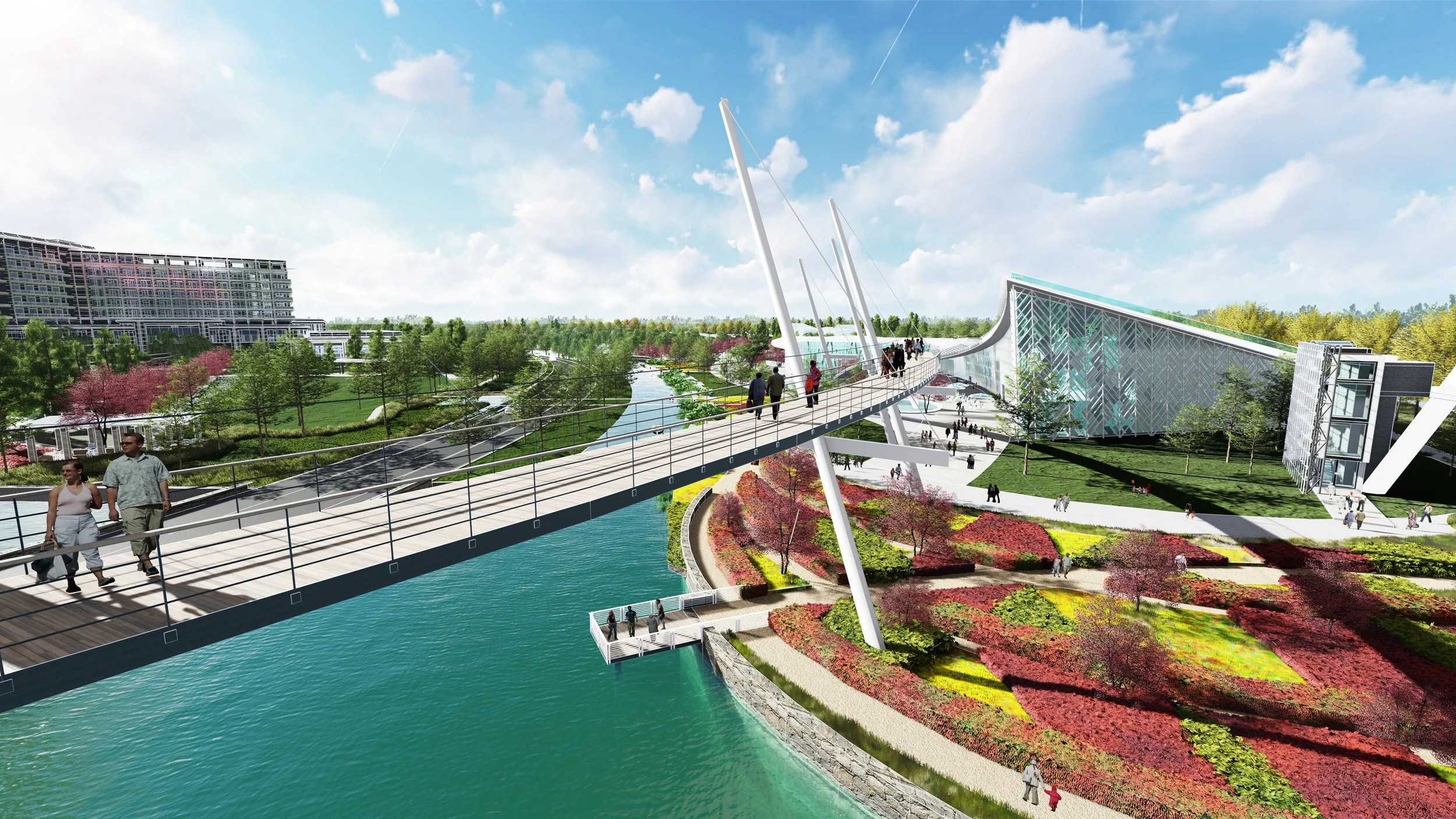
McCullough Landscape Architecture is working on the design of a mixed-use community in China

San Diego Business Journal

By Ray Huard

May 31, 2023

DESIGN: McCullough Working on Big Local, Int’l Projects

When David McCullough opened his own landscape architecture firm in 1999, he took a big risk.

His wife, Catherine McCullough, was pregnant, they had just bought a house, and the firm was just David, working out of a small office in the Gaslamp Quarter on 5th Avenue near the San Diego Convention Center.

He’d been working for another landscape architecture firm.

“I decided, you know what, I can do this on my own,” McCullough said. “It all worked out, fortunately.”

Catherine McCullough took a risk of her own, giving up a lucrative marketing career to join her husband in 2001.

David McCullough, ASLA, PLA
Founder and Principal Landscape Architect
McCullough Landscape Architecture

“We had our first child and a mortgage, and we already had taken a huge leap, so this was a second big leap to try to run a business together,” McCullough said. “In retrospect, I look back at it now and think, ‘Oh my God, what was I thinking?’”

Catherine McCullough took over the business end of the firm as CEO in 2002, and from those risky, early days, McCullough has grown, moving its headquarters to Hillcrest and expanding its staff to 15.

So, too, have the projects it does, reaching as far away as China.

McCullough Landscape is working with Gafcon as the landscape architect on the first two phases of Zizhu High Tech Industrial City – an 800-acre community in South Shanghai surrounded by a river and canals.

The first two phases include a lake, a commercial district, hotel, family entertainment park, arboretum and artist community.

As described by McCullough, the firm was asked to study the gardens that will surround a business hotel. The installation, known as the Purple Garden, will be on an island at the perimeter of Purple Lake, spanning nearly 100 acres and connecting both sides of the Huangpu River with a pedestrian-focused park system.

“As the landscape architect, we’re the ones dealing with everything that has to do with the site and stitching together the various architectural pieces with what we call the public realm,” McCullough said.

Closer to home, McCullough Landscape in 2013 was chosen as the landscape architect for San Diego State University.

The firm also is working with the City of Santee and architect Mark Steele, founder and president of the MW Steele Group, on the design of an arts district and updating the city’s specific plan.

The firm also is working with Toll Brothers and the North County Transit District on the redevelopment of the 10.20-acre site of the Oceanside Transit Center.

“It’s just an incredibly exciting project for me, because I just feel that Oceanside is such an incredible community,” said McCullough, who says he sort of fell into a career in landscape architecture.

In high school, McCullough wanted to be an architect. But when he got to Ventura College, a career counselor said that architecture was listed as an impacted program, meaning that there were lots of people wanting to take architecture courses. The counselor suggested landscape architecture as an alternative.

“My grandmother asked me why I wanted to mow lawns for the rest of my life. I had no idea what it was. Landscape architect wasn’t even a term for me,” McCullough said.

He quickly learned through an introductory course he took at Ventura College, before transferring to California Polytechnic University San Luis Obispo, where he earned a bachelor’s degree in landscape architecture.

“It’s such a broad profession,” McCullough said. “There are so many aspects. You have the ability to sort of design the profession the way you want it.”

McCullough said that the governing philosophy of landscape architecture has long been to preserve nature, but how that is interpreted has shifted.

“In the past, the way we would preserve nature is, we would put up fences around it and tell human beings to stay out,” McCullough said. “We’ve learned how to protect it. We’re pretty good at that as human beings. The next part is how do we become part of it in a symbiotic way.”


McCullough Landscape Architecture

Founded: 1999
Headquarters: Hillcrest
CEO and President: Catherine McCullough, FSMPS, CPSM
Business: Landscape Architecture + Urban Design
Employees: 16
Website: www.McCulloughLA.com
Contact: 619-296-3150


Comment 0 Likes
Welcome to the Team, Will!

June 21, 2023  /  Catherine McCullough

McCullough is pleased to welcome Will Glockner to the team as our Summer Intern.

Will is an accomplished professional with a background in Engineering Psychology (Human Factors Engineering) and Biomedical Engineering from Tufts University. He possesses a diverse skillset spanning various areas such as ergonomics, psychology, design, engineering, product development, research, sales automation, UI/UX, and front-end coding. Will recently left the tech industry to pursue his passion for Landscape Architecture at the University of Arizona and is concurrently enrolled in UC Davis’ CE Program studying Oenology and Vineyard Management.

In the world of Landscape Architecture, Will has already been the lead designer for a project with the San Elijo Conservancy where he designed a wetland restoration and demonstration native garden. He is thrilled to be interning with McCullough Landscape Architecture to further hone his skillset. When Will is out of the office, he enjoys utilizing his extensive knowledge in Engineering, Psychology, Oenology, and Landscape Architecture to design Destination Agricultural Sites that utilize existing, natural feedback systems to restore degraded ecosystems and encourage wholistic farm/ranch management. Through this work, he hopes to enhance the aesthetics, profitability, resilience, and sustainability of small agricultural operations across the United States. 

A little-known fact about Will is that he has his PADI AOW (advanced open water) certificate with NITROX and enjoys spearfishing and diving around the globe.


Comment 0 Likes

Nature – Defined.

May 24, 2023  /  David McCullough

1.png 2.png 3.png 4.png 5.png 6.png 7.png

The term nature has come up in conversation lately, and for the sake of a better understanding of what the profession of landscape architecture is, here is a broken-down definition of “nature” from our perspective. With our passion for engaging the human spirit with nature, McCullough seeks to provide a benefit to the communities we live in through a better understanding of the context around this term.

“Nature” as defined by “the external world” or “natural scenery” or simply everything that is NOT man-made is often misunderstood, yet appreciated, and sometimes feared, in large, by many people.

In 2005, author Richard Louv wrote Last Child in the Woods: Saving Our Children From Nature-Deficit Disorder sparking a renewed interest in the importance of “nature” in childhood health and development.  In 2007 the No Child Left Inside Coalition formed. And in 2022 Congress passed the No Child Left Inside Act. This was all the result of growing societal concerns that childhood lack of exposure to nature was a primary source of degrading health for humanity in the 21st century.  We have all watched as our children’s attention has become preoccupied by screens and electronic devices.  The concern extends beyond children to all people, as we have built barriers between us and nature for centuries now.

In fact, nature deficit disorder is a well-documented concern and greater access to nature itself is one of the best remedies. Nature has many health and wellness benefits to children, and all people regardless of race, socio-economic level, or gender.  Studies have found that nature is critical to:

  • boosting the immune system

  • lowering blood pressure

  • reducing stress

  • improving mood

  • increasing ability to focus, even in children with ADHD

  • accelerating recovery from surgery or illness

  • increasing energy level

  • improving sleep

(Source:  New York State Department of Environmental Conservation)

“Spending at least 120 minutes a week in nature is associated with good health and wellbeing.” (source: Nature.com)

"The facts are clear. According to the Centers for Disease Control, the impact of chronic health conditions such as heart disease and type 2 diabetes is staggering. Mental health illnesses such as pediatric depression, anxiety, loneliness, and feelings of isolation, all of which are related to poor health outcomes, are at an all-time high. Many of these conditions are preventable. All are costly. The incidence of chronic disease is higher among low-income children, children of color, and those with disabilities. Yet due to the high costs of care and uneven access, as a society we are experiencing a broad equity gap related to health outcomes. Exposure to nature is a low-cost, readily available resource for combating many of the conditions which contribute to chronic illness health inequity and high healthcare costs. However, there is a gap in evidence guiding the implementation of integrating nature into clinical and public health practice." (Source: Center for Nature and Health)

It goes without dispute then, that nature has a significant value to society. So then, what is nature? Is it biophilia, “the passionate love of life and of all that is alive.”? (Erich Fromm in The Anatomy of Human Destructiveness (1973).

Perhaps partially, but we believe it is bigger than just biologic elements and living organisms. It’s not just what some people refer to as “green.”  For example, nature is the way the wind blows predominantly across the cold Pacific Ocean, cooling the California Coast. Or, the way humans will ordinarily take the shortest and easiest path from point A to point B. Nature is the way sunlight is converted from light energy into chemical energy through photosynthesis. Nature is also the way in which people interact with each other and their environments daily. Nature is also the way that steel rusts and copper patinas. Nature is the way that organisms reproduce. Nature is entropy, the cycle of life, the seasons, and the relationships between elements. Nature is physics, chemistry, mathematics, and the arts. Nature is in everything and consists of everything. Nature is highly complex and incredibly simple.

So, what does this mean for us as landscape architects and urban designers? To start, a basic understanding of the complex natural world is difficult at best but important. An understanding of human psychology, economics, politics, and general sociology are necessary. We need some understanding of the weather, micro and macroclimates, soil compositions and geology, geography, stormwater management, plant/wildlife habitats, and complex relationships between organisms.  We also need a bit of understanding of architecture, civil engineering, structural design, interiors, horticulture, and mechanical engineering, to name just a few. Everything we do must encompass all of these components because it’s not just about making a place but creating multi-sensory, healthy environments for people.

Landscape architecture, and what we do at McCullough, is way more than what any one person can even hope to understand, and that brings me to the point: What is nature?

Nature is a complex series of imperfections that come together in the most beautiful way to work…perfectly.

This, we believe is the key to what we do. It is not perfection, as the pursuit of perfection is a problem. Humans are attracted to perfection but it’s not achievable, nor should we aspire to it. Imperfection is nature; it’s diverse, complicated, it’s not always comfortable or easy. With this bit of insight I think we can better represent the thing that Richard Louv explained so perfectly, “Nature is not only nice to have, but it’s a have-to-have for physical health and cognitive functioning.”  If in fact science has identified nature as such an important factor to human wellbeing, then we need to start with a clear understanding of what it is. Most importantly, we believe that it is not perfection.

Nature is grit (it endures the test of time), it is soul (the parts of many), and it is style (a design or make in a particular form). We define nature and lay it out here because we believe if others consider nature as more than it is currently conceived then perhaps, we can get closer to realizing it, woven, closer in all our daily lives. 

“Some beautiful things are more dazzling when they are still imperfect than when they have been too perfectly crafted.”

-François VI, duc de La Rochefoucauld

Nature is…

  • Diverse

  • Always changing

  • Sometimes messy

  • Imperfect

  • Sometimes green but more often not

  • It’s composed of many parts

  • Often unpredictable

  • Humanity is part of it and cannot exist without it

  • It is physical (but it can also be metaphysical)

  • It’s the wind blowing through tall grass

  • It’s the sun reflecting a thin leaf

  • It’s what we aspire to do and create because it’s what people need most in our rapidly changing, unnatural world

Nature IS…

Kids playing at a broken fire hydrant

 Image courtesy of Getty Images/Mario Tama

Image courtesy of Getty Images/Mario Tama

The way glass breaks

Image by David McCullough

A crack in the sidewalk

Image by David McCullough

The way a neighborhood develops

Image courtesy of iStock

The way graffiti artists paint

Image by kellinahandbasket/Flickr/Creative Commons License

The way plants grow…anywhere

Image by David McCullough

Image by crackoala

Image by Romain JL

Image by David McCullough

The way buildings and the built environment entropy

Image by David McCullough

Image by David McCullough

The way people take over the street

Image by David McCullough

The way leaves gather in unnatural places

Image by David McCullough

The way new uses replace the old

Image by David McCullough

Sunlight reflecting through the leaves

McCullough Project: Oberlin Tech

The rolling hills

McCullough Project: Tour d’ Elegance

The sound of falling water

McCullough Project: Sapphire Multifamily Development

Fire

McCullough Project: Viejas Hotel

Human relationships

McCullough Project: Crack Shack Little Italy

Composition

McCullough Project: The Campus on Villa La Jolla

The Ocean

McCullough Project: La Jolla Cove, Plant Improvement and Slope Stabilization

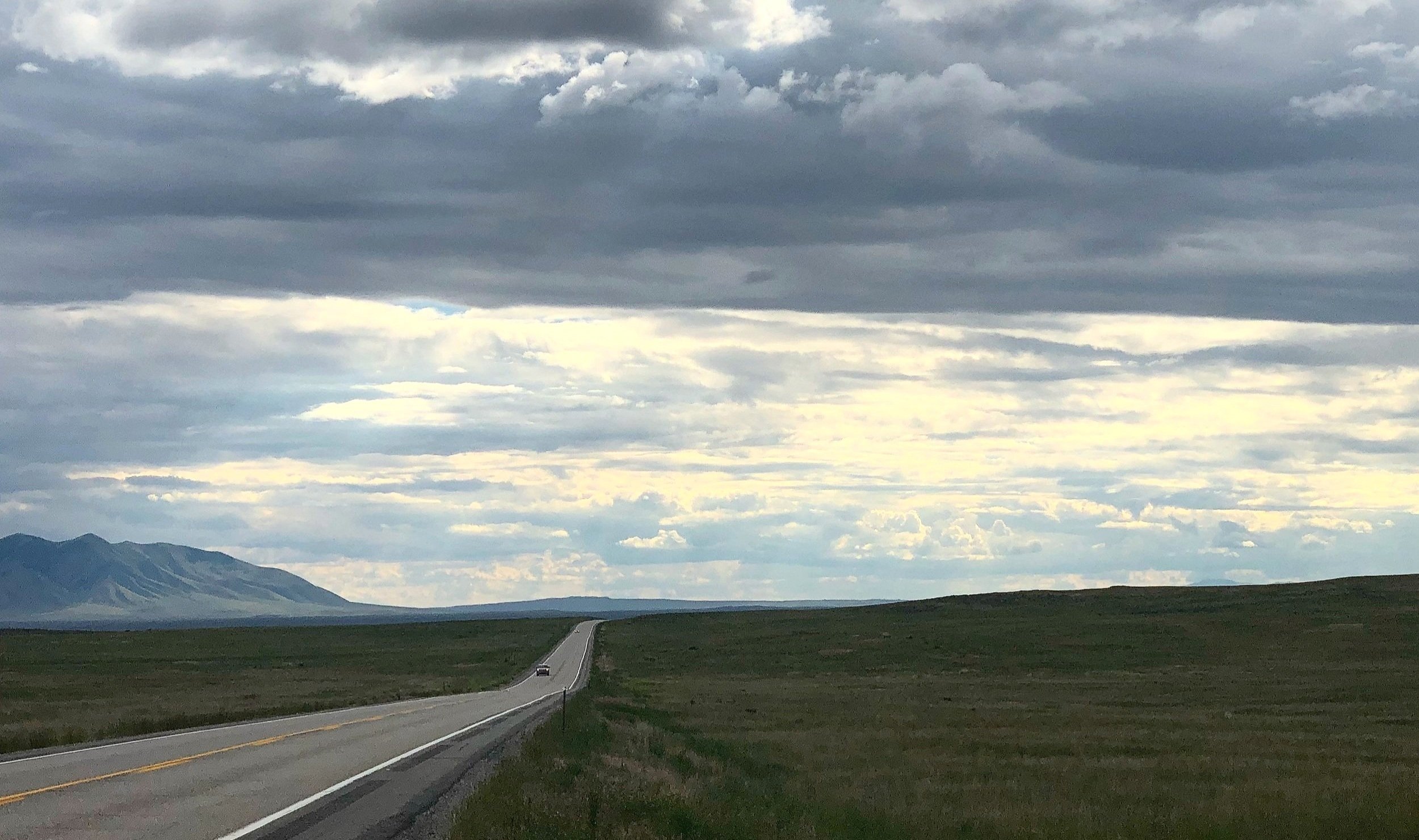
The endless road

Image by David McCullough

HUMANITY

Image by David McCullough


1 Comment 0 Likes

GradLabs: Reflecting Back on Years of Design Excellence and Ecosystem Restoration

May 22, 2023  /  David McCullough

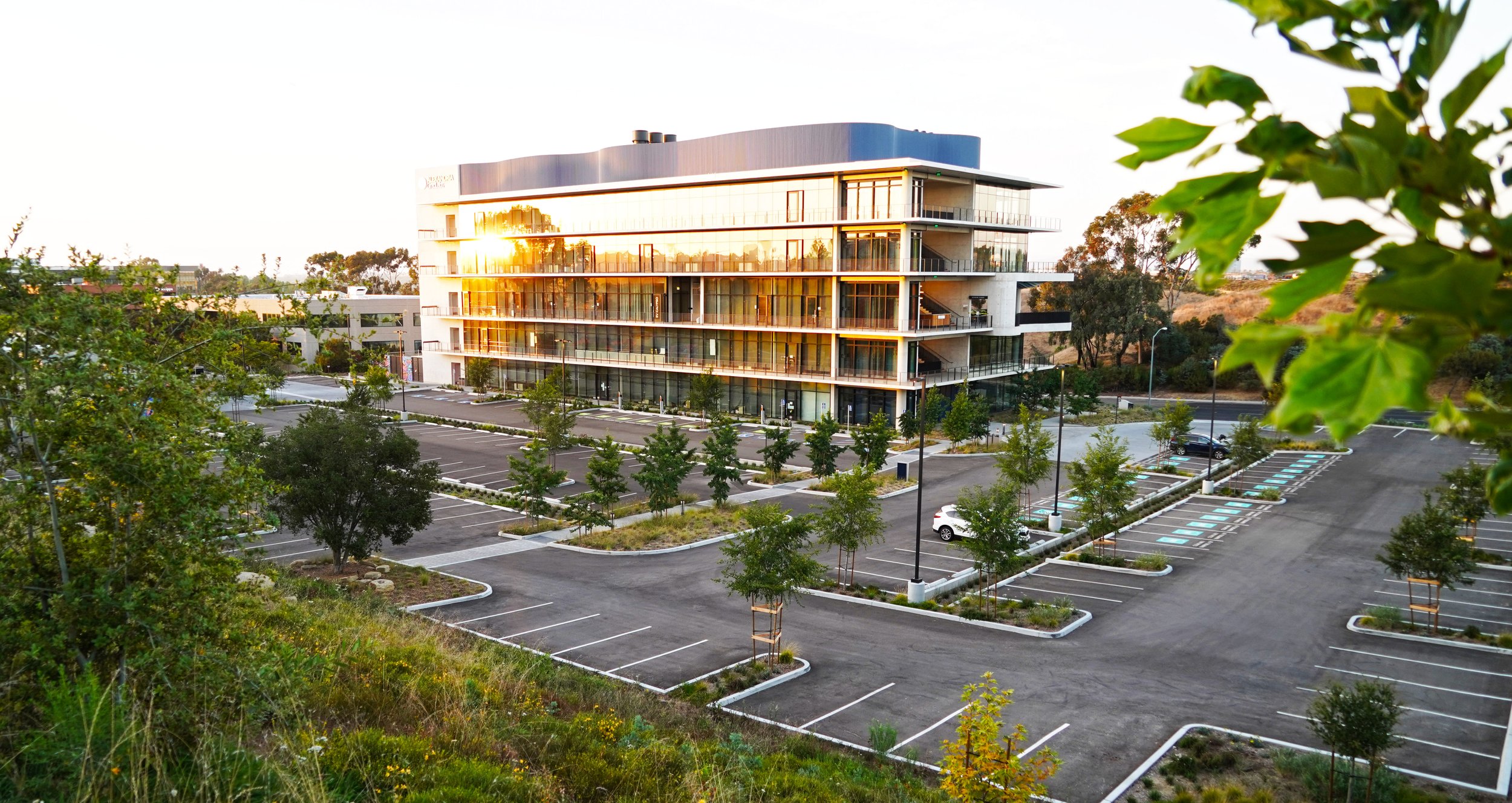
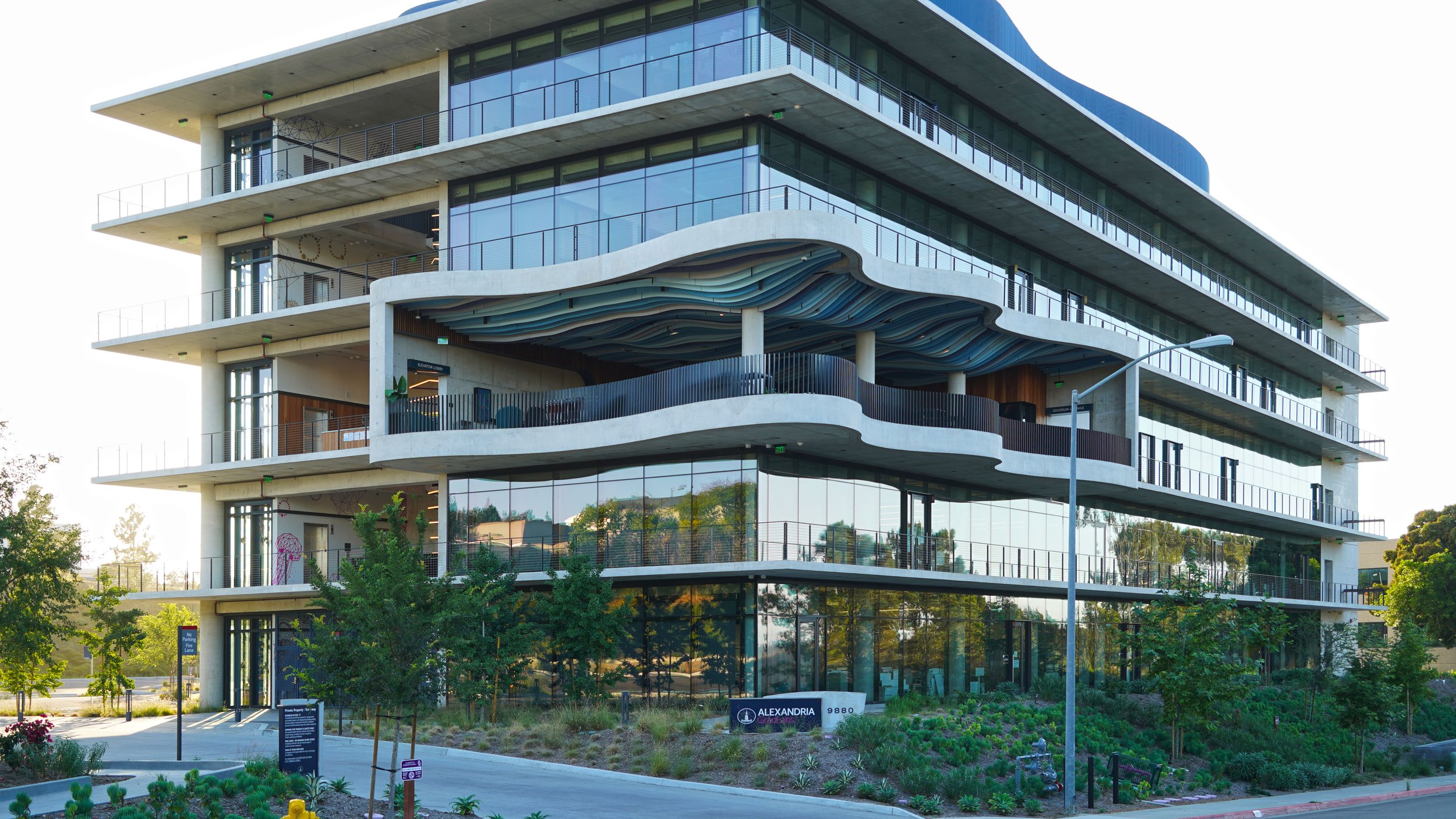
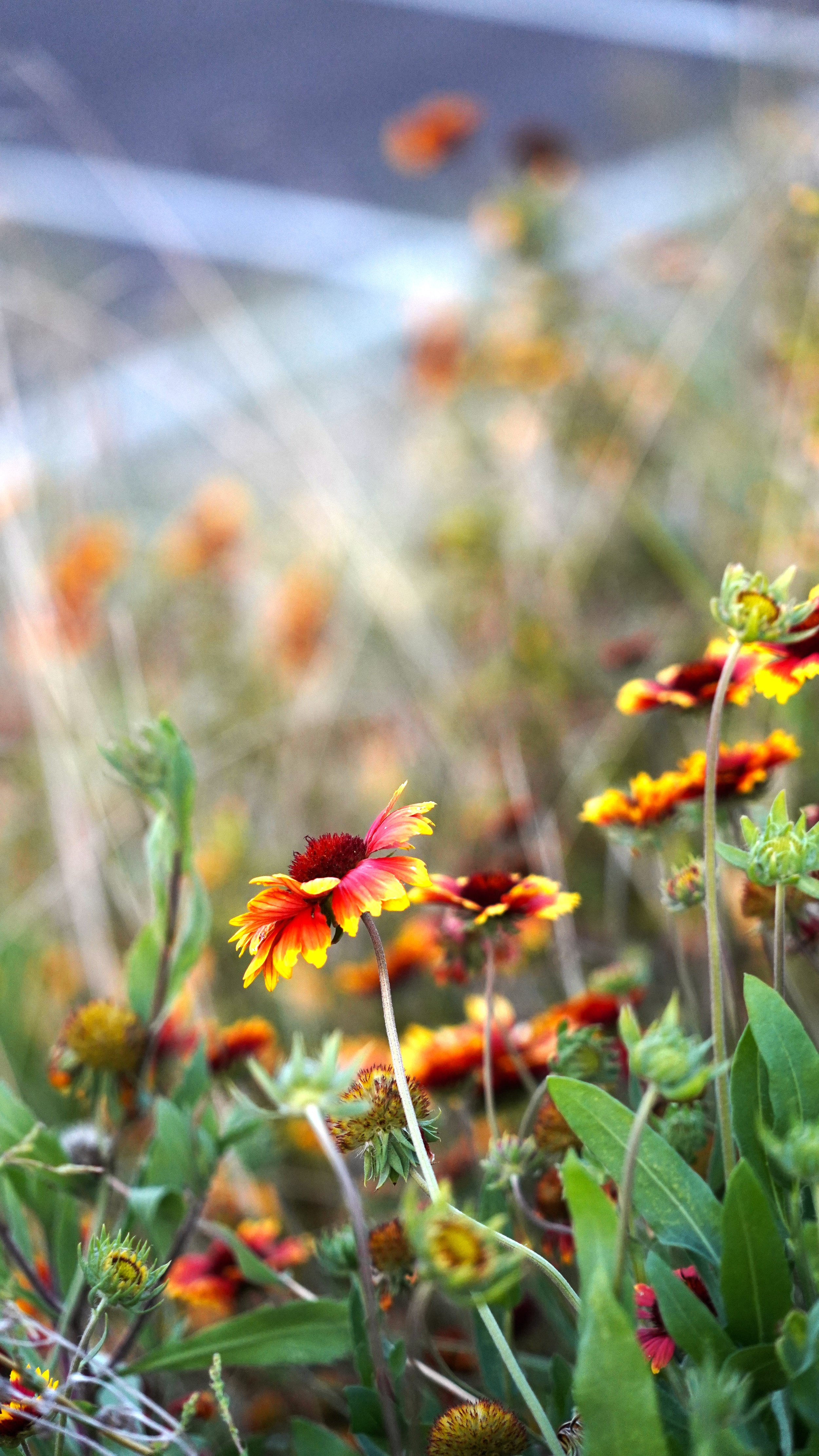
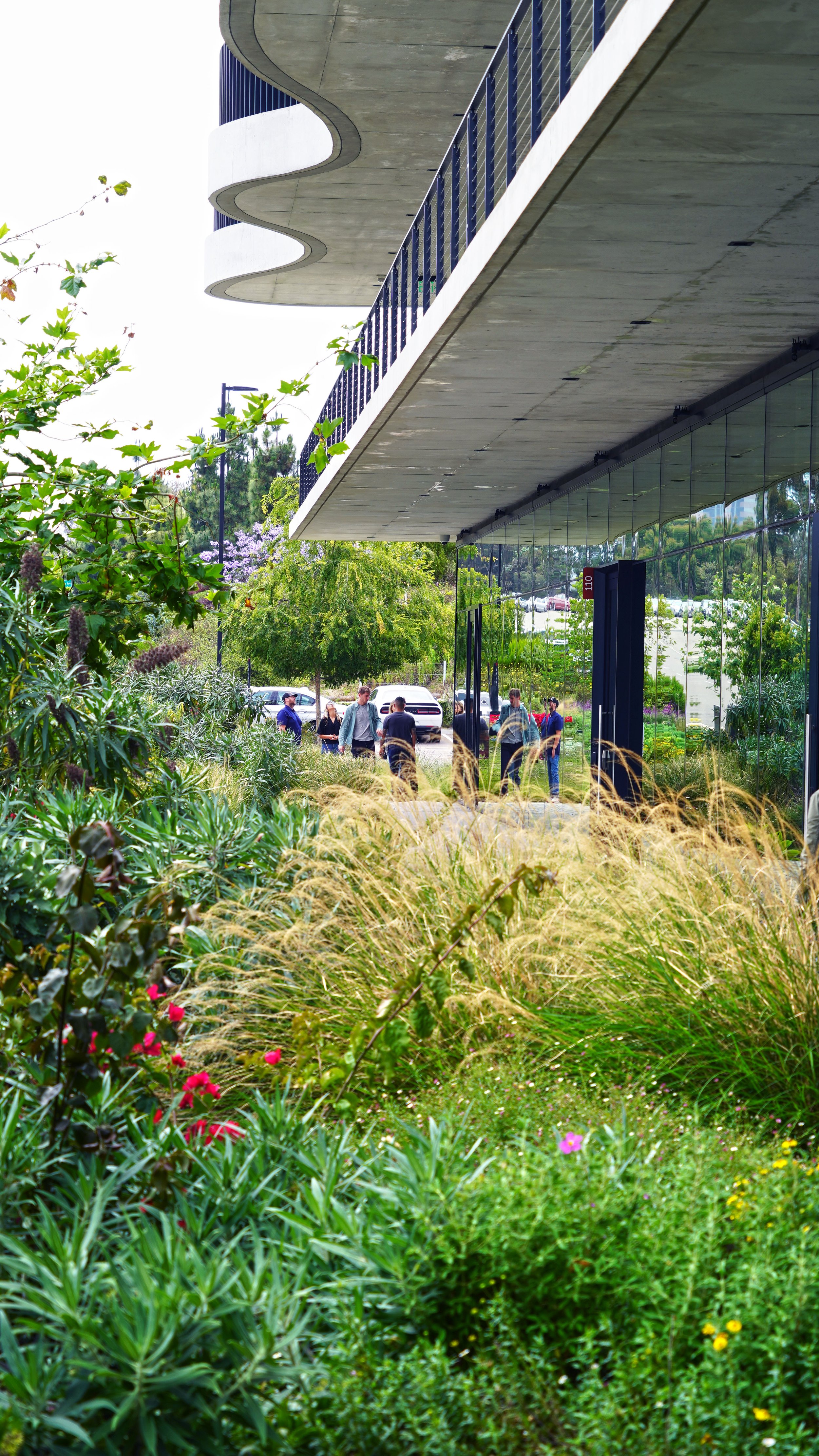
GradLabs, the innovative project situated in San Diego's University Towne Centre (UTC) community, has been a testament to the successful collaboration between McCullough, DGA, and Alexandria Real Estate Equities. Starting in July 2017, the project brought together the expertise of McCullough and DGA, who meticulously designed a cohesive vision for Alexandria, the property owner. Nestled amidst notable destinations like the renowned Green Acre at Campus Pointe, GradLabs occupies a prime location, bordered by a picturesque hillside to the west and the stunning Sorrento Valley to the east.

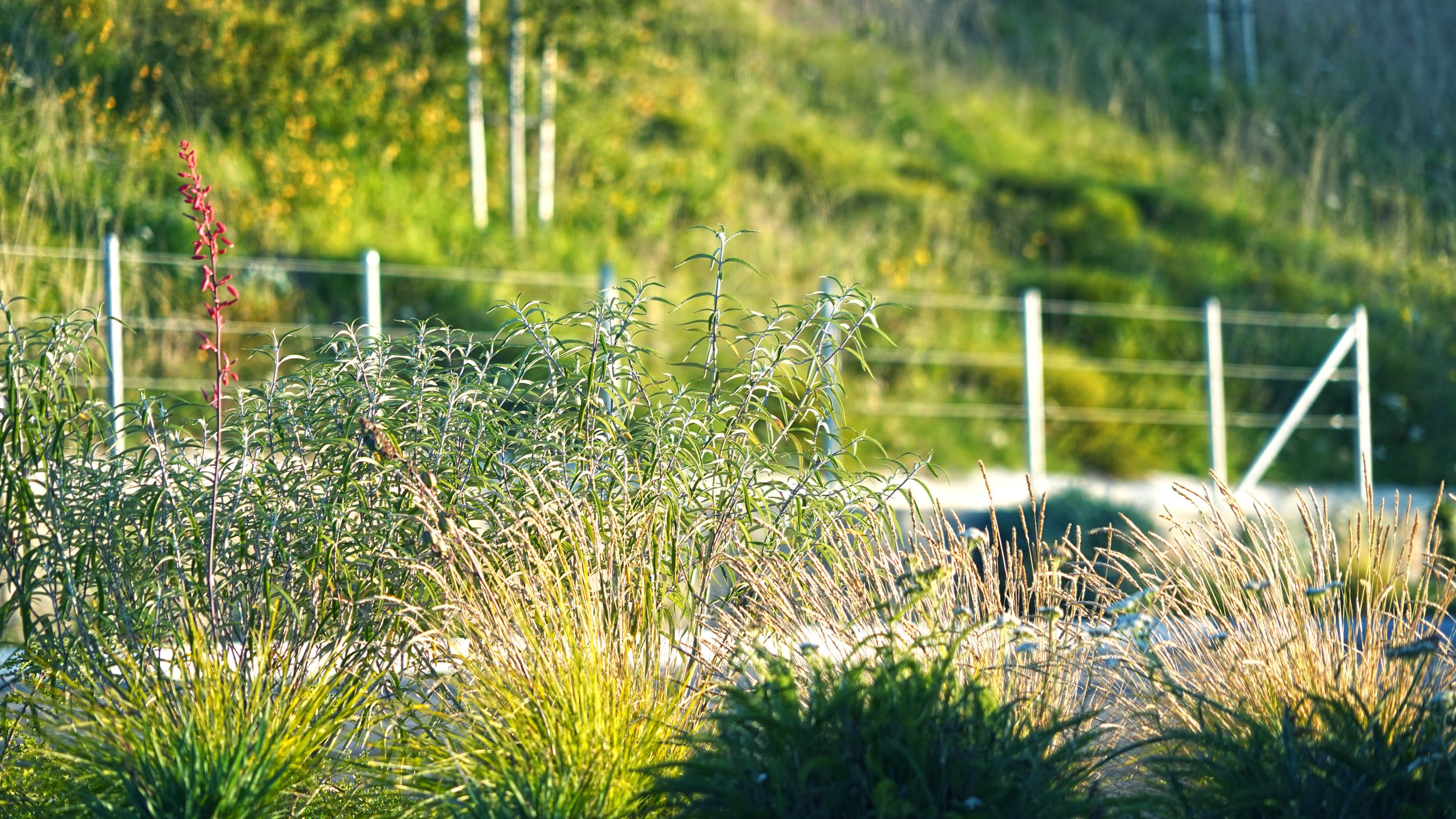
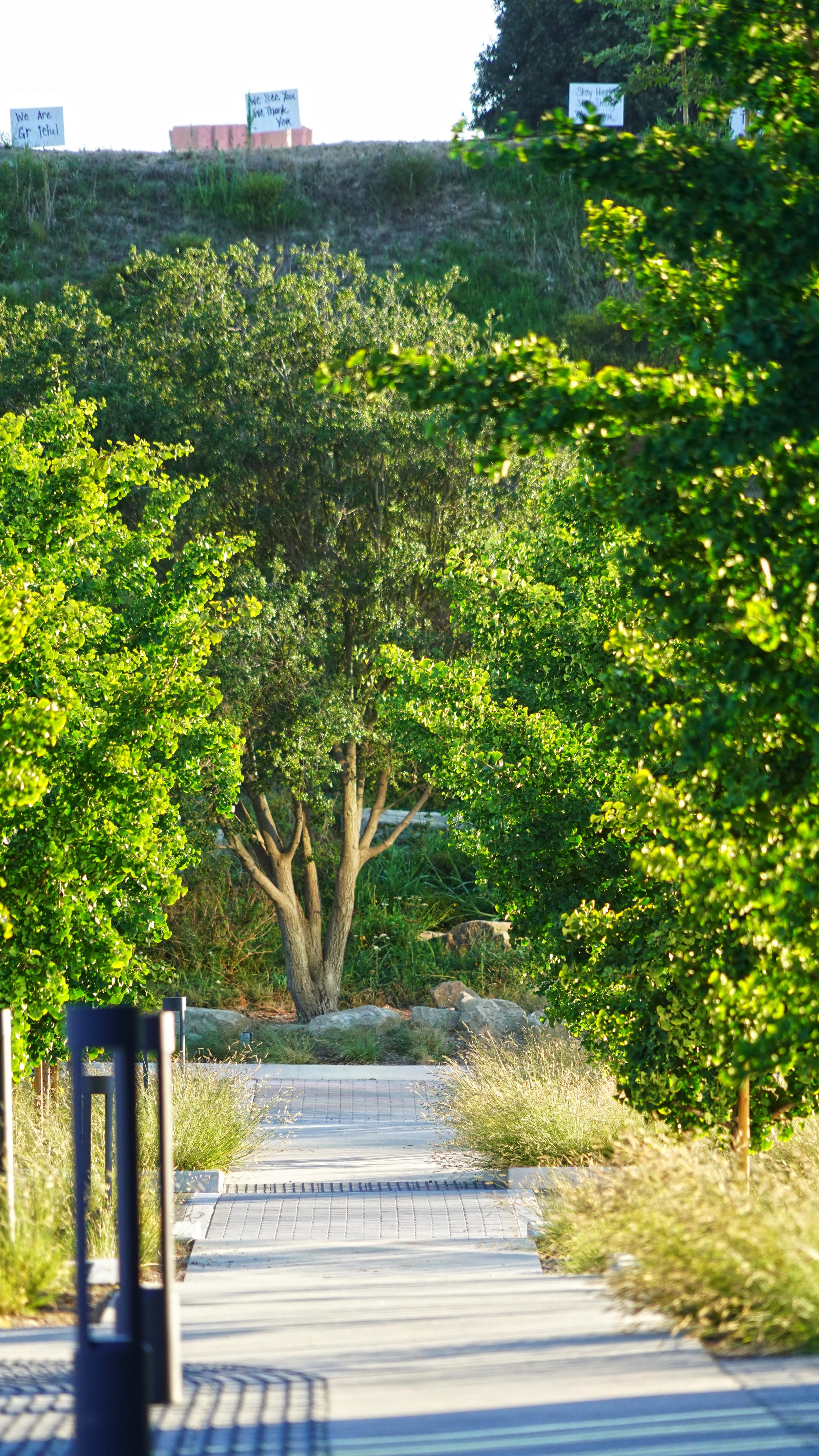
The centerpiece of the site is a five-story, 98,000 square foot building that will serves as an incubator environment for scientific innovators and researchers. The design approach seamlessly integrates the indoor and outdoor spaces, with the eastern part of the building mirroring the organic shapes found in the surrounding landscape. The site itself emerges as an architectural manifestation, blending harmoniously with its natural surroundings. Drawing inspiration from the Coastal Sage Scrub, the plant palette evokes a sense of place, while a native hydroseed mix blankets the steep hillsides. Notable features include an impressive 80-inch box specimen olive tree, elegantly juxtaposed against the backdrop of large natural boulders at the point of entry. Additionally, a functional bio-filtration planting area acts as a buffer to capture and treat stormwater runoff, providing an environmentally conscious solution. Combined, these carefully crafted elements come together to create a visually captivating and engaging experience for all who visit GradLabs.

aaDSC06122.jpg
aaDSC06075.jpg
aaDSC06125.jpg
aDSC07485.jpg
aaDSC06103.jpg
aaDSC06087.jpg
aaDSC06069.jpg
aaDSC06122.jpg aaDSC06075.jpg aaDSC06125.jpg aDSC07485.jpg aaDSC06103.jpg aaDSC06087.jpg aaDSC06069.jpg

A Journey of Sustainable Landscape Design

The GradLabs site sits at the edge of an important California ecosystem - the inner coastal Torrey Pines bluffs of California. Originally the home of what is today the last remaining earthly stand of the Torrey Pine Tree and the endangered Coastal Sage Scrub habitat, we recognize the importance of the site and its potential impact as it sits at this edge.  Since the site was the previous home of a business office complex it was clear there was an opportunity to have a positive impact on the local ecosystem by bringing back the natural cycles that occur along the hills in this region.

In California, natural landscapes are constantly evolving, the importance of replicating this natural progression in the design at GradLabs was readily apparent from the outset. Natural ecosystems are non-static, and they start with first-generation herbaceous plants after a fire or other disturbance (in this case, new construction). These plants quickly cover the ground, stabilizing the soil and providing nitrogen back into the soil, making it more fertile for the second generation of plant species. The second-generation plants take longer to root and grow but help to further stabilize the soil with deeper root systems. The third-generation plants slowly move in and are deep-rooted and well-established woody plants that provide perfect fauna habitat and food.  They also help to further the fertility of the soil and surrounding ecosystem.

Over many years, third generation plants become dense, and the soil becomes less rich with minerals and nutrients, as much of what is available is now being stored in the plant material. In the natural ecosystem, fires eventually come through an area and burn the plant material, and the cycle starts over. Our design ideology at GradLabs was to take and attempt to replicate this natural progression of the surrounding ecosystem - by incorporating different plant materials that mimic this natural progression.  The caveat here of course, was naturally occurring clearings through fire is not a sustainable human practice.  Therefore, care and attention were to be given here.  As the site is considered to be in a high-fire area, certain plant material was carefully left out of the mix to ensure that this site would remain “defensible space” in the event of a future fire.  No less, building users and guests can experience this natural progression occurring over the life cycles of the building and in the meantime, natural habitat for local flora and fauna are created.

A sustainable environment for this life science development in the University Town Center neighborhood of La Jolla, California was primary. The team worked diligently to ensure the site was not only visually stunning but also ecologically responsible. We took great care to ensure the landscape design integrated seamlessly with the surrounding natural systems and that it would have a minimal negative impact on the environment.

Another key contribution was the design of the central flow-through planters. These planters were strategically placed to capture and treat stormwater runoff from the parking lot. The planters were filled with native plants, which not only helped to filter pollutants from the water but also provided habitat for local wildlife that require riparian type habitats to thrive.

In addition to sustainable design features, we also created outdoor social and collaborative spaces and gardens for the building tenant. These spaces were carefully designed to provide opportunities for relaxation, reflection, and interaction with nature.  The team also incorporated various works of art around the campus, including sculptures, murals, and other artistic expressions. These pieces not only added visual interest to the site but also served as a reminder of the importance of creativity and innovation in the pursuit of sustainability. Overall, these contributions helped to create a sustainable, functional, and visually striking environment for this life science community in La Jolla.


Comment 0 Likes

Future of Sacramento: Insights from Bisnow's State of the Market Panel

May 17, 2023  /  Catherine McCullough

BISNOW Sacramento State of the Market | May 11, 2023

Earlier this month, the annual Bisnow Sacramento State of the Market event brought together industry leaders to discuss the future of the city. Among the esteemed panelists was David McCullough, Principal at McCullough, who shared valuable insights and perspectives on the opportunities and challenges facing the region.

David McCullough with Robert Lindley, Studio t- Sq Architects

The panel, moderated by Mark Bellows of CliftonLarsonAllen, featured prominent figures such as Ethan Conrad of Ethan Conrad Properties, Tim Shaedler of Panattoni Development, and Troels Adrian of the Greater Sacramento Economic Council. Together, they engaged in a thought-provoking discussion that shed light on the current state of the market and highlighted key trends and innovations in Sacramento.

  1. When asked to describe the state of the market, the panelists provided an overview of various sectors. First mentioning that the office market is experiencing a downturn, with prices declining by 15% over the past six months. However, the retail sector remains robust and healthy. David emphasized the presence of growth and momentum across all industries, expressing excitement about the increased construction activity. Panelists also pointed out that the Sacramento market, especially on the industrial side, is exceptionally healthy, showcasing its resilience in the face of ever-changing demands.

  2. Regarding trends and innovations in the past 6-12 months, the panel discussion highlighted three key aspects. Firstly, the market has undergone a shift towards high value-added projects, fueled by substantial international investments. Secondly, there has been a surprising demand for laboratory-like spaces, indicating a growing need for specialized environments. Finally, the prediction is that once the market settles, there will be a significant push for more construction in the industrial sector.

  3. Turning to commercial office space, the panel acknowledged that while Class A properties are healthier, Class B and C properties face challenges. However, David viewed the ongoing evolution and "creative destruction" in the industry as exciting. Creative office space developers have thrived and found success.

  4. When asked about their vision for the next 12-18 months, concerns were addressed about high interest rates and the difficulties in obtaining loans. Despite these factors, David remained optimistic, stating that there is still capital flowing through nontraditional sources. He emphasized the natural shift that occurs when interest rates rise and reassured the audience that the current economic downturn would likely come to an end by 2024. David expressed enthusiasm for the market's potential, highlighting the unfilled niches that present opportunities for growth. Sacramento, he emphasized, stands out due to its educated labor force, affordability compared to San Francisco, and its ability to attract significant investment dollars. The panelists also praised the talent pool in California, particularly in Northern and Southern regions, asserting that talent remains in the state and will continue to fuel growth.

The Bisnow Sacramento State of the Market event offered valuable insights into the city's future. The panel provided expert perspectives on the market's current state, trends, and upcoming opportunities. Despite challenges such as the office market downturn, David's positive outlook and belief in the region's potential were evident. As Sacramento continues to "level up" and draw on its educated labor force, it is poised for success in the years to come.


Comment 0 Likes
Newer  /  Older