
Business Development Is Everyone’s Business: Balancing Today's Projects with Tomorrow's Opportunities

Written By
Mahalakshmi Balachandran, Int’l ASLA
Senior Associate
The Balancing Act We All Know
In professional services, we're often so focused on the work in front of us that it's easy to lose sight of what comes next. We're managing projects, meetings, and deadlines, solving problems, responding to clients, and making sure we're delivering on the commitments we've made. And that's exactly what we should be doing. Our clients trust us to deliver, and doing great work is the foundation of any successful business.
But while we're busy taking care of today's projects, it's just as important to think about what comes next.
That’s the balancing act of business development. While we cater to current deliverables, finding the time to focus on building relationships for future opportunities isn't always easy. Let's be honest, when deadlines are tight and everyone's workload is full, proactively reaching out can quickly become something we'll get to when things slow down. The problem is that things rarely slow down for long.
It's not that we don't recognize its importance. It's that the work in front of us often feels more urgent than the relationships we're trying to build for tomorrow.
The good news is that business development doesn't have to mean adding another item to an already full to-do list. In fact, some of the most meaningful long-term connections happen through the work we're already doing and the relationships we're building every day.
Business Development Doesn't Mean Selling
When we hear the words “business development,” we often think about networking events, proposals, and bringing in new clients. Those activities certainly have their place, but business development is much broader than that.
It's about being intentional in how we interact with people, how we take care of our clients, and how we represent our organization.
Think about it:
Every project is an opportunity to strengthen a relationship. The way we communicate, respond to challenges, manage expectations, and follow through on commitments leaves a lasting impression. Clients remember the finished product, but they also remember what it was like to work with us along the way.
Every client conversation is an opportunity to learn. A discussion about an ongoing project may uncover a future need, a challenge they're facing, or an opportunity where our expertise could help. Sometimes, simply asking a few thoughtful questions and listening carefully can open the door to a much bigger conversation.
And every completed project is an opportunity to tell our story. We should celebrate our successes, recognize the people who made them possible, and share the work we're proud of. Our experience and capabilities are valuable, but people need to know about them to understand where we can help.
None of this requires everyone to become a salesperson. It simply requires all of us to recognize that we play a role in how our organization is experienced, remembered, and recommended.
It's All About the Client Experience
One of the most powerful forms of business development is creating a positive client experience.
Client experience encompasses every interaction someone has with our organization, from the first introduction to the final project deliverable and everything in between. It's how we communicate, how accessible we are, how we respond when things don't go as planned, and whether clients feel heard, supported, and valued.
We can deliver an outstanding technical solution, but if communication was difficult, expectations weren't managed, or the client felt they had to chase us for answers, that may be what they remember most.
On the other hand, when we make the process easier, anticipate needs, communicate proactively, and demonstrate that we're genuinely invested in their success, we build something far more valuable than a completed project: trust.
And trust is what builds lasting client relationships.
Importantly, that relationship shouldn't end when the project does. A phone call to check in, a quick email to see how things are going, or an invitation to catch up can make a meaningful difference. These small gestures show clients that we care about the relationship, not just the work we were hired to do.
Thinking about the clients we've worked with over the years. Some of our strongest relationships didn't happen overnight. They developed through consistent communication, shared experiences, problem-solving, and a genuine interest in helping one another succeed.
That's business development, too.
A Connection Is Just the Beginning
We've all attended networking events, exchanged business cards, connected with people on LinkedIn, or had conversations with individuals we'd like to get to know better.
Those introductions are valuable, but the real opportunity comes from what happens next.
A business card sitting on a desk doesn't build a relationship. Neither does simply adding someone to a contact list. Relationships develop when we make the effort to stay connected.
Following up with a personal email, reaching out to continue a conversation, sharing an article of interest, or inviting someone to coffee are simple ways to turn an introduction into a meaningful connection.
It's easy to measure the number of events we attend, contacts we make, or business cards we collect. But those numbers don't necessarily tell us whether we're building relationships.
The better questions are: Did we follow up? Did we learn something about the other person? Did we find common ground? Did we create a reason to stay connected?
Not every introduction will turn into a project, and that's okay. Business development takes time. A conversation today might lead to a meeting six months from now, a referral next year, or a project opportunity further down the road.
The important thing is to be genuine, stay engaged, and remember that relationships are built over time.
Everyone Has a Part to Play
Driving future growth of the business shouldn't fall on the shoulders of just a few people. Everyone in the organization has something to contribute, and often it's everyday interactions that make the biggest difference.
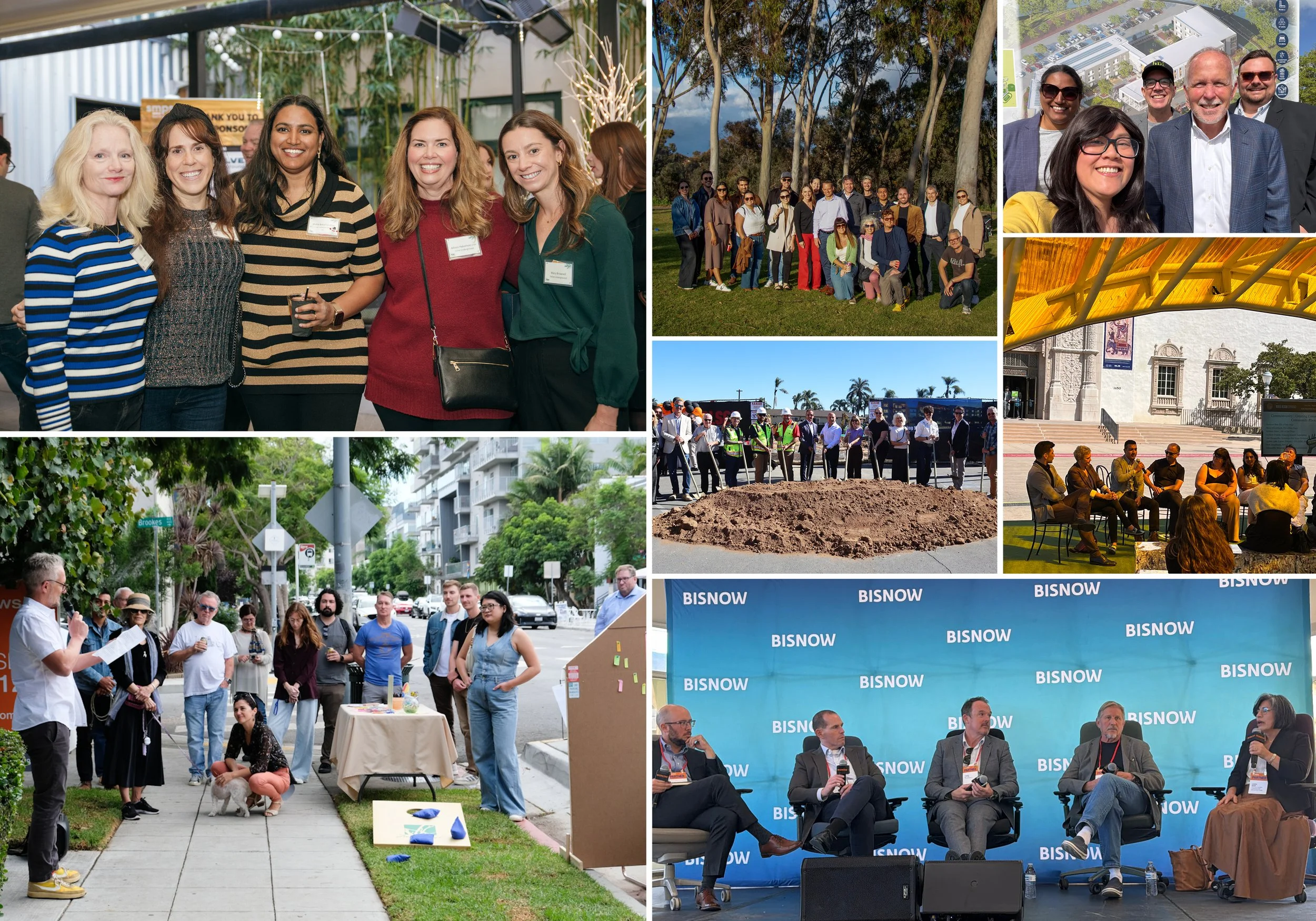
For some, that might mean staying in touch with former clients or scheduling an activity together. For others, it could mean attending an industry event, sharing a recent project on LinkedIn, presenting at a conference, or getting involved in a professional or community organization.
Community involvement is particularly valuable because it allows people to connect outside the traditional client-service environment. Volunteering, supporting local nonprofits, participating in industry associations, and attending community events all create opportunities to build relationships and strengthen our presence in the communities where we work.
These experiences also allow others to see the people behind our organization. Our employees are some of our greatest ambassadors.
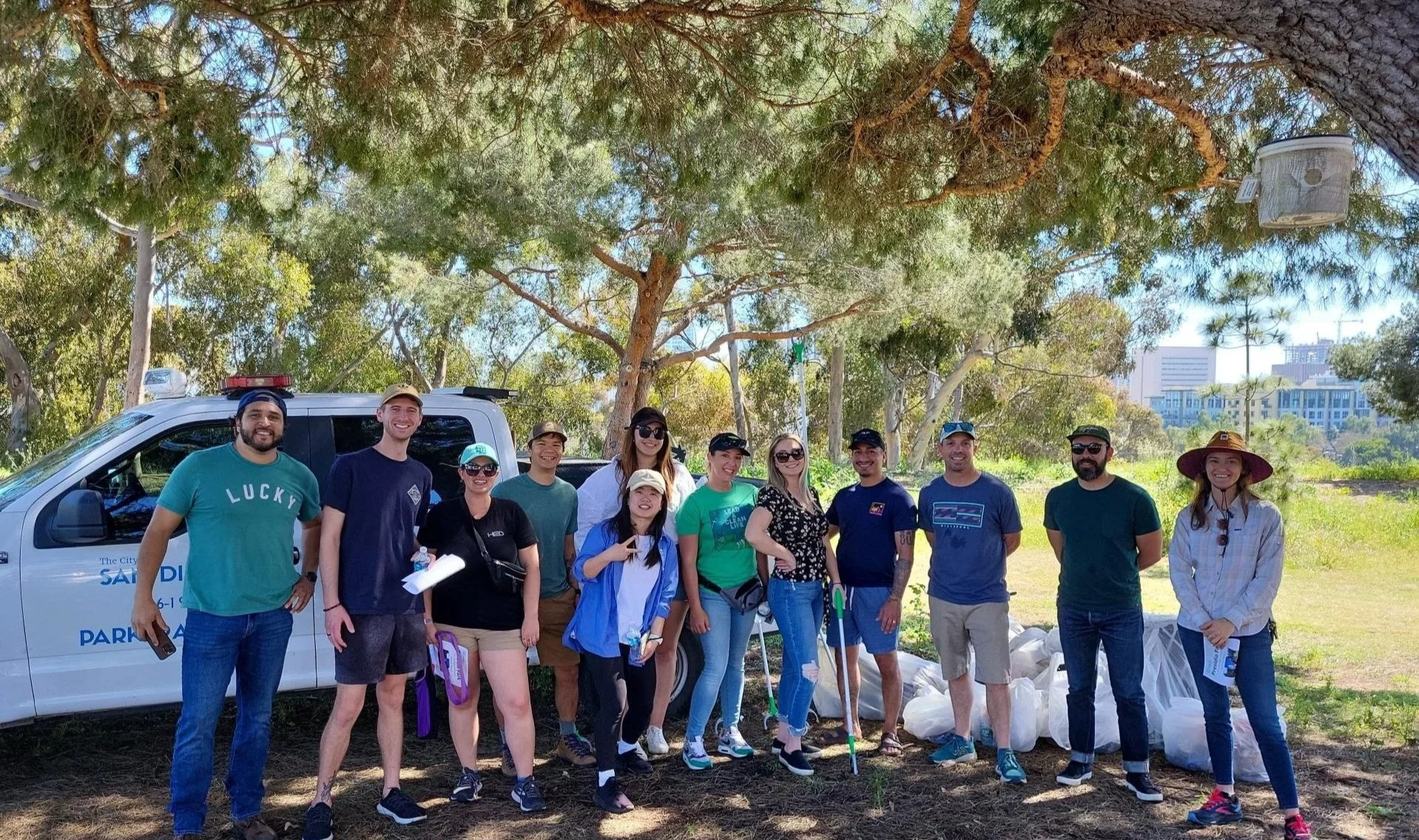
Balboa Park Earth Day Clean-up
Furthermore, these activities create opportunities for professional growth. Employees gain confidence, expand their networks, develop new perspectives, and build relationships that can benefit both their careers and the organization.
Not everyone will feel comfortable walking into a room full of unfamiliar people or initiating a business conversation, and that's perfectly fine. It starts with being curious, showing an interest in others, and being willing to make connections.
Sometimes the most valuable business development activity isn't a formal networking event. It's volunteering alongside someone, participating in an industry discussion, or simply taking the time to get to know another person.
Building a Culture of Shared Ownership
Building a sustainable business means recognizing that business development can't rest on the shoulders of just a handful of principals. While leadership plays a key role in developing client relationships and identifying new opportunities, relying too heavily on a few individuals can create challenges when it comes to continuity, succession, and long-term growth. We need to build relationships and share knowledge across the organization so that we're not dependent on one person to carry those connections forward.
This also means creating opportunities for our Project Managers and other emerging leaders to take on a bigger role. PMs are already working closely with clients, understanding their challenges, and building trust through project delivery. The next step is helping them look beyond the project in front of them and recognize how they can contribute to the bigger picture. That means developing relationships beyond day-to-day project interactions, recognizing potential opportunities, understanding the firm's broader capabilities, and becoming more involved in the business side of the organization.
Ultimately, it's about changing how we think about the firm’s growth. Moving from "that's the boss's job" to recognizing that we all have something to contribute. Moving from waiting for an RFP to being proactive about staying connected and understanding what our clients may need next. Moving beyond measuring success only by the projects we win to recognizing the everyday actions that help us build lasting relationships and create future opportunities. The goal isn't to turn everyone into a salesperson. It's to create a culture where we all take ownership of the relationships we build, the reputation we represent, and the future success of our organization.
Making Time for Tomorrow While Delivering Today
So how do we balance the demands of today's projects with the need to build tomorrow's business?
It starts with recognizing that business development doesn't always require a significant time commitment. More often, it's about being intentional with the opportunities already in front of us.
At the end of the day, business development is about more than winning the next project. It's about building relationships that last, creating experiences people remember, and earning the trust that leads to future opportunities.
When we take care of our clients, communicate openly, follow through, and show genuine interest in their needs, we give them reasons to keep coming back. When we stay connected beyond the projects we're working on, we position ourselves to be part of future conversations. When we encourage our employees to get involved and build their own relationships, we invest in the future of our people as well as our business.
The best part is that none of this requires a complete change in how we work. It starts with small, intentional actions: Making a follow-up call, asking one more question, checking in after a project, sharing a success story, or taking the time to attend a community event.
These are the moments that build connections, strengthen relationships, and create opportunities over time.
Good networking and client care doesn't happen only when we're looking for the next project. It happens every day, through the work we deliver, the experiences we create, and the relationships we choose to build.
Because while we're busy delivering for today's clients, we're also building trust and connections that will shape our business tomorrow.