• Home
  • Portfolio
  • About
  • News
  • Contact
  • Detail
  • More Detail
  • Home
  • Portfolio
  • About
  • News
  • Contact
  • Detail
  • More Detail

McCullough Landscape Architecture, Inc.

703 16th Street, Suite 100 San Diego, California 92101

P (619) 296-3150 F (619) 501-7725

info@mcculloughla.com

The Art and Impact of Adaptive Reuse in Landscape Architecture

September 17, 2024  /  Kira Becker

Oberlin Tech, San Diego, CA

The way we approach reuse of materials is paving the way for the future in landscape architecture and construction.

Written By

Kira Becker, ASLA, Associate Landscape Designer | Los Angeles

Adaptive reuse is a concept that’s been generating a lot of buzz in the field of architecture. At its core, it involves repurposing an existing building for a new use different from its original design. This is by no means a new concept, but it has become a hot topic in recent years as office-to-residential conversions are on the rise. The concept is a natural part of a building’s lifecycle. As the world evolves, our buildings must evolve with it.

As someone who works in the realm of landscape architecture, I hear my fellow architects and developers having conversations about adaptive reuse and I can’t help but put my own frame around it. I often wonder how we can apply this concept more broadly to landscape design. It is rare, and maybe even nonexistent, that we work on a project with a clean slate. There is always a pre-existing site with a history and a plethora of materials that were previously installed. Demolishing these materials without considering their potential for reuse is not only wasteful but also overlooks their inherent value.

Repurposing materials is crucial for several reasons. At the forefront is the devastating volume of waste generated by construction and demolition, known as C&D waste. In 2018, the EPA estimated that the US alone produced 600 million tons of C&D waste*. Rather than sending demolished concrete, brick, furniture, and trees straight to landfill, we as designers and builders should explore ways to give these materials a new life.

These materials come from the earth’s natural resources. The construction industry alone uses approximately a third of the world’s extracted natural resources**. It seems counterproductive to discard old materials only to extract new ones from the earth to replace them. Instead of adhering to a linear “take, make, waste” model, we should adopt a circular economy approach, which emphasizes keeping things in use as long as possible and maximizing their value.

Adopting adaptive reuse in the landscape not only supports sustainability but also fosters the creation of contextually rich and dynamic spaces. Incorporating historical and pre-existing elements into the design of new projects can add significant meaning and depth, unlike starting from scratch, which often results in context-less and superficial spaces.

Original monument signage and large panels of corrugated metal from pre-existing mechanic shop to be used in McCullough’s Hawley Lofts project.
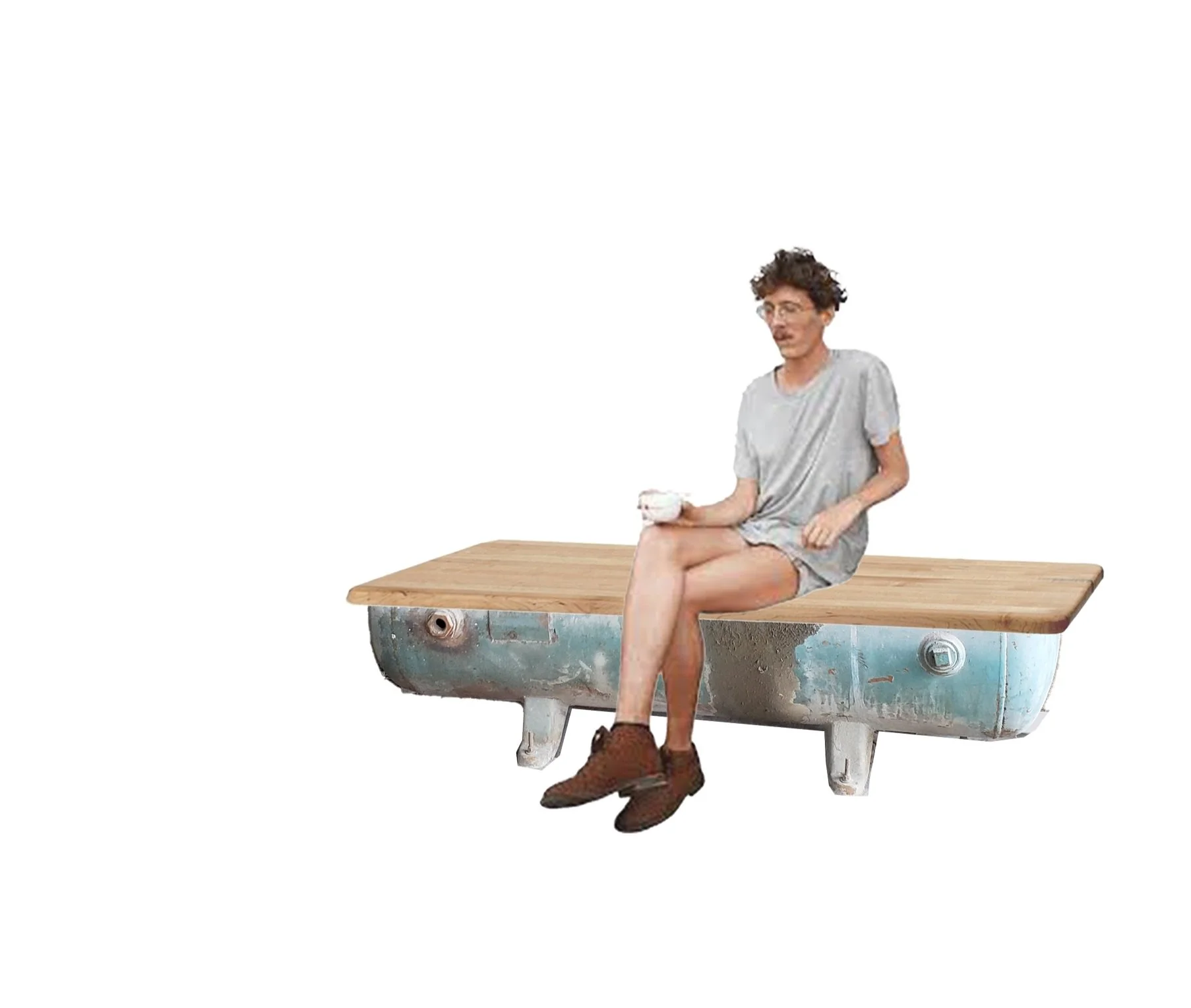
Existing large compressor tanks repurposed as benches and planters at Hawley Lofts.

To determine which materials to retain, it is crucial to spend time on-site, gathering insights from existing conditions. Prior to making any decisions, designers should evaluate all the existing materials and their potential for reuse. This process of observation can spark creativity and reveal the value of existing materials. For example, concrete paving could be repurposed into a bench, a fallen tree could become a dining table, a brick wall might be transformed into a series of steppers in the landscape.

Railroad ties repurposed as steppers and a planter make it feel like these materials have always been here on McCullough’s Oberlin project.

A pre-existing wall has been repurposed to be a bench by the simple yet elegant addition of a wood topper. (Oberlin project) 

Despite the benefits, many stakeholders are hesitant to adopt this approach due to perceived complexities, costs, and time requirements. Finding collaborators who share a commitment to sustainability and creativity is key to achieving success using a reuse approach on a project. At McCullough, we’ve been fortunate to work with many clients who are open to innovative, sustainable solutions. We also draw inspiration from firms that inventively pursue circular construction.

A prime example is Angel City Lumber (ACL), a Los Angeles based company that salvages fallen trees and transforms them into furniture, art, or whatever your heart desires. Their concept of a “lifecycle project” - where trees removed on-site are repurposed for lumber requirements on the same site – is particularly compelling. I’ve had the pleasure of collaborating with ACL’s Brady Zaitoon, who has been with the company since its early days. I call Brady whenever trees need to be removed on a project to salvage the lumber and we brainstorm ways to give this wood a new life. We recently discussed the challenges and successes of incorporating reuse in landscapes. Brady emphasized that tight construction deadlines can sometimes sideline sustainable methods. However, he has found engaging in early discussions with forward-thinking collaborators can lead to great success.

Another notable collaboration is with developer Redcar, renowned for their innovative approach to adaptive reuse in architecture. Redcar’s work includes transforming old unused warehouses into vibrant commercial and office spaces. One of our joint projects reimagines an abandoned warehouse into an atrium featuring a specimen tree that grows towards existing skylights.

McCullough and Redcar collaborated with architect ERAS to dream up what a warehouse turned atrium could be in an upcoming project on Sunset Blvd.

Additionally, there are companies, like Re-Use Consulting, that focus on smart deconstruction to maximize material reuse and recycling. Re-Use offers deconstruction services and operates a warehouse where recycled materials, such as lumber and brick, are stored and sold. Their approach highlights how systematic efforts can make adaptive reuse more feasible.

While reuse and recycling of materials on projects can come with its challenges, there are ways to minimize complexity and achieve success. This involves early engagement and close collaboration with key stakeholders, adequate training and prototyping, and creating a shared vision that aligns with project goals. Developing detailed construction methodologies and prototypes is also a critical part of the process. However, designers must be prepared to adapt their initial visions to accommodate the unique characteristics of recycled materials.

By embracing adaptive reuse and circular economy principles, we can create more sustainable and meaningful spaces that enrich both our environment and our communities. I encourage my fellow landscape architects, designers, and contractors to question the status quo with each new project. Look at the pre-existing site as a resource full of potential and inherent value. Tapping into this resource can lead to truly rewarding results.

* https://www.epa.gov/facts-and-figures-about-materials-waste-and- recycling/construction-and-demolition-debris-material

** https://www.ncbi.nlm.nih.gov/pmc/articles/PMC8745857/#B1-%20materials-15-00076

Comment 3 Likes

Join us for Park(ing) Day 2024! (Copy)

September 17, 2024  /  Catherine McCullough

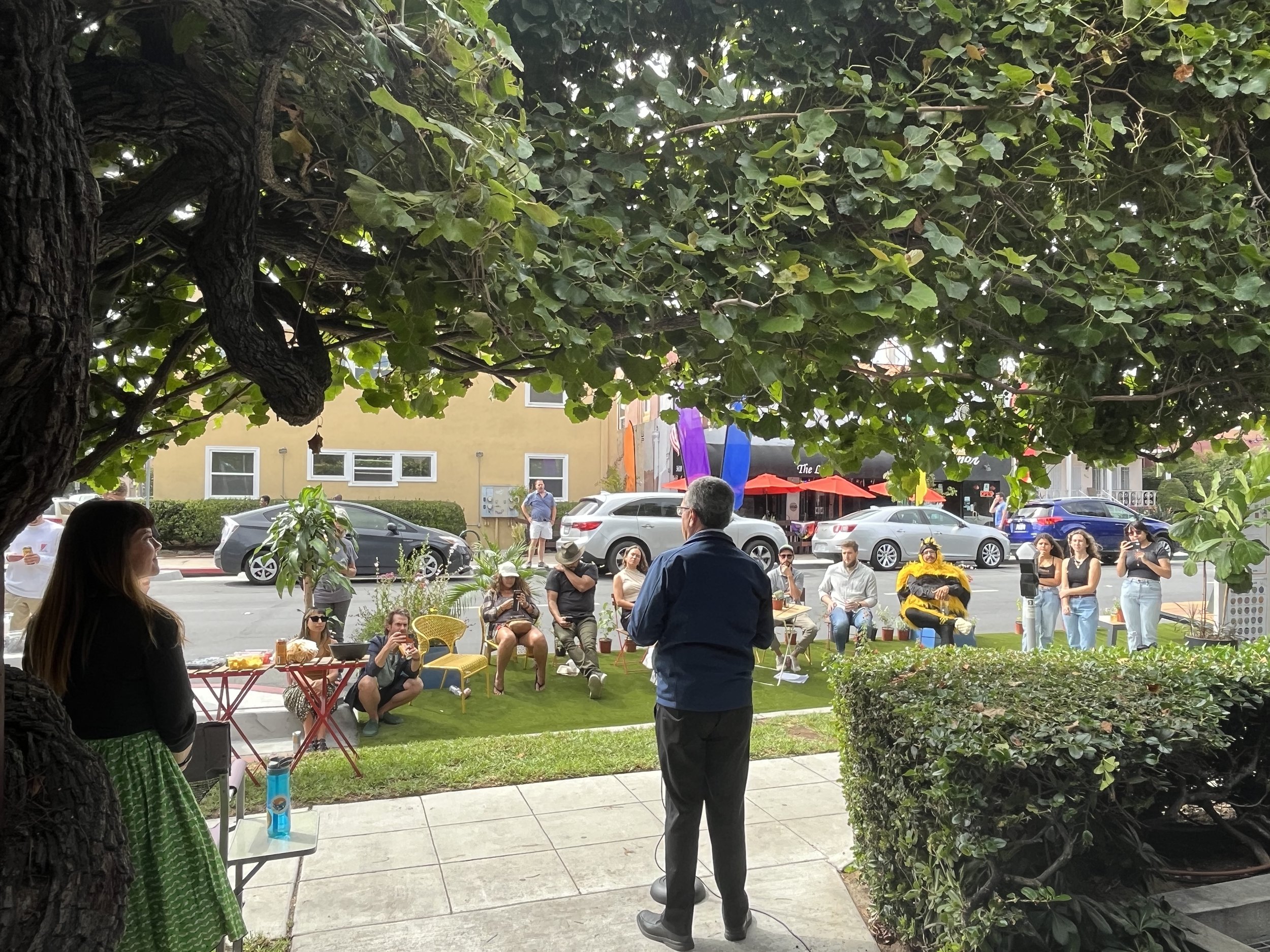
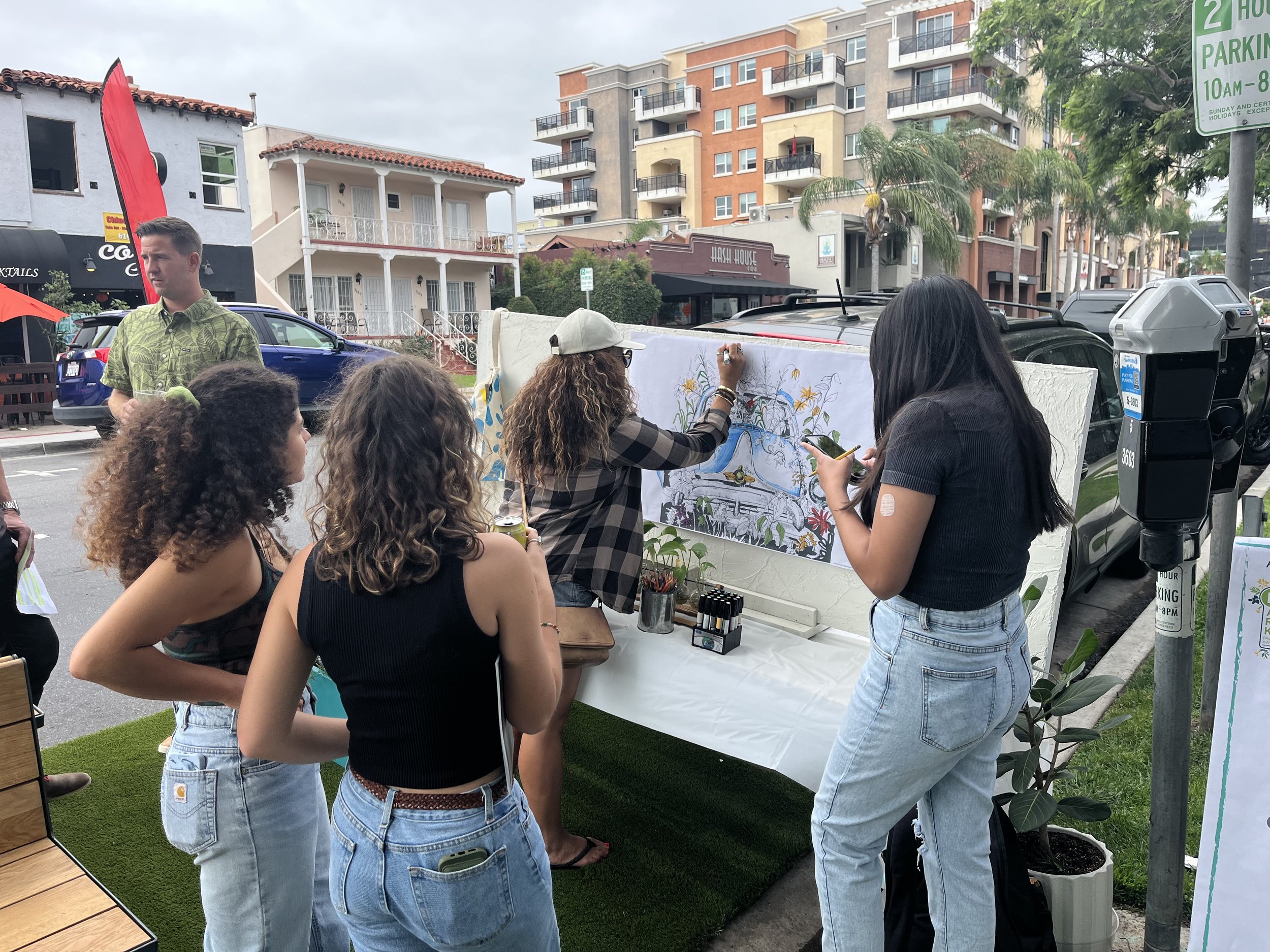
Park(ing) Day is an annual global event where ordinary parking spaces are turned into vibrant mini parks and spaces for art, play, and activism. Launched in 2005, Park(ing) Day has become a worldwide movement that encourages creativity, community engagement, and reimagining urban spaces. The Park(ing) Day project aspires to build momentum and advocate for sustainable, community-focused urban planning that prioritizes people over cars around the world.

This year, during San Diego Design Week, McCullough, RDC, ULI San Diego - Tijuana and ASLA San Diego are excited to invite the local community to join us at Futuro Space in celebration of Park(ing) Day. This year’s theme, “Parking Reform Activism,” aims to put an emphasis on the need for more affordable housing, bike lanes or transit improvements, and safer streets.

Join us to to see how we’re reimagining parking spaces and turning them into creative micro-units!

Event Details:

  • Date: Friday, September 20, 2024

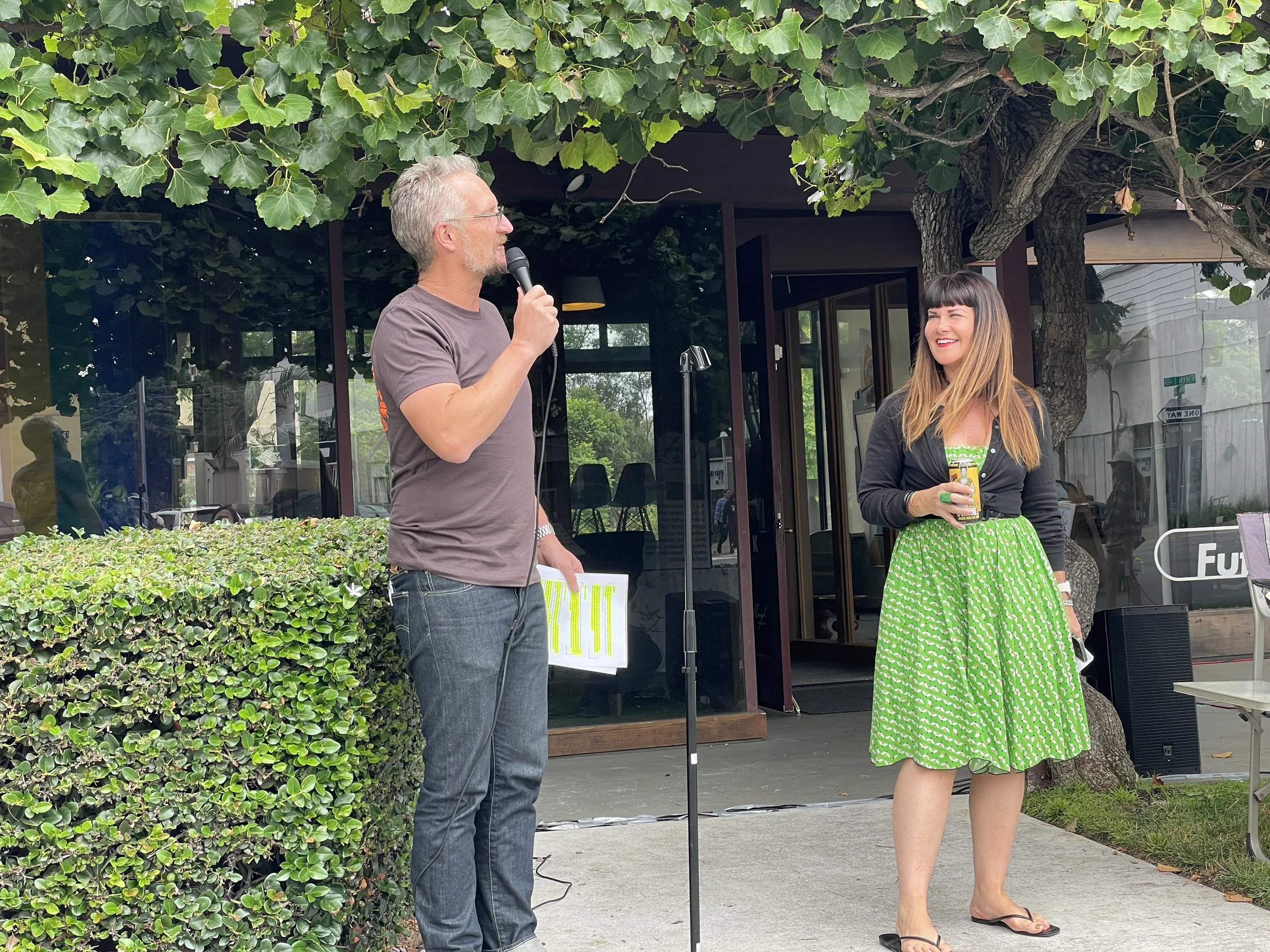
  • Time: 11am-2:30pmPT, with discussion led by David McCullough and Sean Slater at 12:30pm

  • Location: Futuro Space, 3605 Fifth Avenue, San Diego, CA 92103

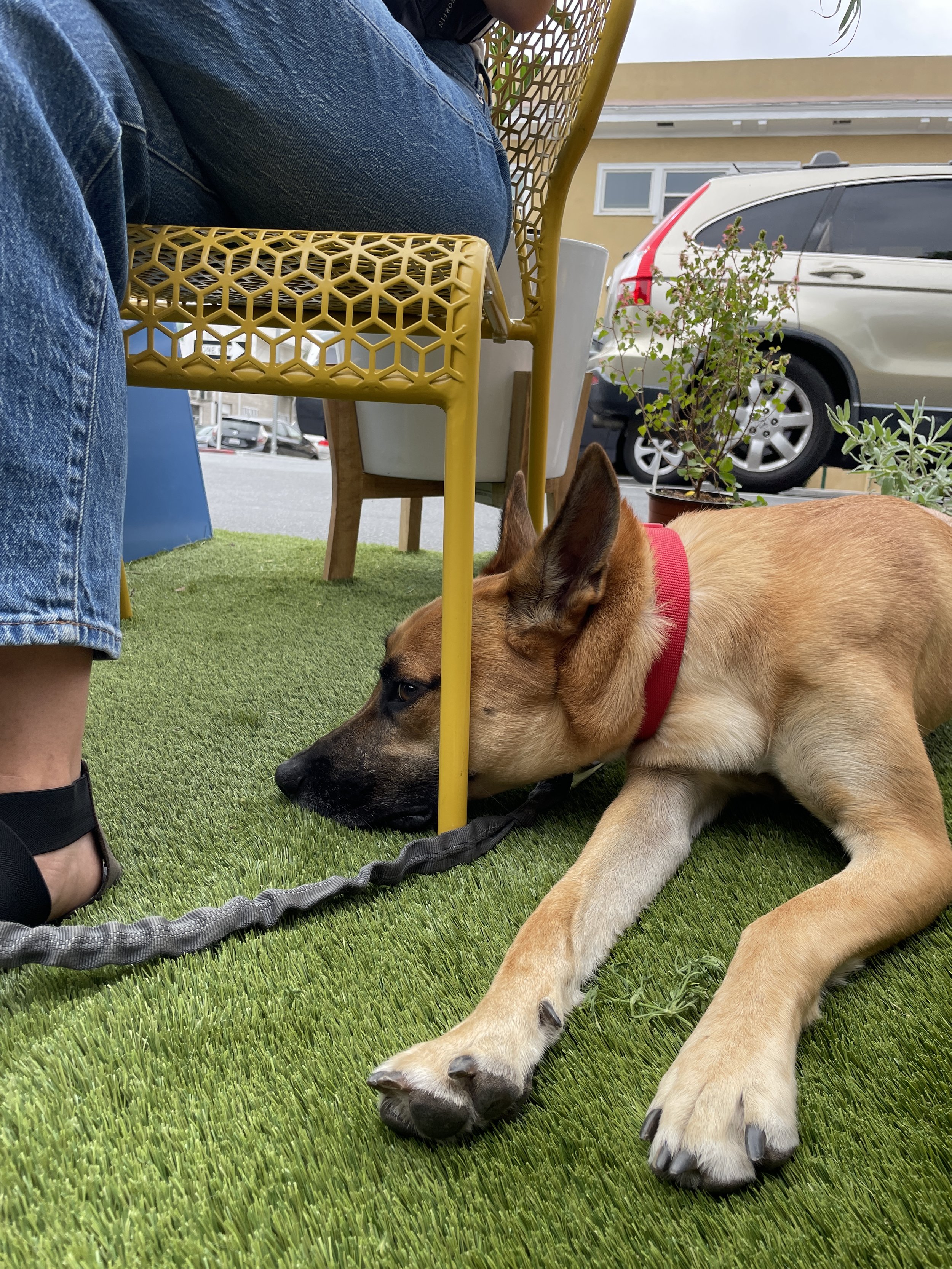
Scenes from last year’s Park(ing) Day event

D6DEEA18-CCBB-4ECC-910F-3CEE9FCE6F72.jpeg
4.jpg
7.jpg
8.jpg
16.jpg
18.jpg
23.jpg
27.jpg
20230915_193505667_iOS.jpg
20230915_202055623_iOS.jpg
20230915_202955062_iOS.jpg
20230915_213624663_iOS.jpg
EB319BCA-D385-4BC8-8CB1-C50674BB2CED.jpeg
D6DEEA18-CCBB-4ECC-910F-3CEE9FCE6F72.jpeg 4.jpg 7.jpg 8.jpg 16.jpg 18.jpg 23.jpg 27.jpg 20230915_193505667_iOS.jpg 20230915_202055623_iOS.jpg 20230915_202955062_iOS.jpg 20230915_213624663_iOS.jpg EB319BCA-D385-4BC8-8CB1-C50674BB2CED.jpeg

Comment 0 Likes

Benjamin to Present at BISNOW San Diego State of the Market Conference

September 17, 2024  /  Catherine McCullough

McCullough’s Senior Associate, Benjamin Arcia, MUD, looks forward to contributing to the "Shaping the San Diego Region Through Development, Construction & Design" panel at the BISNOW San Diego State of the Market event, happening on Thursday, October 10, 2024, at 8:00 AM. He'll be discussing forward-thinking, innovative spaces and their impact on the region.

We hope to see you there!

Register and learn more here.


Comment 0 Likes

Project Spotlight: Safe Harbor Sunroad

August 19, 2024  /  Catherine McCullough

Safe Harbor Sunroad is the second harbor club renovation by McCullough, following the successful transformation of Cabrillo Isle on Harbor Island. Recognizing the potential of their recently acquired yacht clubs in the San Diego region, Safe Harbor Marinas once again partnered with McCullough for this next project. McCullough forged a strong relationship with the Port of San Diego, collaborating closely with the ownership team and Port staff to secure Board and California Coastal Commission approval for the renovation.

Located on Harbor Island, Safe Harbor Sunroad is a uniquely shaped, mid-century modern building that houses marina and yacht services. With its central position on the site, the building offers panoramic views of the Coronado naval base and Downtown San Diego. McCullough was tasked with modernizing the surrounding landscape to better meet the marina's needs while preserving the site’s mid-century charm.

The Port and Coastal Commission have clear directives to ensure public access along the waterfront and to enhance water run-off quality in all new developments. McCullough’s deep understanding of these requirements, coupled with close collaboration with Port staff, ensured the timely completion of this project. Renovations to the front area of Safe Harbor Sunroad included a new decomposed granite plaza for dining and events, ornamental planting areas, new boat display staging areas, and a new monument sign—all designed to break up and minimize the under-utilized grass lawn while maintaining unobstructed views of the water.

Around the building’s north side, a new decomposed granite lounge space with a double-sided see-through fireplace was added to the concrete paseo, which separates the building from the enclosed amenity pool area. A hot tub and thoughtfully selected plant palette were also integrated to complement the mid-century architecture, refreshing the space frequented by marina members and guests.

The amenity pool area, originally a large concrete deck lacking privacy, was transformed into a cozy, relaxing space through the addition of raised planters and a six-foot raised wooden deck for dining and lounging, featuring sustainable Kebony wood made from Monterey pine. This new lounge deck, complete with firepits, new barbecues, and a bar top table overlooking the marina, epitomizes the careful blend of functionality and aesthetic appeal that McCullough brings to every project.

Today, both yacht clubs—Cabrillo Isle and Sunroad—stand as significant improvements, enhancing San Diego’s bayfront real estate both environmentally and aesthetically.

Comment 0 Likes

Celebrating Sophia Rumpf’s Promotion to Associate

August 19, 2024  /  Catherine McCullough

We are thrilled to announce the promotion of Sophia Rumpf, ASLA, to Associate Landscape Designer/Project Manager! Since joining our team as a Junior Associate, Sophia has consistently demonstrated her passion for landscape architecture and her dedication to creating spaces that beautifully integrate into the natural and built environment.

Sophia’s journey in landscape architecture began with a deep curiosity about the world around her. As a child, she was captivated by the distinct styles of different cities, from the moss-laden trees in Charleston to the vibrant foliage in Kauai. This early fascination blossomed into a profound understanding of how thoughtfully designed spaces can evoke powerful emotions, whether it's a sense of safety and comfort or awe and wonder.

Her formal education at Cal Poly San Luis Obispo, where she earned a bachelor’s degree in landscape architecture with an emphasis on sustainable environments, further fueled her passion. This academic foundation, coupled with her keen observational skills, has equipped Sophia to design landscapes that not only enhance the well-being of those who experience them but also contribute positively to the environment.

In her new role as Associate Landscape Designer/Project Manager, Sophia will be taking on greater responsibilities, leading projects that require both creative vision and strategic planning. Her ability to balance artistry with technical expertise, along with her commitment to sustainability, makes her an invaluable asset to our team as she steps into this leadership role.

Please join us in congratulating Sophia Rumpf on her well-deserved promotion. We look forward to seeing her continue to excel and make a lasting impact in her new role!


Comment 2 Likes
Newer  /  Older