• Home
  • Portfolio
  • About
  • News
  • Contact
  • Detail
  • More Detail
  • Home
  • Portfolio
  • About
  • News
  • Contact
  • Detail
  • More Detail

McCullough Landscape Architecture, Inc.

703 16th Street, Suite 100 San Diego, California 92101

P (619) 296-3150 F (619) 501-7725

info@mcculloughla.com

Complete Communities: A Look into the Future of San Diego’s Development
October 26, 2022  /  Catherine McCullough

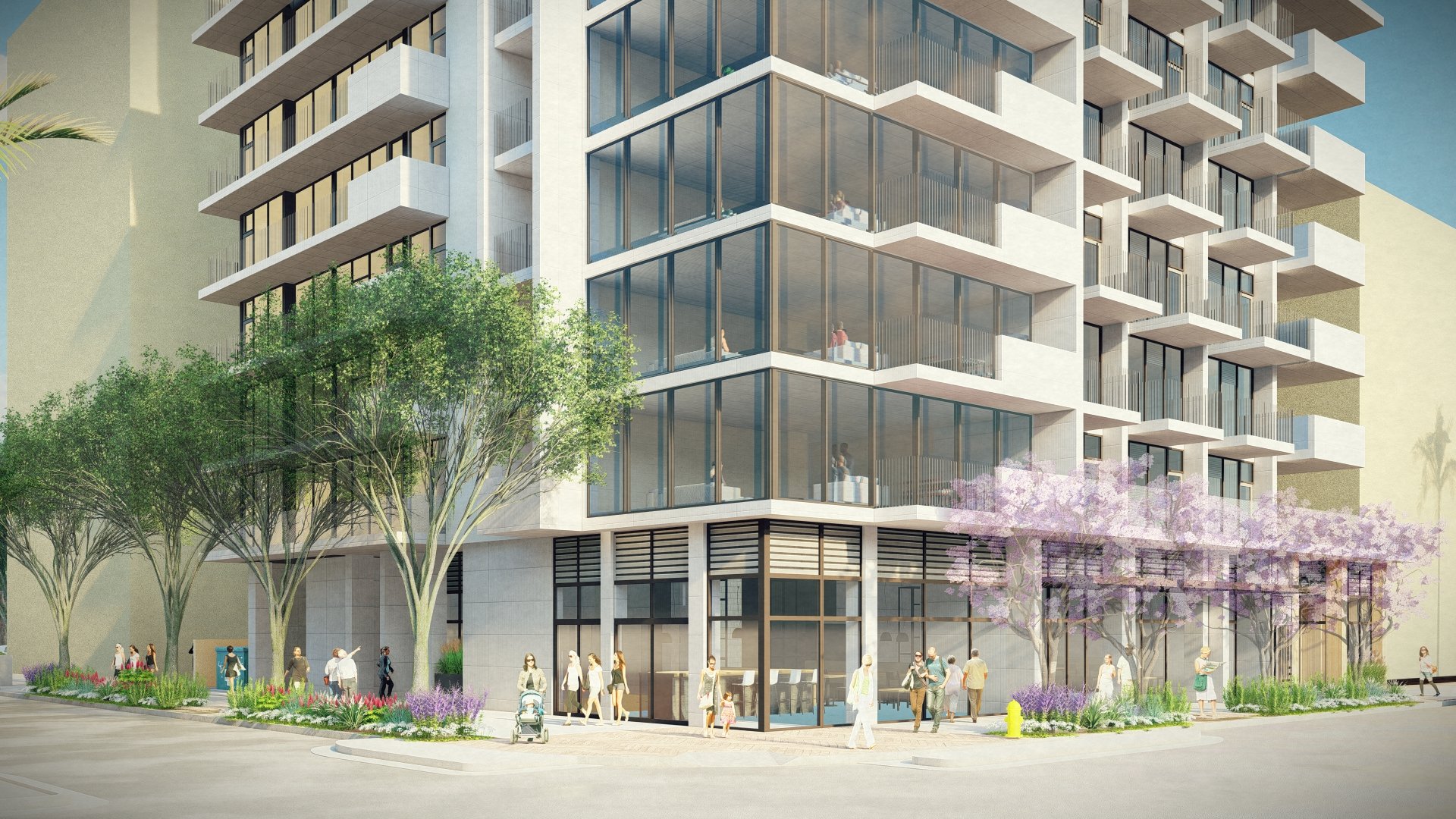
Secoya on Fifth

What makes a community ‘complete’? Is it the people, the place, or the amenities that make up the fabric upon which the flow of everyday life occurs? The City of San Diego has taken the position that a complete community is a comprehensive balance of mobility, open space, and affordable housing. At no other time than our very own post-covid reality is the need for affordable housing, transit, and open space more critically important to the health and welfare of individuals and whole communities. A brief look at the history and intent of the Complete Communities initiative, an assessment of some of the Complete Communities projects underway at McCullough Landscape Architecture, and analyzing the promise of a truly complete community, will help point the way toward a more effective implementation of a more equitable and robust cultural and economic initiative in San Diego.

In May of 2020, the City of San Diego formalized the housing component of its ‘Complete Communities’ initiative through the enactment of a new section of the Municipal Code detailing the requirements and incentives available to developers within the city. Then Mayor Kevin Faulconer, sought to secure a better future for the City’s underserved communities through the implementation of an initiative dubbed “Complete Communities.”

The original Complete Communities initiative sought to assemble effective planning strategies that would incentivize affordable development and park space near transit, thus encouraging the reduction of vehicle mile traveled and sparking local economic activity. The goal being to improve the quality of life for San Diegans, and especially those in underserved communities that rely upon public transit and the localization of goods and services.

Briefly, the Housing component seeks to increase affordable housing concentrated around mixed-use and multi-family areas served by transit, while also investing in neighborhood amenities, such as parks and urban plazas. The Mobility component seeks to realize a reduction in vehicular traffic, rather than accepting traditional traffic infrastructure. Lastly, the Parks component seeks to deal with present unequal access to safe, clean, and active park spaces.

McCullough Complete Communities Projects

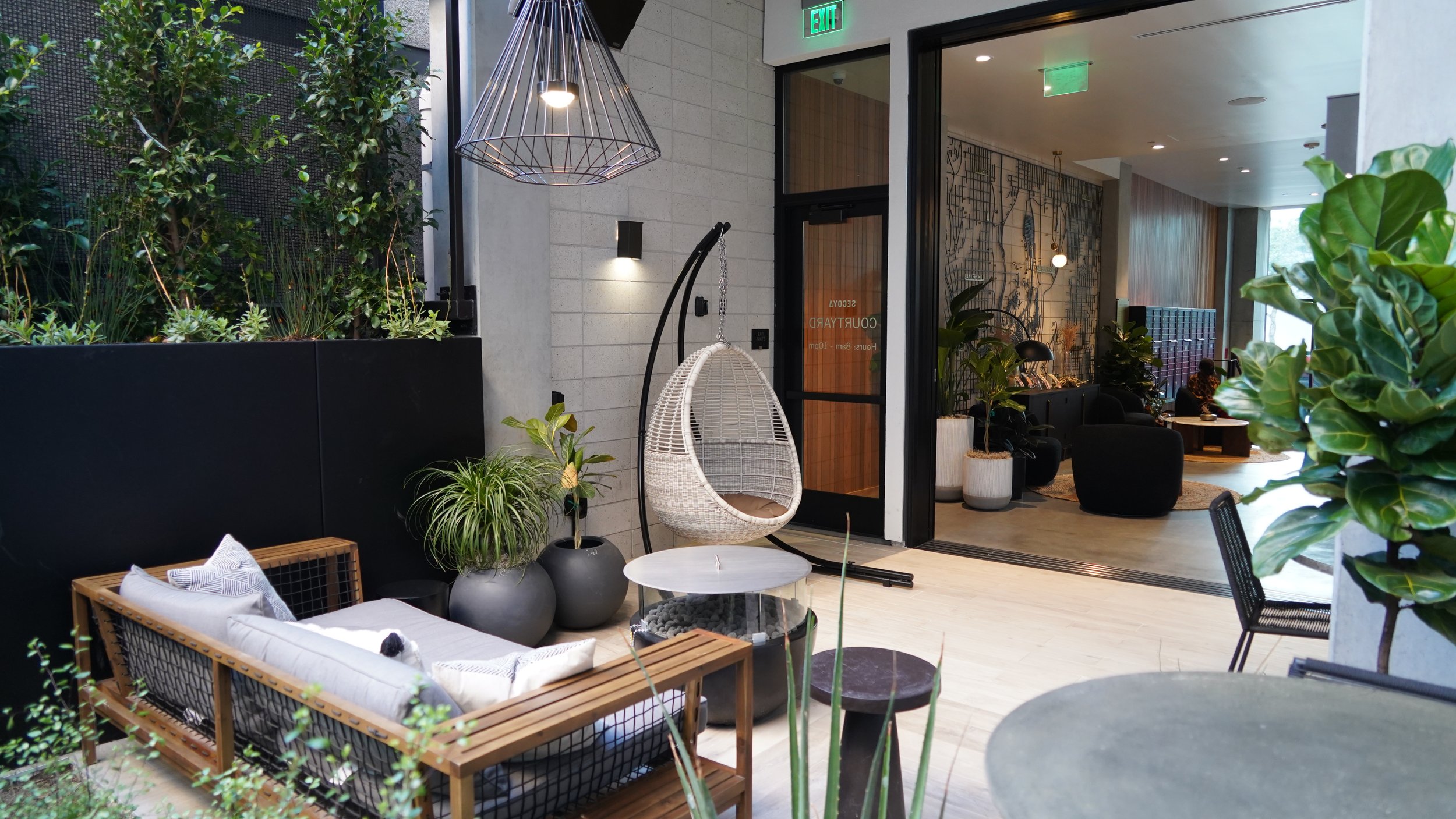
McCullough Landscape Architecture has had the privilege to work on the first finished Complete Communities development in San Diego, Secoya on Fifth. Today, most development teams are using the Complete Communities bonuses as a starting point for their projects, and they look to us as experts for clarification on how the new code affects expectations and requirements for private and public open spaces. The four main areas of concern for us as landscape architects are fees, trees, amenities, and promenades.  Looking briefly at a few of our built and in-progress projects will highlight these elements.   

Secoya on Fifth - daytime 1.jpg secoya on fifth_Cool 2.jpg SECOYA FIRE RISER GATE_55 - Photo.jpg 21-09-30 - COURTYARD 2.jpg LANDSCAPE RENDERS_17 - Photo.jpg LANDSCAPE RENDERS_67 - Photo.jpg
View fullsize aaDJI_0086.jpg
View fullsize aaDSC07492.jpg
View fullsize aaDSC07489.jpg
View fullsize aaDSC07497.jpg
View fullsize aaDSC07514.jpg
View fullsize aaDSC07535.jpg

Secoya on Fifth

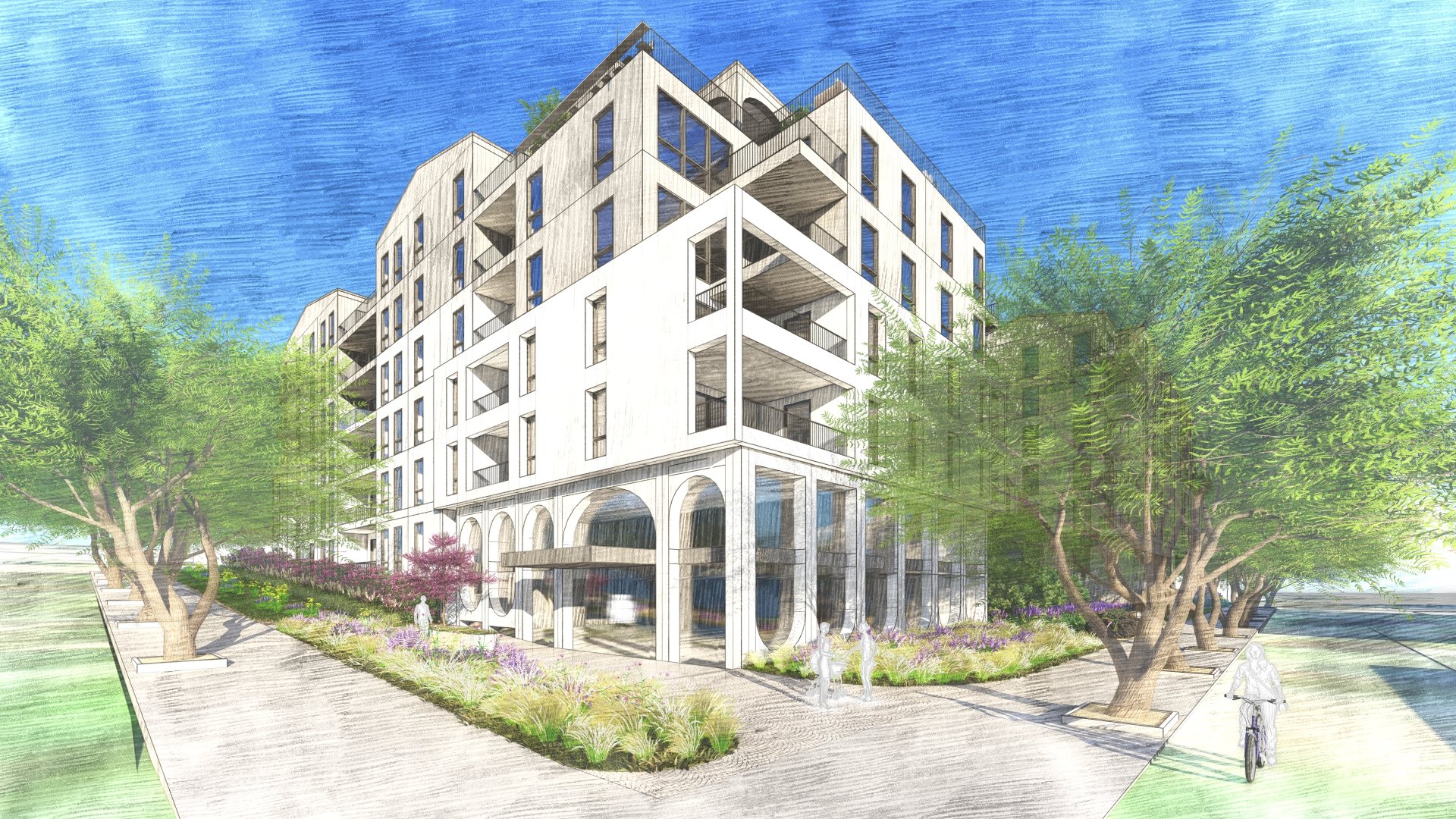
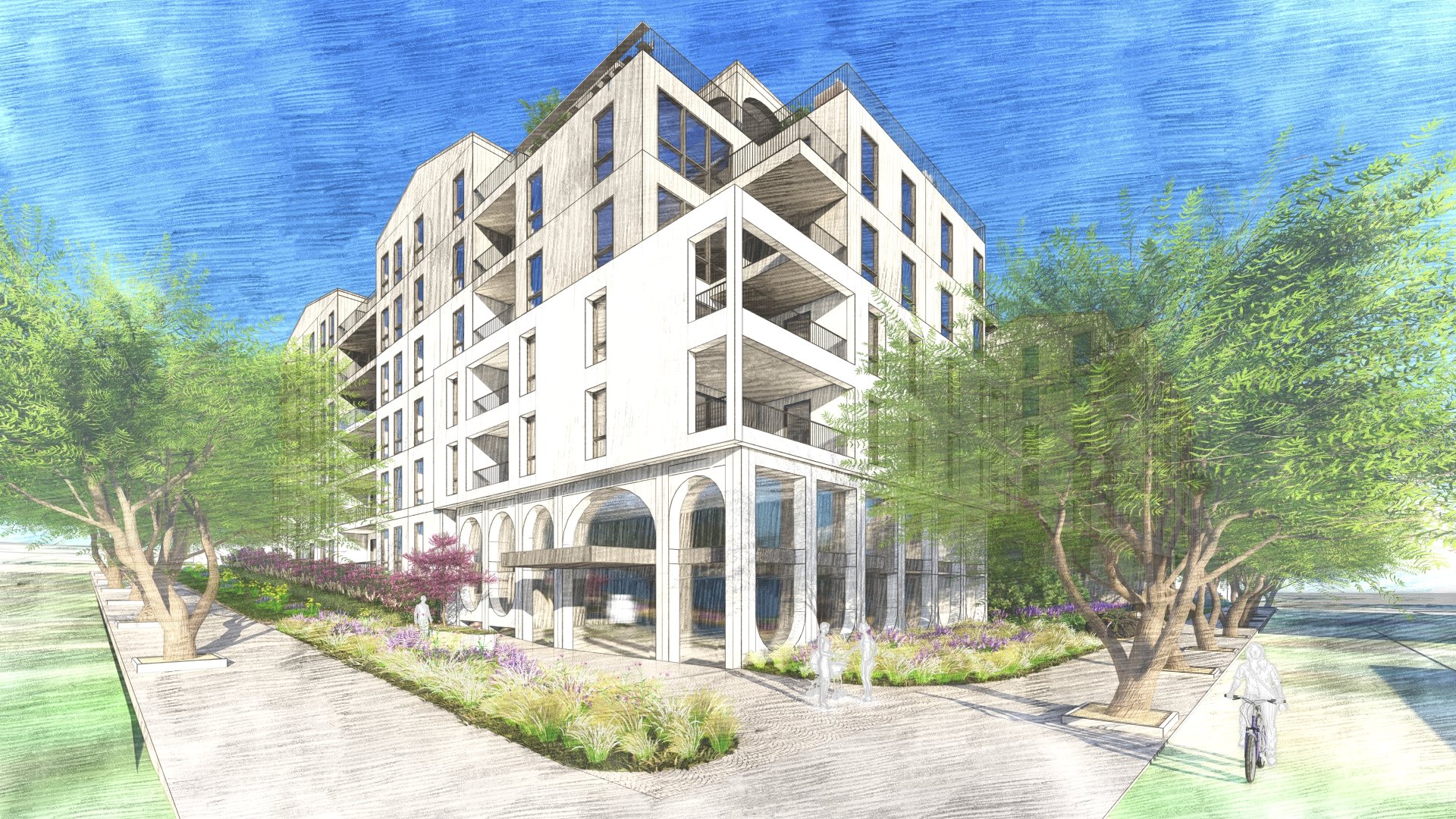
Secoya on Fifth is an eight-story mixed-use project located at Fifth Avenue and Redwood Street in Uptown San Diego by Murfey Company. The project development team was personally involved and invested in the initial efforts of supporting the Complete Communities initiative and were therefore, immediately aware of its passing by City Council. The project was then reassessed and redesigned to comply with the new guidelines. Upon receiving its final building permit, it became San Diego’s first approved Complete Communities project.

Every Complete Communities project must pay a Neighborhood Enhancement Fund or provide a public promenade to the city. The project development team first considered the idea of implementing a public promenade in lieu of the required fee. However, upon further review, it would have required at least 200 linear feet of street frontage be located on a lot 25,000 Sf or larger, as well as check several boxes: sponsoring community workshops, posting public notices, executing public record agreements, and meeting a slew of specific amenity criteria. Lastly, it would require the property to give up 20 feet on the property side for said promenade, along with lighting, wayfinding, etc.

While a public promenade would provide the most benefit to a ‘Complete Community’, it is the most difficult to realize. For most projects, the enhancement fund fee will be paid, and more achievable landscape guidelines will be followed. 

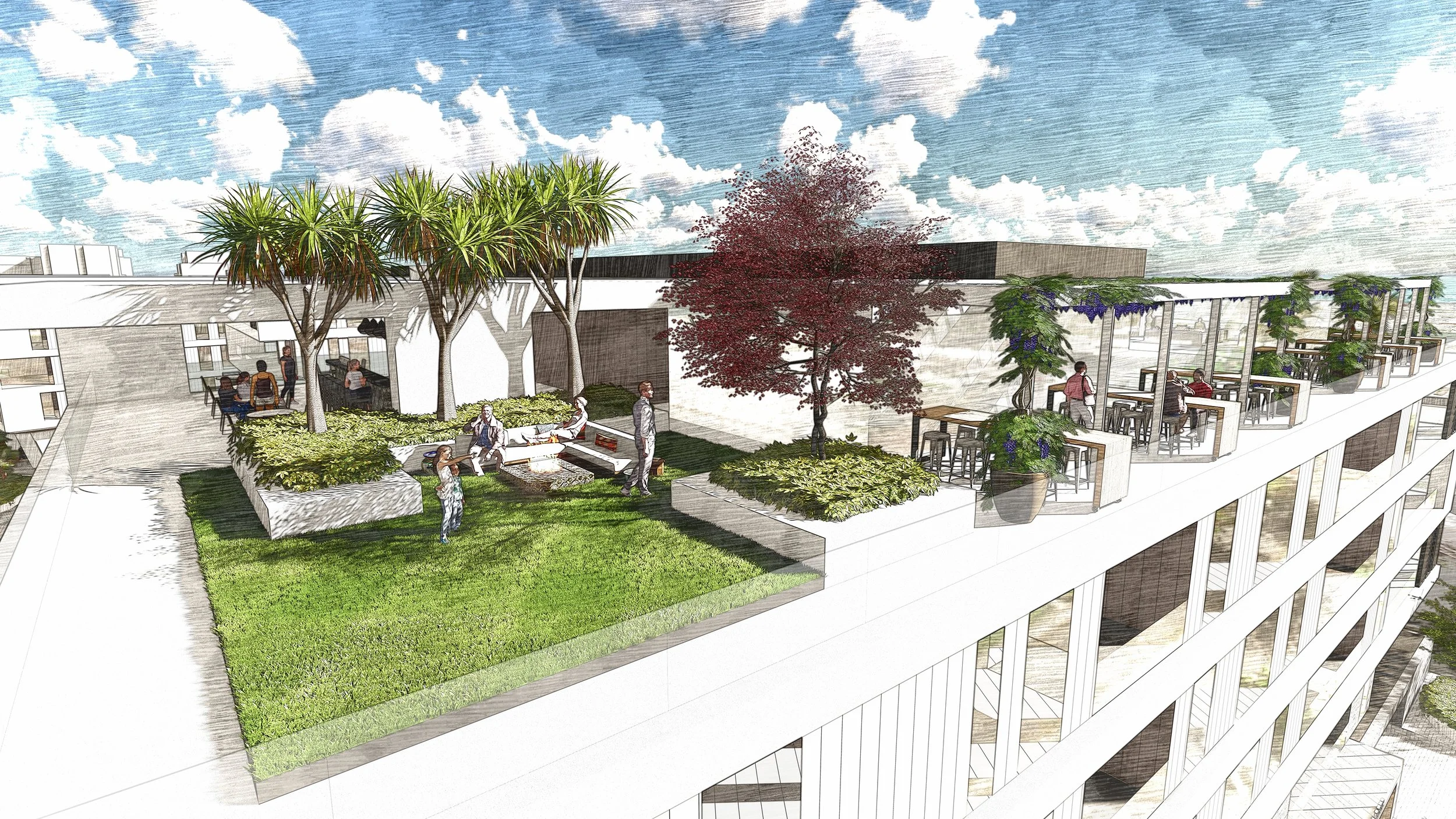
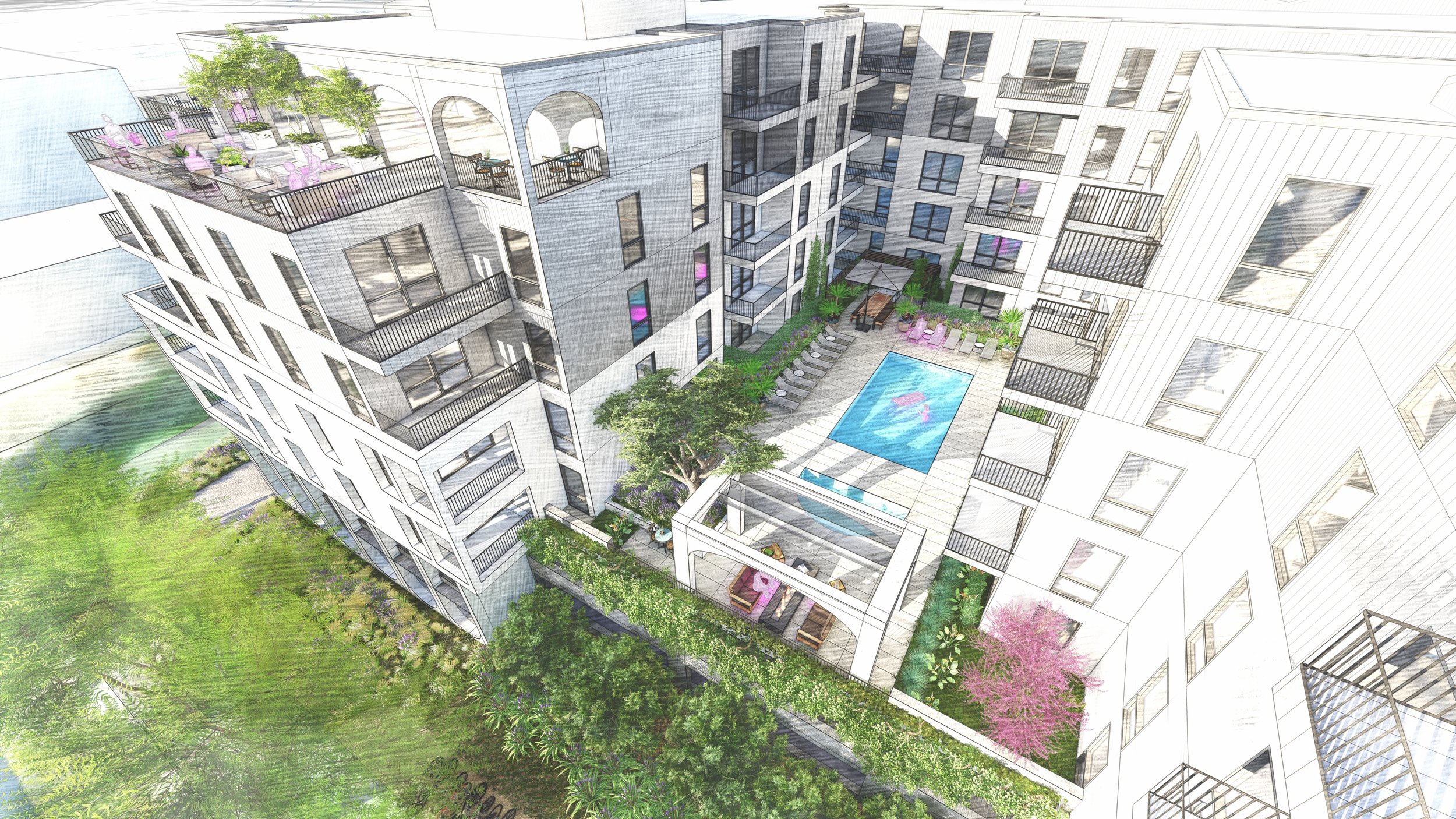
22-10-26_1 - Photo.jpg 22-10-26_2 - Photo.jpg 22-10-26_3 - Photo.jpg 22-10-26_4 - Photo.jpg 22-10-26_5 - Photo.jpg 22-10-26_6 - Photo.jpg 22-10-26_7 - Photo.jpg 22-10-26_8 - Photo.jpg

3104 Third Avenue

3104 Third Avenue is a six-story development with an enhanced streetscape and rooftop amenity deck.  The project is in the Uptown Neighborhood, nestled in a residential area near a highly active walking canyon. As a fully residential development, the project sought to make use of the additional density offered by Complete Communities to provide primarily affordable units which would help to address San Diego’s housing needs.    

Several challenges were encountered while attempting to interpret and implement the new Complete Communities code. One challenge of note was the inclusion of trees, which on a superficial level would seem a simple task. Typically, the San Diego Municipal code calls for one tree every 30 feet of street frontage, while Complete Communities extends that to one tree every 20 feet on-center. The new code also calls for trees on both sides of the sidewalk where feasible. Those two words “where feasible” were easy to miss in the code, and miss it we did. We went through iteration after iteration trying the best we could to work within the project’s constraints and adjacent context to satisfy this double row of trees to no avail. Finally, on a careful read-through once again of the new code the words appeared as if from nowhere.

From that moment on, we knew that the code was both structured and written with language that would need to be carefully considered word-for-word if we were to completely understand our hard requirements and contextually-based alternatives.    

RENDER 1.jpg RENDER 2.jpg RENDER 3.jpg

La Colina

On the far edge of Hillcrest, nestled on the corner of Reynard Way and Torrance Street, this nine-story building will have about 100 units of primarily affordable housing options, an enhanced streetscape, and a top-level amenity deck.

Once again, the placement of street trees presented an unexpected challenge. Initially, we attempted to place a tree on either side of the sidewalk with a distance of 20 feet on-center. However, after presenting our first concept to the other consultants on the team, we quickly learned of a few complications. Underground utility lines prevented some of the tree locations, in addition to the building having a second level that cantilevered out and over the first, encroaching towards the sidewalk. Significantly, a gas line ran parallel with the curb along Reynard Way, making it nearly impossible to maintain the required five feet clearance. This resulted in not being able to place a single tree on the curb side of the sidewalk. This is a good example of a site condition that supersedes the recommendations in the Complete Communities section of the municipal code. 

With the building extending out over the sidewalk, it then became a challenge to determine where the appropriate placement of trees could exist between the building and the gas line. Where we had started with an ideal number of twelve trees, we ultimately ended with only three trees along Reynard Way and four on Torrance Street. We were, however, able to meet one important recommendation, which was the widening of the sidewalk. A generous eight feet of width provides for a comfortable walking experience. However, this only lasts the length of the building where one finds themselves walking along a crowded four foot-wide strip once again just beyond the property.

The biggest takeaway from the project would be the critical need to inform the design team and all consultants of the requirements early in the process so that their design decisions can support the City’s vision for a more active street and a more complete community. 

The Promise of Complete Communities

Complete Communities marks the beginning of a new approach toward urban planning in San Diego. It seeks to create healthy and vibrant communities using incentives which it is hoped, will result in opportunities for affordable housing in places where one is enticed to walk, bike, and engage with neighbors. While this new code successfully provides for more density, it falls short in two key areas: First is the enhancement of the urban realm beyond that which already exists. Second is in providing for those services that result in a truly ‘complete’ community. 

When we strip down the code to its essential requirements, we can see that the urban realm is enhanced with a few extra trees, an extra amenity, such as a wayfinding sign or public seating, an unobstructed sidewalk, and the removal of gated entries and street yard fencing. All of these taken together cannot be argued to represent the urban fabric of a ‘complete’ community. Sidewalks are the lifeblood of the urban realm. They are the interstitial spaces that weave together the masses of buildings and institutions that make up our living, learning, and working spheres. 

To support a truly ‘complete’ community, a sidewalk should act as both an extension of the building and a place unto itself. Sidewalks are where we stop to chat with neighbors, take our dogs out for a break, as well as the place where nature’s elements are encountered. They should, therefore, be places that support vegetation, seating, storm water management, lighting, and bike parking, to name a few key features. Comparatively, the Centre City Streetscape Manual does much more to create a complete community experience - defining paving, light fixtures, tree, and grate type, and much more. While all neighborhoods have a community plan, they do not go to the same extent as the Centre City Streetscape Manual, and this is where the Complete Communities development code can provide a strong and clear vision for the City’s streetscape.    

When we consider those elements of successful neighborhoods in San Diego, several lessons can be gleaned which shed light on the shortfalls of the Complete Communities and paths toward improvement. Little Italy is likely the first to come to mind. It is arguably the most celebrated and idealized successful community. However, a closer examination reveals a few challenges. Little Italy is a place to live, eat, and drink. This is a community for those with expendable income, those who can afford to pay high rents or own their own condo. It is first and foremost a playground for San Diego’s middle to high income bracket and a destination for the flood of tourists that grace our city.  We find no comprehensive grocers and no access to everyday goods or services. Where do you go if you need a new light bulb?  What happens when you run out of toilet paper?  When your dog needs to go, where does it end up?    

As a contrast, Hillcrest and North Park showcase a diverse collection of housing options, shopping opportunities, supply stores, auto repair facilities, and so on. In short, one can find all the necessary goods and services one needs to live a quality of life that is highly sought after.  Where do you go when you want to have dinner? Down the street. Where do you go when you want to get your nails done or have your clothes dry-cleaned? You walk a couple of blocks. As you do, the streetscape greets you with business patios spilling out and inviting you in, murals on the side of old buildings, and vernacular community enhancements in the form of painted trash cans, electrical boxes, etc.

Supporting Inclusive Design

As we have seen, the Complete Communities initiative seeks to secure a better future for the City’s underserved communities. However, a brief overview of a couple of McCullough’s projects demonstrates that the code can be difficult to follow and interpret, and ultimately falls short of ensuring a more robust streetscape environment. Looking to other communities that are considered successful in San Diego can reveal important lessons for establishing a comprehensive balance of mobility, open space, and affordable housing.

So how do we encourage a diversity of services within the municipal code? We have seen that incentives, bonuses, and additional FAR is a tried and proven way to ensure code is implemented in new projects. Developers want to maximize the number of units on their projects and would likely be willing to comply with additional streetscape requirements if it meant higher revenues. Other incentives that don’t result in a tangible revenue increase on projects are a less enticing solution, yet we see such philanthropic messaging all too often. If we are to encourage those with the means to develop our city, then we should be willing to cater to what is of primary value to them - namely, a return on their investment.   

We can now return to our original question of what makes a community ‘complete’, or rather what can a city do with its Municipal Code to make communities more complete?  A complete community is a place and a people that make up an active, equitable, robust, culturally diverse, and economically thriving neighborhood in San Diego. McCullough’s vision of supporting the inclusive design of environments where they unveil their own unique narrative serves to embody a genuine creativity, diversity, and discovery of what makes a place different.    

Zeek Magallanes, MLA, ASLA
Studio Team Leader


Zizhu Purple Bay - THE Next Phase
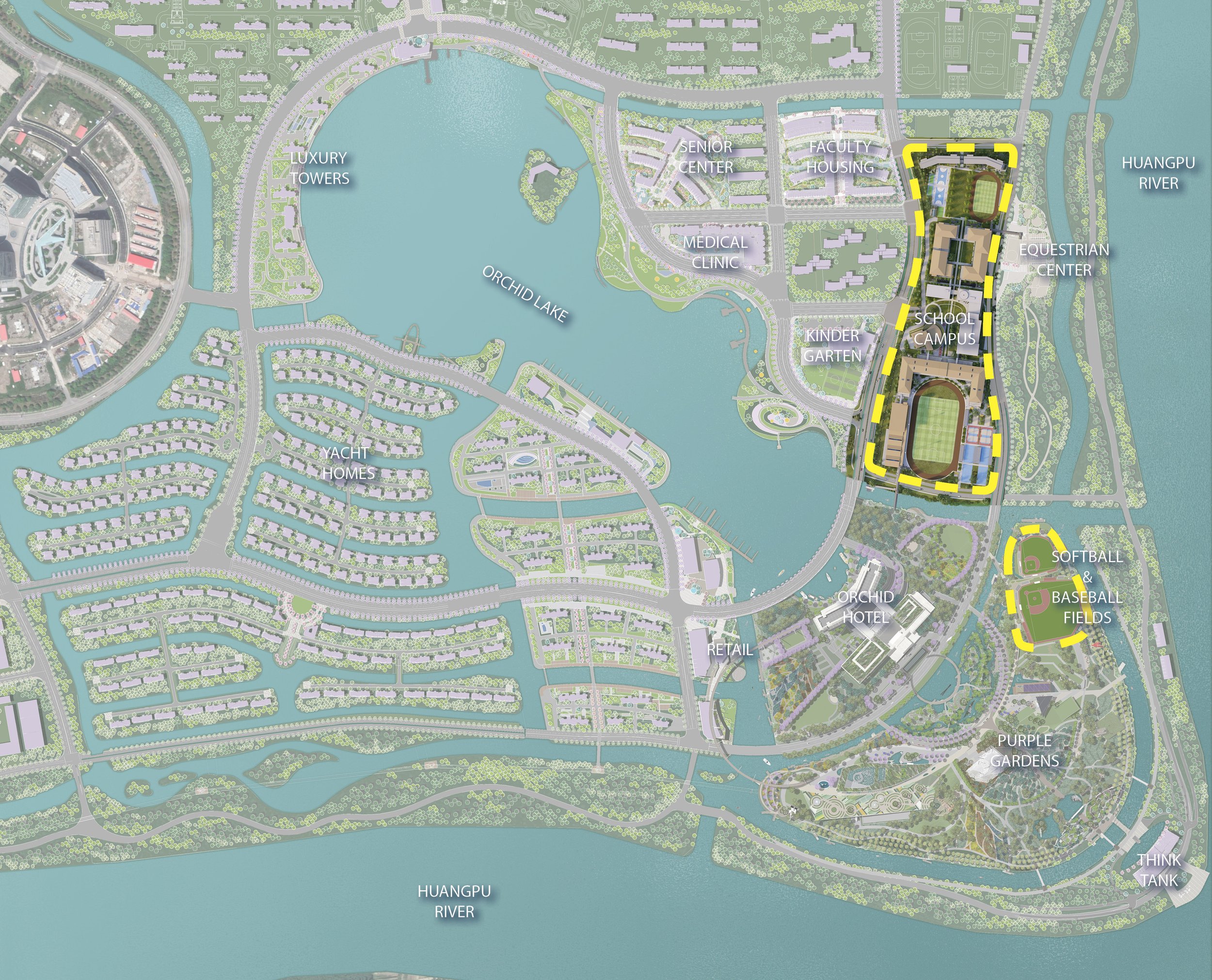
Starting in 2016, McCullough began working with Gafcon on the early visions for the Zizhu High-Tech Industrial City, thought as the Silicon Valley for Shanghai. Today, this new city is home to innovative technology corporations including Scandisk, Intel, and Microsoft, as well as to research and manufacturers of automation machinery, biotech, energy, smart vehicle, and semiconductor technologies.

As mentioned in our project update from December 2020, the first phase of the city master plan, The Purple Garden had begun its design phase for much of the hospitality and housing portions of the plan. Today, the developer, Shanghai Zizhu Peninsula Properties Co., LTD, is well on their way to building out the first phases of the city.  The Orchid Lake and the first part of the luxury residential towers have now been built.  Starting construction soon are a series of several hundred yacht homes on the lake and a luxury resort hotel. 

Photo of Luxury Residential Towers During Construction

Photo of Luxury Residential Towers After Construction

Most recently McCullough has been asked to design a K-12 private school. This new facility, Shanghai Shenhua Zizhu Bilingual School, is planned to include on-site dormitories, a sports and aquatic center, cultural/arts centers, and separate 1-9 and 10-12 grade facilities. Direction from the developer is for this school to be focused on international studies with college preparatory courses.  All components of this campus will need to facilitate this kind of learning, including the outdoors.

c01.jpg c02.jpg c03.JPG c04.jpg c05.jpg

Shanghai Shenhua Zizhu Bilingual School: Renderings by Atchain

With tight timetables for expedited construction overseas, the demands are high. McCullough and the Gafcon team welcome this and we are all looking forward to contributing to the development of all phases over the years to come. McCullough’s continued partnership with Gafcon and many team members has truly resulted in a more coordinated and complete plan for the owner, and ultimately the people of Shanghai.


Welcome Adis Tutusic!

McCullough is excited to announce Adis Tutusic, ASLA, as our newest Junior Associate. Adis grew up in Bosnia where he earned a bachelor’s degree in Horticulture and a master’s degree in Landscape Architecture at the University of Sarajevo. Interestingly, while attaining his master’s degree he was chosen by a professor to assist in the landscape design of a small park on campus, his work forever engrained in his alma mater! He also volunteered with a French organization during his master studies named after the French landscape architect who was the principal gardener for King Louis XIV of France, Andre Le Notre. With this group, he traveled and camped throughout Bosnia for 15 days with a professor and other international students focused on revitalizing historical sites in need of repair after multi-ethnic problems caused war in the region in the 90s.

After graduating, Adis worked on many projects from design to implementation, gaining experience in almost every part of a landscaping project. He contributed to the development of a residential neighborhood, working together with engineers and architects across disciplines to bring the combined vision to life. One of his favorite projects was designing a resort park in the theme of Van Gogh’s “Starry Night” where he was responsible for studying the painting, choosing plants that will mimic the colors, and as project manager he made sure the vision was implemented correctly. 

 Catherine McCullough, FSMPS, CPSM, President & CEO of McCullough states,

“Adis brings a diverse set of skills and unique experience through his European work studies and travels. We’ve been very impressed by his enthusiasm and willingness to jump into projects with the team since day one. Adis shares our firm’s core values - specifically his interest in human design and passion for horticulture.”  


Comment 0 Likes

McCullough Moves Offices to Historic Hillcrest Building

September 27, 2022  /  Catherine McCullough

McCullough Expands at The Design Center by San Diego Architectural Legend,
Lloyd Ruocco

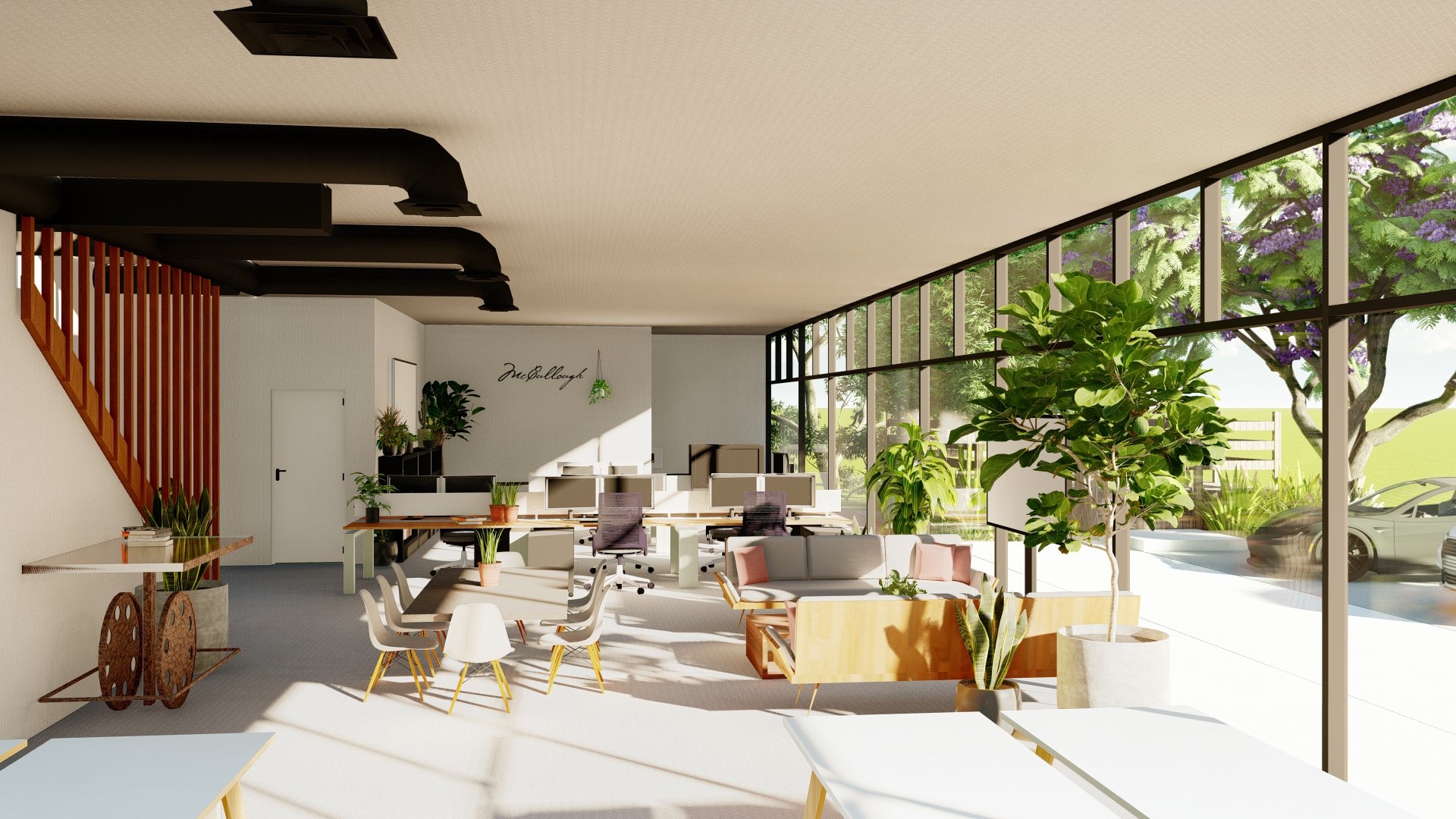
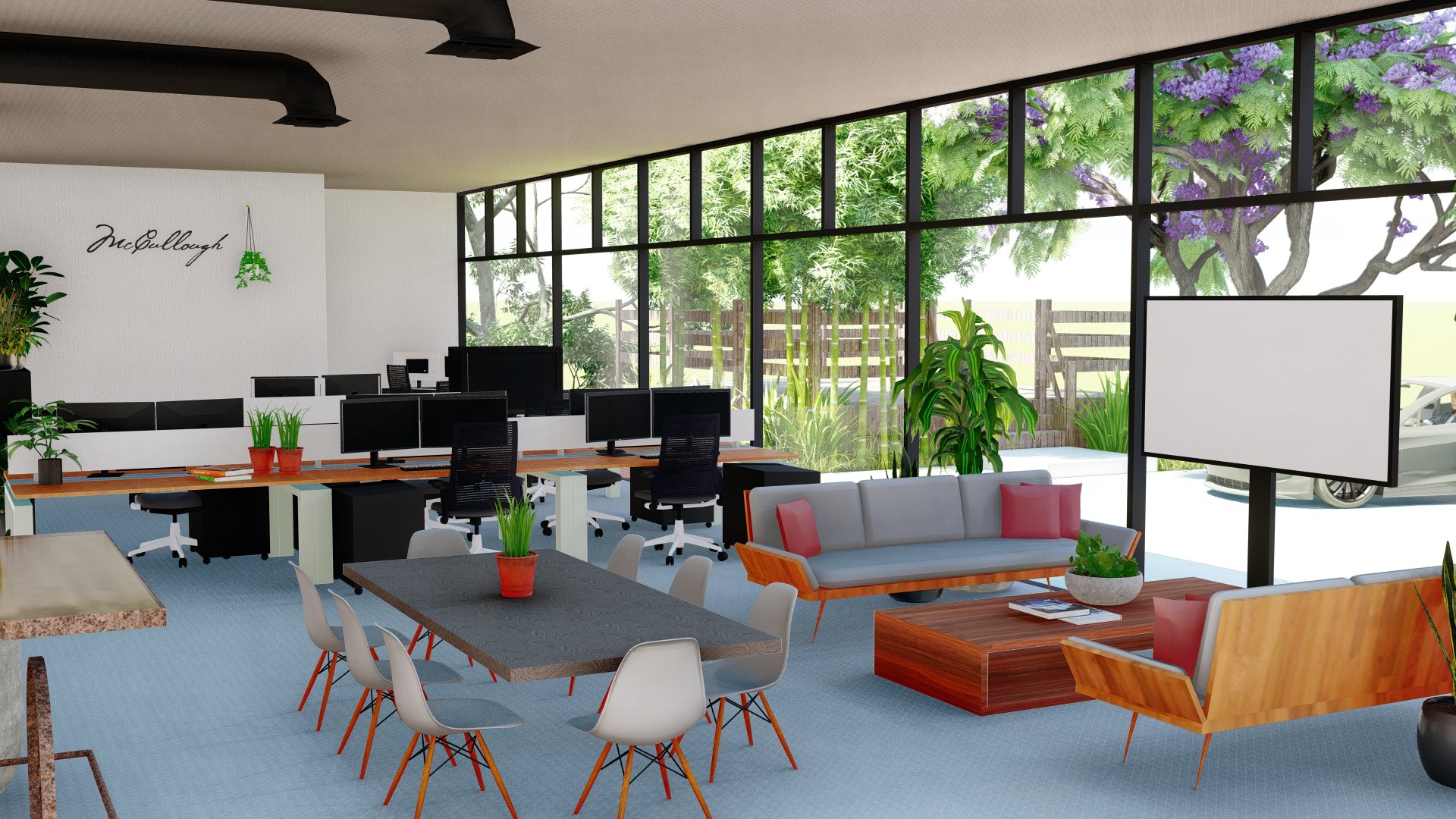
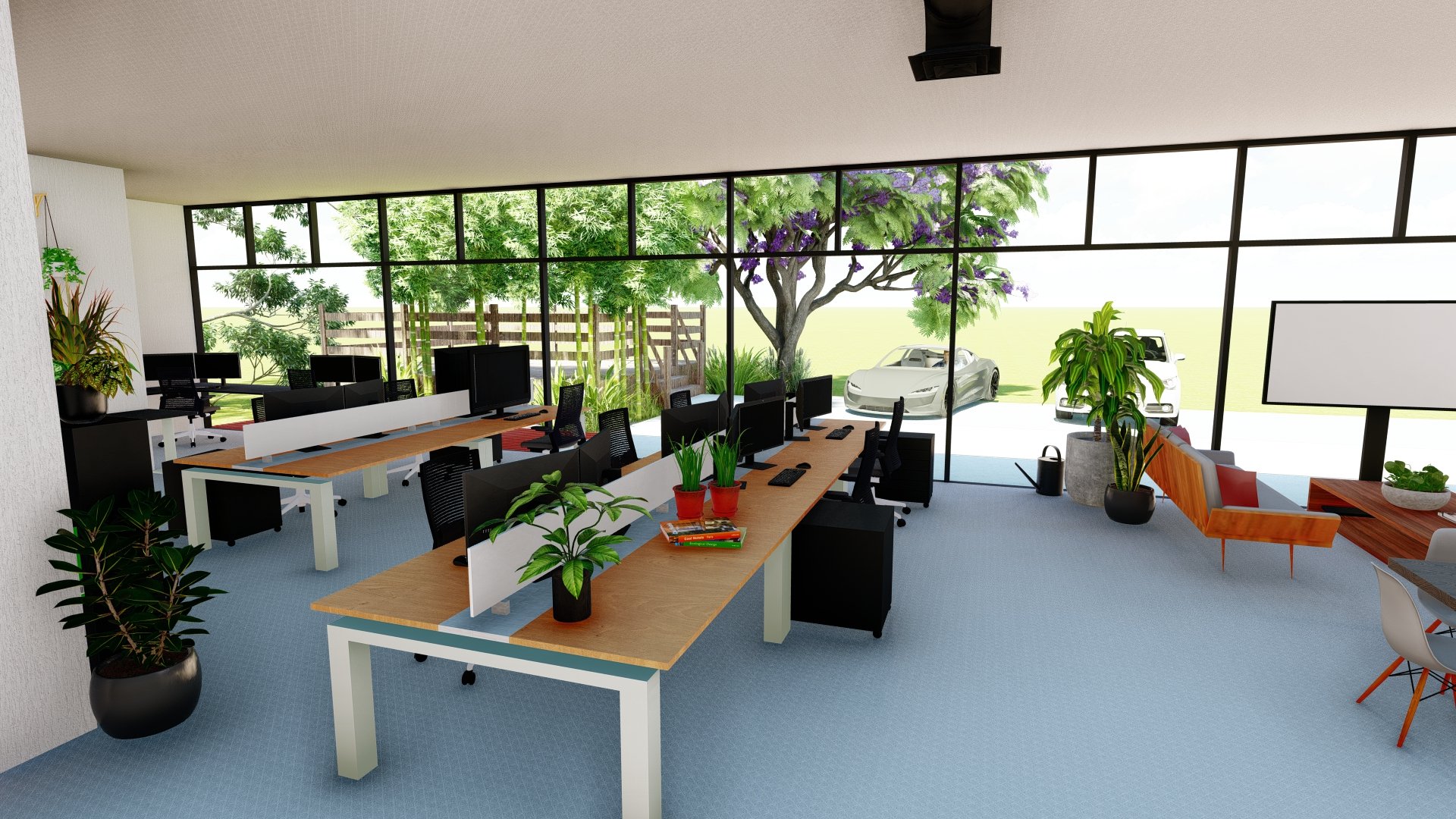
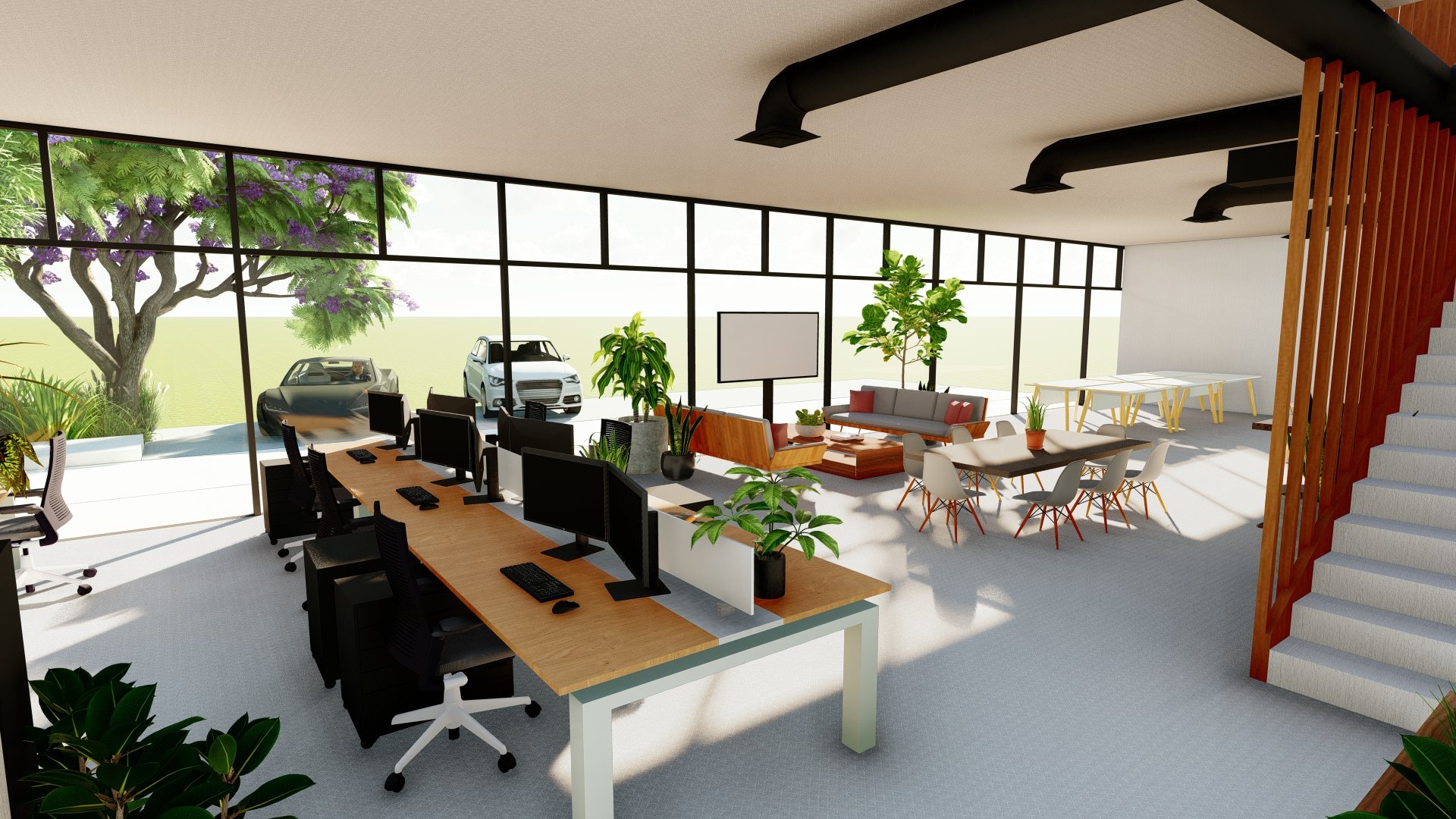
Last week, McCullough Landscape Architecture relocated its offices to the historic Design Center, located at 3605-B Fifth Ave. in the Hillcrest neighborhood of San Diego, CA. The building was designed by architectural giant Lloyd Ruocco, FAIA, who designed over 150 projects in San Diego and is credited with pioneering the post-war modern architectural movement in San Diego. McCullough’s move to the Design Center will allow the firm to grow, and be part of an effort to honor Ruocco’s legacy by transforming the building into an epicenter of design-based organizations.

The Design Center
Built in 1949, the Design Center served as Ruocco’s studio, along with the studio and showrooms of his wife, an interior designer and professor. The couple also brought other artists and designers to the Design Center, helping shape the region’s art scene. The City of San Diego named the Design Center a Historical Resource Site nine years after Ruocco’s death in 1981. Like many of Ruocco’s designs, the Design Center is primarily redwood and glass, with a flat roof, floor-to-ceiling windows, and decks overlooking the canyon. The building reflects Ruocco’s focus on harmonizing the built environment with the outdoors.

David McCullough, ASLA, PLA, Principal Landscape Architect at McCullough, states,

“The Design Center is an inspiring space—especially for a landscape architect! The open, California Modernist architecture allows building occupants to appreciate nature even while being inside. We also have an opportunity to grow in this space, and build synergy with other designers.”

At the Design Center, McCullough joins architecture firm RDC, a frequent partner, and architect Frank Wolden of FRANK, a long-time collaborator. Spaces at the Design Center are being leased to design-led organizations as the building transforms into a nucleus of creativity and innovation

render_1 - Photo.jpg render_3 - Photo.jpg render_5 - Photo.jpg render_6 - Photo.jpg

Client of the Month: Toll Brothers

Interview with Michael McCann, Regional Director of Acquisitions and Development

Oceanside Transit Center Redevelopment

McCullough is excited to feature Toll Brothers as our September Client of the Month. Toll Brothers opened its doors 55 years ago in 1967 when Bruce and Bob Toll started buying dairy farms and turning them into housing, quickly crafting a legacy in the home building industry. Beginning in Pennsylvania and growing to over 60 markets in 24 states, Toll Brothers was named the World's Most Admired Homebuilder in FORTUNE magazine's 2022 survey of the World's Most Admired Companies®, the seventh year it has been so honored.

We sat down with Michael McCann, who leads development and acquisition for Toll Brothers Apartment Living in Southern California. Michael was hired six years ago as the first employee for Toll’s Apartment Living initiative in California, working out of his home to secure opportunities. Since then, Toll has built a strong Southern California pipeline and rapidly grown, with the Apartment Living team now including 14 employees in its Laguna Hills office. Michael was excited to join the Apartment living development division of Toll Brothers, where “he could leverage Toll’s reputation as a best-in-class luxury residential developer to start something from scratch and expand Toll’s Southern California apartment business in a very entrepreneurial way.”  Utilizing its luxury home building presence wherever it has expanded, Toll’s Apartment Living division has been growing organically nationally for the past 10 years. 

The recognition the company has received is impressive, which stems from taking great care in hiring the best people and cultivating special communities everywhere they go. They have a true dedication to quality and customer service, and to giving back to the community by contributing to organizations such as the American Cancer Society, Habitat for Humanity, American Red Cross, and more. 

Toll Brothers in Southern California

From a development point of view, in the Southern California region Toll Brothers leans heavily on creativity, outstanding people, flexibility, and a strong balance sheet. The team works in a creative office environment, where there is a need to consider distinctive approaches by applying solutions specific for the community and focusing on unique projects that their competitors are not doing. They do this by bringing in a creative set of consultants to work together towards reaching their goals.  

Michael is specifically excited about a few upcoming apartment projects that are currently under construction. The first being The Lindley, a 422-unit 37-story luxury apartment community in the Core-Columbia district just south of Little Italy in San Diego. The Lindley’s luxury environment will be punctuated with large penthouse and townhome units, some of which will have their own private skydecks on the top of the building. Another project is called The Rafferty, which is located in Santa Ana. It is a podium-style building in the heart of downtown Santa Ana. One of the more interesting design aspects of the community is the inclusion of part of the historical façade of the original Orange County Title Building. These communities are going to be nice showpieces for what Toll Brothers Apartment Living can bring to the market and both will begin leasing in 2024.

McCullough and Toll Brothers Collaboration

Toll Brothers and McCullough began their working relationship in 2020, when the City of San Diego was accepting proposals to re-imagine the Midway District neighborhood. Titled Midway Village+, the entire team proposed a vision for the nearly 50-acre sports arena site in San Diego that would include more than 4,000 housing units, a new arena, a soccer stadium, a central park, a school, and some retail and office space. The Midway Village+ plan would provide housing options for all income levels, including a significant number of new affordable housing units — 1,780 in total. Their focus is on building new homes — not just “housing units.”

“David has been a prominent part of the Midway Village+ team and planning for the San Diego Sports Arena property. He has brought a great deal of experience, sophistication, and strategic thinking to the process. McCullough has been very valuable to our efforts to bring forth what we believe is far and away the best plan for San Diego.” -Michael McCann

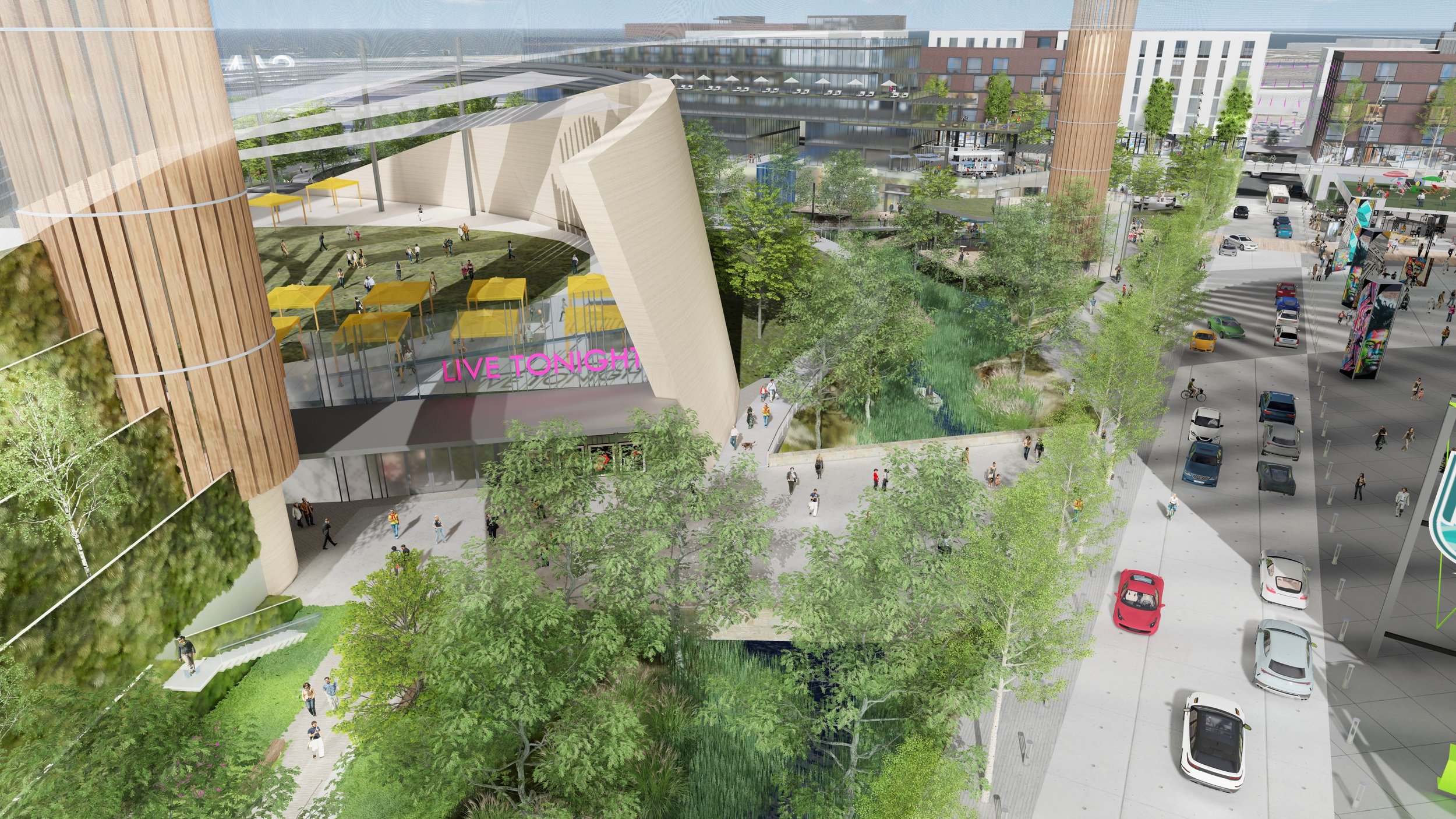
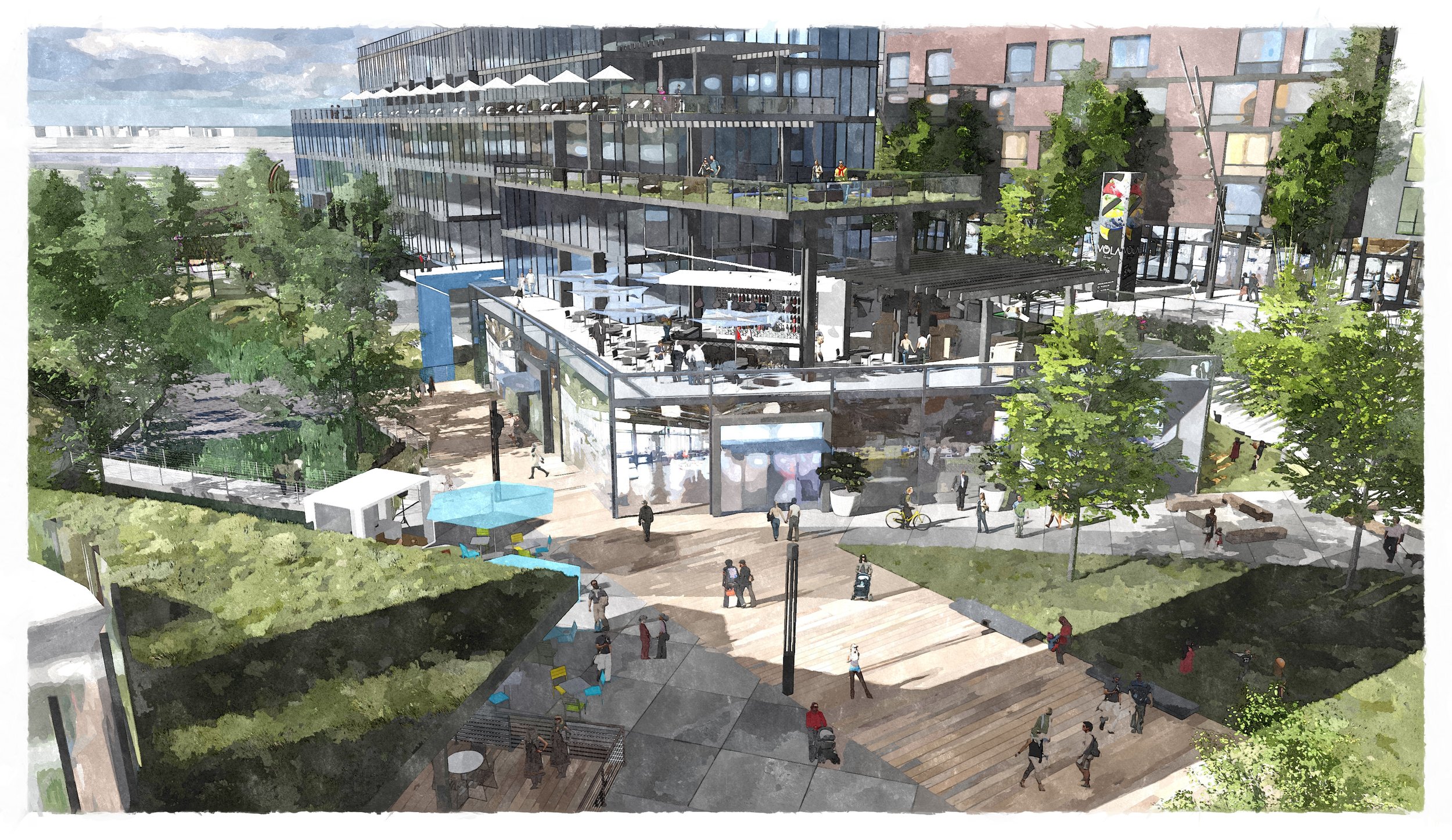
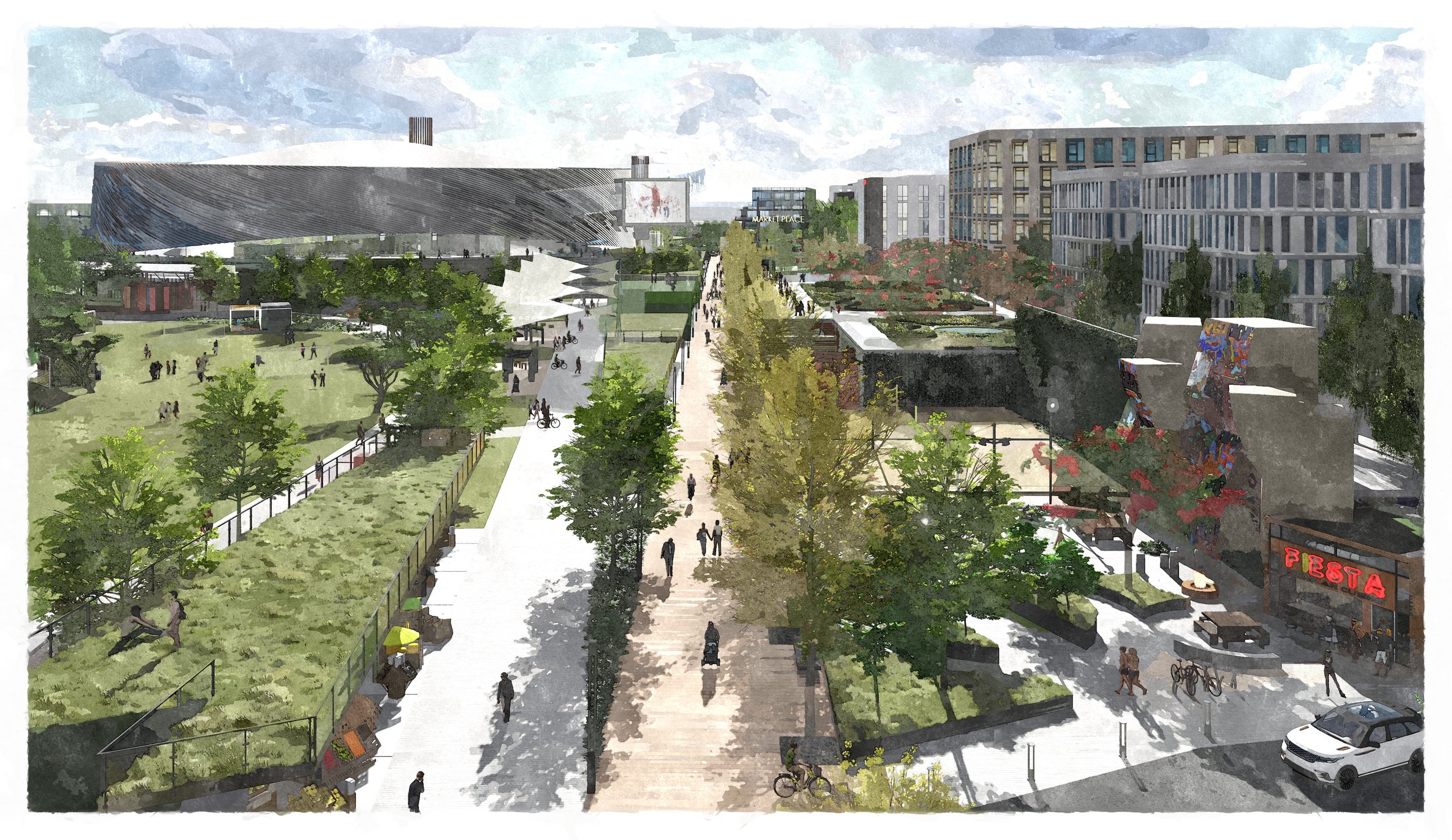
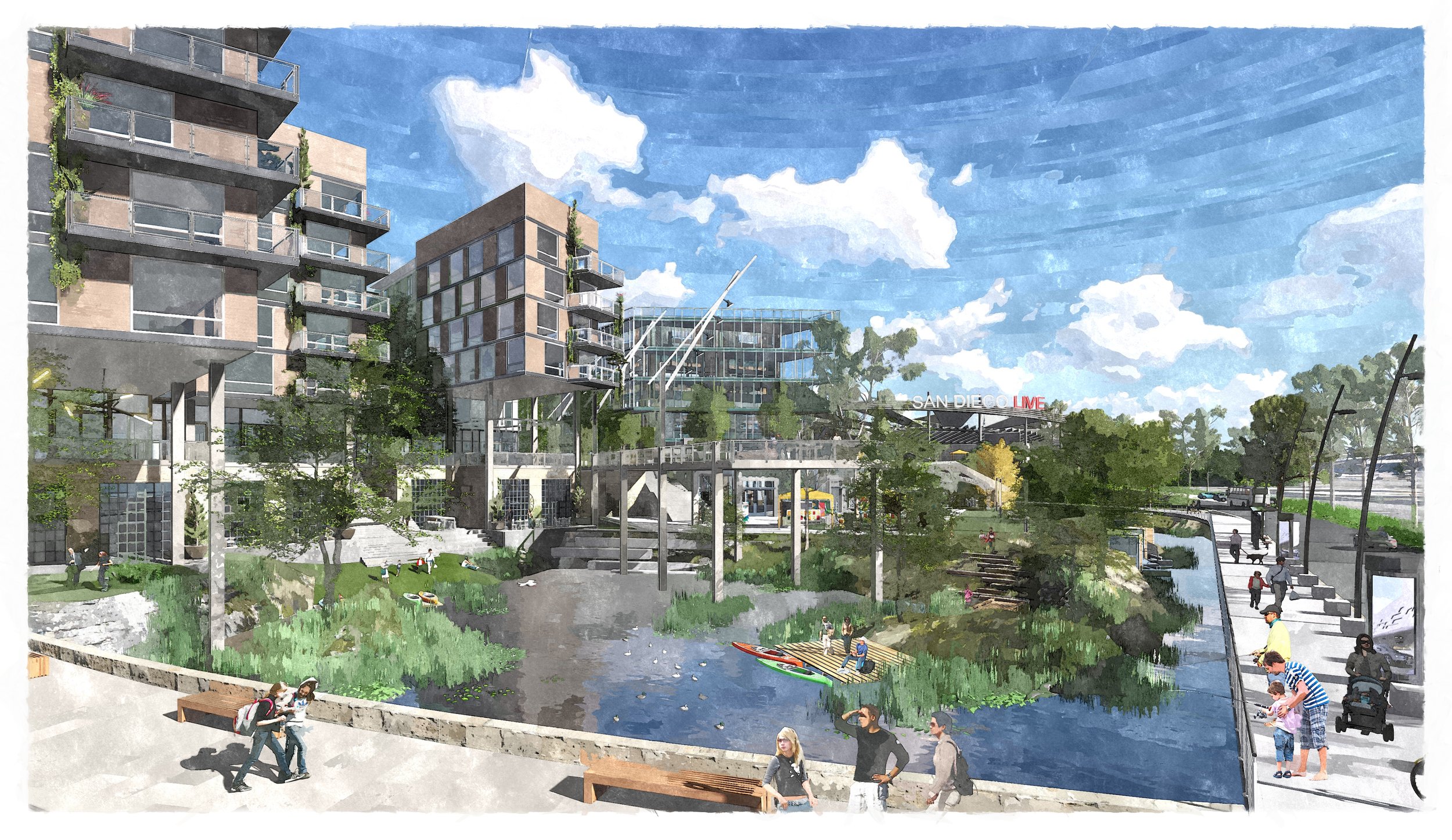
3x.jpg 6.jpg 18.jpg 28.jpg 30.jpg

Midway Village+ | Read more about Midway Village+ at midwayvillageplus.com.

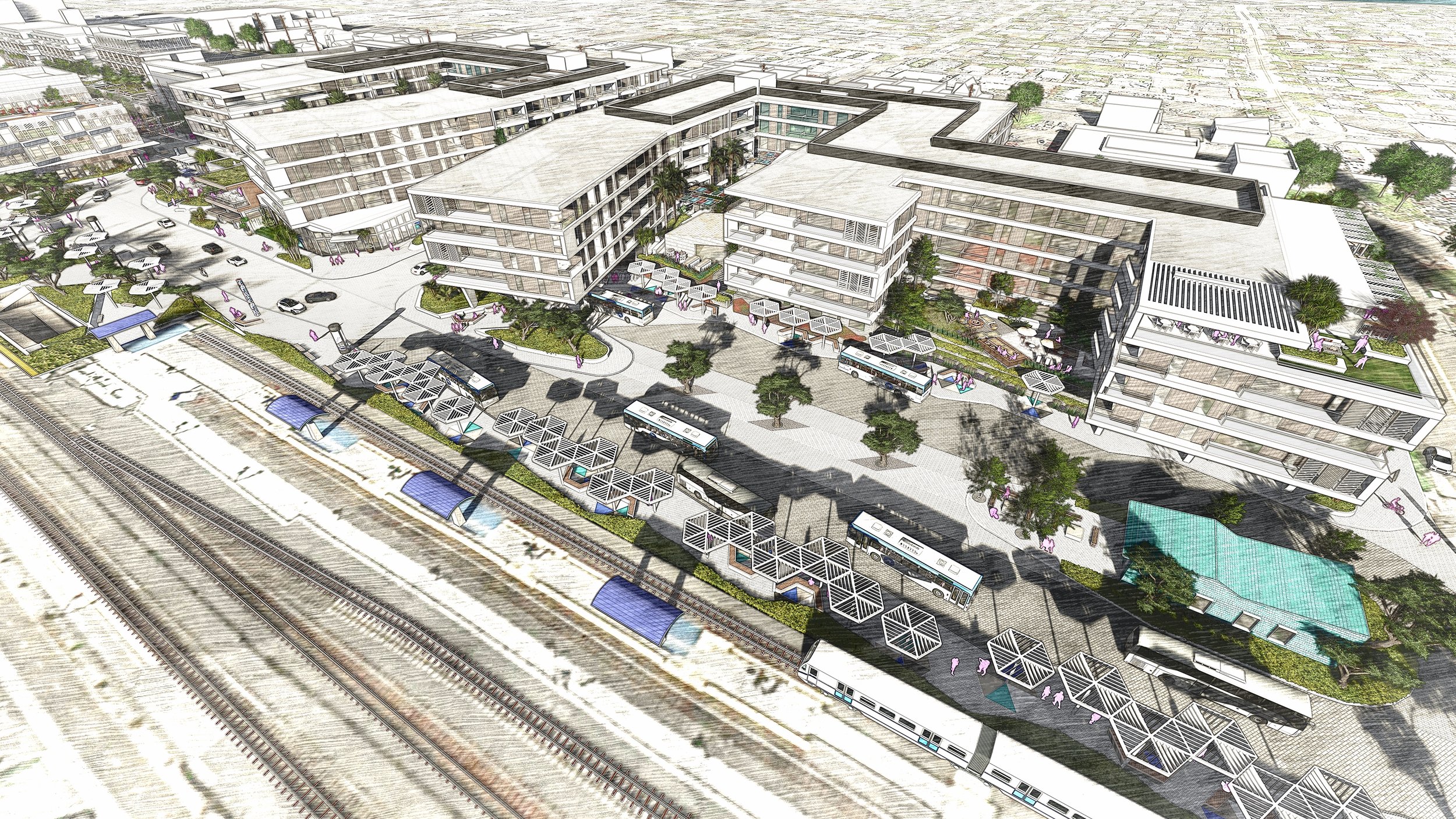
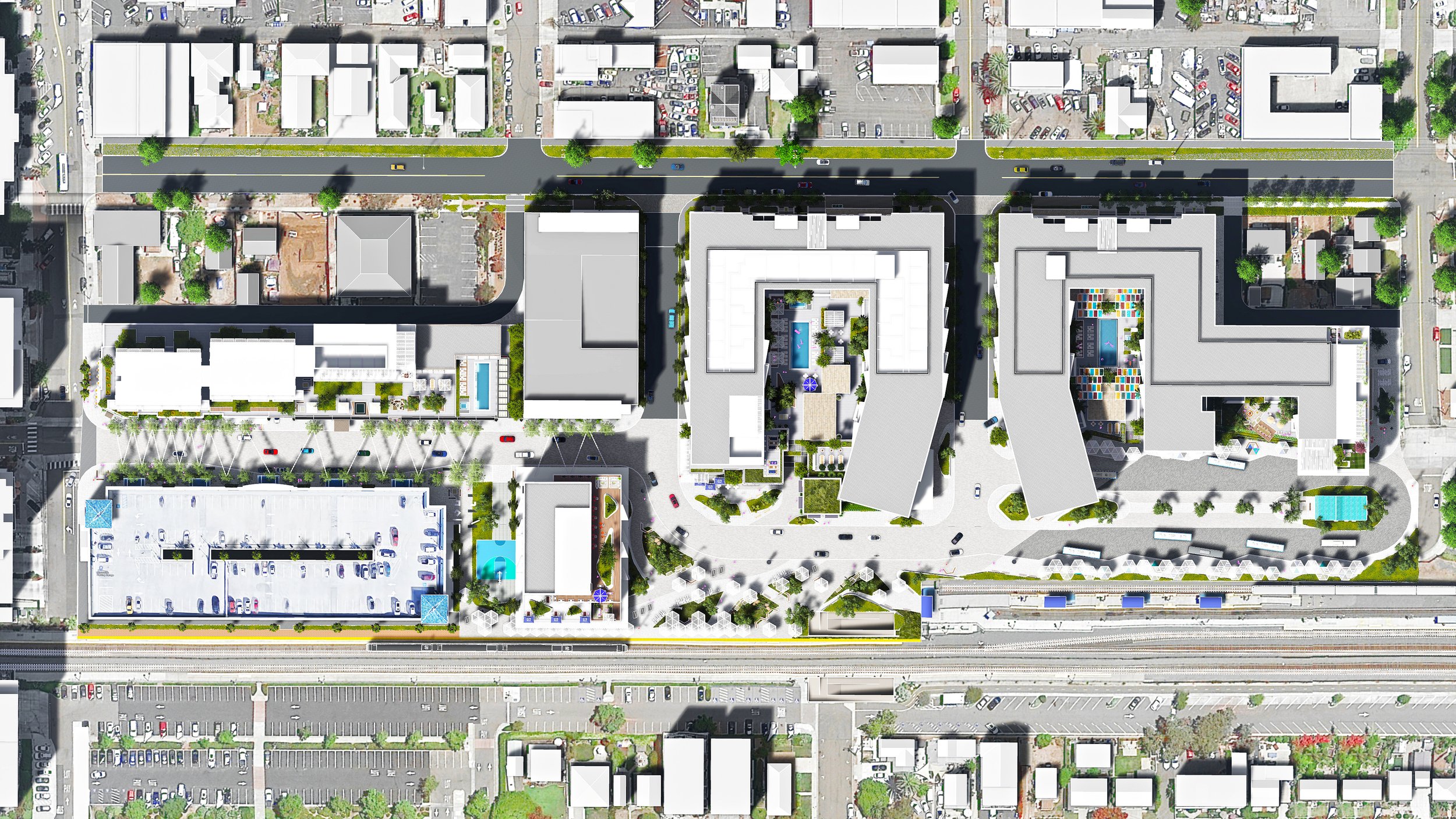
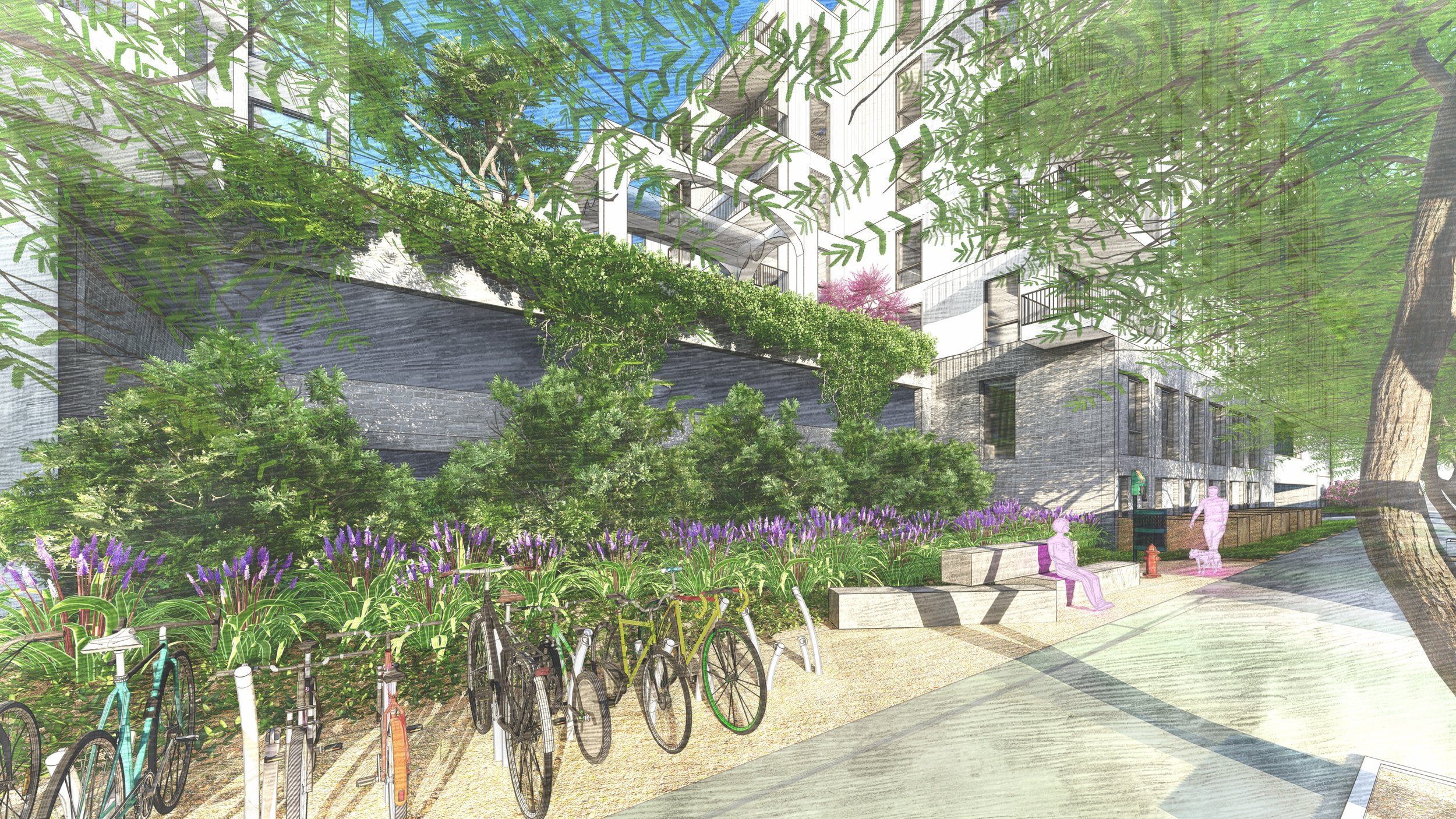
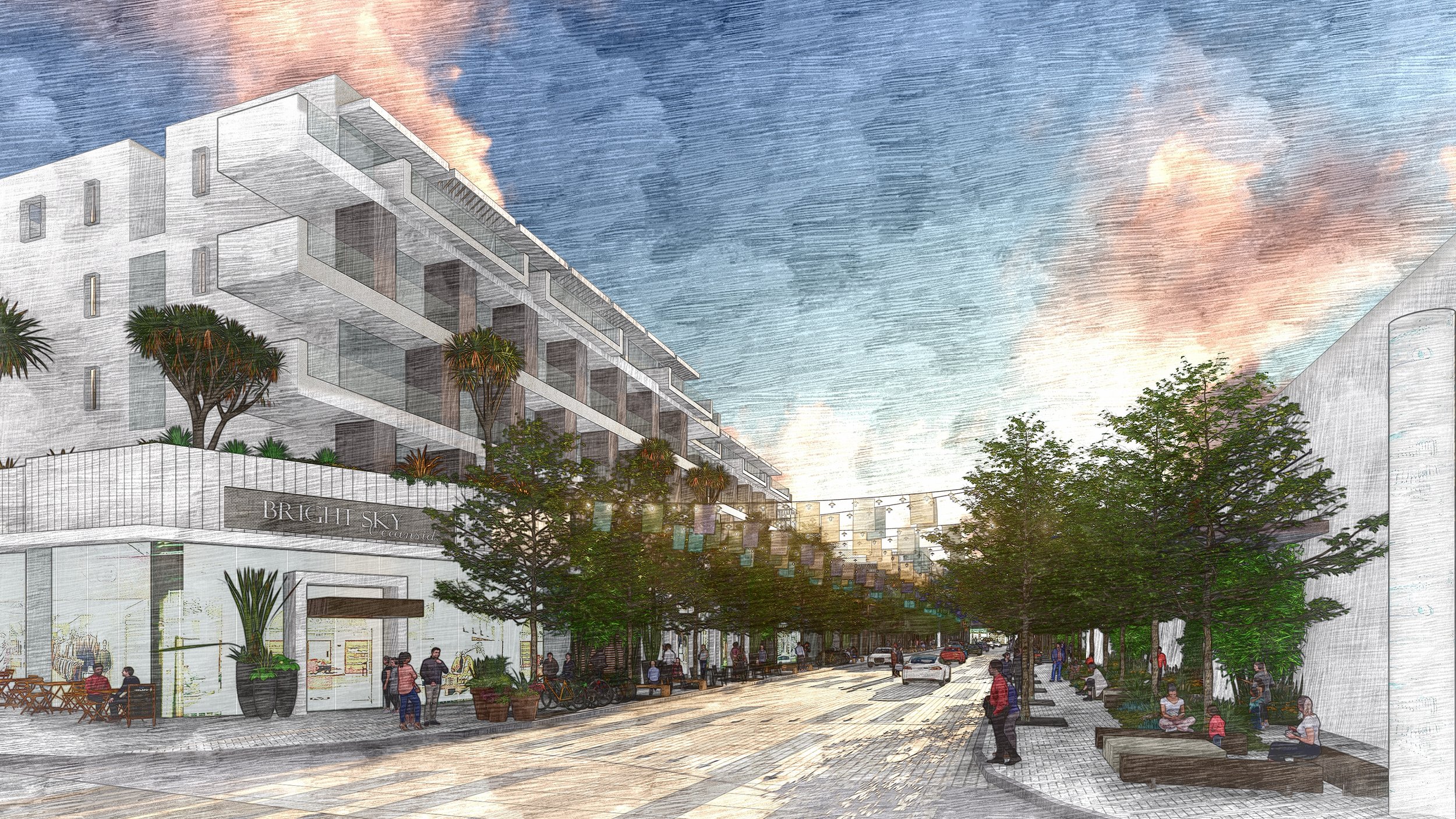
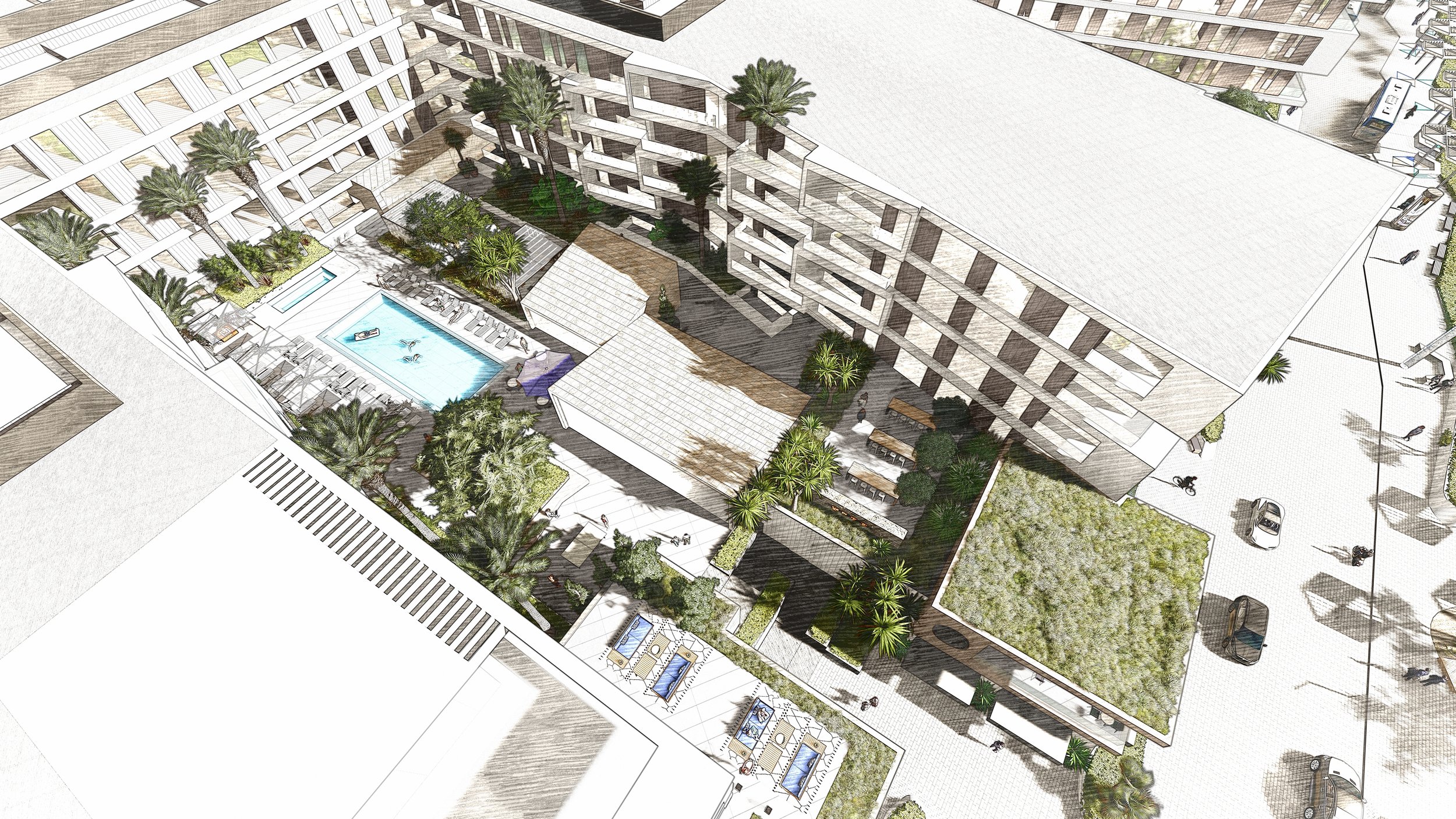
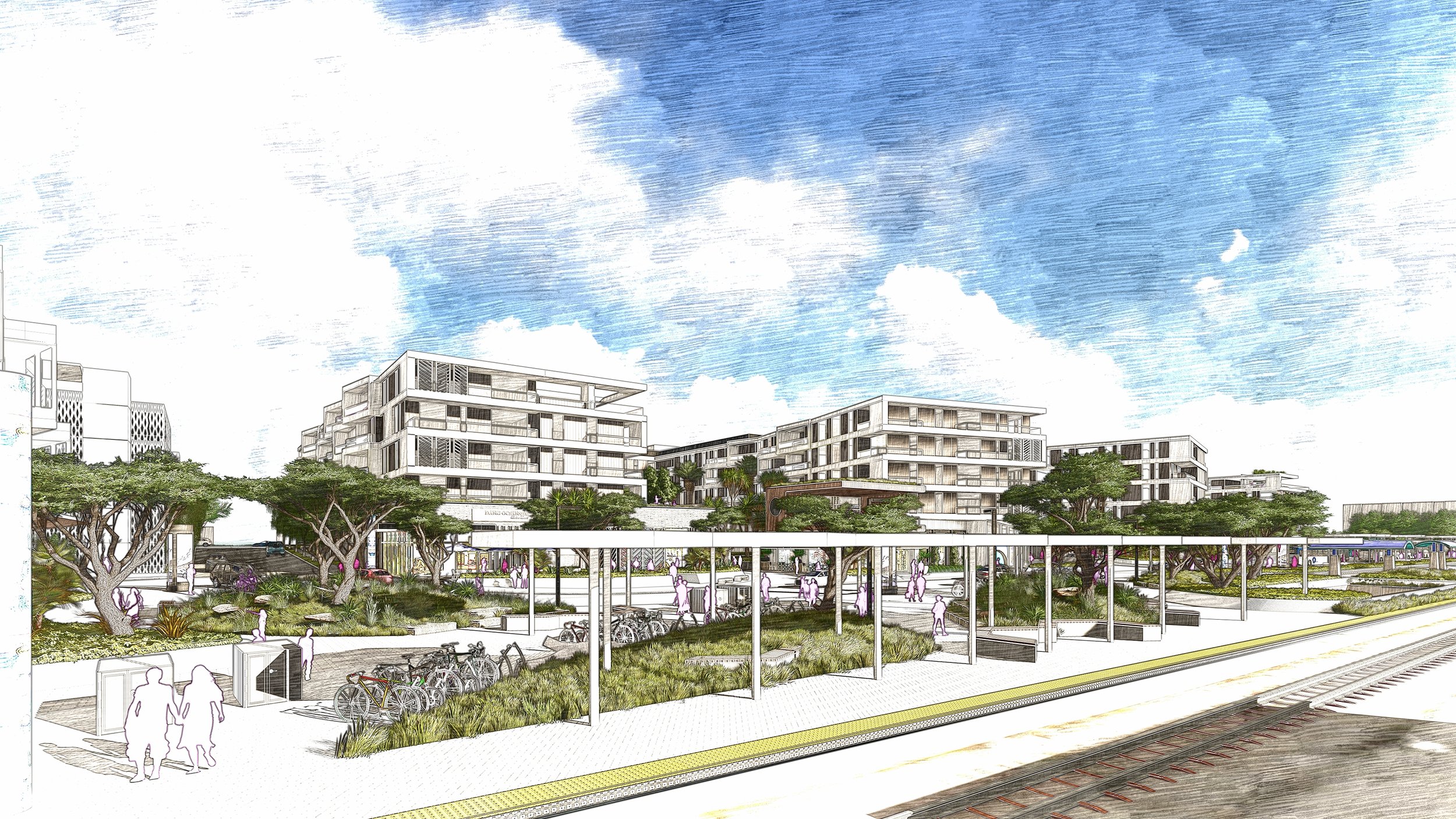
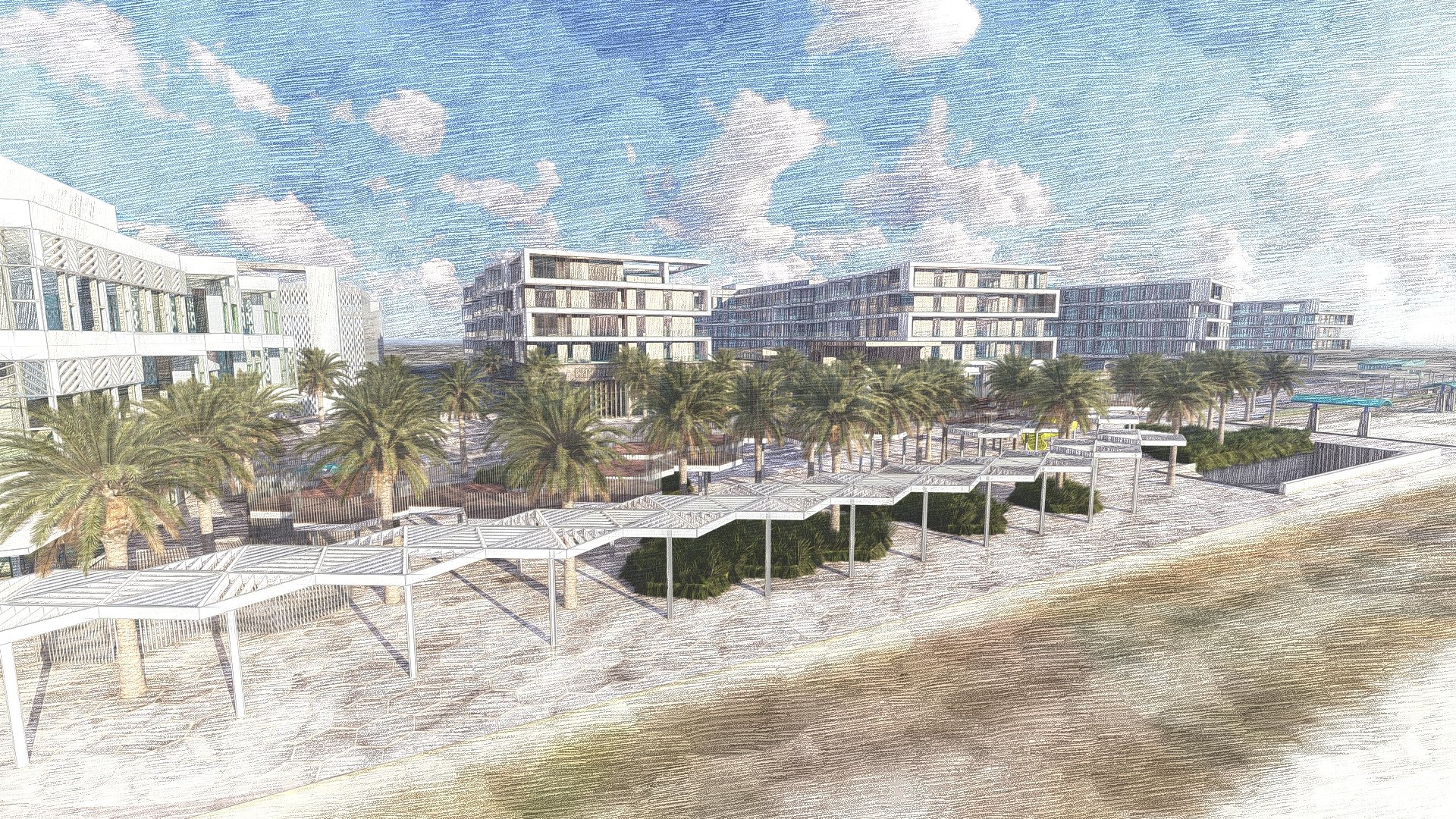
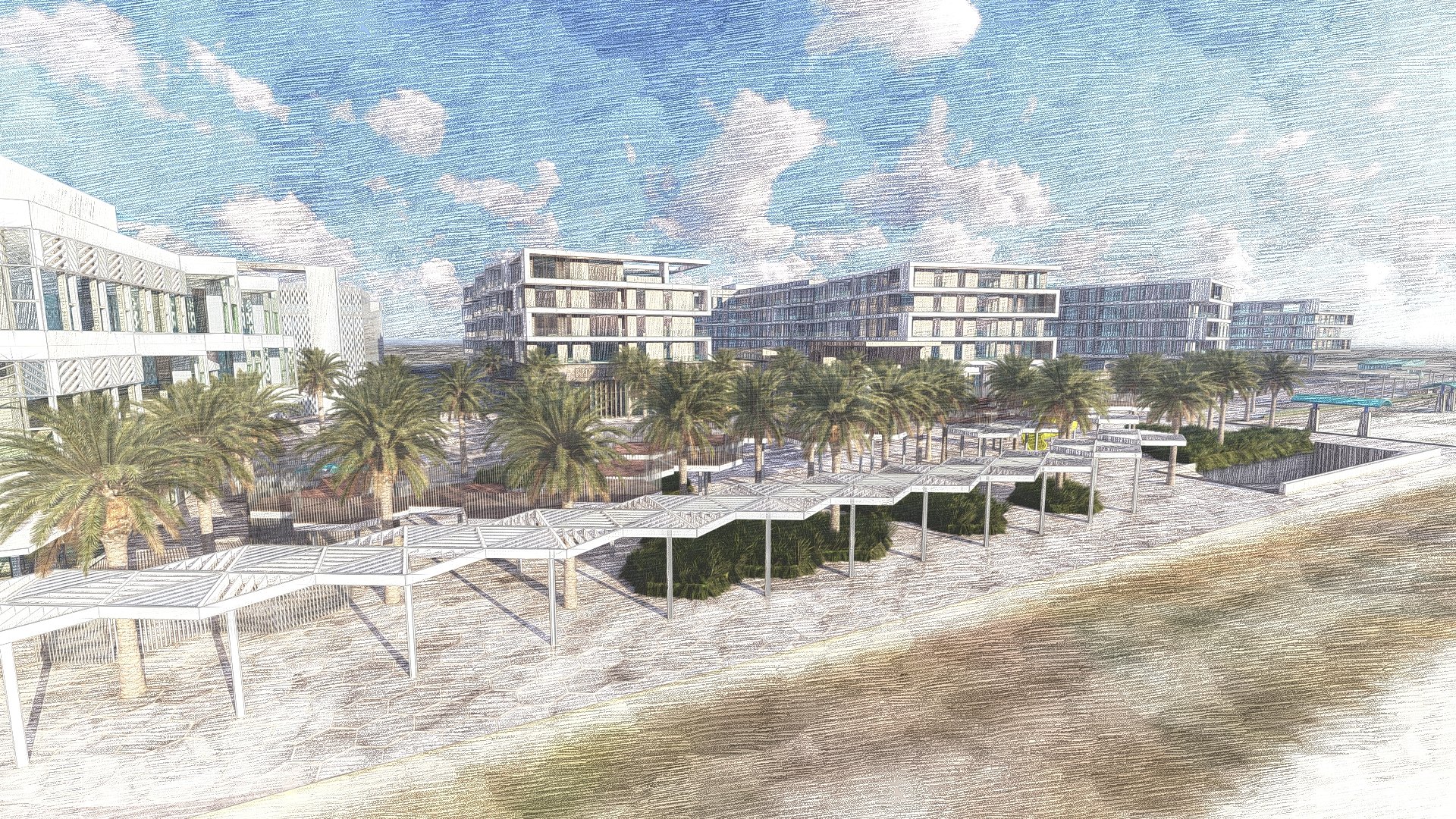
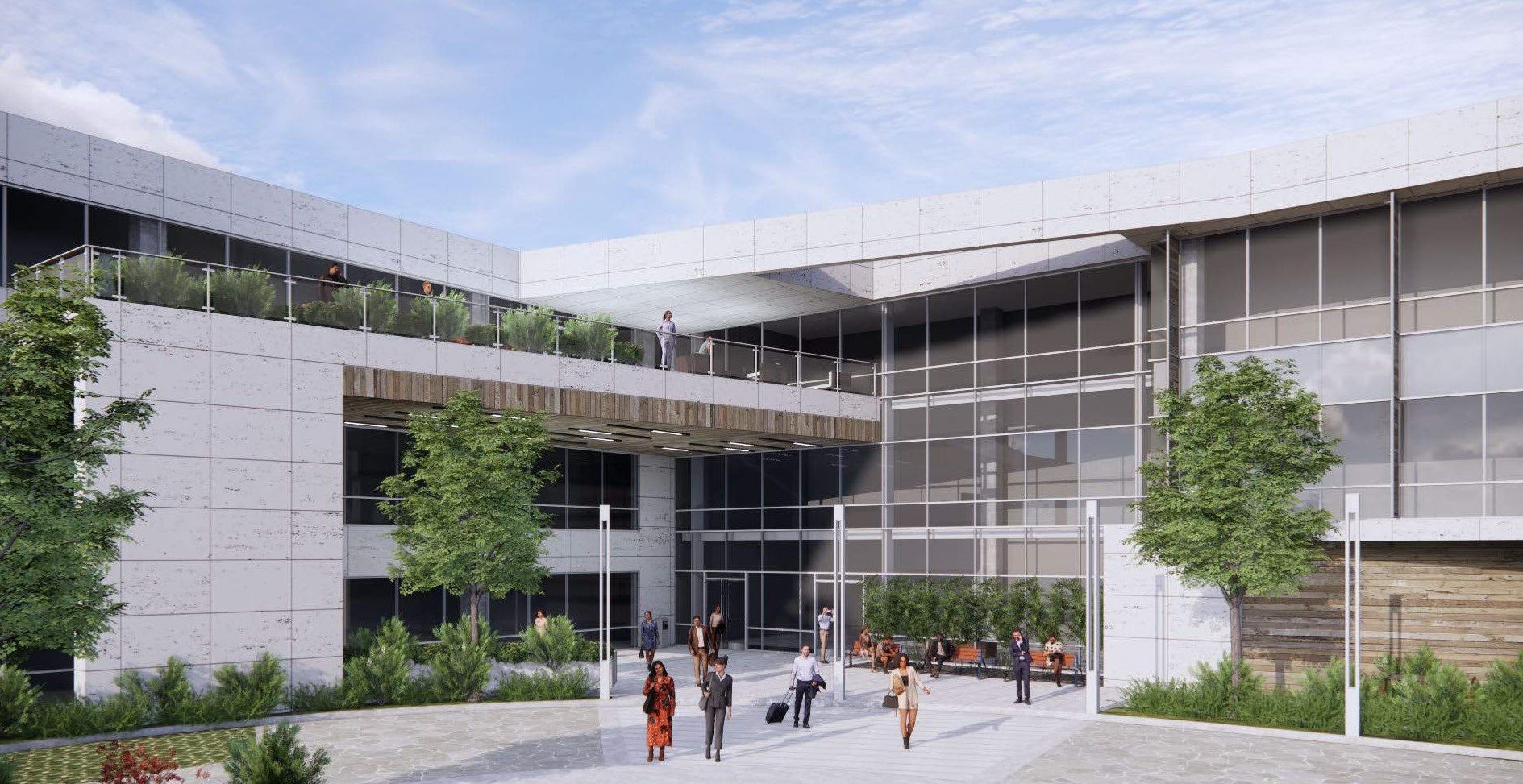
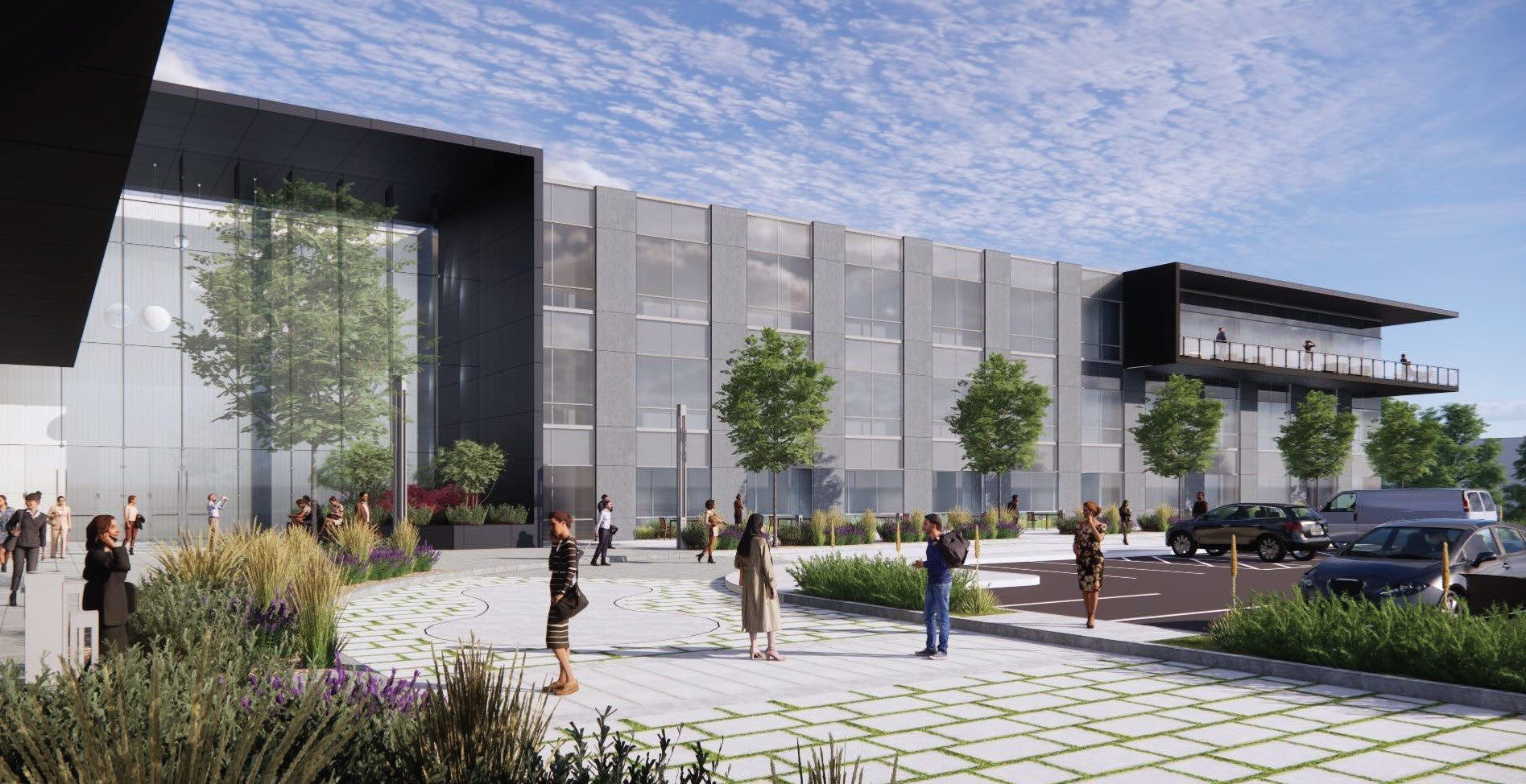
More recently, Toll Brothers and McCullough joined forces on the Oceanside Transit Center Redevelopment project in partnership with the North County Transit District. Toll Brothers was the highest-ranking proposer based on its financials and thoughtful approach. The plan is to creatively generate more value and more activity at the transit center with the addition of 547 apartments, 165 hotel keys and a 50,000 SF office building that will serve as the new headquarters for the North County Transit District.  The city of Oceanside has been very supportive thus far.

“We think it’s an exciting project and we are confident that we can blend the various uses in a way that becomes a very cohesive community at the transit center. McCullough has worked seamlessly with our architect to bring the site plan to life and help people see the vision for what we're trying to create.” – Michael McCann

McCullough is thrilled to be collaborating with Toll Brothers. We look forward to the completion of the Oceanside Transit Center redevelopment and to continuing to work together on other projects as the need for strengthening communities evolves. We are excited to witness the expansion of Toll Brothers’ expertise in apartment and mixed-use development.

1_11 - Photo.jpg
1_2 - Photo.jpg
1_12 - Photo.jpg
1_41 - Photo.jpg
1_5 - Photo.jpg
1_5 - Photo1.jpg
1_7 - Photo.jpg
1_11 - Photo.jpg
1_12 - Photo.jpg
1_15 - Photo.jpg
1_15 - Photo.jpg
1_43 - Photo.jpg
1_43 - Photo.jpg
A_1 - Photo.jpg
A_1 - Photo.jpg
A_3 - Photo.jpg
A_3 - Photo.jpg
A_6 - Photo.jpg
A_6 - Photo.jpg

Oceanside Transit Center Redevelopment


Changes in the Multifamily Landscape
of Northern California

Photo Courtesy of Bisnow

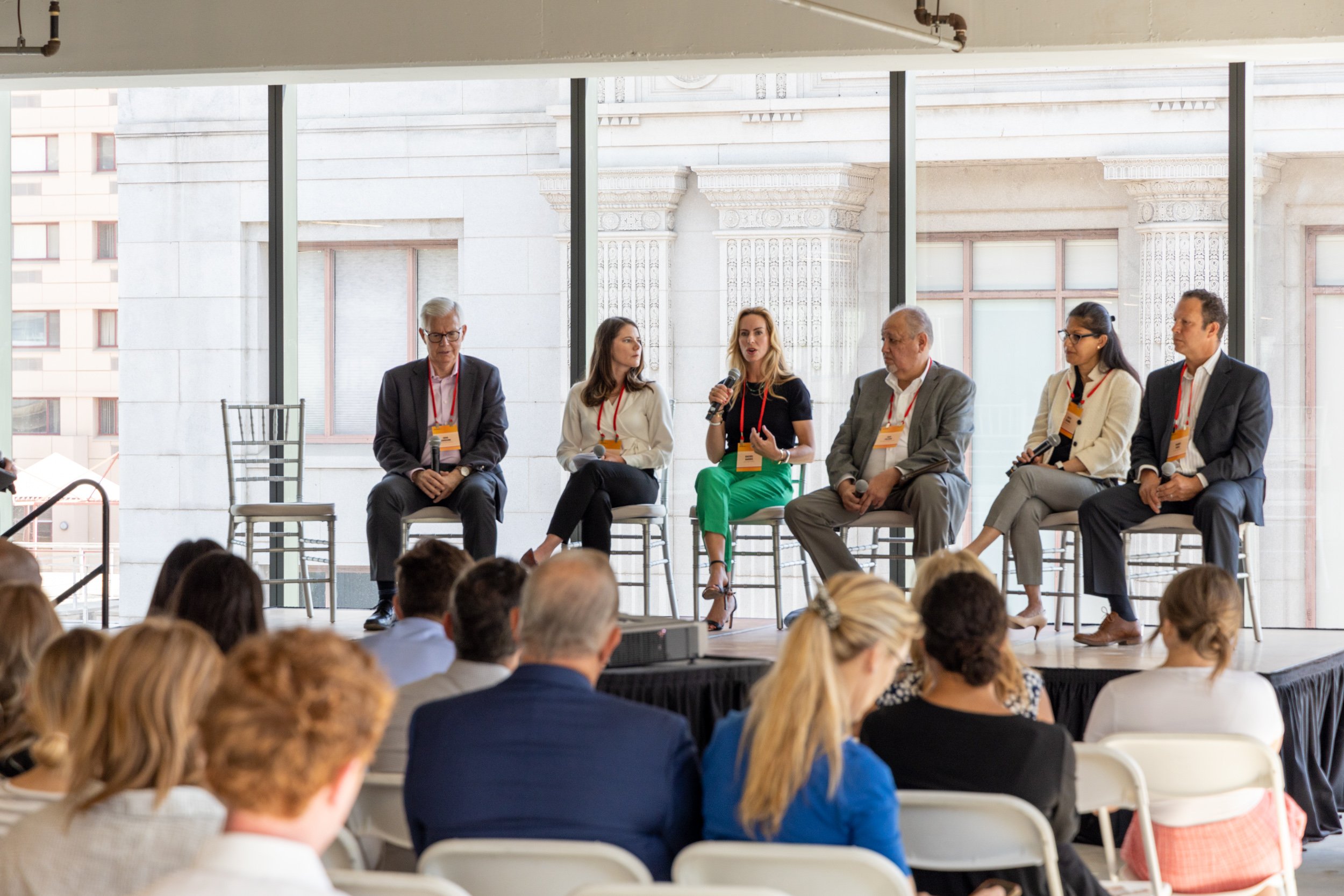
McCullough was proud to sponsor the Northern California Bisnow Multifamily Annual Conference that took place on September 15, 2022 in San Francisco. Mahalakshmi Balachandran, our Northern California Senior Associate attended the full day event, and has a pulse on important business needs, challenges, and demand changes. Keep reading below for takeaways from the event.

Highlights from Keynote Speaker Bill Witte, Related California

San Francisco has its share of challenges. It is important to do better with time and availability of supply, time to get several projects approved and the annual deliveries. It’ll be at least two years from now to get to the point. The job growth numbers which could drive apartment rents in many respects are stronger outside the Bay Area than in the city. The urban core is expanding outside the city with an increase in community and urban mixed-use projects like Bishop Ranch and Springline Menlo Park. This trend will continue to do well outside the city because of the type of renters these projects are aimed at.

“Things as much as they change, they don’t change as much. Unless you believe that the city is falling off a cliff, it’s still beautiful and people still want to live in it.”  - Bill Witte, Related California
How do we change the Central Business Districts (CBD)?

Unlike the CBDs like midtown of New York, Chicago, or LA that suffered during the pandemic at a greater level, the mixed-use areas however, survived. In the city of San Francisco, 60-70% of the taxable income comes from small businesses in and around central businesses. San Francisco ignores the fact that as a city, it didn’t have to try. It just happened. In New York, in the late 70s, the “I love NY campaign” made a big difference in 10 to 15 years.  San Francisco is beginning to get that message. When the areas around the offices are fully programmed cautiously, people are going to go out there.
Developing in a volatile economy

In this economy, the construction cost didn’t drop but went from 4% to a 40% higher. This affects the affordable housing market when you need 900,000 units and are limited with the number of subsidies that can be issued. One thing that worked for Related California is reaching out to the Unions of the construction workforce to help with the sub-contractors to come up with solutions collectively. Focus should be on changing the construction cost and on the infrastructure bill. The positive is that the Governor and the State have ramped up the cities to build more housing, but opportunities are masquerading as unsolved problems - the financials, construction costs, labor shortage, etc.

“Things will happen as long as there is a recognition.” - Bill Witte

Adapting to Demand Changes of Affordable Housing

With the current scenario to figure out logistics, efficiencies, labor, entitlements, and city approvals, “time” is directly corelated to inflation processes that will be an impediment to building housing, and it must move faster. In San Francisco, there has been a 35% drop in rents during COVID across portfolios and developers have all-in for most projects. There will be a significant increase in rents from almost $550/SF to about $800/SF but this must be a systematic change.

“Cost is the biggest deal today. Earlier was the supply issue, now we are staring down the face of the National Railway Strike.” - Stuart Gruendl, Bay Rock Multifamily

HUD, Region IX is looking at modular manufactured housing in the Bay Area as one of the solutions to address higher costs in affordable housing supply and affordability. HUD code provides pre-approved requirements for those types of housing, which is comparable to San Diego Housing Commission’s inclusionary regulations.

The state of California over the past four years has committed to $10 billion toward affordable housing. Cities like San Francisco were always on the cutting edge since 2012, converting public housing projects through public private partnerships into tax credit projects. Smita Seshadri of Bridge Housing illustrated that the City has a huge pipeline for portable housing projects, but California is up against the tax-exempt bond volume cap.  The federal money allotted to each state is based on population. That means, because California is such a populated state, we must keep applying for multiple funding grounds for tax credit and bond allocation.

While talking about supportive housing, Dixie Baus, Eden Housing, shared that it is necessary to not see it like a box and incorporate support services in every development, whether it be to get a doctor, or a homework club, or access to internet, which creates healthier environments.

The pandemic has brought the change in public perception. The idea that everyone should have a home, a safe and affordable shelter, shows that development has arrived. This is a huge boost to the ability to build more closely while streamlining with local government.

We are currently developing a community where people can learn, live, work and get to know each other. Since COVID, the boundaries have been vanishing. Hence development of residential has become one of the things that we are relying on to do more than just building a building. How do we make a better place to live? Like Dixie says, “One corner at a time!”


Comment 1 Likes

Parklets and the Power of Creative Reuse

August 22, 2022  /  Catherine McCullough

Park(ing) Day celebration at the McCullough office in 2015

A Recap of Park(ing) Day & Parklets

Park(ing) Day 2022 is fast approaching and will be occurring on September 18. For those unfamiliar with Park(ing) Day, or needing a recap of parklets -- this day is a celebration where people across the world temporarily repurpose street parking spaces, converting them to tiny parks and places for art, play, and activism – aka “parklets”. Started nearly 20 years ago in 2005, this event emerged to help communities visualize the transformation of the public realm for pedestrian use instead of for automobiles. Since then, “parklets” have become ubiquitous and accepted uses for parking spaces around the world, in part due to a response coming out of the recent pandemic. 

As the founder of Park(ing) Day, John Bela explains in the article How Park(ing) Day Went Viral, “I like to think of Park(ing) Day installations as the gateway drug for urban transformation.” These spaces create opportunity for social interaction that did not exist before. They also fuel our creative muscles as designers and influencers. If we can rethink and repurpose parking spaces to fill voids in our neighborhoods – or to address a lack of government funding for social and infrastructural initiatives in our places -- what else can we reimagine and repurpose in our built environments to better serve our collective needs? Bela’s article explores parklets and the power of creative reuse –arguing that the real value of Park(ing) Day lies in the 364 days of the year when we are not celebrating this official event. 

Celebrating Park(ing) Day

McCullough Permanent Parklet/2021 Park(ing) Day Celebration

Several years ago, McCullough participated in bringing one of the first permitted parklets in downtown San Diego outside of our office location on the 700 Block of 16th Street in East Village. Like many parklets, this project was a collaboration between several of the tenants on our block including AVRP Studios, Moniker Group,  and others. Read more about the process of designing, building, and activating our parklet in our post, Reimagining our Downtown Parklet for International Park(ing) Day.

The city of San Diego and the state of California have continued to evolve on their acceptance and stance on parklets – as a pandemic panacea for restaurants to gain immediate access to outdoor dining to a more recent push requiring strict permits for all long-term parklets. Read more about our take on street-side dining in our August 2020 blog post. In San Diego specifically, this push for permits can be reviewed under the city’s updated Spaces as Places Program.

While McCullough will not be hosting our own Park(ing) Day events this year, we are huge proponents of the event and parklets as a replicable example of tactical urbanism. Recently, I interviewed two members of the McCullough Team – David McCullough, ASLA, PLA and Benjamin Arcia, M.U.D., about their thoughts on what urban design interventions are inspiring them around the world right now and might emerge as the next viral example of tactical urbanism. 

Q&A with firm Principal, David McCullough, ASLA, PLA

Ciclovia in Medallin

AS: Parklets are powerful because of their feasibility as low-cost, adaptable, transformations of space along the street. What other examples of tactical urbanism are you currently seeing around the country and world that are inspiring you as ways of flipping the script on “expected” usages to better serve the needs of communities?

DM: When I travel throughout Central and South America, I am constantly inspired by the ways in which cities close major roads for pedestrian use. You have examples of Ciclovia in Bogotá, Columbia where every Sunday, the city shuts down 75 miles of its city streets to form a pedestrian and bicycle superhighway. Ciclovia also occurs in Medellin and Via RecreActiva which takes place in Guadalajara and other cities in Mexico. These programs lead to a takeover of city roadways by pedestrian, skaters, and cyclers. They promote social connectivity and exercise, and they demonstrate a huge return on investment for public health based on an investment to support such activities.

During COVID, San Diego closed some of our streets to vehicle traffic to promote walking and cycling space through the initiative called “Slow Streets.” Now that we are moving beyond the pandemic, I would like to see how we, as a city can explore implementing regular closures of some of our major thoroughfares for pedestrian usage. It would be great to know what expected and unanticipated benefits would come from such an initiative.

AS: How do parklets and the concept of tactical urbanism relate to that type of work at McCullough?

DM: As landscape architects and urban designers at McCullough, we are always pushing the realm and having fun while creatively exploring the full gamut of possibilities for our clients and the project sites. Whether it’s implementing parklets of our own at our office or for clients, connecting clients and projects with bicycle and micro-mobility advocacy in the city, or exploring unexpected yet permittable usages for space along the street in both public and private development, we are constantly being inspired by others, integrating new strategies into our mission of merging context and creative passion with grit, soul, and style.

Q&A with Senior Associate, Benjamin Arcia, M.U.D.

Sidewalk Nursery

AS: What other examples of tactical urbanism and creative reuse inspire you as ways of flipping the script on “expected” usages of space to better serve the needs of communities?

BA: Right now, I’m interested in further exploring the potential of parklets in our cities and in San Diego. We have grown accustomed to the potential of parklets as extensions of nearby businesses, be it at cafés, restaurants, bars, etc. What would it look like for additional parklets to emerge that do not have a direct connection to surrounding businesses? What would it look like for parklets to develop to support micro-businesses and micro-retail, kiosks, and vendors in our city?

If you look at other cities throughout Central and South America, you find streets that are buzzing with small businesses and vendors. Here, the public view streets as places to conduct commerce. The sidewalk is a place of work, and the street is more than just as means for movement (pictured above). Moreover, these streets feel like consistent outdoor markets and differ from farmers markets that may exist for only a few brief hours a week in specific neighborhoods throughout San Diego.

As a proponent of micro mobility, I would argue that our city undervalues the real estate and earning potential of parking spaces, subsidizing these spaces to make it convenient for people to park on the street. I am suggesting that we need to challenge this notion and pilot programs for some of our streets to support kiosks and vendors. We need a frank assessment of the spatial potential of parking on our streets.

I would anticipate that in piloting such a program, brick-and-mortar businesses in town may feel threatened by vendors and kiosks conducting business outside of their doors. Remember that people attract people, and activating our streets further would only add more foot traffic to brick-and-mortar businesses. By creating low-barrier-to-entry opportunities supporting small business entrepreneurs through the takeover of these parking spaces, we could add vitality and diversified businesses to our streets and our city. Imagine the ripple effects of such a spatial transformation.   

Democratizing Design: Key Takeaways

Some design ideas are tailor made to a site and are born out of sense of place - genus loci. Other ideas are simple, replicable, scalable, and adaptable. Both forms of design are important. Like the examples of tactical urbanism provided by David McCullough and Benjamin Arcia, Park(ing) Day reminds us of the importance of design solutions that all of us can help to imagine, create, experience, and enjoy.

Tactical urbanism allows all of us, whether design professionals or engaged citizens, to participate in revisioning how we can creatively and efficiently repurpose materials to improve our cities, our spaces and places, in an effort to better serve our collective needs and imaginations. By encouraging participation in Park(ing) day, we are inviting residents to play in space, to think about what other design solutions may emerge as more people join in reimagining how we live and thrive in our built environments.  

This Park(ing) Day, our team at McCullough invite you all to visit your favorite parklet in San Diego. As you enjoy this space, remind yourself that most of these repurposed spaces did not exist only a few years ago. Regardless of your background, we invite you to explore what design ideas you have that would improve the spaces that you inhabit throughout your daily routines. Get creative and have fun. Be reminded that the powerful idea of parklets started as a napkin sketch. Who knows, maybe your sketch will gain traction, transcending from a new and uncommon idea into a ubiquitous design solution absorbed into the fabrics of our future built environments.

Andrew Schlesinger, ASLA
Associate


Two McCullough Projects Honored with PCBC Gold Nugget Awards

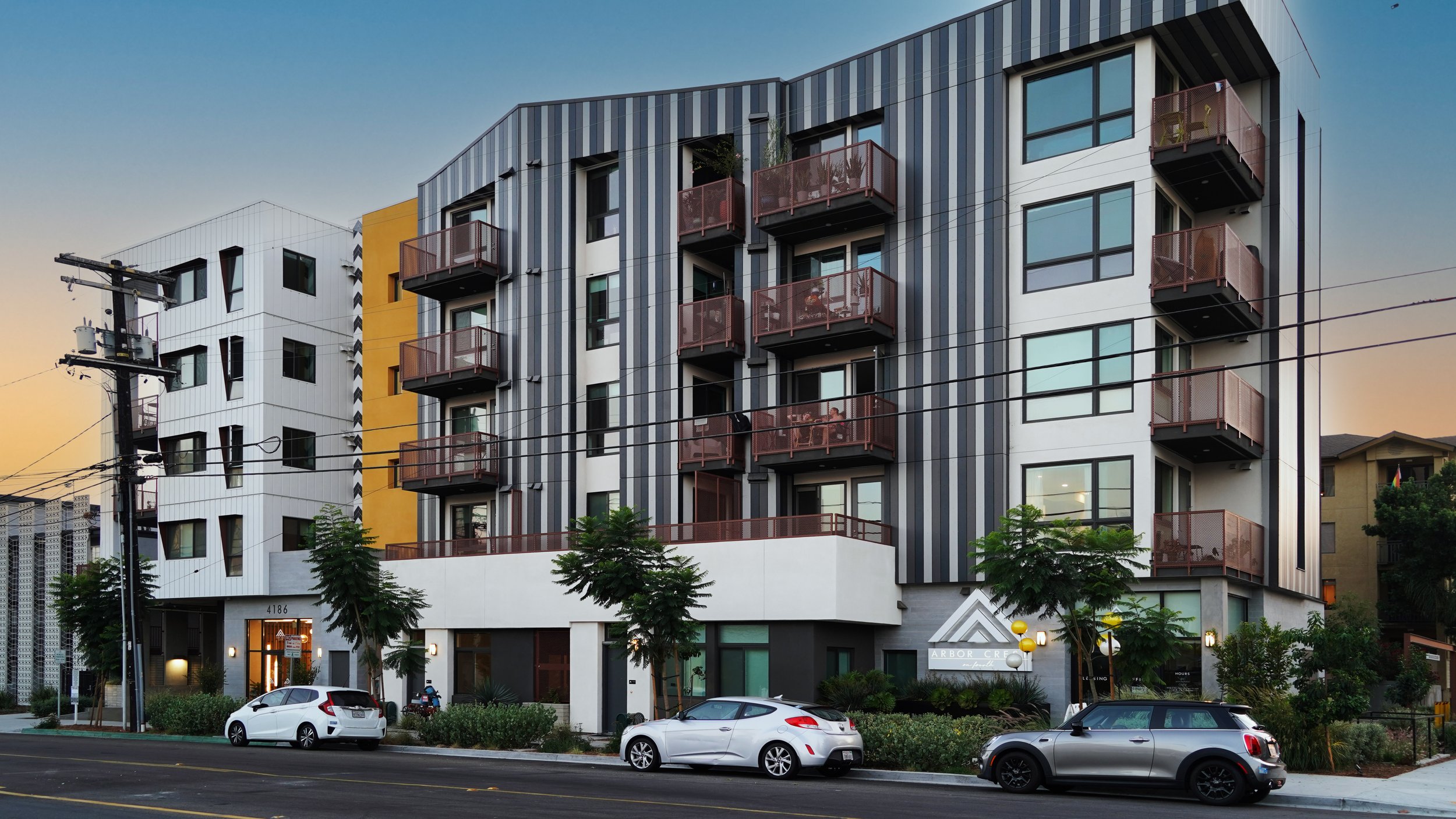
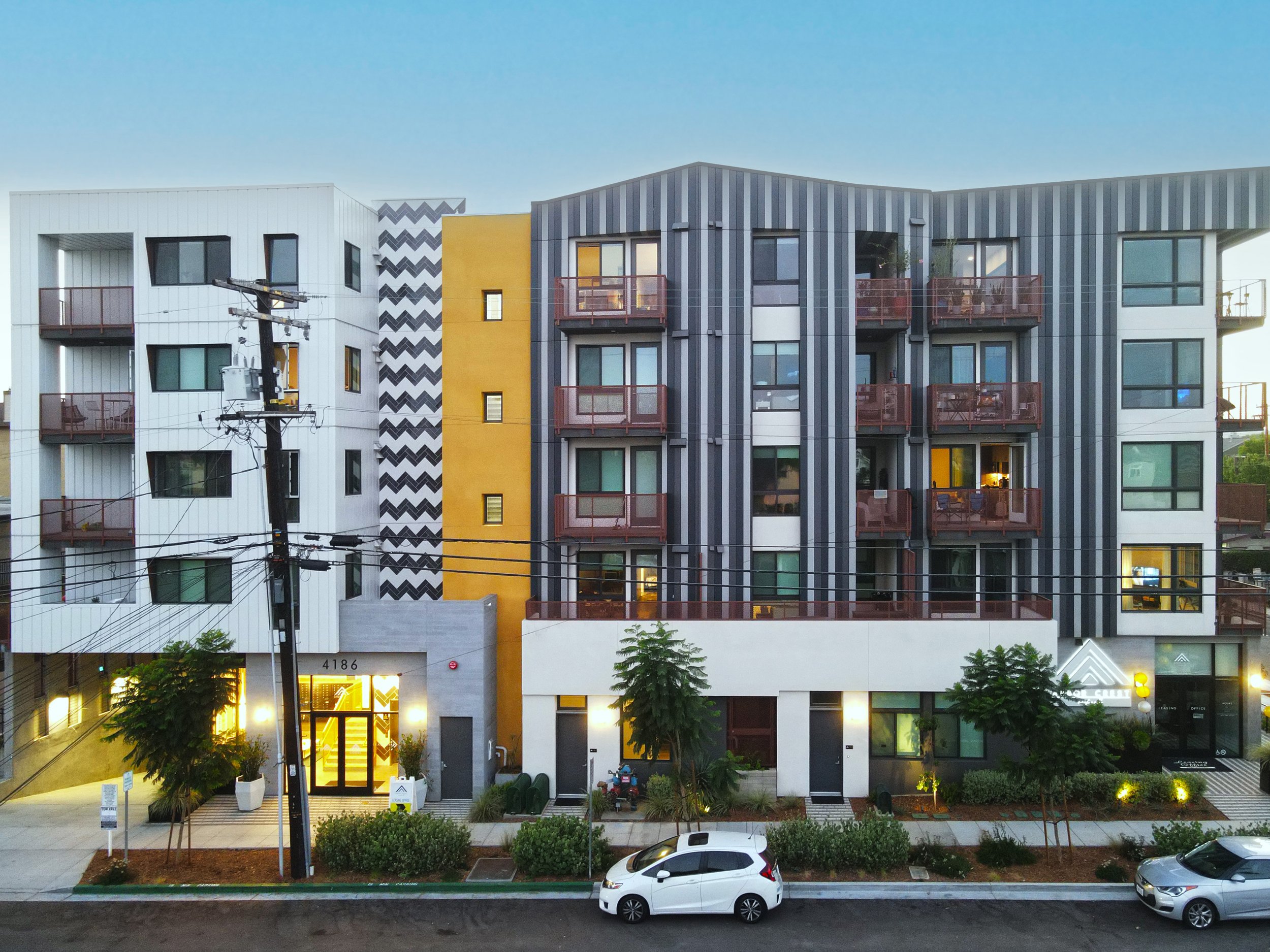
McCullough is pleased to share that two projects received recognition with PCBC Gold Nugget Awards. Both Arbor Crest, in the Best Multi Family 100 Dwelling Units per Acre or more category, and Cordero House, in the Best Custom House under 4,000 SF category, were recognized with Merit Awards.

Dedicated to advancing the art, science, and business of housing, Pacific Coast Builders Conference (PCBC) is the largest homebuilding tradeshow representing the West Coast region. The PCBC Gold Nugget Awards are the oldest and most prestigious design awards in the nation and the awards were presented to top innovators in design, planning and development. Selected by a panel of top industry experts who reviewed nearly 600 entries, these winners showcase the most exciting trends in design, planning and building. The winning projects feature the best in custom, mixed-use, indoor-outdoor lifestyle, educational, senior housing, International, and 50 more categories.

More about the Award-Winning Projects  

Arbor Crest

aaDSC07563 copy.jpg
aDJI_0129 copy.jpg
aDJI_0130 copy.jpg
aDSC07566.jpg
aDSC07568.jpg
aDSC07575.jpg

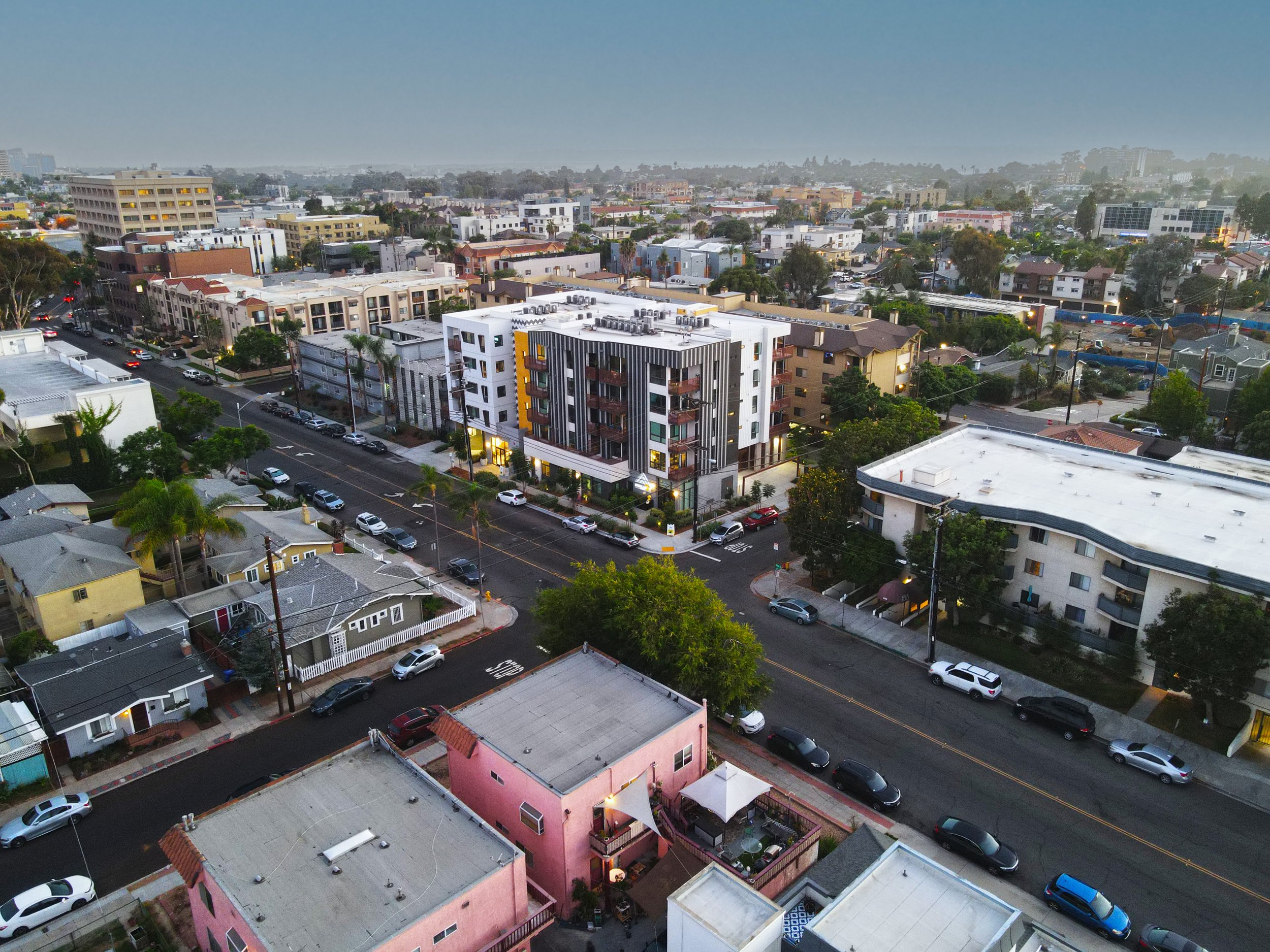
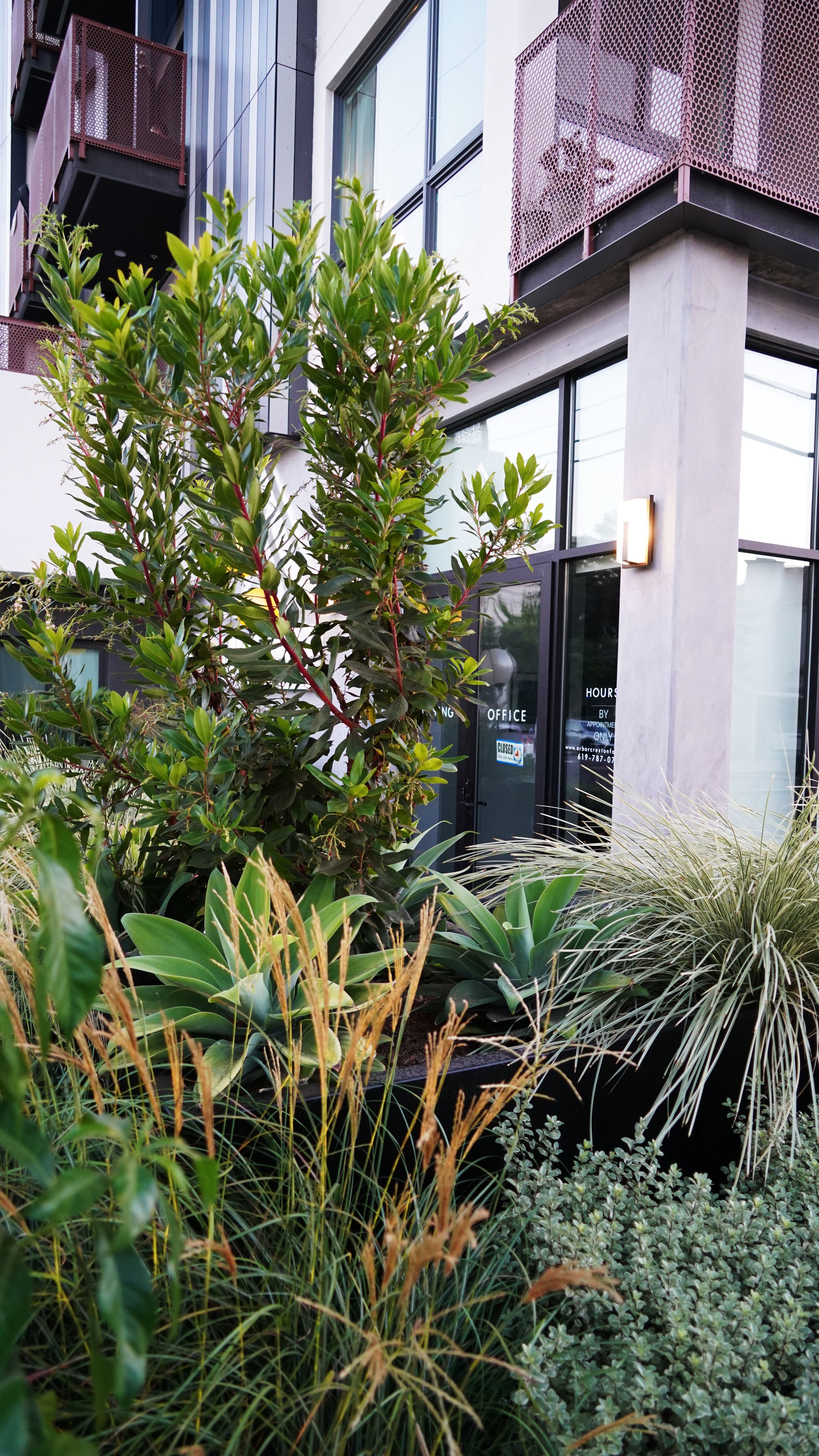
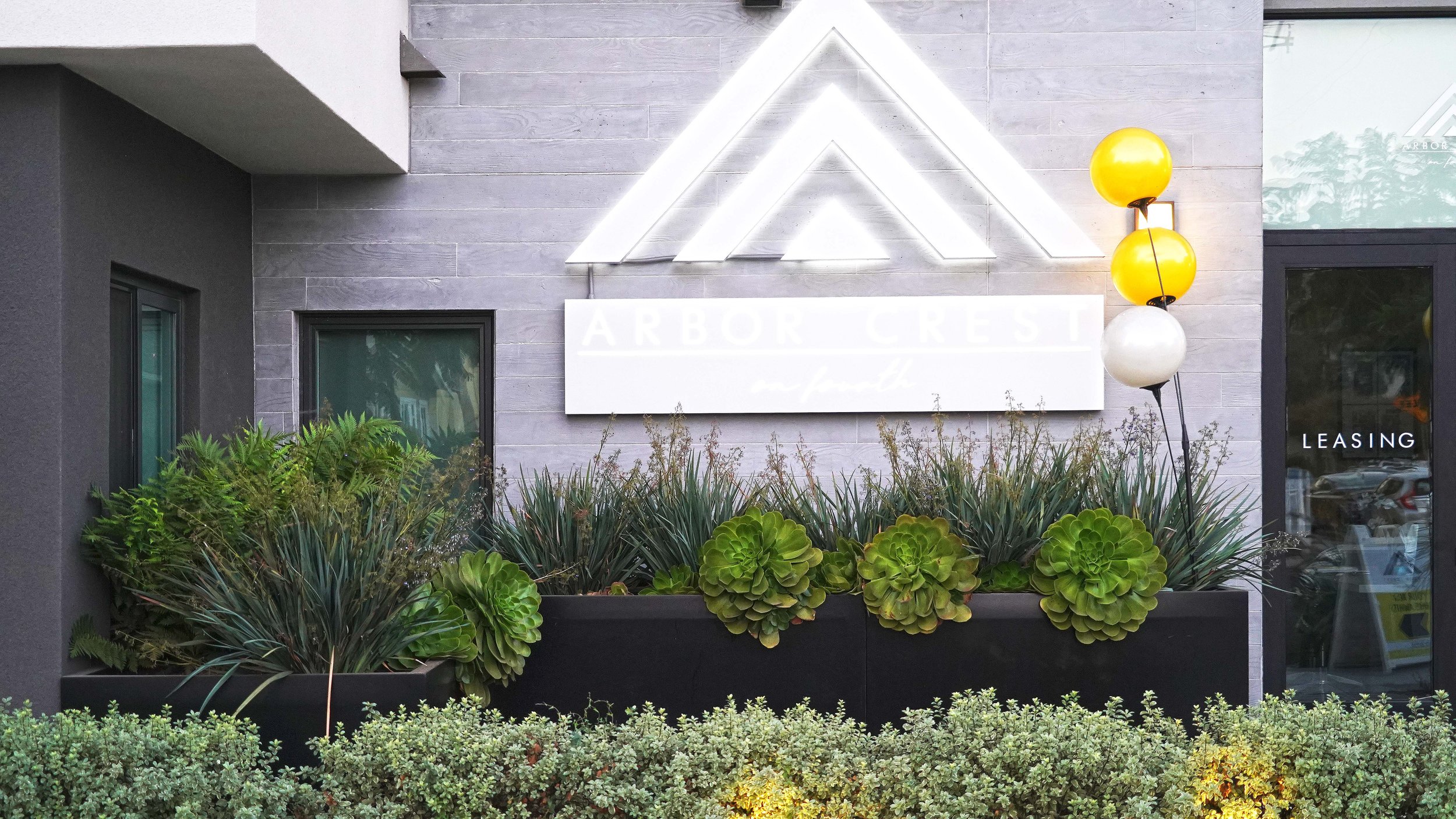
Arbor Crest is a 50-unit multi-family residential project located in the diverse and eclectic Hillcrest neighborhood in San Diego, CA. McCullough collaborated with Stephen Dalton Architects, and Murfey Company on the design and construction.

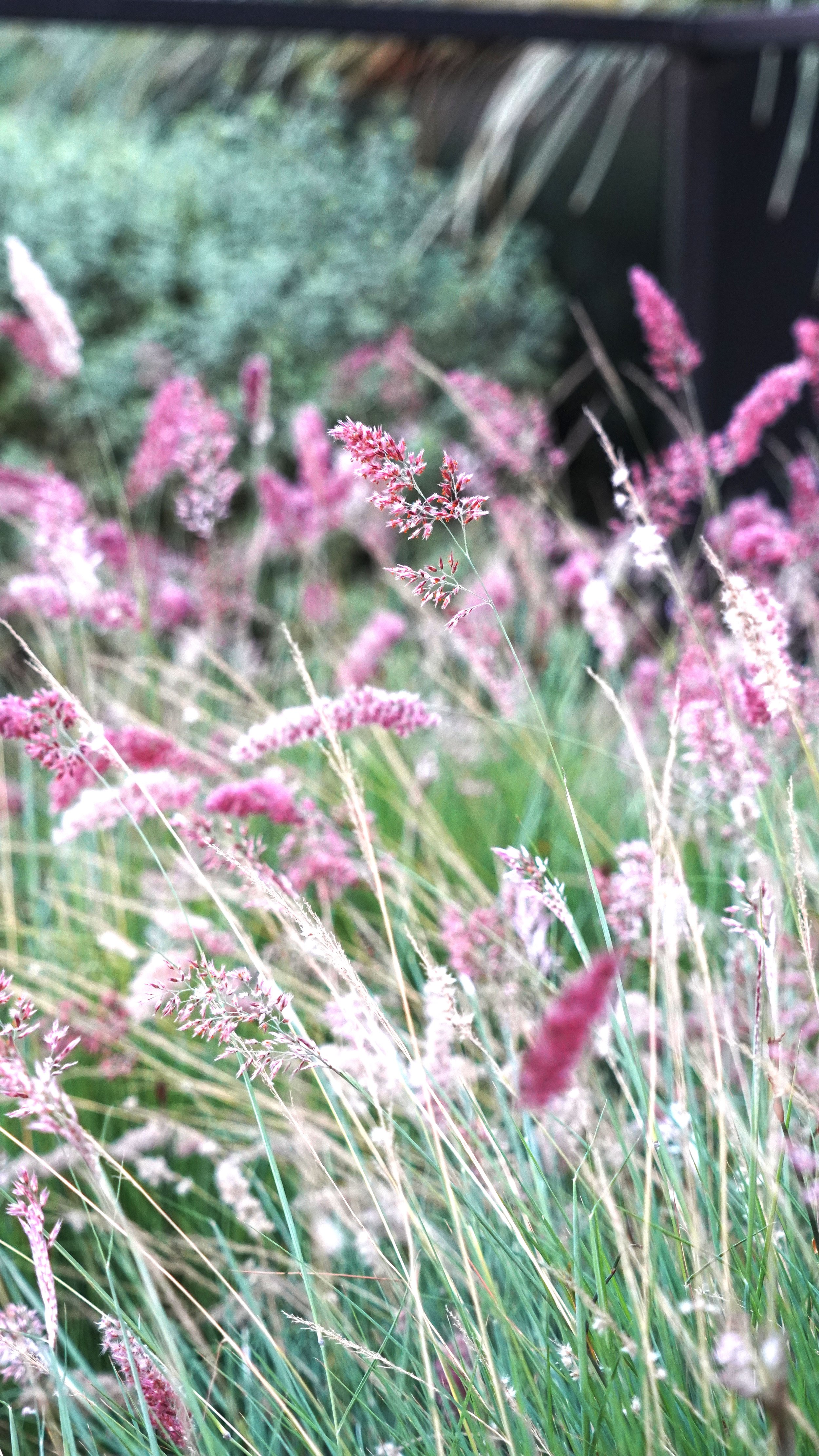
With the need for more housing in the area, the owners of an apartment building next to the site had an idea to add more multifamily housing, keeping the same mid-century modern style of their existing building, while enhancing the design. Located on a corner lot, the new residential community complements the context and scale of the surrounding neighborhood with unique architecture and landscape, planting the same trees that line the streets of Hillcrest, and bringing in materials and plant species that were common in the 1950s. It was important to keep in mind the water-use ordinance in San Diego, while thinking about which plant species would work well in this scenario such as agave and birds of paradise. Another feature includes an existing pool at the adjacent lot, which needed updates and improvement to the landscape and is now a shared amenity between the two buildings. Arbor Crest creates a unique blend of multifamily architecture while bringing much needed housing to the community. We are thrilled Arbor Crest has been recognized for its striking design and commitment to the community. 

The Cordero Residence

aDSC07592 copy.jpg
aDSC07579.jpg
aDSC07587.jpg
aDSC07590 copy.jpg
aDSC07597.jpg
aDSC07601 copy.jpg
DSC07610.JPG

The Cordero Residence is a custom-built family residence project located in Del Mar, California. Thank you to the entire team of Stephen Dalton Architects, Steigerwald-Dougherty Builders, and Nasland Engineering on the great collaboration for this project.

The owner’s goal was to create something special for their family - a place to grow and gather. Placed on a unique lot, there was opportunity to take advantage of the space in both the front and back of the house. The inviting and minimal landscape sets the tone for the interior of the house. One feature of the existing landscape the team wanted to remain is a Torrey Pine tree, a rare and native species to California. Located in a beach town in San Diego County, it was important to highlight the incredible views of the ocean. The team created usable space in the back and front of the house, adding an understory shade garden for passive use and wood decks. We are excited about the outcome and for the team that worked together to create a beautiful sense of home for the owners.

Congratulations to the 2022 winners! Click here to view the 2022 Winners Book.


McCullough is on the Move!

Photo courtesy of RDC/Corey Seip

We are excited to share the news that McCullough will be relocating to a new office space next month! This move signals a new chapter in our company's growth. The team is looking forward to a change of scenery within an artful and diverse neighborhood, where we hope inspiration and collaboration will be even stronger. Our new office will be in the Design Center, a historic building designed by 50s modern-era pioneer architect, Lloyd Ruocco, which offers a light-filled environment, and more space for our team to grow.  

We are not straying too far, as our new address at 3605 B Fifth Avenue is located in the vibrant Hillcrest neighborhood of San Diego. We are excited to be sharing the space with client and collaborator, RDC, a full-service architectural design firm, behind the redevelopment of Horton Plaza and the expansion of Del Mar Highlands Town Center.

Our current office in the East Village of San Diego will be closed September 15th and 16th while we make the transition. We look forward to sharing more details about the space as time draws near.  


1 Comment 0 Likes

A New Way of Living at Secoya on Fifth

July 26, 2022  /  Catherine McCullough

Secoya on Fifth

After opening its doors in the Spring of 2022, McCullough is excited to feature Secoya on Fifth this month. Secoya on Fifth is a 62,529 square foot, eight-story, mixed-use residential project led by the experienced and passionate development team at the Murfey Company.

Working in conjunction with Steven Dalton Architects and Pasco Lauret Suiter & Associates engineers, the Secoya on Fifth project is an incredible example of developer-led collaborative design.

“The Murfey Company’s desire to engage multiple disciplines in the process from start to finish showcased the advantages of team-driven decision making.  As challenges arose, local and state-wide regulations and requirements were quickly addressed as design iterations were explored graphically and verbally by the design team. This supportive and empowering momentum has ultimately resulted in a design that is sure to impress both the development’s tenants and the community’s neighbors.”

-Zeek Magallanes, MLA, ASLA, Associate

Murfey Company

Located in San Diego, Murfey Company is a well-known real estate development company with a wide variety of services. Using state-of-the-art technology and fueled by their passion for all things in the built environment, the company brings their cool lifestyle brand into their projects, capturing the So Cal vibe of coastal communities. Read more about the Murfey Company in our September 2020 Client of the Month feature here.

With a well-rounded and diverse group of qualified professionals, the company is positioned as a clear-cut leader in the areas of development, investments, and construction.

The Project

Secoya on Fifth is in the heart of the Uptown Community in San Diego, California. The project features exciting ground-floor commercial spaces that visually connect to the life of the street by way of beautifully framed storefront glass windows.  Future uses and flexibility have been designed into these spaces to allow a seamless indoor-outdoor experience. 

The streetscape along both Fifth Ave. and Redwood St. is directly enhanced with thoughtfully designed parkways featuring low-growing and architecturally engaging shrub forms that provide seasonal interest and showcase the project’s commitment to water conservation. The use of Jacarandas along both Fifth Ave. and Redwood St. not only provide much needed shade for pedestrians, but also a much-anticipated display of lavender blooms every summer.  Jacarandas also help to reinforce the City of San Diego’s vision for the Uptown Community and connect it to its existing context. 

An aesthetically engaging and elegant lobby meets residents as they enter from Fifth Ave. Refined units feature generous private balconies to enjoy the indoor-outdoor life that characterizes Southern California. Two common open spaces provide ample opportunities for residents to relax after a long day or on the weekends, host guests and visitors, or engage with neighbors to build and strengthen community ties. 

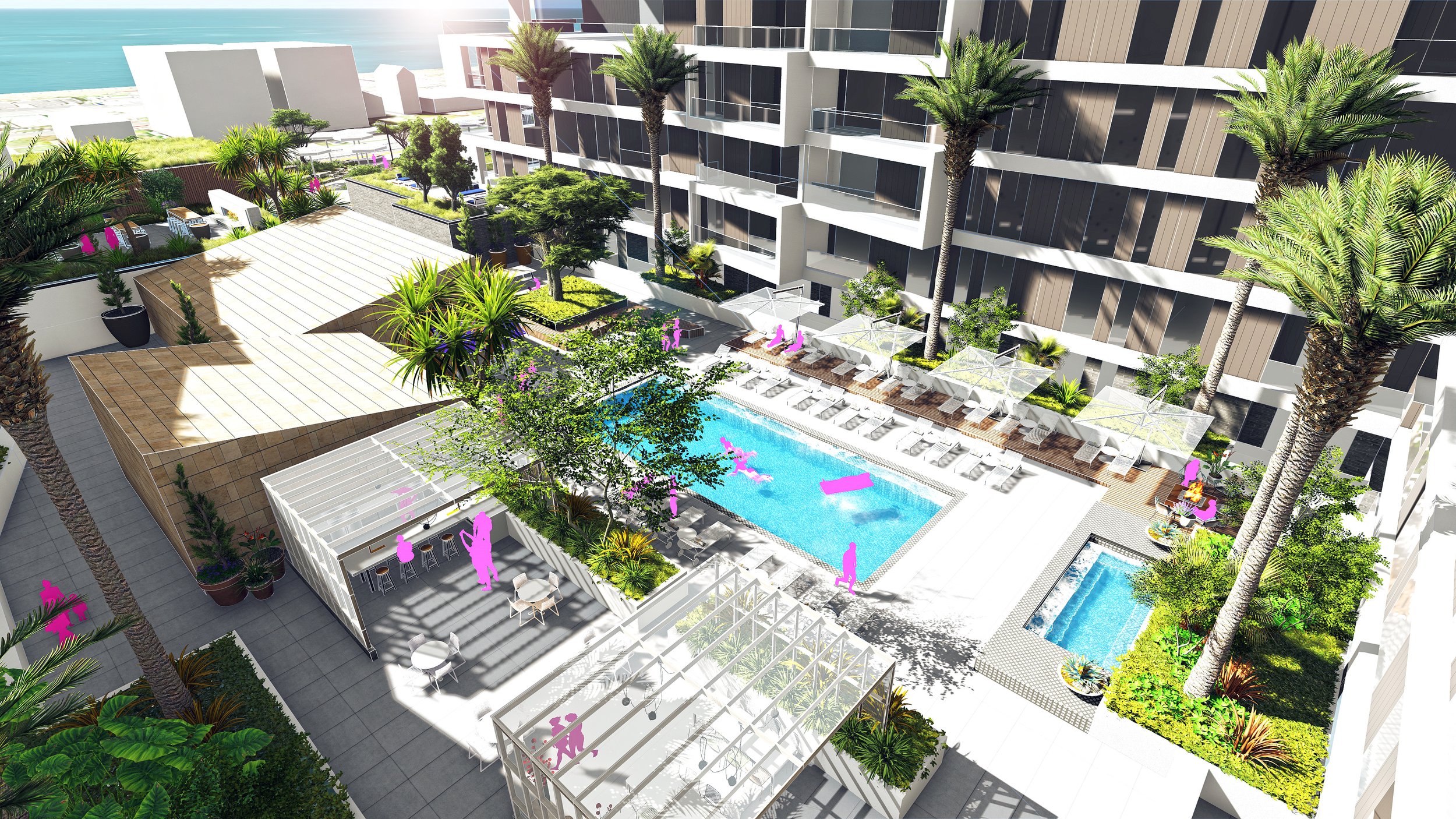
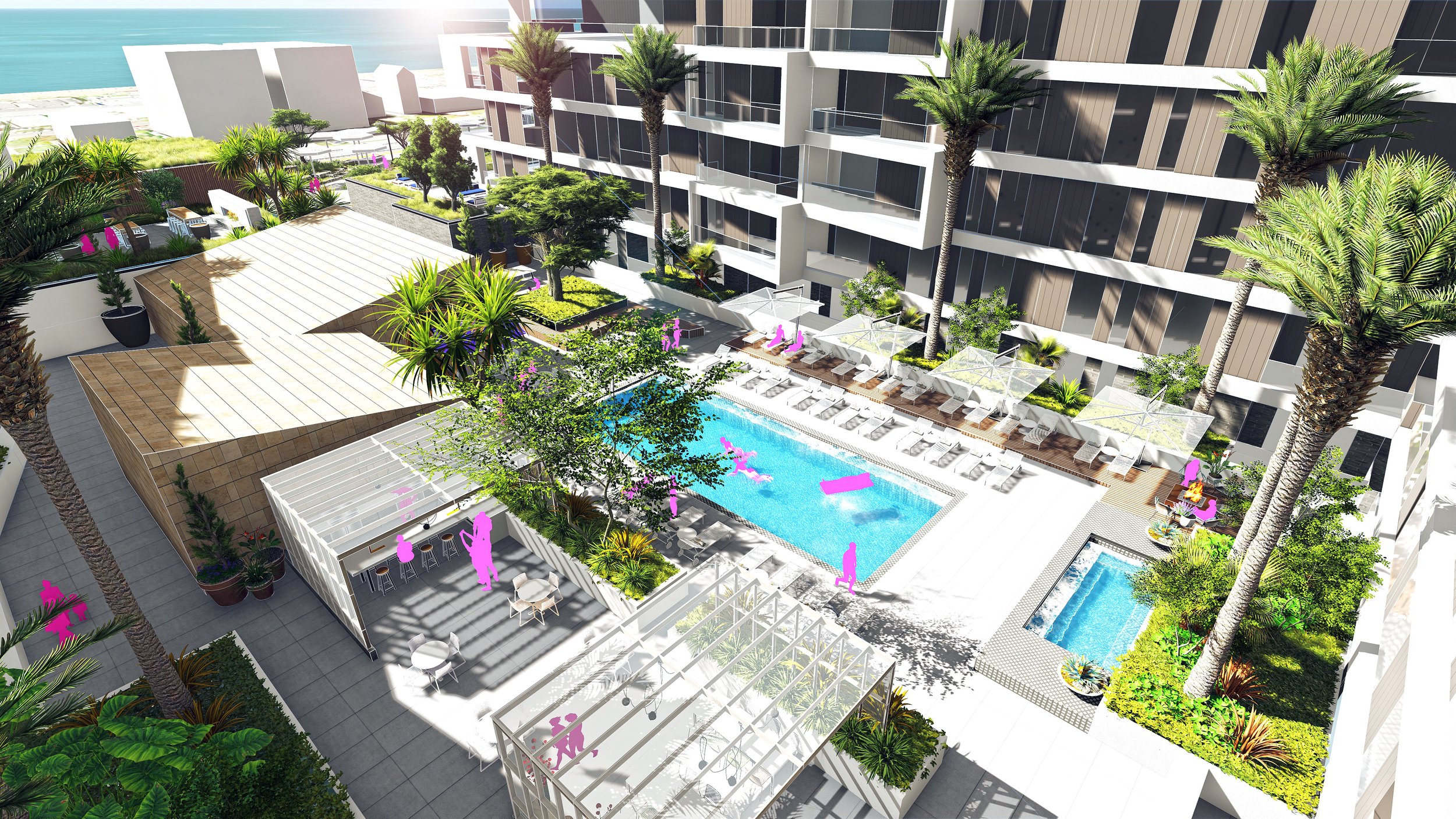
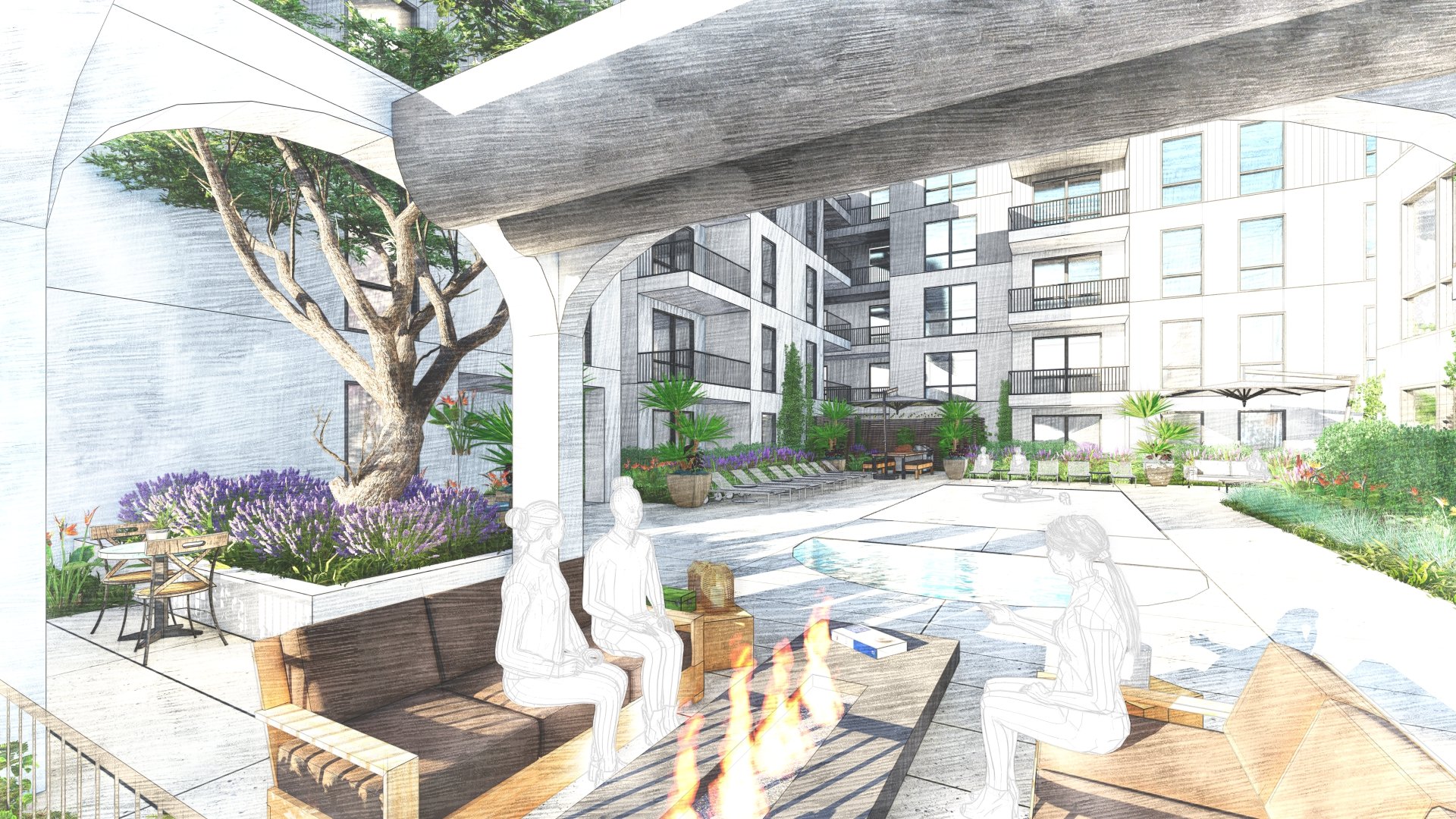
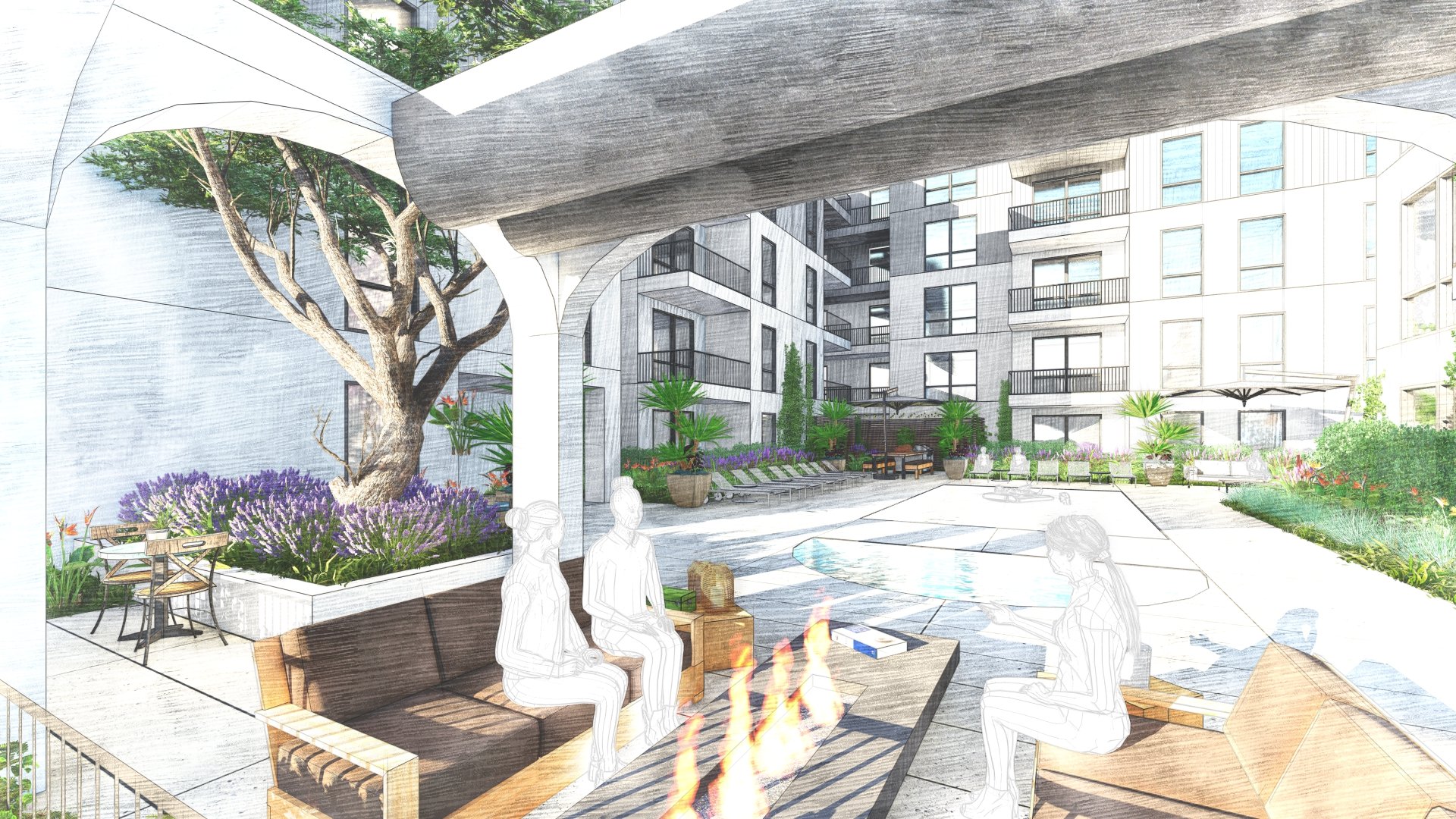
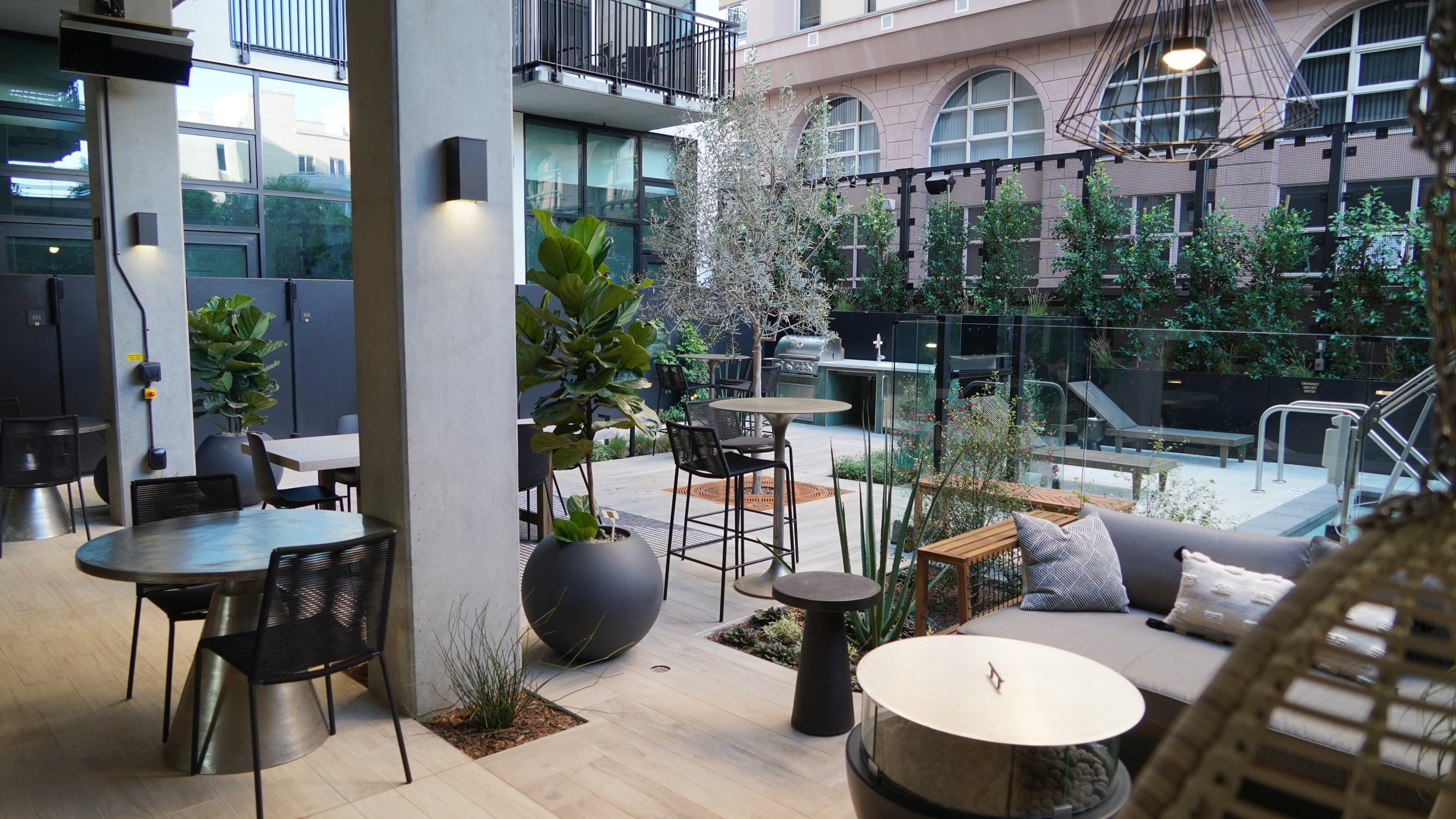
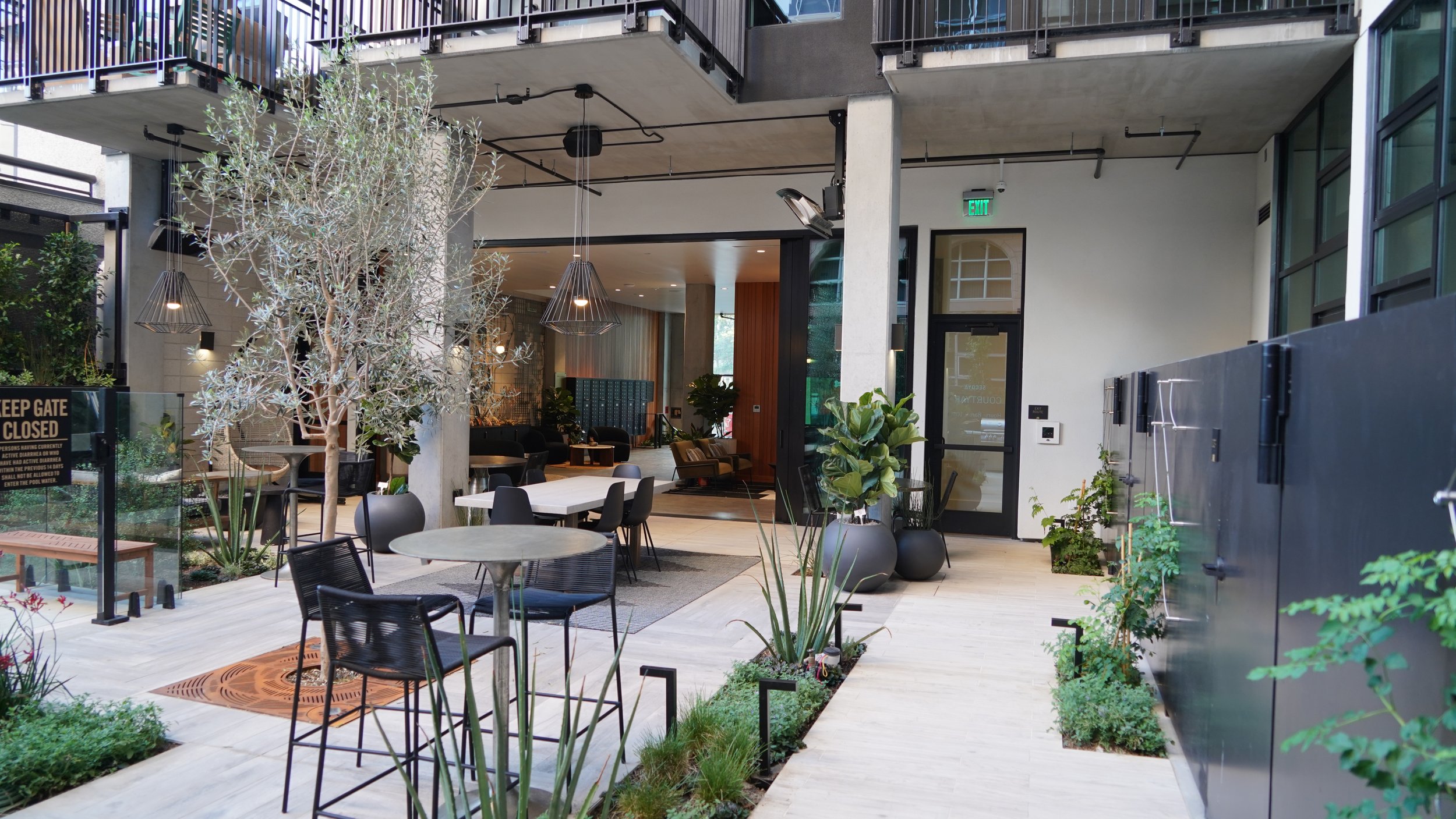
On the ground-floor a densely planted oasis greets residents as they enter off the lobby. The courtyard features a large communal table as well smaller accessible seating areas for both private and public engagement. A unique and ADA accessible outdoor BBQ island allows all residents an opportunity to host events and cook-outs. Tucked into a verdant corner is an accessible spa where residents can enjoy a soothing dip under the dappled shade of a large canopy shade tree. Finally, an intimate seating area around a circular fire bowl provides an opportunity for memorable conversations around the playful flames.   

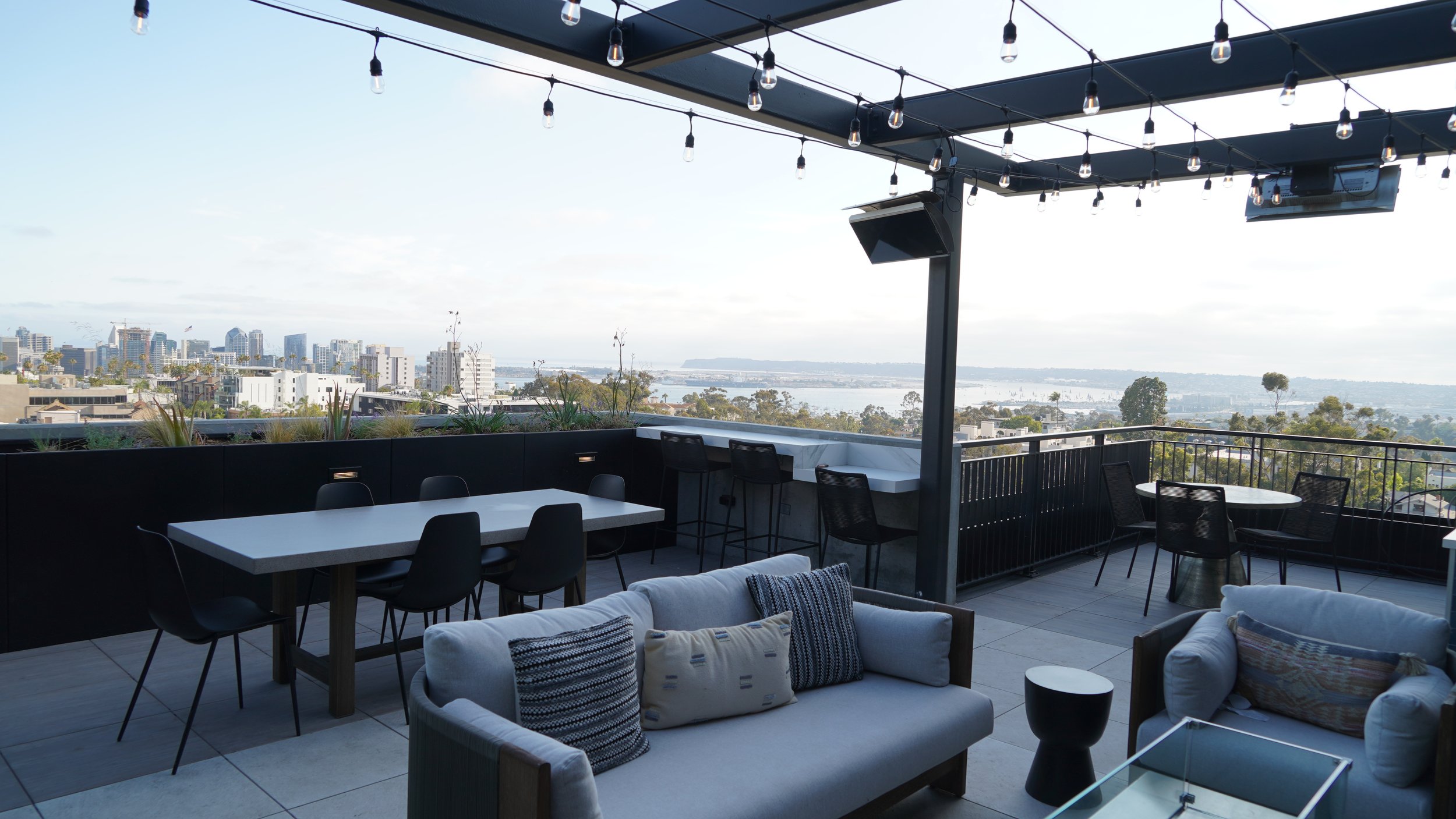
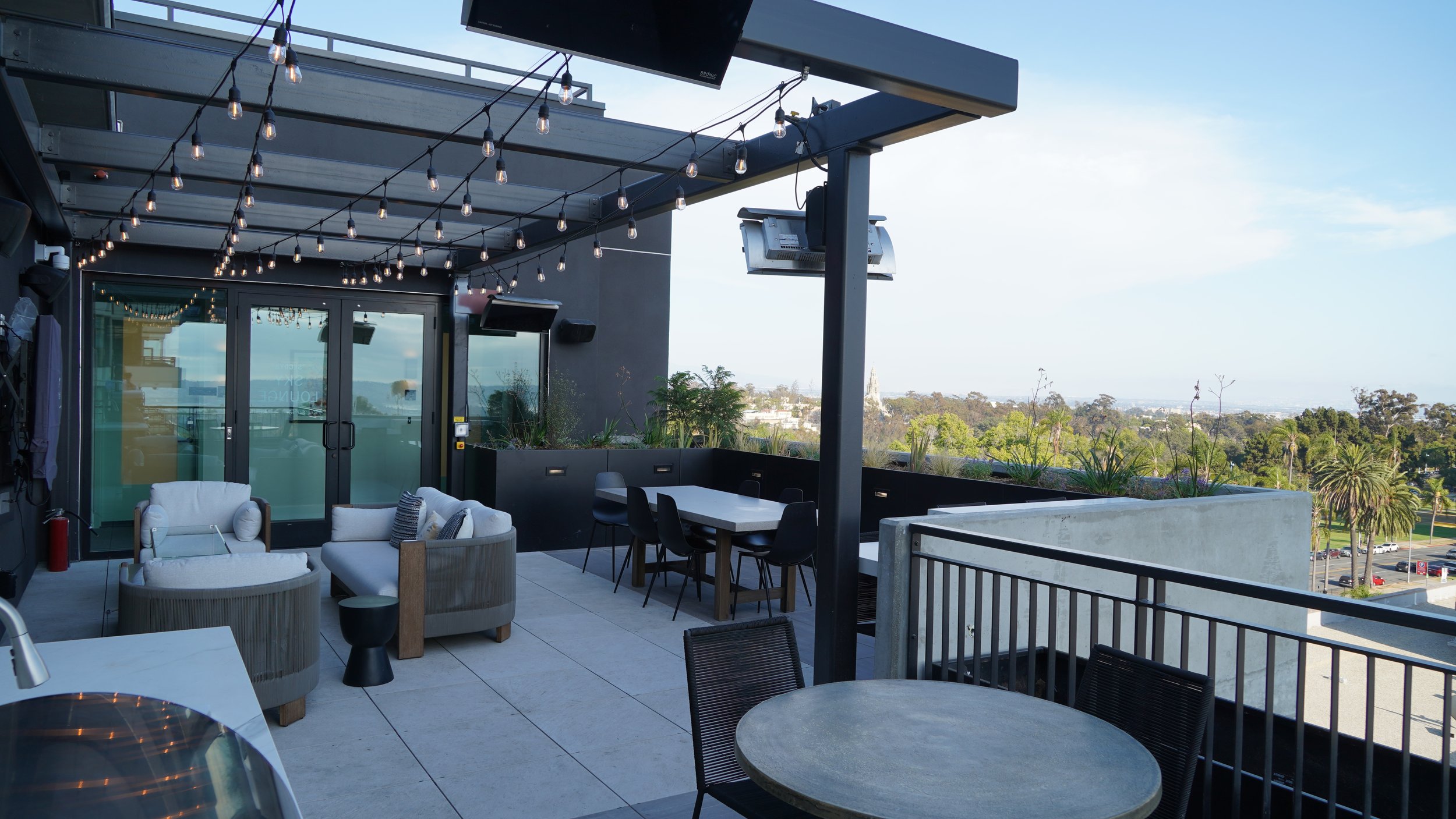
On the Level Eight amenity deck residents are treated to a spectacular view of the Downtown skyline and surrounding neighborhood. As one exits the building corridor they step out under the shade of an overhead pergola and find themselves in an outdoor living room, - complete with comfortable seating, an outdoor TV, raised planters, and a low fire table for both day-time and night-time use. To the side is a large communal dining table enveloped by a raised planter featuring flowing grasses and shrubs that glow in the setting sun and follow the warm San Diego breeze.  An accessible outdoor BBQ island allows for cooking in the open air and is complimented with an accessible table for residents to dine in comfort.  As one looks out over the neighborhood, they will immediately appreciate the low planter with grasses and shrubs which screen out the busy city streets below and help to create a sense of being on a natural overlook where one can focus on the beauty of San Diego’s skies.

DSC07490.JPG
DSC07491.JPG
DSC07510.JPG
DSC07513.JPG
DSC07518.JPG

Complete Communities

Secoya on fifth is among the first projects to be completed under San Diego’s Complete Communities Plan. Complete communities is an urban and rural planning concept that aims to meet the basic needs of all residents of a community. It is a milestone program that recognizes inequities in San Diego and it was passed in 2020. Thoughtful and inclusive planning initiatives and programs aim to create a healthy environment and thriving communities that will serve to enhance the quality of life for all residents, regardless of their background and identity.

Read more about Complete Communities here.


McCullough Wins Projects in California

We are pleased to announce McCullough has won new projects in the greater San Diego area: the Oceanside Transit Center Redevelopment, and the City of Santee Arts & Entertainment District. These projects demonstrate McCullough’s ability to create vibrant cultural destinations and thriving communities through its sustainable and creative landscape design.

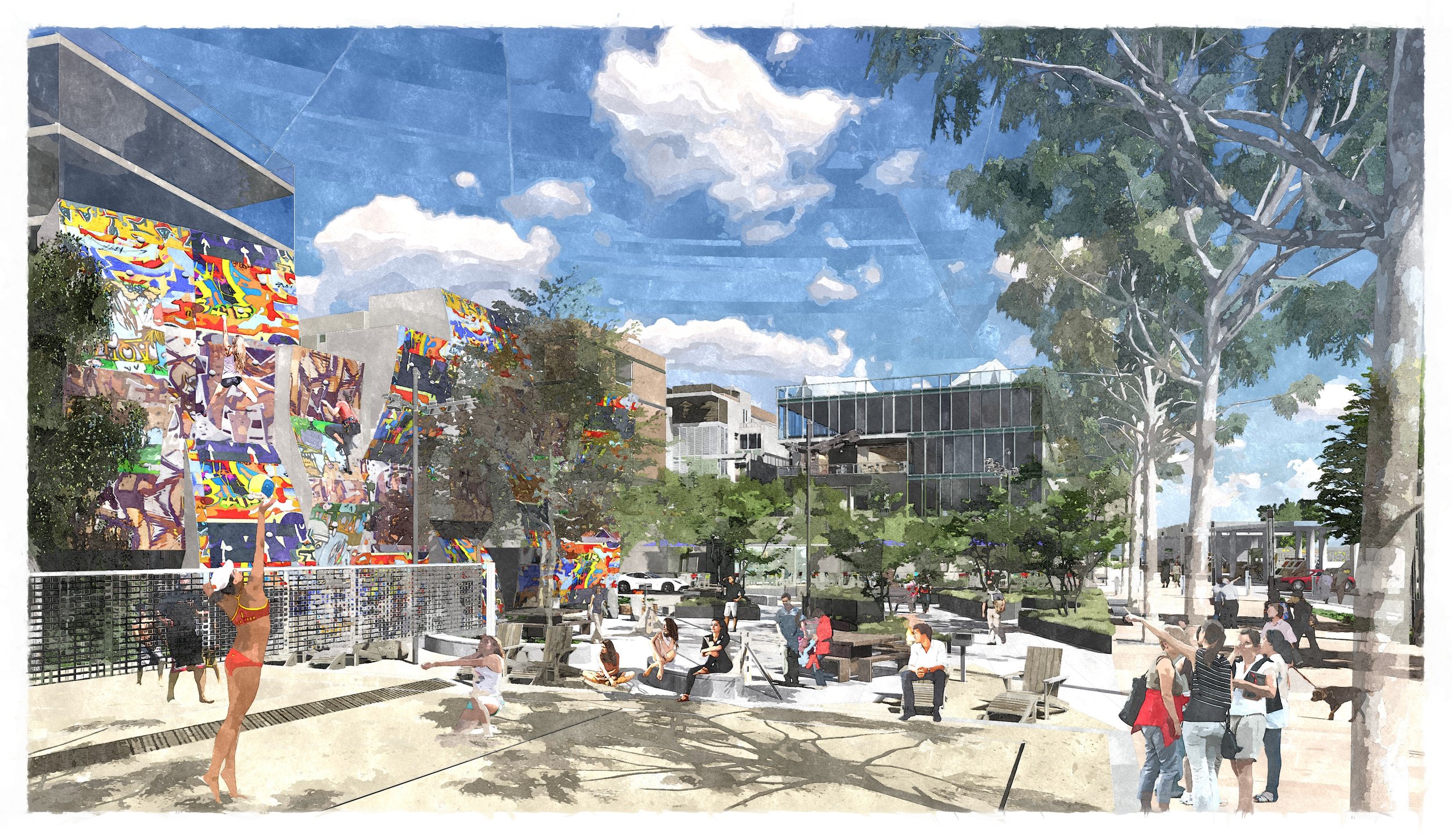
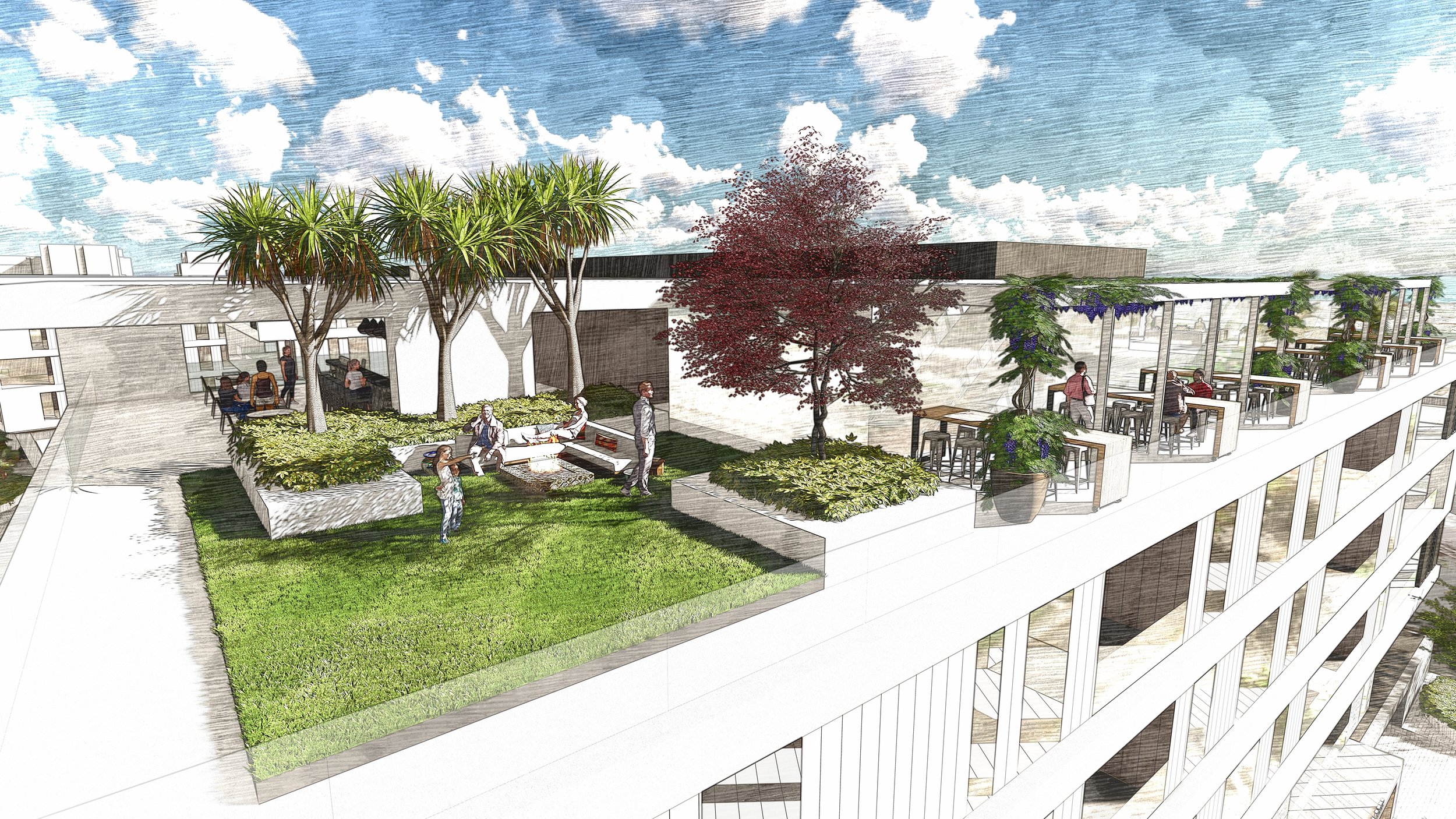
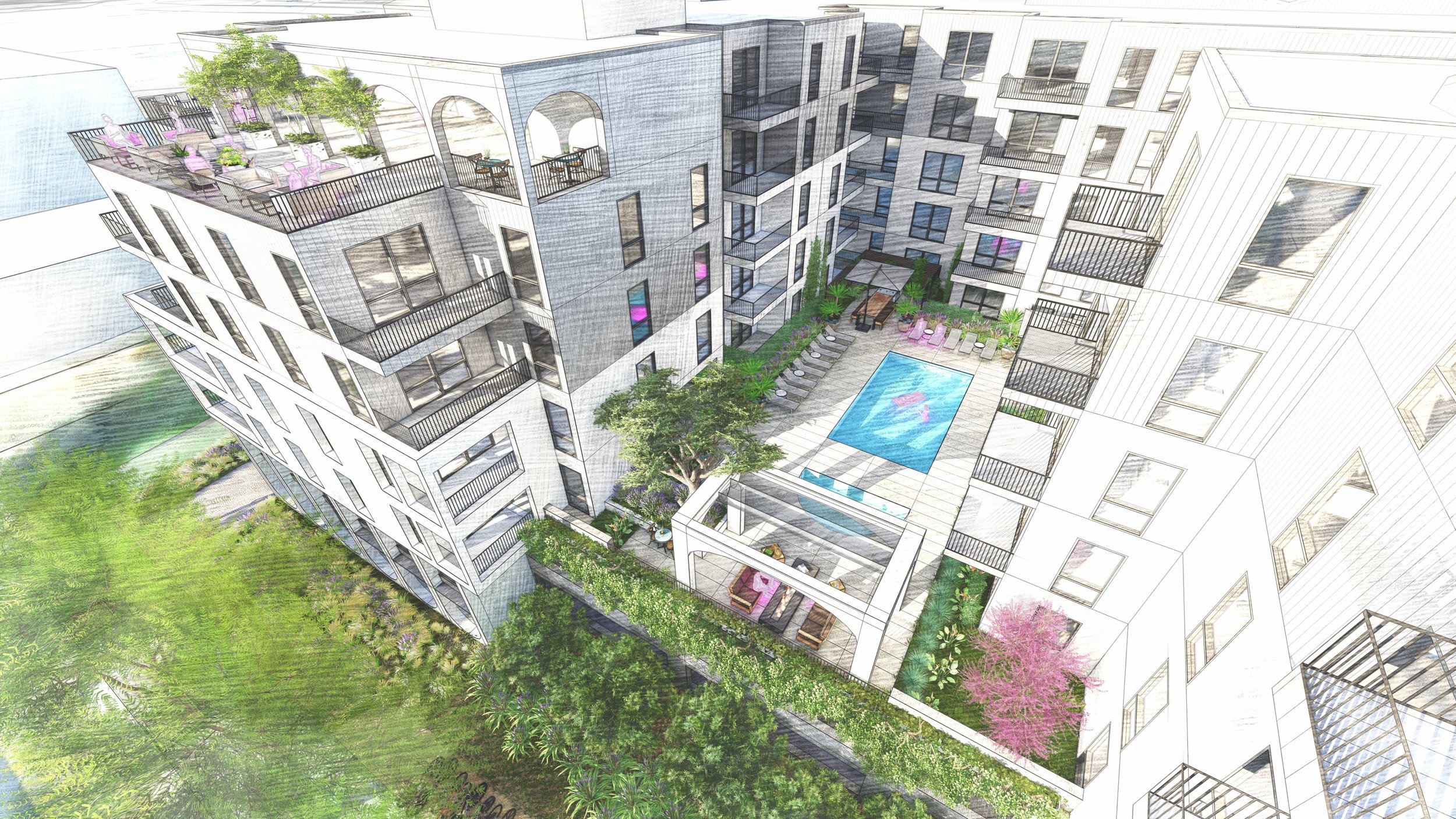
The Oceanside Transit Center Redevelopment will improve the area Transit Center with a relocated bus island, integrated ticketing center, additional parking, and enhanced amenities. This Toll Brothers project will also add affordable and market rate housing, office, and retail on 10.2 acres around the Transit Center. 

The City of Santee Arts & Entertainment District involves creating a city framework, master planning, and engaging residents in a visioning process which will ultimately be incorporated into the City’s General Plan and the Specific Plan for the Town Center. McCullough is partnering with M.W. Steele Group to plan this lively cultural destination. 

Zeek Magallanes, MLA, Studio Team Leader at McCullough, says, “The new City of Santee Arts and Entertainment District will become the heart and soul of the city as it continues to balance proper density with a vibrant and active community.”


Maha Attends Bisnow’s Greater Sacramento Deep Dive

Pictured above: Greater Sacramento Economic Council, Photo by Hugo Martinez

As our Northern California-based Senior Associate, it is essential for Maha and the McCullough team to be on the pulse of major developments in Sacramento and the surrounding areas. We were happy to sponsor Bisnow’s recent Sacramento State of the Market event held in downtown Sacramento last month. As David McCullough often remarks, it’s not just about a particular building, it’s the things around it and how they interact with each other that make a city an amenity.

Hosted at the newly renovated 120,000 SF mixed-use office and retail building SixSixty, the event took place in the heart of downtown Sacramento, a vibrant retail, restaurant, and entertainment destination.

Sacramento is a city on the rise, and it’s not just because of its proximity to the Bay Area. The city’s commercial real estate market is booming, with major investments in Sacramento’s downtown area as well as its suburbs. This growth has been driven by several factors: an increase in urban migration trends, as well as innovation on the horizon.

The Greater Sacramento Economic Council (GSEC) gave the community an update on the city's most important developments and trends.

Panelists described major projects like The Bridge District and UC Davis, while keynote speaker Gary May, Chancellor of UC Davis, spoke about the innovation that fuels economic momentum in Sacramento.

In a phase of the Bridge District, McCullough along with architectural firm, PGAL has proposed a design that compliments the urban fabric with a strong ecological story embracing the natural waterfront along the Sacramento River similar to McCullough’s Zizhu Purple Bay, a master planned urban waterfront development in Shanghai.

In addition, The University of California has invested $1 billion into its Davis campus over the last decade, which has led to a significant increase in research funding for projects like cancer research and green technology development.

Sacramento is also home to some of the most prestigious sports teams in the country. In addition to being home to two professional basketball teams, the Sacramento Kings and the Golden State Warriors, it is also home to one of the most successful minor league baseball franchises in America, the Sacramento River Cats.

“Innovation, research, science, tech, healthcare, and sports fuel economic momentum in Sacramento,” says the Greater Sacramento Economic Council.

There are also major challenges still taking place such as the lack of housing affordability. “We’ve got to deal with homelessness. It’s a huge issue and we need to take care of our people,” notes John Hodgson, president of the Hodgson Company, a Sacramento based real estate development, land use, and government advocacy firm.

Thank you to Bisnow and the Greater Sacramento Economic Council for hosting the event. We look forward to continuing the conversation.

Photo by Hugo Martinez

Comment 0 Likes

WATER-SMART LANDSCAPE

June 21, 2022  /  Catherine McCullough

Vertex Pharmaceuticals

When someone hears that California is entering a drought, the news gets less shocking each time. The hard truth is that California’s climate is changing so rapidly that seasons without much rainfall have become ordinary. California’s current drought continues into another year, making water more of a focal point for sustainability. Global warming and a changing climate urge more permanent changes to utilize water more efficiently. This probes a critical question — can you have landscapes that look lush and colorful but still use less water?

NOT AN IMPOSSIBLE DREAM

There is a great deal to unpack when it comes to the myths about what a water-wise garden or landscape looks like in California, and a major underlying misconception is that drought-tolerant landscapes will look “dry, brown, lifeless, or desert-like.”

“Lush is an effect, not a plant type. Lush does not require water.”

—Hot Color, Dry Garden, by Nan Sterman

LOW WATER, HIGH STYLE

The design approach is rooted in a deeper understanding of the plants and their dynamics. Local, native plants have also adapted themselves to California’s soil and climate, making them increasingly tolerant of the area. We have sadly driven out some native varieties with non-native, invasive plants. It’s time to rethink how we can invite them back. As an artist who loves to paint, I see the plant combinations with different shades of green with a pop of purple, white, yellow, red, and blue balance the harmony of the palette.

California sages thrive from coast to inland, blooming in the spring, with the majority happy to be in full sun. In addition, diversity in plants helps generate a native pollinating setting for butterflies, hummingbirds, and bees. Achillea — a native perennial herb — is one beauty that surely catches your eye when it enlivens in the summer with color nestled into a meadow of grasses.

California natives with colors ranging from all shades of green to red, purple, yellow, and orange weave around boulders at La Jolla Village Professional Center.

Foliage character, structure, and texture can give us a direct understanding of water conservation. From spirals to rosettes, the structure of a plant always complements the plant palette when rightly placed. Partnering plants based on their texture and structure mimic a natural landscape in a designed setting.

Notice how the green background enhances the bold and colorful foliage structure of aloe, creating a dramatic contrast in La Jolla Cove.

EVERY LANDSCAPE HAS A PURPOSE; LISTEN TO THE DIALOGUE OF ITS SOUL

There are many species of California native plants to choose from that fit our region well. Many people pick up the native plants they like from the local nursery and treat them like any other plant. It’s often easy to forget that these are California natives we are dealing with. So, when the warmer months come in and there isn’t a lot of precipitation, it’s important not to overwater. Natives require a little additional water until they establish, while overwatering in summer fosters soil pathogens on the root ball and kills the plant. 

Knowing if your plant is a deciduous variety that will go dormant in the winter is also important. When they begin to go deciduous or even semi-deciduous, the plant is not necessarily dying, so it’s unnecessary to add more water. They will come back when it begins to warm up again. However, a few design principles ensure that the outdoor landscape creates a year-round appeal. Grouping companion plants, layering, massing, and breaking up the monotony with bold colors, sculptural textures, and height can create an exciting view. So, if you have chosen any deciduous or semi-deciduous plants for your landscape, mix them with evergreens to retain the color during winter.


The arrangement of plants with tall Miscanthus grass in the background with grayish-green salvia and broadleaf Furcraea in the foreground balances the height. Grasses and grass-like plants bring movement into the landscape in San Diego State University, Olmeca Hall.

THE GRIT: ADAPTING TO SEASONAL CHANGE

One myth that has made its way around California is that we should plant our plants in the fall after the summer heat has worn off. This fear stems from the idea that plants planted in the winter or summer would be too weak to make it through the entire season, and planting in the fall was best for the plants to become established by spring. The reality is that California’s climate is mild enough to plant at almost any time of the year. Las Pilitas Nursery writes, “Early fall can be a problem in areas where the pressure from deer and rabbits and other critters is at its highest point, and then when the end of the dry season is near, the animals have run out of food, and your newly planted, juicy plants look tasty!”

CREATING A MICROCLIMATE

Microclimates in landscapes can be naturally occurring or intentionally designed depending on the site. For example, topography can redirect water flow efficiently and influence runoff and temperature. With more than one microclimate, plant material should be thoughtfully selected and grouped for the type of soil, sun, and shade requirements. 

Grouping plants with similar sun exposure (full sun, part shade/sun, full shade) and water use (hydrozone) creates microclimates in the Water Smart Demonstration Garden at the Helix Water District Administrative Office, La Mesa.

Exposed soils can have raised soil temperature in extreme weather, leading to quick evaporation and affecting the survival of the plants. Canopies of trees and groundcover plants like sedums within taller shrubs, gravel, and mulch reduce evapotranspiration considerably and provide a shaded alternative for outdoor activity.

Fillers and groundcovers along with trees help reduce evapotranspiration at Takeda Pharmaceuticals in San Diego

At Invivogen, an overhead shade structure provides seating space along with shade-tolerant and moisture-loving plants.

An important thing to remember is that you also don’t want to combine plants that hold a drastic difference in water needs. One of the key resources for selecting plants is the WUCOLS database, which lists plants for the region based on the plants’ watering needs. This database can help determine which plants’ needs complement the ones you already have or are proposing for the site.

“Water for landscaping makes up about 70 to 80 percent of urban water use in Southern California. If we shift toward plants and landscapes that are more appropriate toward the California climate, we could dramatically reduce our water use.”

—Heather Cooley, Director of Research at the Pacific Institute, Water Think Tank

FUNCTIONAL WETLANDS

What do you envision when you read the following? “Tall grasses like Miscanthus and Calamagrostis combined with Achilleas, Carex, Fescues, Bouteloua, Salvia, Nepeta, and others.” It’s a bioswale! Why can’t bioswales be incorporated as an integral part of landscape design?

Bioswales don’t have to be a hidden, neglected part of the site or along parking islands or median strips. The organic flow of the swale creates an opportunity to design a bio-habitat with the plant material that survives different levels of runoff water. In addition, berms around the swales can help increase the holding capacity and provide good drainage.

A cantilevered, functional outdoor lounge area overlooks at Vertex, San Diego, while berms and swales of grasses direct the flow of water for stormwater maintenance.

RETHINKING TURF

It is difficult to have an open lawn area in California and maintain its health throughout a drought. What makes it more difficult is that some cities have even placed ordinances that ban artificial turf but still expect you to maintain the grass area if you have one. Minimizing turf, replacing them with native grasses or low-water groundcovers, and finding different ways of providing a functional space embracing the beauty of large campuses strike a balance between how the space is utilized and further navigate the ongoing drought.

This synthetic lawn at Cue High-Tech Facility, San Diego, offers a range of uses, including lounging, playing, socializing, and more. With an artificial turf like this, you can maximize on the various opportunities the space has to offer.

IRRIGATION

The Metropolitan Water District of Southern California has declared a water shortage emergency, cutting outdoor watering to one day a week.


“Metropolitan has never before employed this type of restriction on outdoor water use. But we are facing unprecedented reductions in our Northern California supplies, and we have to respond with unprecedented measures. We’re adapting to climate change in real time,”

—Adel Hagekhalil, Metropolitan Water District General Manager

Balancing soil moisture sensors, using gray water, and integrating with the efficient automatic irrigation system are ways to act sustainably and effectively reduce water use. Manually irrigated systems should be monitored and adjusted to avoid overwatering. Surface runoffs can be avoided by decreasing the overspray into the hardscape. Using recycled gray water to irrigate landscapes will reduce the cost of potable water. 

In California, gray water is defined as: 

“…untreated wastewater that has not been contaminated by any toilet discharge, has not been affected by infectious, contaminated, or unhealthy bodily wastes, and does not present a threat from contamination by unhealthful processing, manufacturing, or operating wastes. Gray water includes, but is not limited to, wastewater from bathtubs, showers, bathroom washbasins, washing machines, and laundry tubs, but does not include wastewater from kitchen sinks or dishwashers.”

—California Department of Housing and Community Development

INNOVATIVE WATER USE REDUCTION

“…department of water resources implement, at a minimum, the shortage response actions adopted under section 10632 of the water code for a shortage level of up to twenty percent (level 2), by a date to be set by the water board.”

—State of California Executive Order N-7-22

For landscape designers, the loss of water is the accelerating point to shift the way of thinking. Recycling wastewater accumulated in the building (for example, condensation from large air-handling units/coolants and rooftop runoff) all have a constant water flow. Irrigation of the recycled water reduces the use of potable water during hot seasons as well as pressure on the stormwater systems, which is normally lost as wastewater.

275,500 gallons — that’s the amount of condensate water estimated to be collected annually for campus reuse. Mesa College Commons is the first building of all the San Diego County community college properties to house a group of six 1,700-gallon cisterns that provide 100 percent of the site’s irrigation needs (up to 98,000 gallons) through reclaimed HVAC condensate water and collected rainwater.

MOVING FORWARD

With many urban infill-type projects quickly underway throughout California, there is an added layer of adaptability. Therefore, the design of these new buildings is constantly evolving methods to help integrate them into the immediate community. Some choose to stand out; some decide to blend in. Whatever the design of the building, the landscape must reflect it — or juxtapose with it — depending on the design intent. It is our duty as the designer to influence positive change. The more we implement drought-tolerant and California-native plant species, the more significant the impact we can have in reducing water consumption. Working with what California has to offer us, we can not only fight the drought but create landscapes that will thrive and remind us of how lucky we are to live here.

Lastly, don’t miss the Urban Land Institute’s new webinar on this very subject on July 13, Water Wise: Strategies for Drought-Resilient Development.

Mahalakshmi Balachandran, Int’l ASLA
Senior Associate

Adam Crowell, ASLA
Junior Associate


Client of the Month:
Ware Malcomb

We are pleased to announce our June Client of the Month, Ware Malcomb, an award-winning international design firm that prides themselves on “not being like everyone else.”

Ware Malcomb is celebrating its 50th year in business this year, beginning their journey on April 1, 1972, and growing to 900 people across the globe since then. From the Americas to São Paulo, Brazil, to Toronto, Canada, the firm covers multiple disciplines, including architecture, interiors, civil engineering, and branding - touching every product type that’s out there. Specifically in San Diego, Ware Malcomb is very active in the life sciences market, with both ground-up and tenant improvement projects, as well as integrating themselves into the industrial, medical office, and multi-family markets.

This month, Ware Malcomb was ranked the number two firm in San Diego by the San Diego Business Journal and has had extreme growth in the past year, reaching 70 employees and exploding alongside the e-commerce and industrial industries

We sat down with Brian M. Koshley, AIA, Regional Director of San Diego, who oversees the San Diego Sorrento Valley and Downtown San Diego offices. Brian describes the team as being very enthusiastic about where the region is at and what the future holds. “We are excited about building an unstoppable culture,” says Brian. 

What does culture mean to Ware Malcomb? 

Culture might mean something different to every company. For Ware Malcomb, their mindset is, “We are only as good as all of our colleagues.” Brian strives very hard to make sure the culture allows all employees to be engaged in all aspects of their career. 

“Of all the places I have worked, we have the strongest platform for career growth. I can sit down with a colleague and map out for them what the next 12, 24, or 60 months could look like for them in their career. We help them create a vision for where they want to go.” —Brian Koshley, Regional Director 

Ware Malcomb has made a concerted effort to create a unique culture, given how exceptional the market is for both business opportunity and employment. Another factor that makes up their culture is the level of diversity of their people and their practice, as far as product type and geography. As the regional leader, Brian Koshley is outward facing, connecting with clients, and inward facing as a part of the leadership team. He says, “Anyone who stays in the profession long enough most likely ends up running a business. I’m blessed to be able to do both.” As a licensed architect, he can empathize with what others are struggling with but can also step into the gap and answer technical questions, create site plans, pitch ideas, and run a business and have an impact.

As a region, the team epitomizes the diversity the firm is trying to achieve, not only in project type or geography but also in their diversity, equity, and inclusion (DEI) program initiatives. Ware Malcomb launched the Ware Malcomb DEI Program in 2022, with a commitment to institute purposeful change.

A vast majority of the leaders in San Diego are women. In architecture, that has always been a struggle. A core value for Ware Malcomb includes providing opportunities for all team members to grow their careers and have a voice. Three leaders were recently listed in the San Diego Business Journal as Women of Influence: Christina Mannion, Studio Manager, Architecture; Kara Mathies, Studio Manager, Interior Architecture & Design; and Angela Ryan, Director, Interior Architecture & Design — all located in the San Diego region. 

Ware Malcomb first hires for fit not only to mesh with the culture but also to help improve the culture, and skill comes second. The open culture promotes diversity, which ultimately cultivates innovation and creativity. Koshley explains that diversity comes naturally.

McCullough and Ware Malcomb Collaboration

Brian Koshley and McCullough have a history of working together on several different projects. In a previous life, he worked at AVRP Studios, the neighboring office to McCullough.

“I was incredibly impressed with McCullough. They provided a very creative, refreshing approach to the landscape environment; whenever we had David on the team, we knew there would be a level of sensitivity and a level of broader thinking we might not necessarily expect from a typical landscape architecture firm.” 

Once Koshley joined Ware Malcomb, the relationship continued. The challenge became working with different product types than what we have typically been used to. Instead of joining forces on a boutique multi-family project in Bankers Hill, we are now collaborating on a 50-acre industrial site, focusing on indigenous landscape for stormwater retention.

A classic example of this is a biotech project we are currently working on in San Diego. Ware Malcomb was approached by a client who had a large building, wanting to demolish it and build a larger development oriented toward life sciences. The site is large, with not a lot of buildable area, but with a vast area of protected habitat.

“The minute the project came to us, I knew I had the perfect fit for this,” says Brian.

McCullough was brought on as the landscape architect to bring thoughtful landscape to some great outdoor amenity spaces. The goal is to create a rich landscape experience and have that fold seamlessly into the natural typography and the protected species that are there.

Biotech_Ware Malcomb_2 (1).jpg
Biotech_Ware Malcomb_3.jpg

We are also working on additional industrial projects with Ware Malcomb, the first being an existing three-story office building designed in the late 80s to early 90s. A client of Ware Malcomb is scraping the site to build a 100,000-square-foot industrial distribution. This is another example of how the market is changing and is indicative of how ecommerce is driving industrial distribution. The site is essentially more valuable to industrial industries than it is for an office space. 

Additionally, we are working on a large industrial solution project in Oceanside, California. This site has been vacant for a long time. Given the proximity of the site to an airport, the glide slope has an impact on the height of the building as well as what type of species can be planted where. For example, it is important to stray away from plant species that would draw birds closer to the site, which could be startled by an aircraft taking off and then end up with a bird strike. A lot of aspects come into play that you might not normally think about or consider when designing for these unique sites.

We are grateful for the opportunity to continue to work with Brian Koshley and the team at Ware Malcomb on projects that expand our practice and expertise. We greatly appreciate their dedication to diversity not only to the built environment but also, most importantly, to our shared community. We are excited to see what the future holds for Ware Malcomb and our continued partnership.

Melanie Loria
Marketing & Business Development Manager


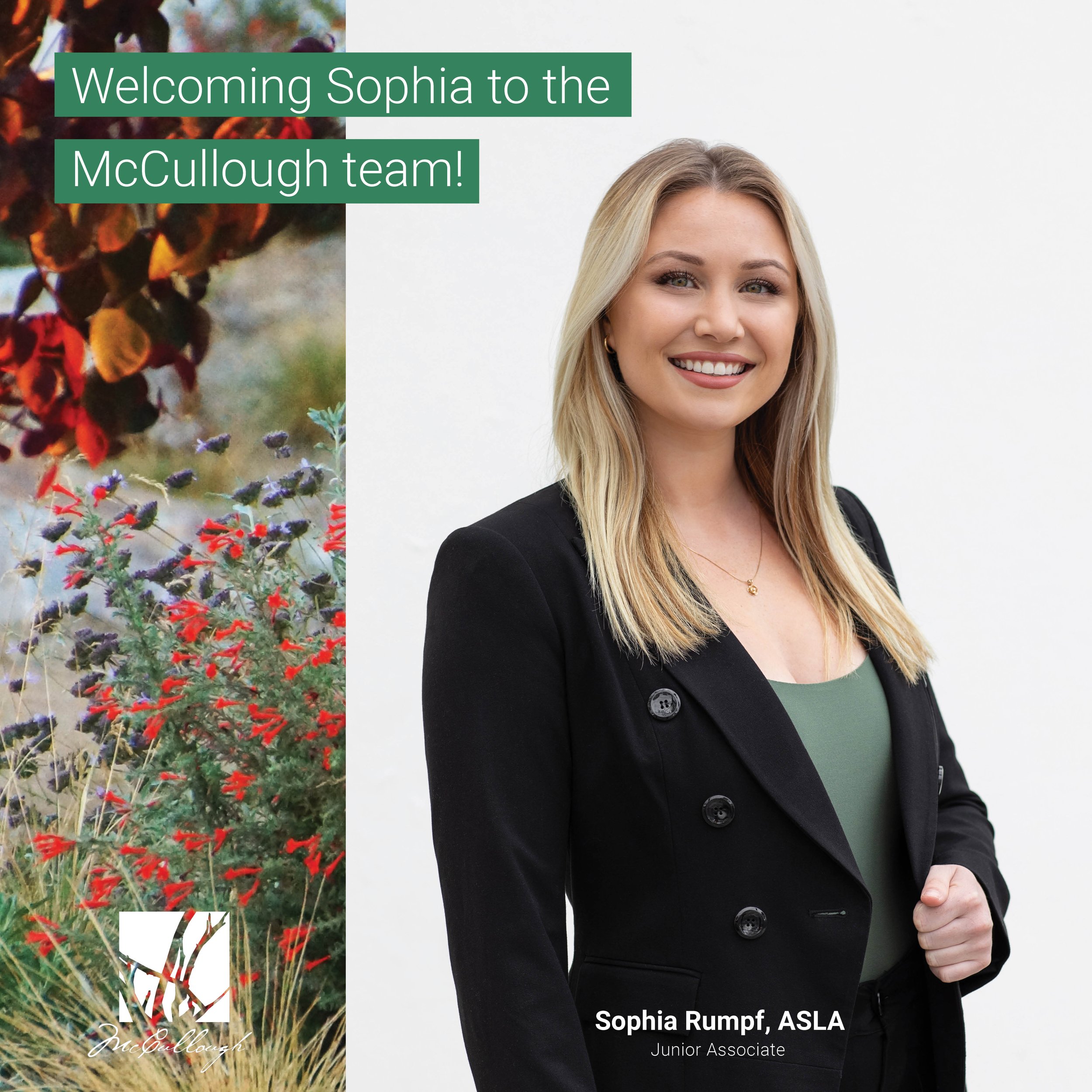
Welcome Sophia Rumpf!

McCullough Landscape Architecture has announced that Sophia Rumpf, ASLA, is its newest junior associate. Hiring expertise to meet demand, Sophia is the fourth new hire that the expanding landscape architecture firm has announced this year. She joins the award-winning McCullough team of highly skilled designers and professionals bringing sustainability, creativity, and an eco-conscious mindset to each and every project throughout California and the Western U.S. 

From an early age, Sophia showed an appreciation for the natural and built environment. As she grew and learned more about the pressing ecological challenges of the 21st century, she became inspired to pursue a career where she could use design to improve people’s well-being and benefit the planet as well. Sophia earned her bachelor’s degree in landscape architecture from Cal Poly San Luis Obispo, with an emphasis on sustainable environments. She also completed an internship with Burdge Architects while earning her degree. Over the past few years, she gained industry experience as a project designer with Urban Arena and as a freelance landscape designer with Rivetti Landscapes.

Catherine McCullough, CPSM, President & CEO of McCullough, states,

“We’ve been very impressed by Sophia’s enthusiasm, positive attitude, and design sensibilities. She’s a great fit for our team and shares our firm’s core values — particularly an interest in how the human spirit engages with the natural world. We can’t wait to watch her spread her wings at McCullough and be a part of her growth as a designer at this point in her career.” 


Catherine Named SMPS Fellow

We are very excited to announce our President/CEO/CMO, Catherine McCullough, FSMPS, CPSM, has recently been honored by the Society for Marketing Professionals (SMPS) as Fellow of the Society. SMPS Fellows represent the highest level of experience and leadership in marketing and business development within the design and building industry.

Join us in congratulating Catherine on this well-deserved honor! Catherine brings passion to her work and dedication to leadership that does not go unnoticed in the industry. Individuals who are recognized as Fellows are part of a specially selected group of achievers. This year, she is celebrating the 23-year anniversary of McCullough, where she has built the marketing and business development strategy from the ground up and established a team of passionate creatives. McCullough has become the go-to landscape architect for many clients and only continues to grow.

Catherine has also been in leadership roles for several professional organizations in the San Diego area. She is a past president for the San Diego Chapter of SMPS as well as a former Board Member for SMPS Society nationally, where she holds a certification as a Certified Professional Services Marketer (CPSM), in addition to serving on the SMPS Pacific Regional Conference Board of Directors. She is also currently serving as Director of Marketing & Communications for the San Diego Chapter of Commercial Real Estate Women (CREW) and participates in the Women’s Leadership Initiative Committee for the San Diego–Tijuana Urban Land Institute (ULI) Chapter. Catherine was just recently listed in the 2022 Top 50 Women of Influence in Architecture & Design by the San Diego Business Journal last month.

We couldn’t be prouder of Catherine for this huge accomplishment, and we look forward to seeing her leadership and experience evolve even more. Catherine will serve as a resource at the chapter, regional, and society levels to provide insight, ideas, programs, and mentoring. She will also be honored during Amplify A|E|C, the SMPS annual conference, this July in Atlanta.

Congratulations to the entire 2022 Class of Fellows!

Comment 0 Likes
Newer  /  Older