
Welcome to Nowhere

Written By
William Glockner, MLA, ASLA
Junior Associate
As I look up, a lattice of orderly black steel spindles towers impossibly high above me. The structure is well proportioned. Four arched footings rise gracefully before merging into a single spire. The overall form feels elegant, yet its brutish material palette seems to scream of industry, technology, and ambition. The tower is named after its designer, suggesting a culture with a tasteful touch of vanity. Inside the building, only two spaces are available to the public: a viewing platform and a Michelin star restaurant.
The tower's purpose, apparently, is to have lunch and admire Paris. The Eiffel Tower is indeed a masterpiece and proof that if you want to know who a people are, look to their skyline.
In fact, most people can identify Paris from a single photograph. The same is true for Rome, Kyoto, or Santorini. We recognize these places instantly because they possess a distinct identity. Their buildings, materials, streets, and public spaces tell a coherent story about where they are and who built them.
Designers call this contextual relevance: the idea that the built environment should reflect the geography, culture, history, and values of the people who create it. In this fashion, the built environment is a mirror of society. It communicates a people’s culture, values, and aspirations. From the Pyramids to the Great Wall to Chichén Itzá, history is filled with culturally defining works. For the modern era, we can look at the UAE’s monumental Burj Khalifa.
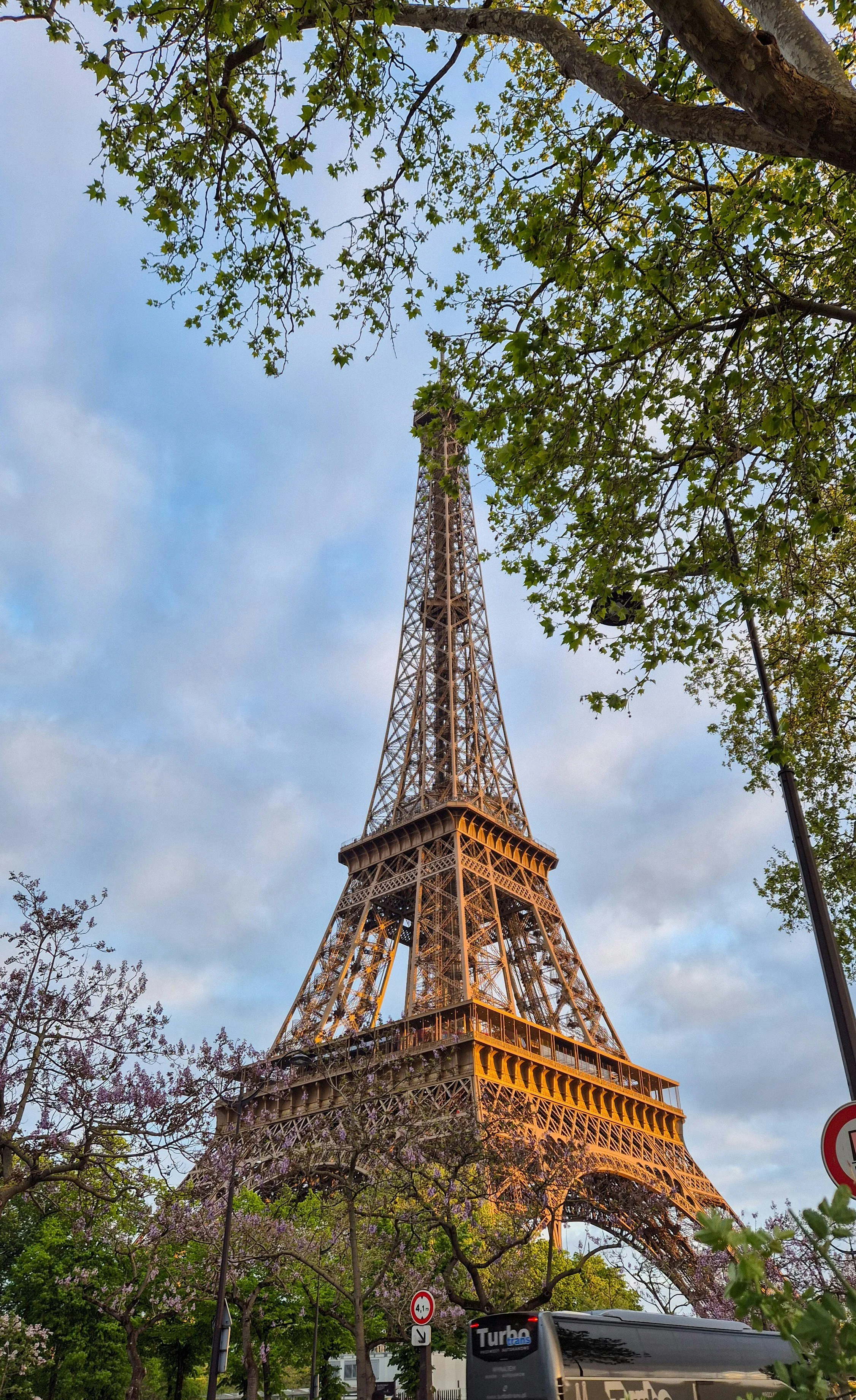
Paris, France, Courtesy of Unsplash
However, beneath the impressive construction of the Burj Khalifa, uncomfortable questions loom. Who built it, who was it built for, and what does it really say? The Burj Khalifa is often presented as a triumph of Emirati ambition and ingenuity. Yet its lead architect was American, its structural engineer was American, and its primary contractor was Korean. Whatever else the tower may communicate, it certainly demonstrates the UAE's remarkable ability to hire talented foreigners to accomplish a goal.
The built environment should reinforce local identity rather than erase it. Yet many modern cities are becoming increasingly interchangeable products of international and stateless corporations. We are creating places that belong everywhere and therefore belong nowhere.
The future of great design lies not in making every place seem the same, but in helping every place become more fully itself. Local identity is still here; the question for all designers is whether to strengthen it or wash it away.
What humans are searching for in our spaces is identity. We crave landscapes, city streets, and buildings that are easily understood and recognized to have a coherent, discrete personality. It is no secret that many people all over the world have an odd habit of loving old cities. On the surface, this makes no sense. I’ve never been desperate to experience 14th century medicine, and yet I spend $2,000 on airplane tickets so I can weep at 14th century architecture.
The reason we love old cities around the world is because they are contextually relevant. This is not because earlier cultures were some group of enlightened cosmopolitan geniuses; they just didn’t have a choice. Local builders used local materials, local craftsmen, and local traditions to create places that reflected their communities. Brazilian marble was not installed in Edinburgh Castle, and the Tang Dynasty did not hire architects from Ghana who were inspired by development in Singapore. It simply could not be done.
Even today, people will pay extraordinary sums for the mere illusion of contextual relevance. Millions of visitors spend hundreds of dollars to visit theme parks every year. They are not paying for efficiency, convenience, or realism. They are paying to spend a day in a pirate port, a frontier town, a jungle expedition, or a galaxy far, far away.
To those paying attention, this tells us something important. People are not searching for generic spaces. They are searching for spaces with identity. More importantly, they are willing to pay a fortune for even a glimpse of a real place.
Perhaps the strongest evidence for a desire for contextual relevance comes from places that don’t exist: video games. Modern video game developers have understood something that real-world designers have forgotten. Every city in a game must have its own identity. Game developers turn to contextual relevance and carefully consider a region’s geography, climate, culture, history, and available technology before designing its buildings, and streets. They know that if every city in the game looks the same, players will become disoriented, and exploration will be less rewarding. This phenomenon is no different in real life and it is a sad state that many fictional worlds have a superior sense of place than the environments we build in real life.
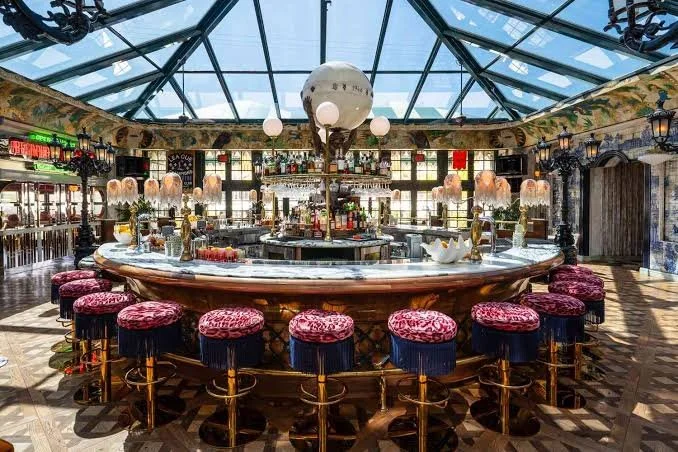
The Lafayette Hotel in San Diego, Photo Courtesy of Travel & Leisure
When real-world developers create places with a strong sense of identity, they are often rewarded for it. The market has been showing us this for decades. Developers understand that they need to stand out from the competition, but this understanding rarely galvanizes dramatic change to the built form. Consortium Holdings, a successful restaurant and hospitality concept group in San Diego, has clearly set the bar for place making as a profit driving machine. Just hit up the Lafayette Hotel on an idle Tuesday to see what kind of sales numbers a sense of place can bring to a previously struggling location.
Despite this observation of the profitability of place-based design, we see far more of a globalized aesthetic being built. We see the same districts, layouts, and buildings everywhere and our cities feel less distinct. A visitor can travel from Los Angeles to Berlin to London to Santiago to Capetown and increasingly encounter the same aesthetic signals: exposed brick, reclaimed wood, craft coffee, and Edison lighting. I get that irony and cold brew are amazing, but our unique individuality and preference for vinyl --IS-- the global aesthetic mainstream!
Catering to this global aesthetic has become the new gold standard for design and has fueled the rise of international designers. These firms can produce exceptional work, and many of their buildings are genuinely beautiful. The challenge is as the same design philosophies, materials, and visual languages are replicated across continents, places begin to lose the qualities that make them distinct. People often struggle to articulate why this feels unsettling. It’s unsettling because “we live to discover beauty, all else is a form of waiting.” (Kahlil Gibran) When every destination begins to share the same visual vocabulary, there is nothing left to discover as the options matrix of aesthetic choices has been flattened to a pancake. A phenomenon that I like to call: “the rise of nowhere.”
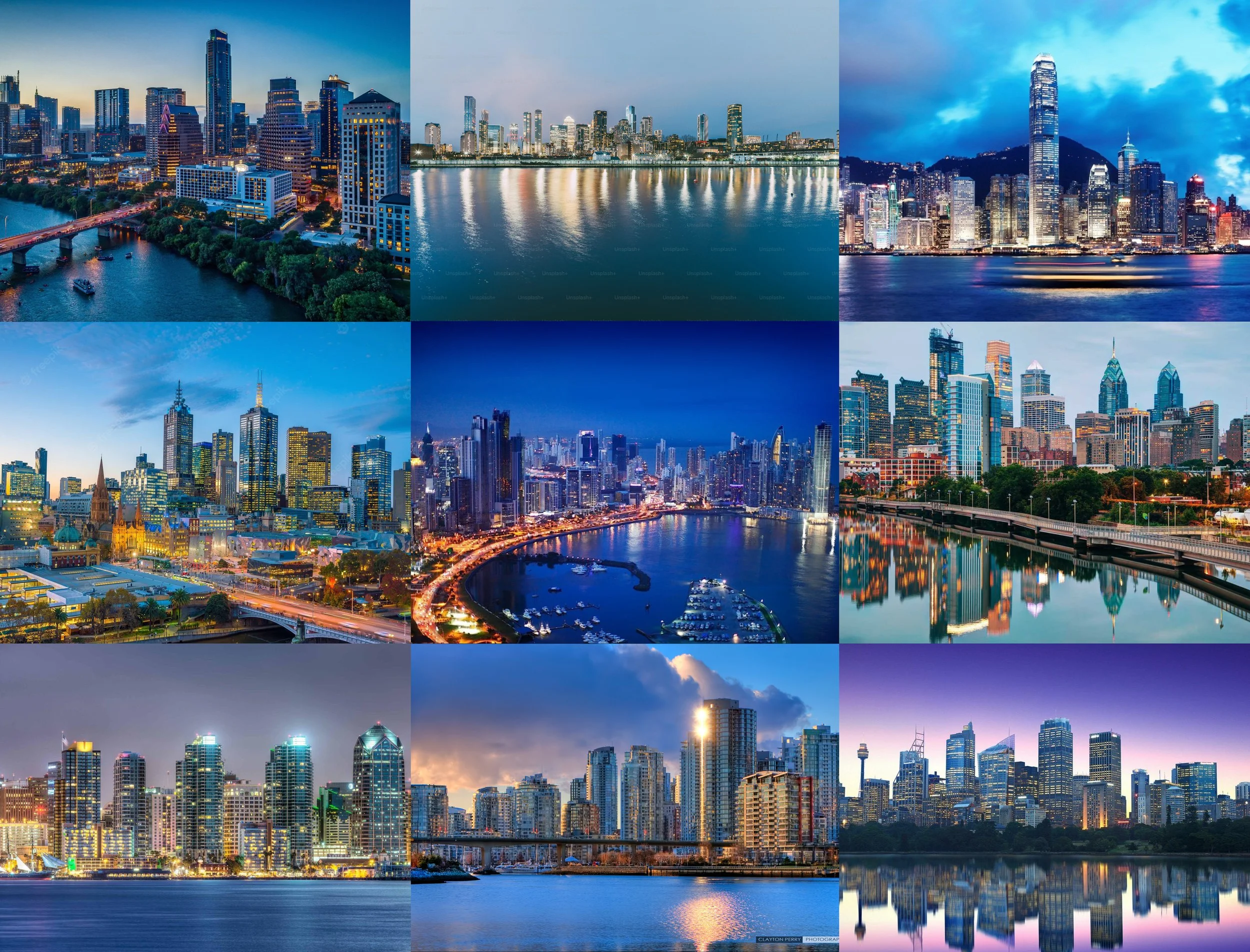
Study the nine cities and see if you can correctly identify their continents using nothing but the built environment. If you score poorly, don't feel bad. That's sort of the point.
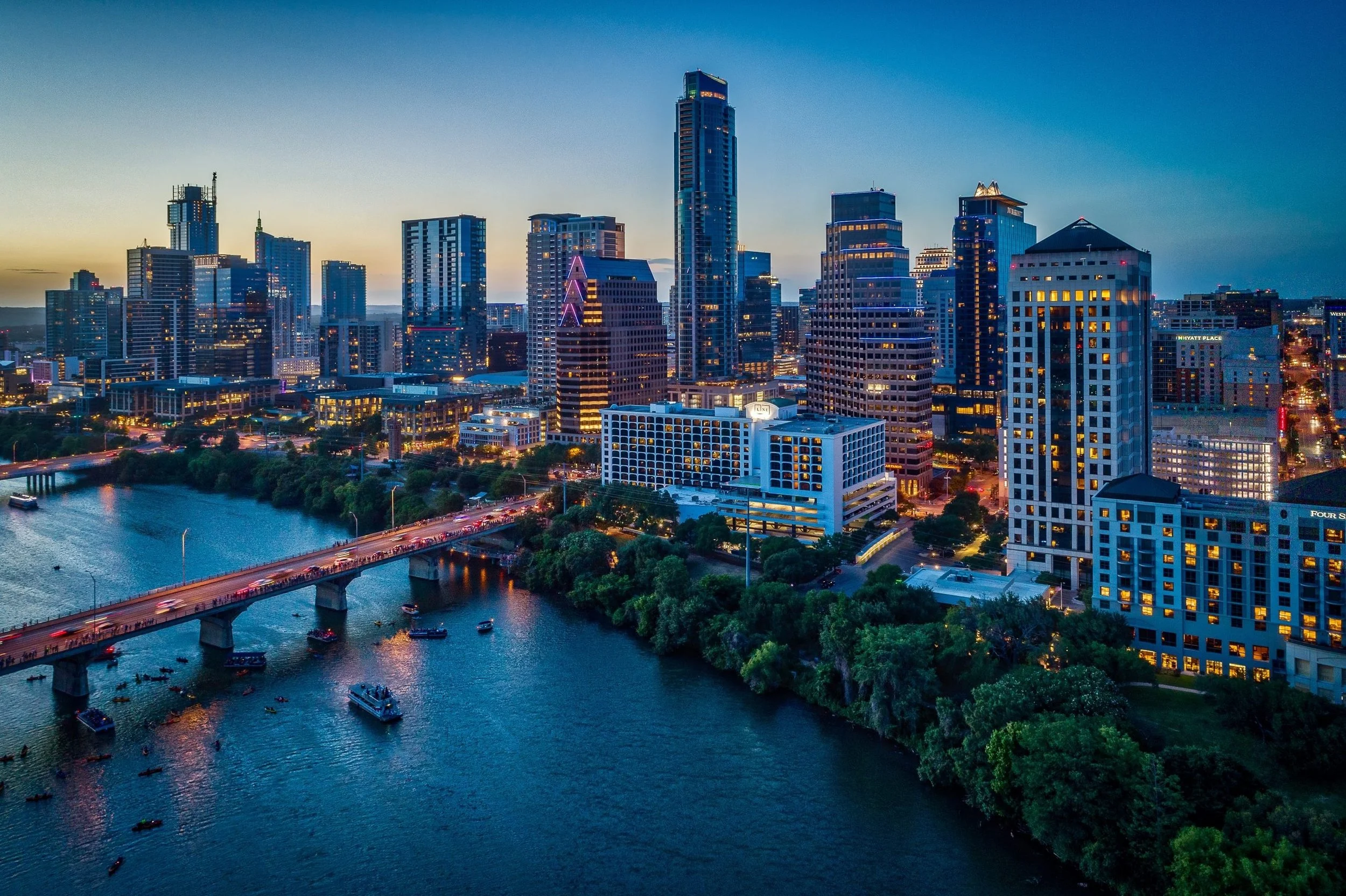
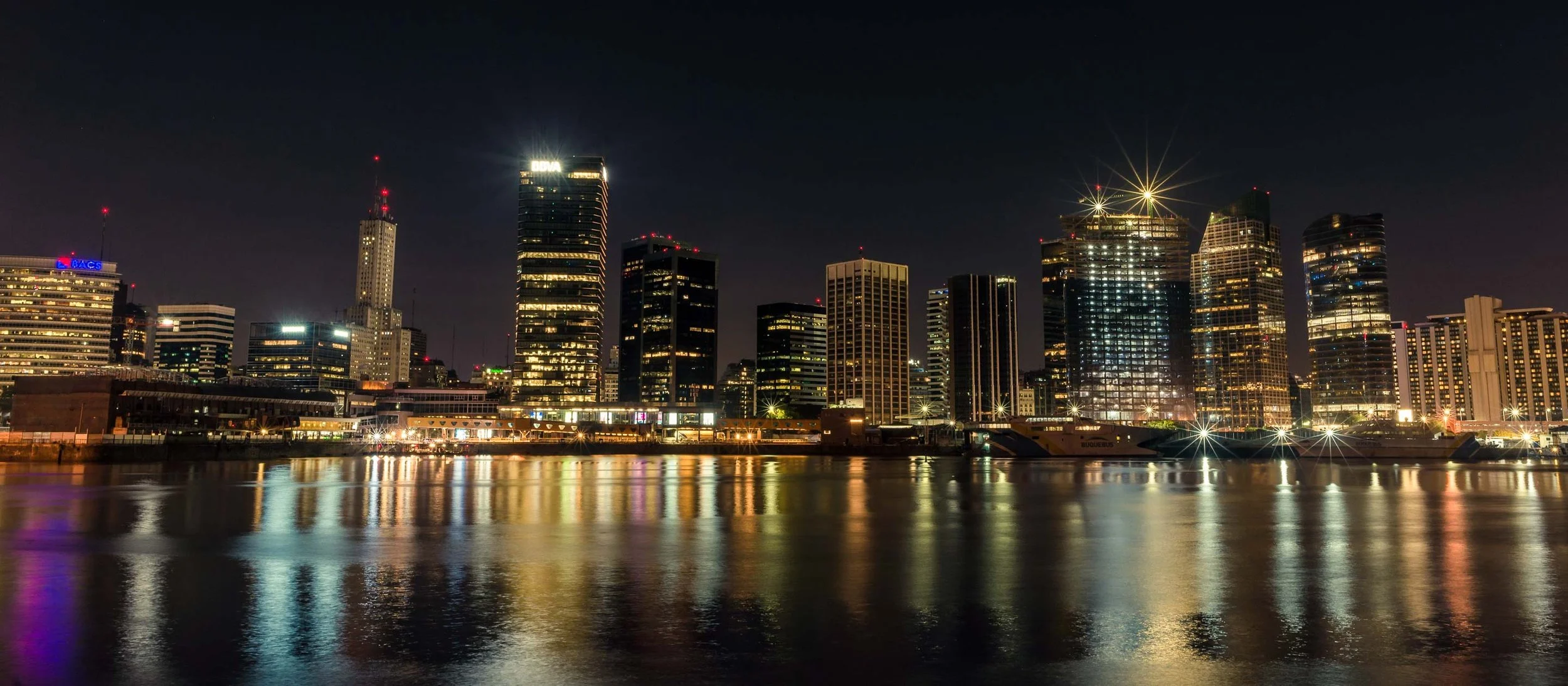
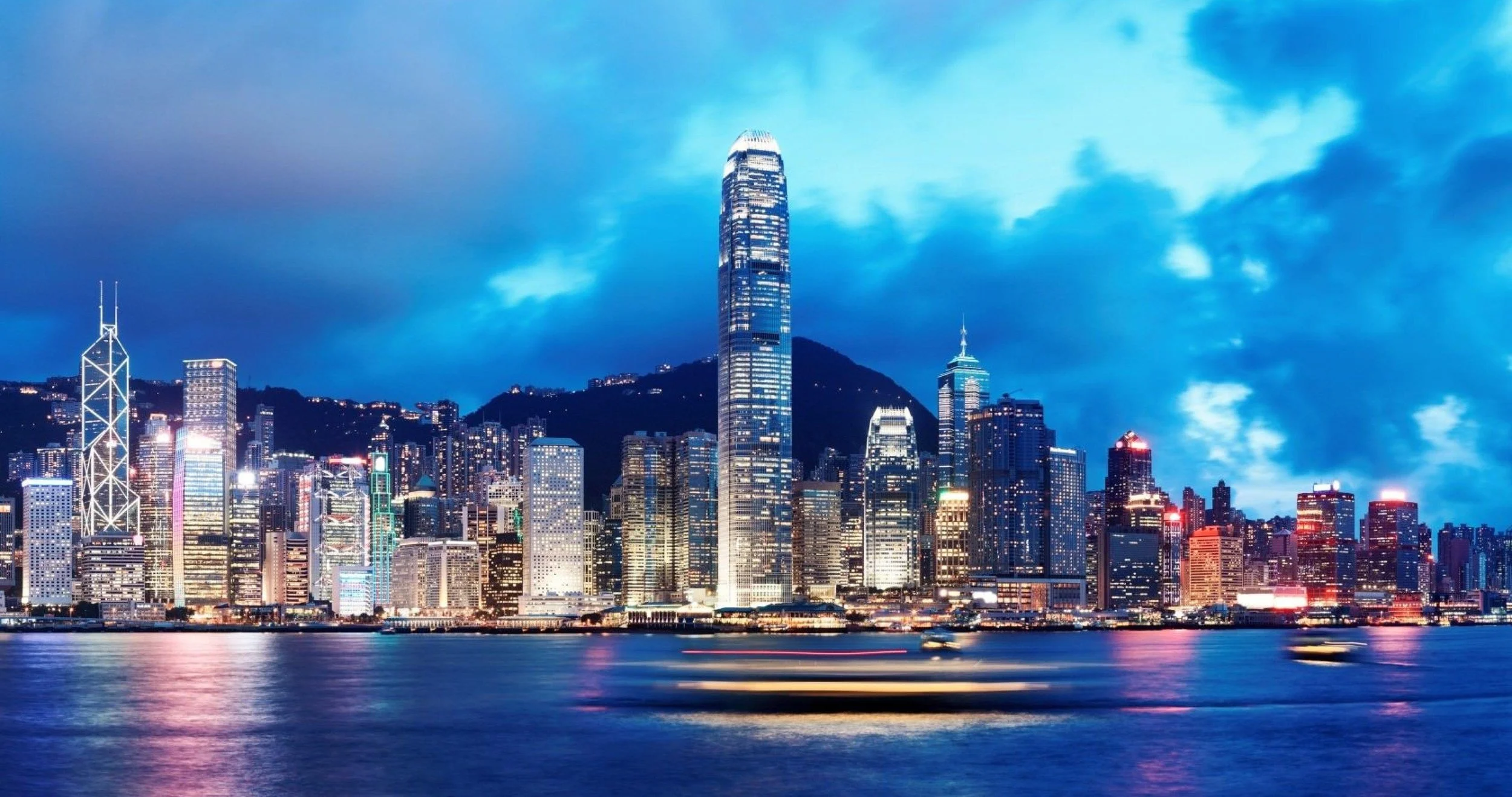
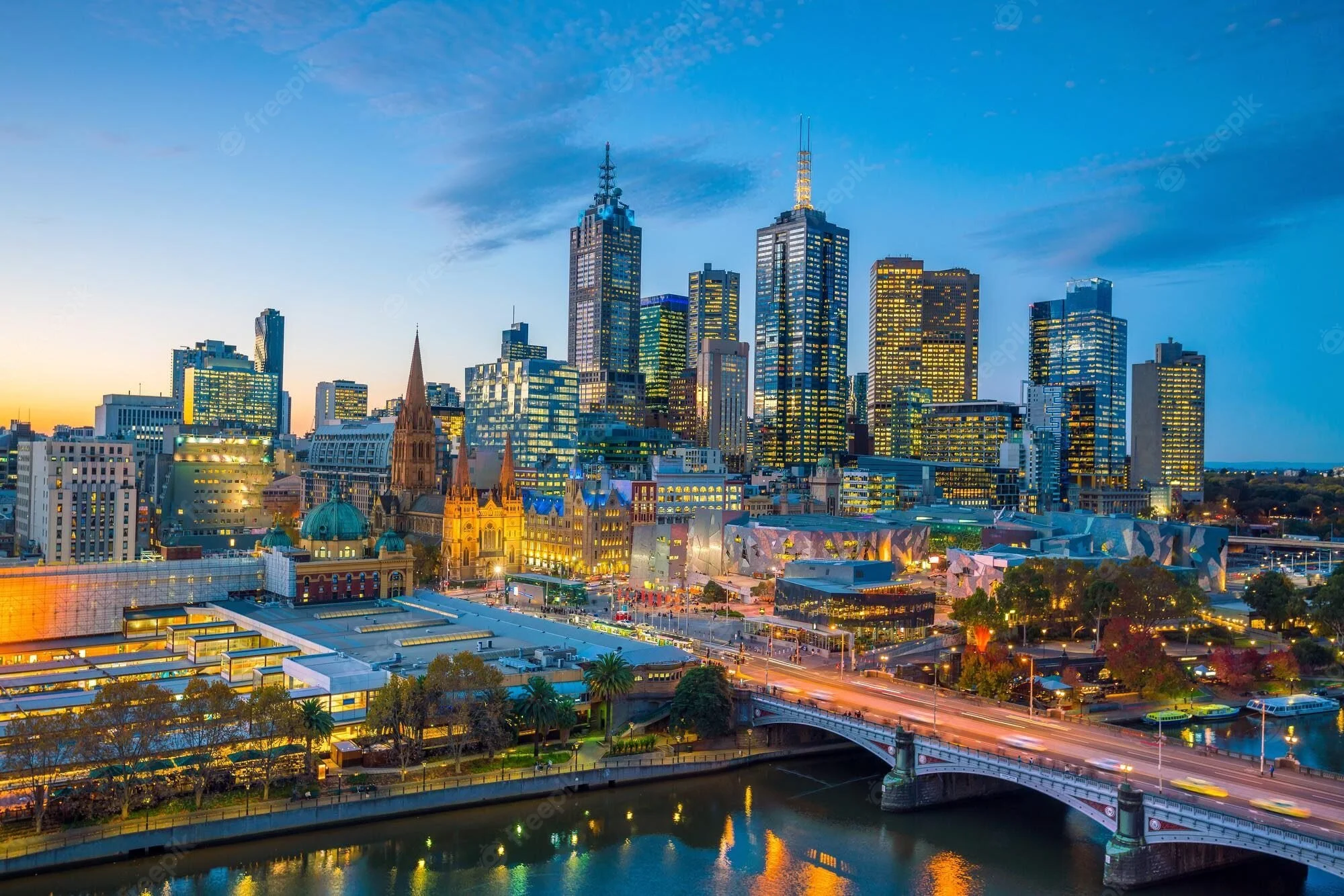
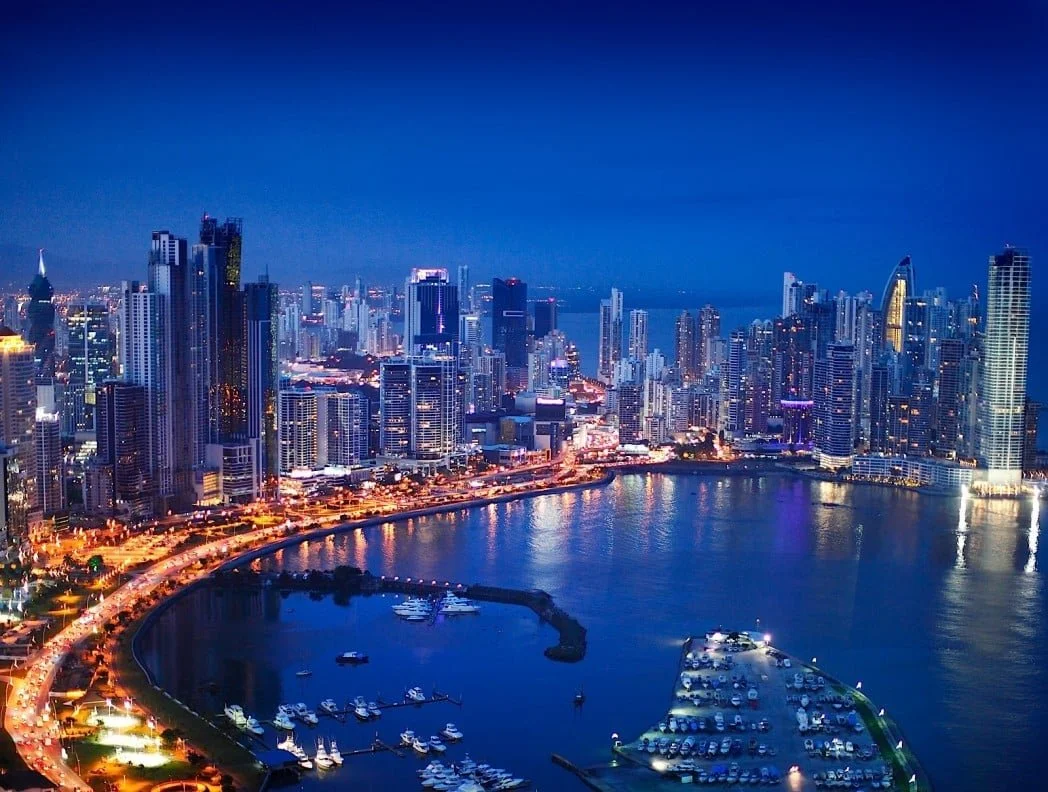
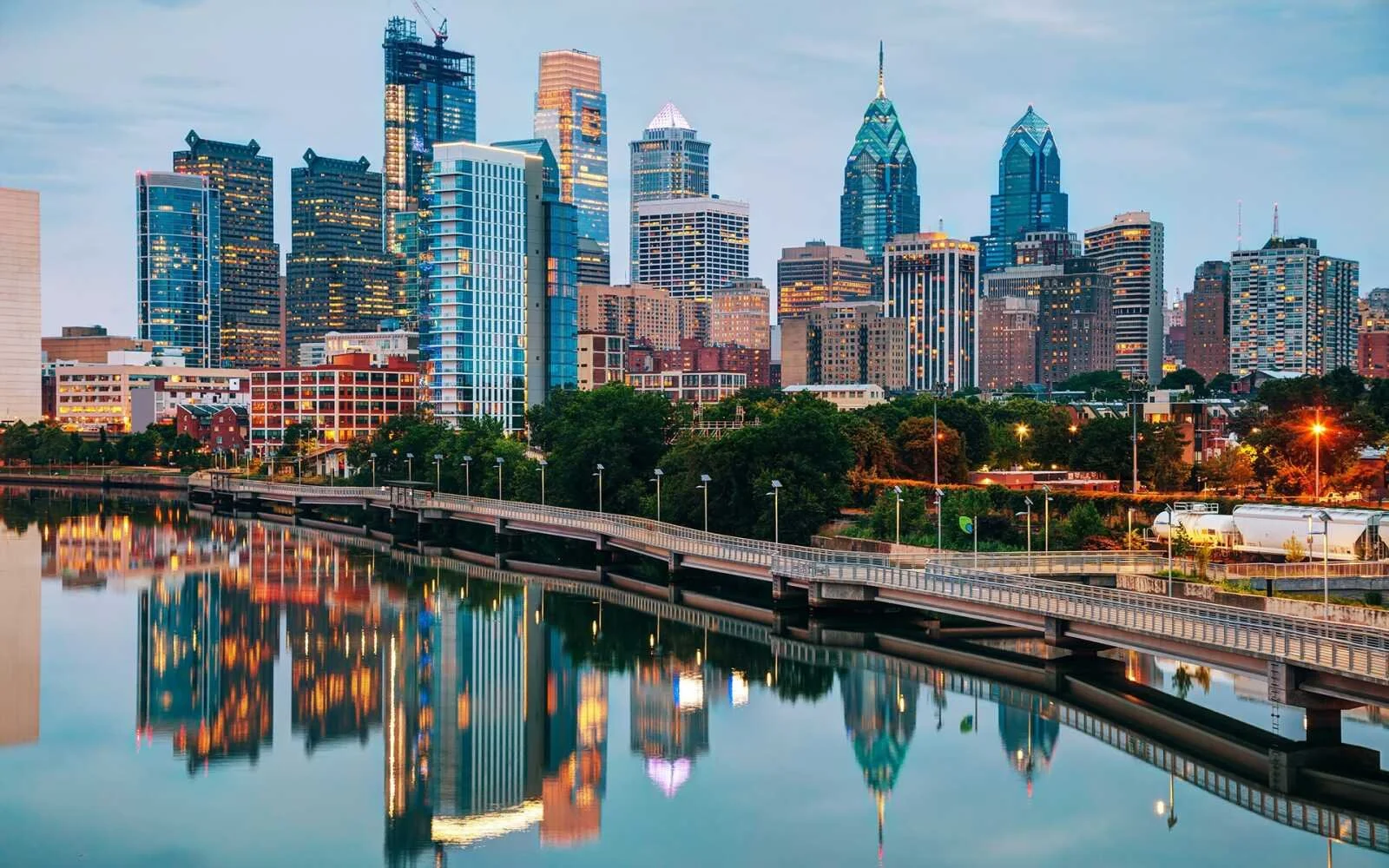
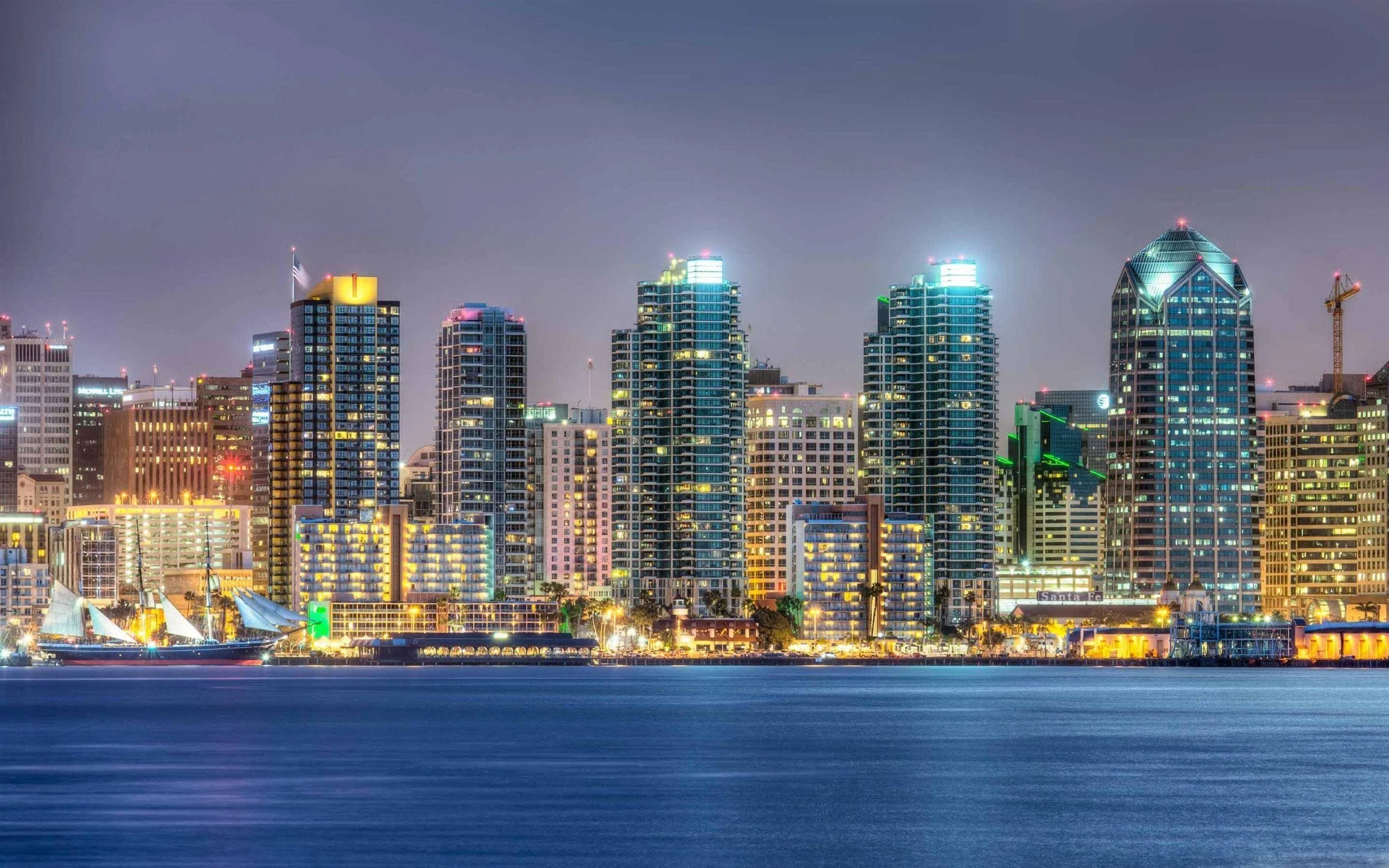
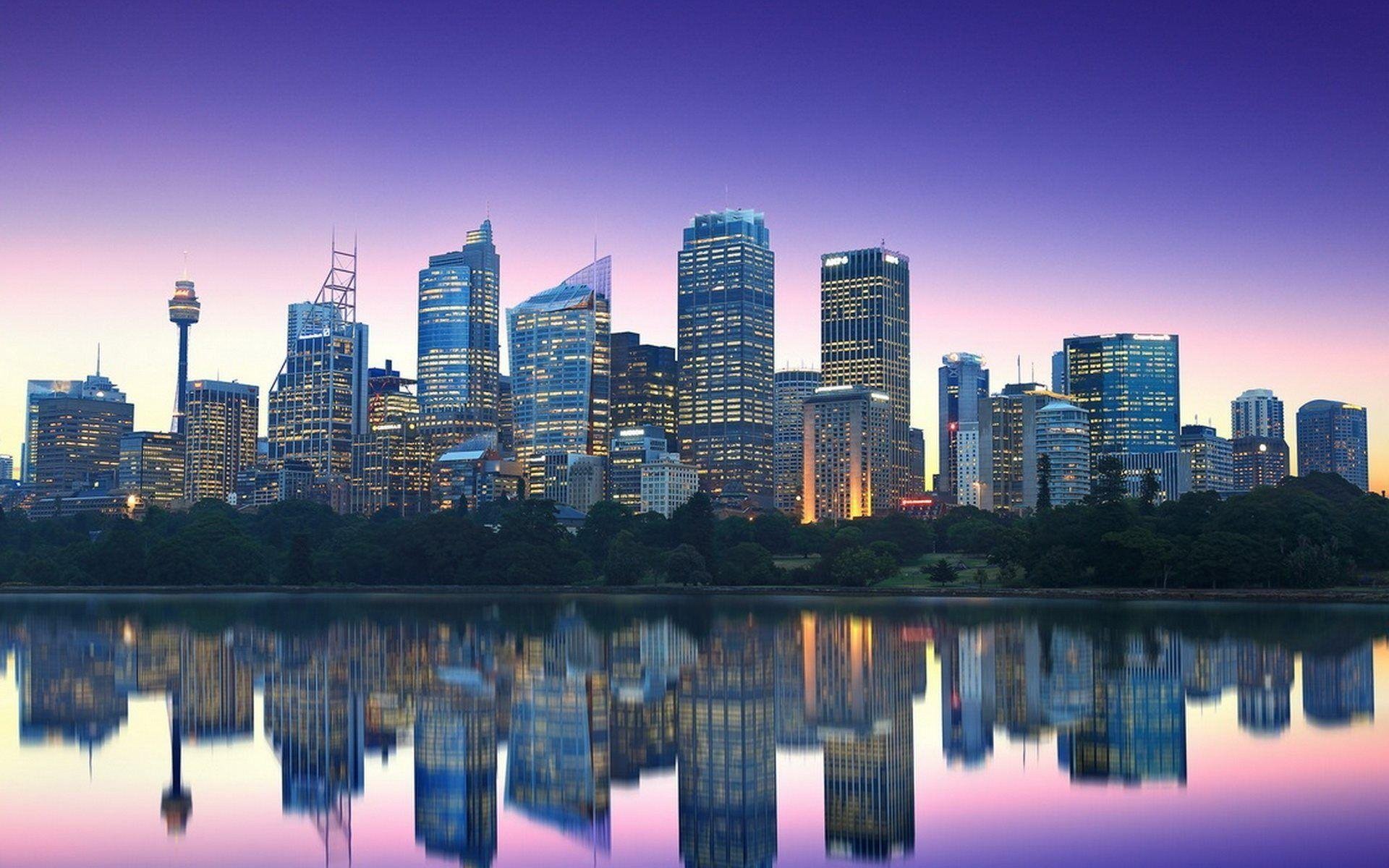
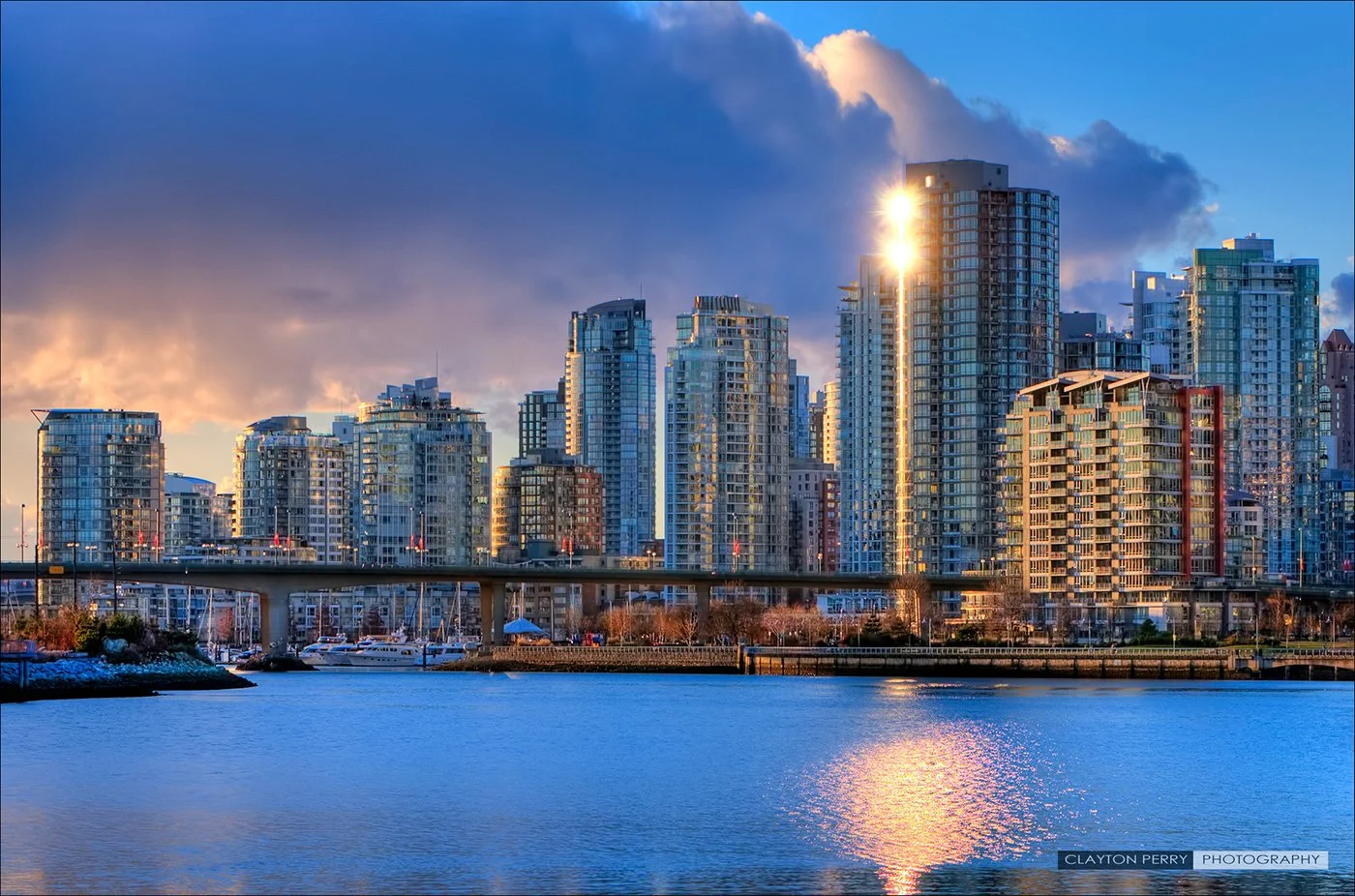
City Images:
Austin
Buenos Aires
Hong Kong
Melbourne city
Panama City
Philadelphia
San Diego
Sydney
Vancouver
The above phenomenon is not unique to architecture. Much of modern pop is co-written by a surprisingly small group of songwriters. Max Martin is a clear example having shaped decades of chart-topping hits while remaining largely unknown to the public. Different artists (Britney Spears, Backstreet Boys, Katy Perry, Ariana Grande, The Weekend…) may appear on stage to sing, but some creative DNA for their biggest hits comes from Max. When a handful of firms and designers shape skylines across the globe, cities risk becoming variations of the same idea rather than expressions of their own history, culture, climate, and people.
The test I like to do is to ask any developer/designer/architect/contractor the following, “After you’ve made your millions by selling high density rental apartment buildings to others and finally retire, where are you going to move, and what is your house going to look like?” In all the times I’ve asked, nobody has dreamed of moving into a 450 sq ft multifamily rental in Cleveland. Paradoxically the people who build housing for everyone else tell me the places that they want to live look more like a tiny flat on the Amalfi Coast, or a rural Château in Piedmont, Italy.
Sooo, everyone is scrambling to make projects pencil while dreaming of spending their fortune buying the very places they claim are too expensive to build. Whatever happened to supply and demand? Despite the obvious desire for contextual relevance and deliberate placemaking, we continue to produce strip malls and generic apartment blocks across every continent. This rise of nowhere is beginning to outpace the creation of identity.
So, is all lost? Absolutely not.
Nowhere is rising, because the forces that shape modern development reward scale, repeatability, efficiency, and familiarity. In plain English, building the same thing many times is easier than building lots of new things. In order to stop nowhere from being everywhere, we need to create a simple and cheap way to integrate identity into a site. Enter contextual relevance. Although our technology may be global, contextual relevance can appeal to local geography, culture, history, and values in order to find a more unique expression by region. The secret to true innovation is to incorporate tradition.
By incorporating tradition do I mean that we tear down every glass box and return each part of the world to its pre-industrial age form? Heavens, no. This is not an argument against innovation. Sure, part of me would love for us all to live in countryside ranches and establish an agrarian republic of self-sufficient homesteaders united by a mutual respect for hard work, liberty, and tolerance. But that Jeffersonian paradise reflects MY culture and MY values. The world would lose the very diversity I’m advocating for if I forced every region to conform to my aesthetic and cultural preferences. The world needs a diversity of peoples, forms, and thoughts. Great cities need experimentation. They need ambition. They need landmarks…just landmarks that have something to do with the region.
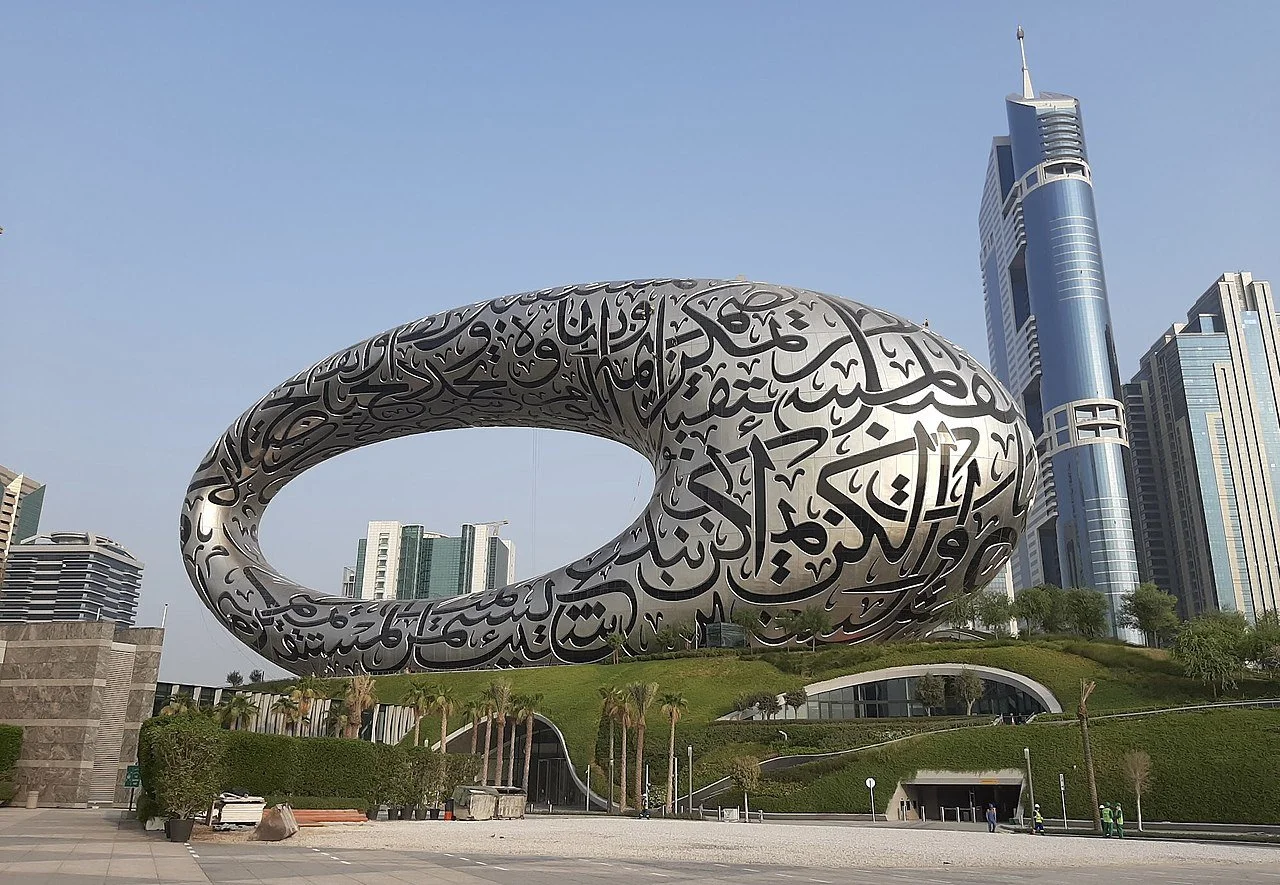
Museum of the Future, Photo Source; Wikipedia
Although I have lightly mocked the Emiratis for building the Burj Khalifa, they also have produced one of the strongest examples of contextual relevance in recent memory: The Museum of the Future. Its silhouette is unmistakable. Wrapped in Arabic calligraphy and dedicated to Dubai's aspirations toward innovation, technology, and the future, the project is boldly contemporary yet uniquely tied to the region and people that produced it.
One can easily imagine relocating the Burj Khalifa to Shanghai or London or Singapore. It is much harder to imagine relocating the Museum of the Future. Notice that the Museum of the Future is not ‘traditional’ architecture. Contextual relevance does not require imitation of the past. It requires continuity with the culture that is building the future. Landmark buildings should ask questions, but the normal buildings provide the language needed to understand those questions.
Identity is not created by landmark projects alone. It emerges from the thousands of ordinary buildings, streets, materials, and public spaces that establish a city's visual language. If Eiffel had built 5 more towers, Paris would be a cluster of nightmarish steel. To have a jazz solo, you need a rhythm section. A skyline requires ordinary buildings because extraordinary buildings can only be seen against an ordinary backdrop. If every building in your city is a generational defining landmark, your city has no landmarks.
The magic of a perfect city is that both its landmarks and its ordinary elements reinforce the story of the people who live there. The built environment tells the story of their dreams, ancestors, customs, and even what they value and how they see themselves. The reason many people make their bed in the morning is to enshrine a set of values into the physical world. If a made bed can have that much impact on your sense of self, how much more do your civic buildings, high-rises, museums, and neighborhoods govern your destiny?
People should be able to trace a place’s past to its future inside the built environment. Great placemaking honors tradition without being shackled by it. Great city design neither worships the past nor defaces it. Good design acknowledges the past, embraces the present, and looks towards the future. Our cities are our stories, and our job is to write a really good chapter, not change the book. If Berlin has more in common with San Francisco, than it does with Füssen, we have made a mistake.
Contextual relevance matters because the places we build today will become someone else's inheritance tomorrow. Let us build assuming people will choose preservation of culture over destruction. Long after today’s architects, developers, and planners are gone, future generations will decide whether our work was worth preserving, adapting, or replacing. Our buildings will tell a story about who we were and what we valued.
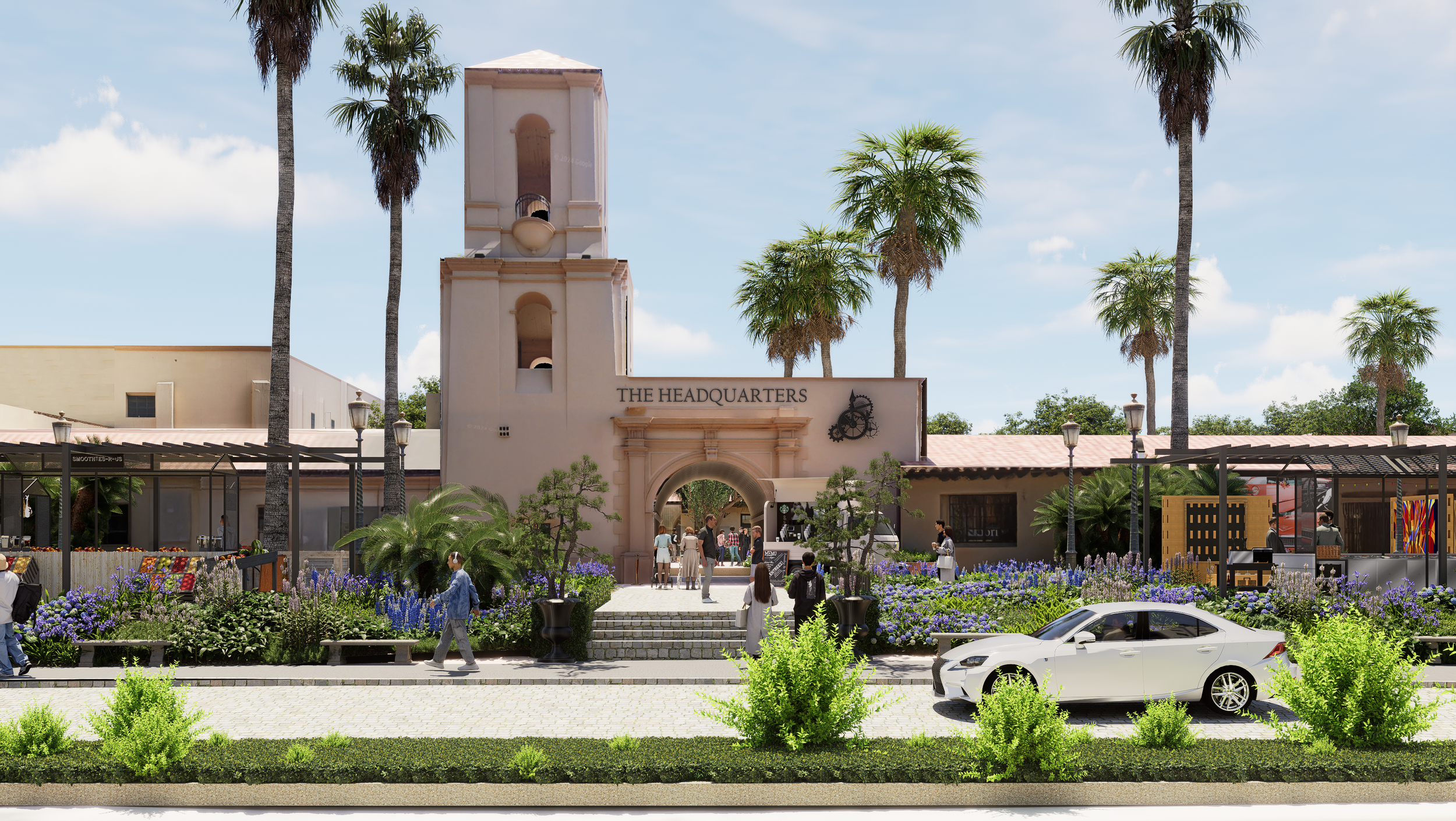
Revitalization of the historic Headquarters at Seaport San Diego, Landscape by McCullough
Today, diversity is a popular rally call; however, our actions in the built environment speak to homogenization and crushing of the individual cultures and creeds that make up the collage of our collective global society. The strength of our global civilization lies not in making every place the same, but in allowing distinct peoples and places to contribute their own chapter to the human story. Diversity means different. It means different places. When every city looks the same, every city loses something. The future of great design is featuring local identity expressed with respect and excellence.
Before you build, ask one question: Am I building nowhere or now here?
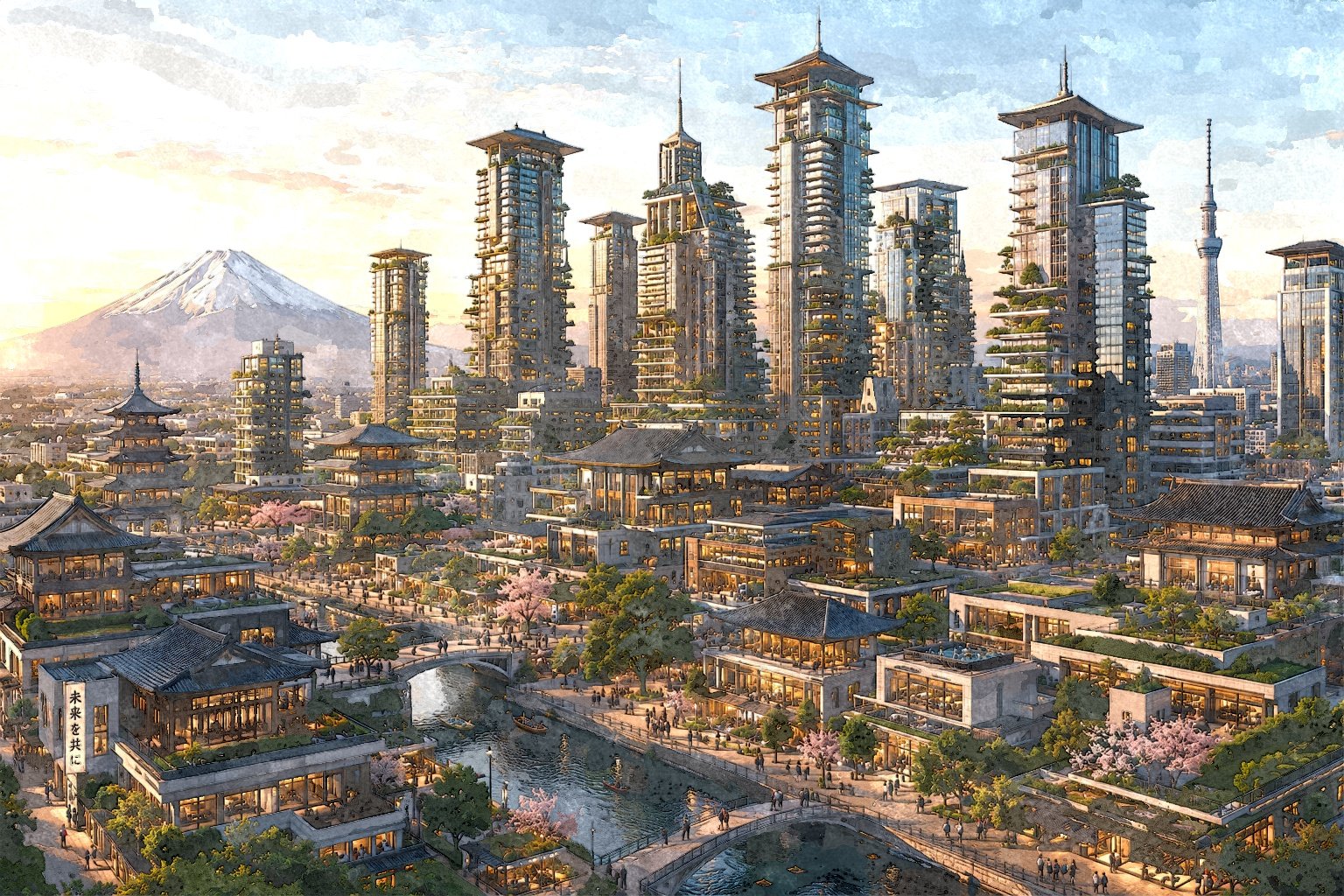
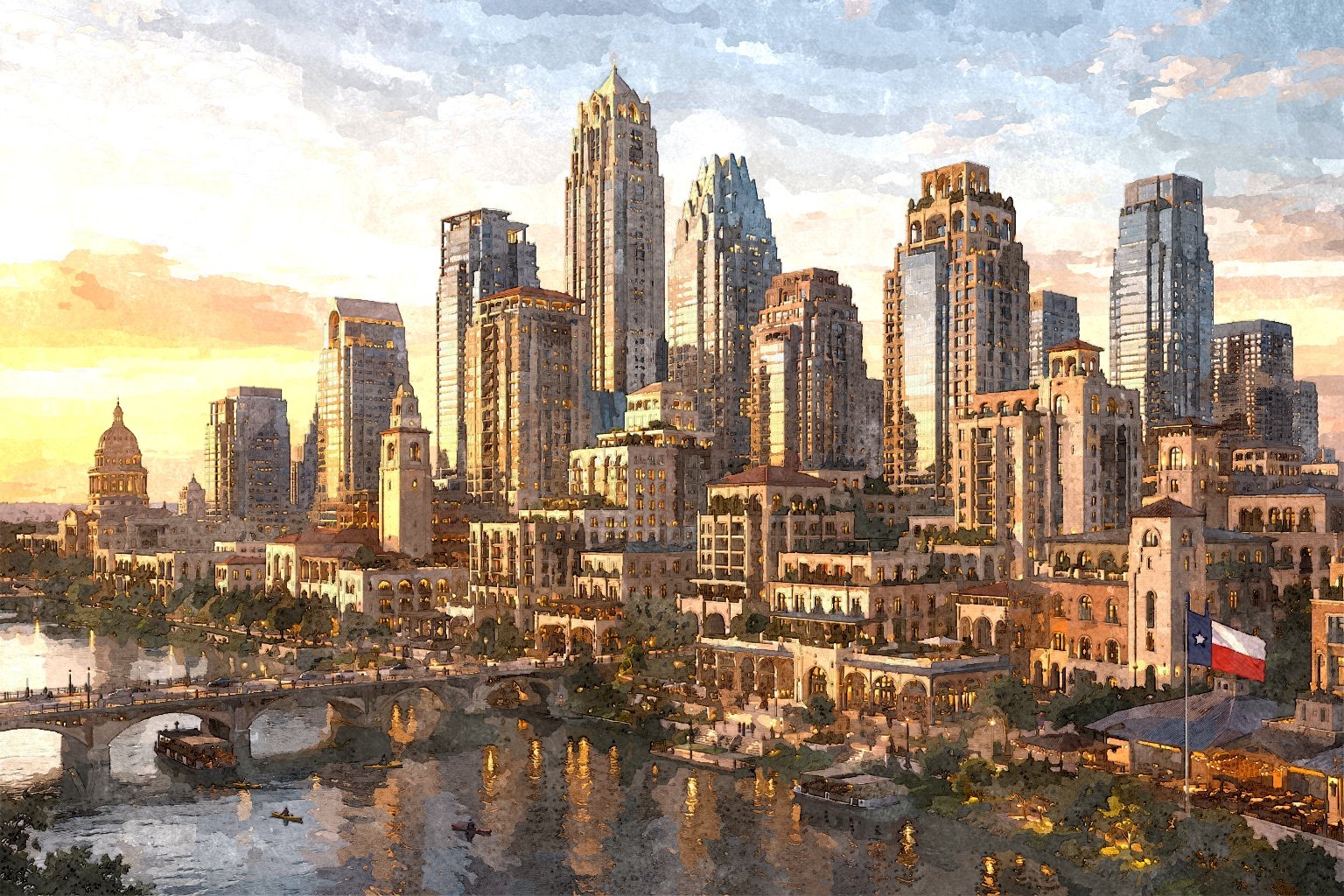
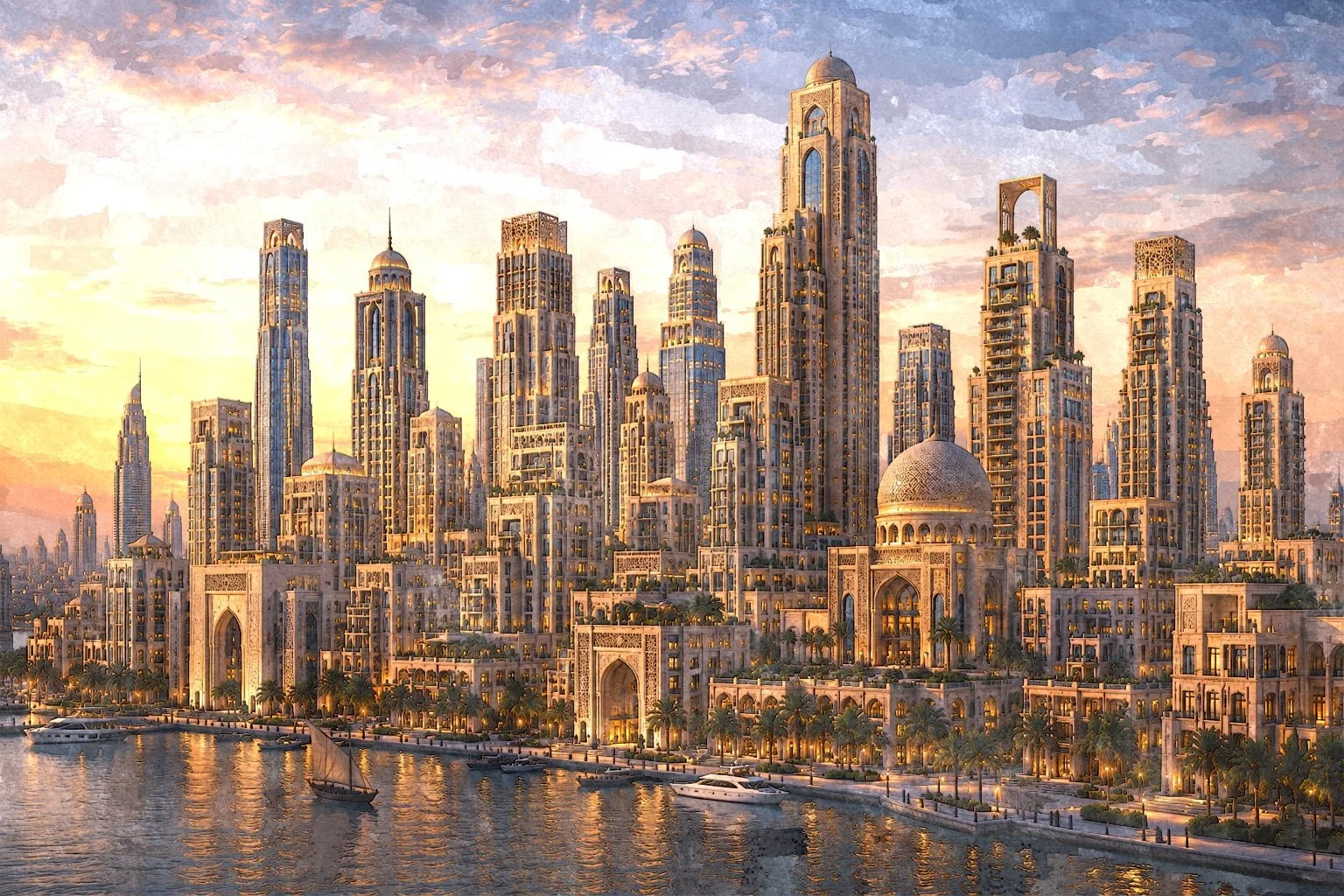
What the future of our cities could look like…
Sources and Related Links:
A Different Kind of Architectural Drawing: Léon Krier's Sketches | ArchDaily
Beyond Critical Regionalism. A conversation with Kenneth Frampton - Dedalo Building Lab
Legacy of culture heritage building revitalization: place attachment and culture identity - PMC
Quote by Jane Jacobs: “Cities have the capability of providing somethi...”
How To Think Like Jane Jacobs | National Trust for Historic Preservation
[1603.04012] The Death and Life of Great Italian Cities: A Mobile Phone Data Perspective
City Images Key and Credits:
Buenos Aires =Buenos Aires -|Journeys International
Hong Kong = FINEOS opens Hong Kong Office
Melbourne city = NDIS Disability Services Provider Bacchus Marsh, Support Coordination
Panama = Pin on Panamá/ Bristo Panama Hotel
Philadelphia = Philadelphia Center City, Pennsylvania | Kimley-Horn
San Diego = San Diego Skyline Wallpapers - Top Free San Diego Skyline Backgrounds - WallpaperAccess
Sydney = Download wallpapers Australia, Sydney, building, reflection, evening city - Wallpapers4screen.com
Vancouver = Vancouver Skyline: Behance