• Home
  • Portfolio
  • About
  • News
  • Contact
  • Detail
  • More Detail
  • Home
  • Portfolio
  • About
  • News
  • Contact
  • Detail
  • More Detail

McCullough Landscape Architecture, Inc.

703 16th Street, Suite 100 San Diego, California 92101

P (619) 296-3150 F (619) 501-7725

info@mcculloughla.com

The Business of Hospitality: David McCullough Heads to Las Vegas
August 27, 2026  /  Catherine McCullough

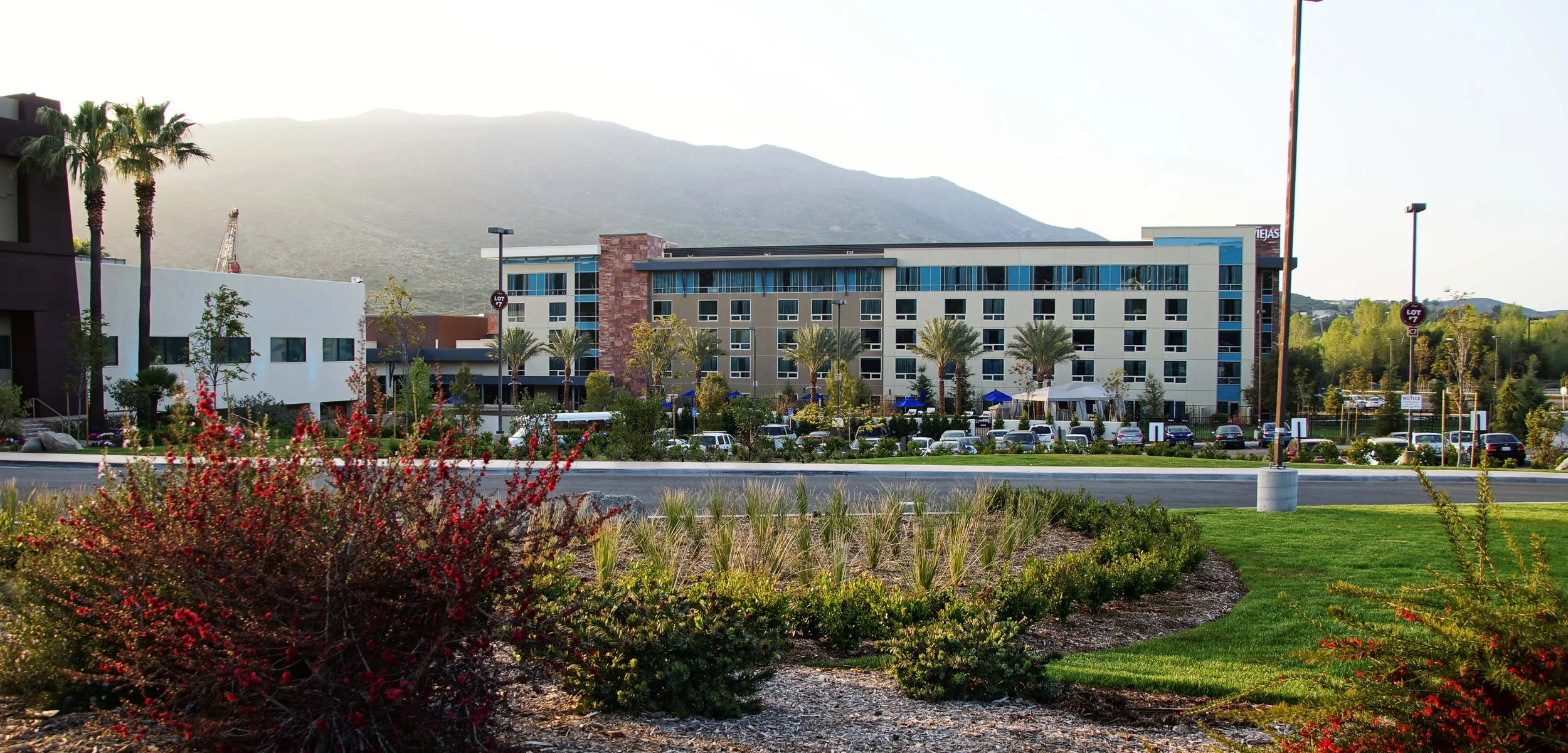
Viejas Casino & Hotel

Las Vegas continues to evolve as a destination, with new development, sports, tourism, and experiential hospitality reshaping the region. This September, Principal Landscape Architect David McCullough, ASLA, PLA will join industry leaders at Bisnow's Las Vegas & Southern Nevada Hospitality CRE Summit to discuss the business of hospitality and what's driving growth across Southern Nevada. David will also attend InterFace Las Vegas Multifamily 2026 on September 17th at DragonRidge Country Club, continuing the conversation with developers, owners, investors, and architects shaping the region's multifamily market.

The Business of Hospitality

David will participate in the panel "The Business of Hospitality: Development, Tourism & Growth in Las Vegas," exploring how developers, operators, and destination leaders are responding to record visitation, new investment, and evolving guest demand.

As hospitality continues to become more experience-driven, the role of outdoor space is becoming increasingly important. From arrival experiences and gathering spaces to dining, entertainment, and recreation, landscape architecture can help create environments that encourage connection, enhance the guest experience, and give a destination a stronger sense of place.

Designing for the Desert
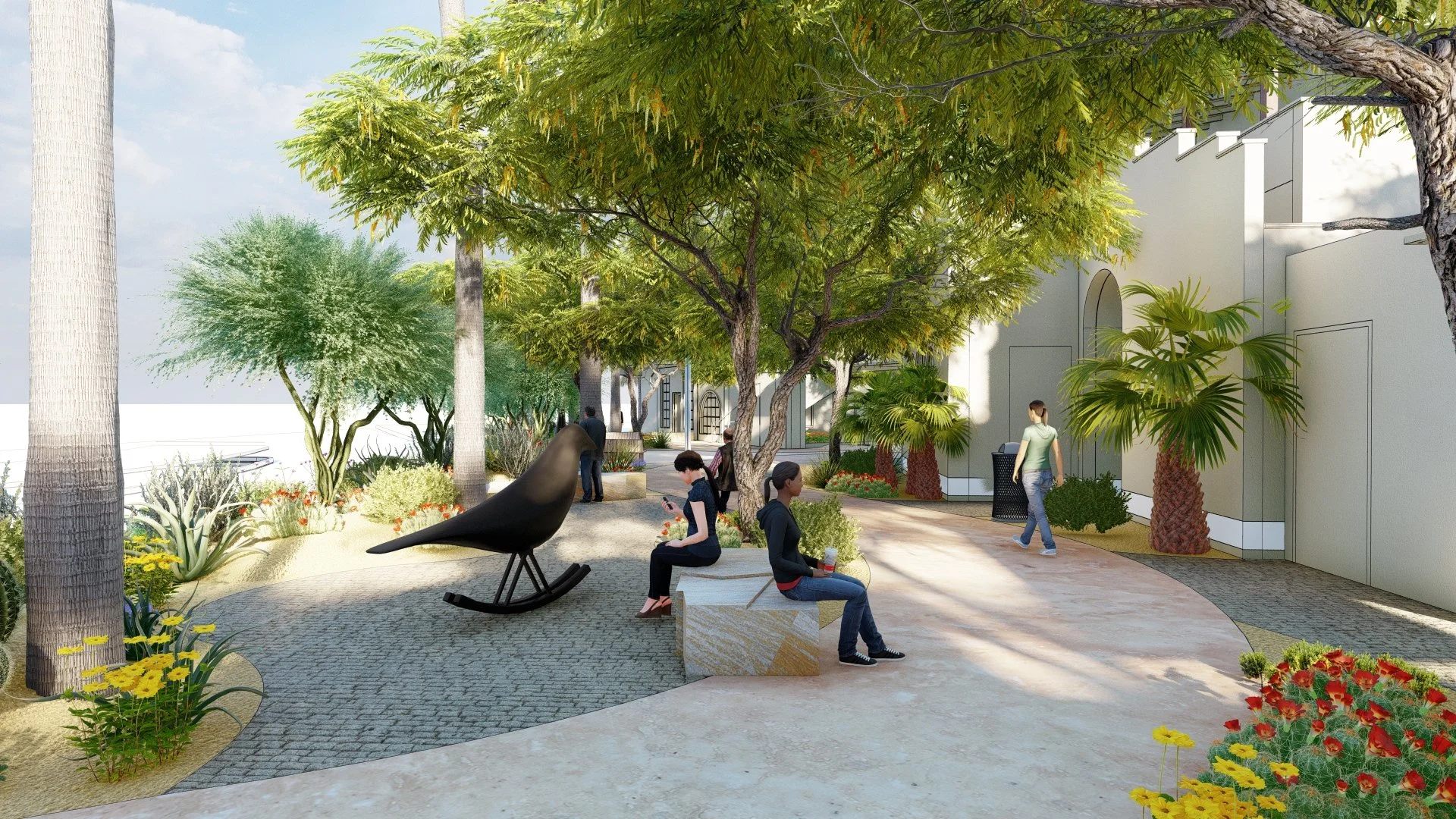
La Quinta Cultural Campus

Las Vegas presents a unique opportunity to create memorable hospitality experiences rooted in its desert environment. Thoughtful landscape design can respond to the challenges of heat and water while creating comfortable, engaging outdoor spaces that invite guests to linger and explore.

For McCullough, this means looking beyond the building to consider how landscape can connect people, experiences, and destinations.

Touch Grass: David's Take on Hotel Design

Ahead of the summit, David spoke with Bisnow's Studio B about where hotel design is headed. As Elizabeth Reyn reports in The Latest In Hotel Design: A Reminder To Touch Grass, David points to a shift away from transportive design and toward outdoor spaces rooted in Southern Nevada's own desert ecology, from native, low-water planting to shade and cooling strategies that keep guests comfortable year-round.

Read the full piece on Bisnow.

A Full Slate in Southern Nevada

David's September travel to Las Vegas doesn't stop at the Bisnow summit. He'll also be at InterFace Las Vegas Multifamily 2026, a half-day conference bringing together developers, owners, investors, brokers, lenders, and architects to discuss the trends shaping the region's multifamily market, from investment sales and development to leasing, amenities, and operations.

It's another opportunity for David to connect with the people building Southern Nevada's future and to bring McCullough's perspective on landscape and outdoor experience to the conversation.

Expanding Our Presence in Nevada
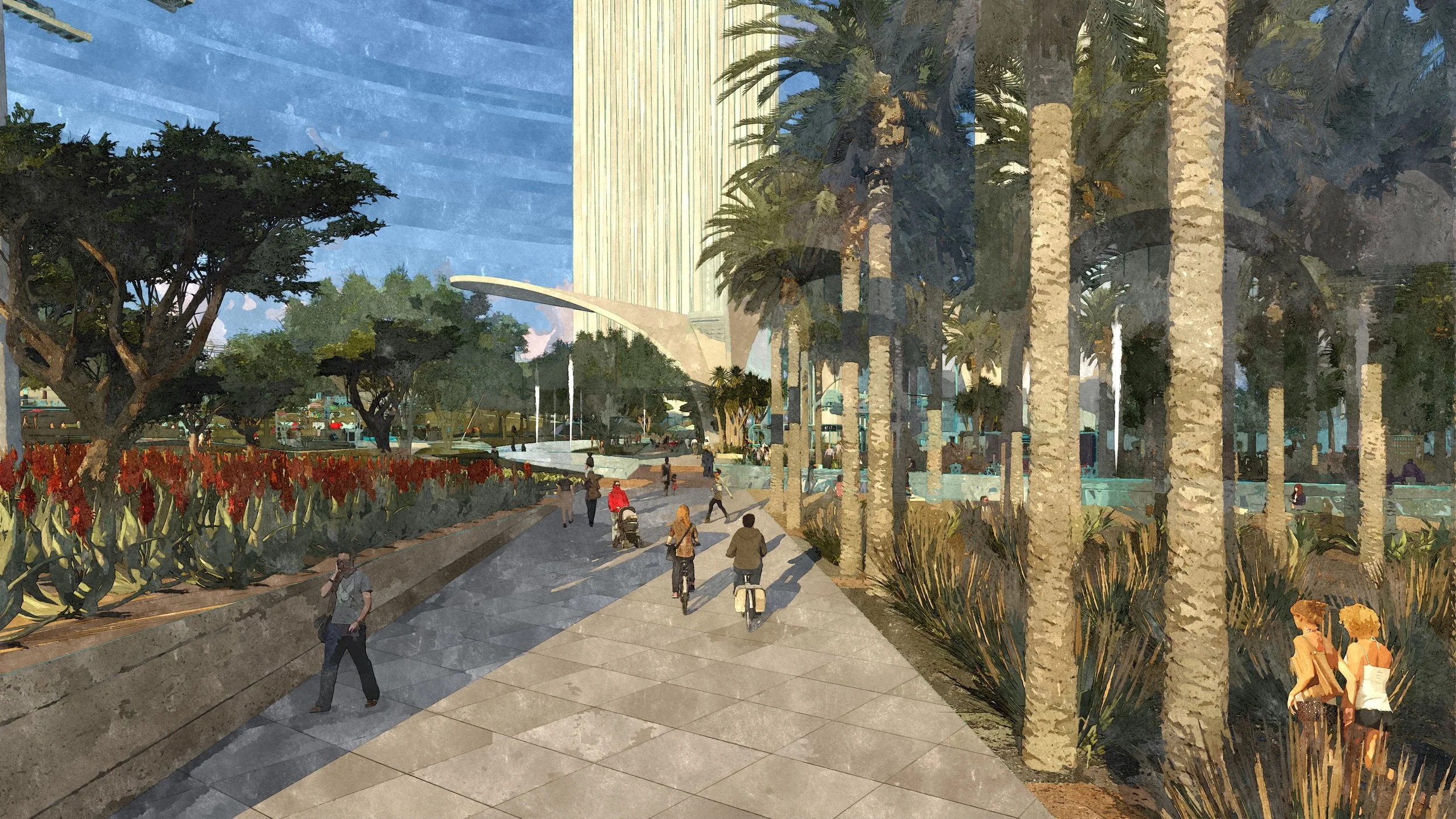
The Las Vegas Rope

Both conversations come at an exciting time for McCullough. David is recently licensed in the State of Nevada, expanding the firm's ability to serve clients and pursue opportunities throughout Southern Nevada.

With experience in hospitality, mixed-use, urban design, and large-scale development, McCullough looks forward to bringing its approach to creating landscapes with grit, soul, and style to the Las Vegas market.

Looking Ahead

As Las Vegas continues to grow and redefine the hospitality and multifamily experience, landscape architecture will play an important role in shaping how people experience these destinations. McCullough is proud to be part of the conversation and looks forward to contributing to what comes next in Southern Nevada.

Comment 0 Likes

Catherine McCullough to Moderate "Making Space at the Water's Edge" at CREW Network Convention 2026

August 27, 2026  /  Catherine McCullough

We are proud to announce that our very own President/CEO/CMO, Catherine McCullough, will be attending the 2026 CREW Network Convention, September 23rd-25th, where she will moderate “Making Space at the Water’s Edge- A Coast to Coast Perspective” on Thursday, September 24th.

This panel, consisting of Justine Murray, Vice President of Government Relations for the Downtown San Diego Partnership; Jenni Morejon, President & CEO of Fort Lauderdale Downtown Development Authority; and Brooksie Hughes, President of Voyager Enterprises, Int’l and BAH Productions will bring together leaders in development, placemaking, events, and economic development to discuss how thoughtful partnerships, programming, and public spaces can transform downtown waterfronts into vibrant places for people and communities.

CREW Network is a global organization dedicated to advancing women in commercial real estate through leadership, networking, education, and industry research. 

We look forward to watching Catherine lead this important conversation and we hope to see you there!

Click here to register!


Comment 0 Likes

Elevating Independent Senior Living: The Landscape Vision for Avia La Jolla

July 28, 2026  /  David McCullough

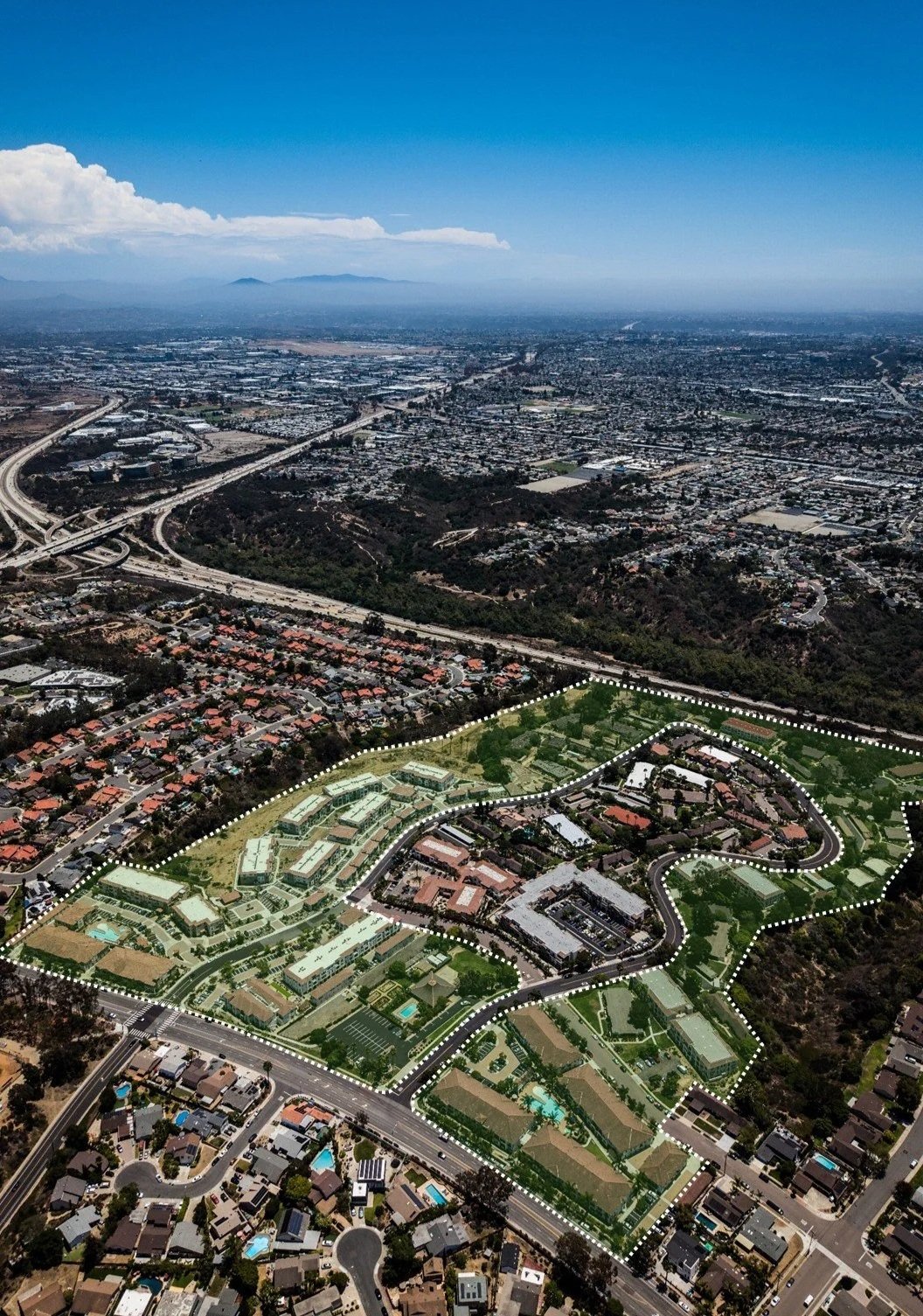
Avia La Jolla Senior Living Community, La Jolla, CA

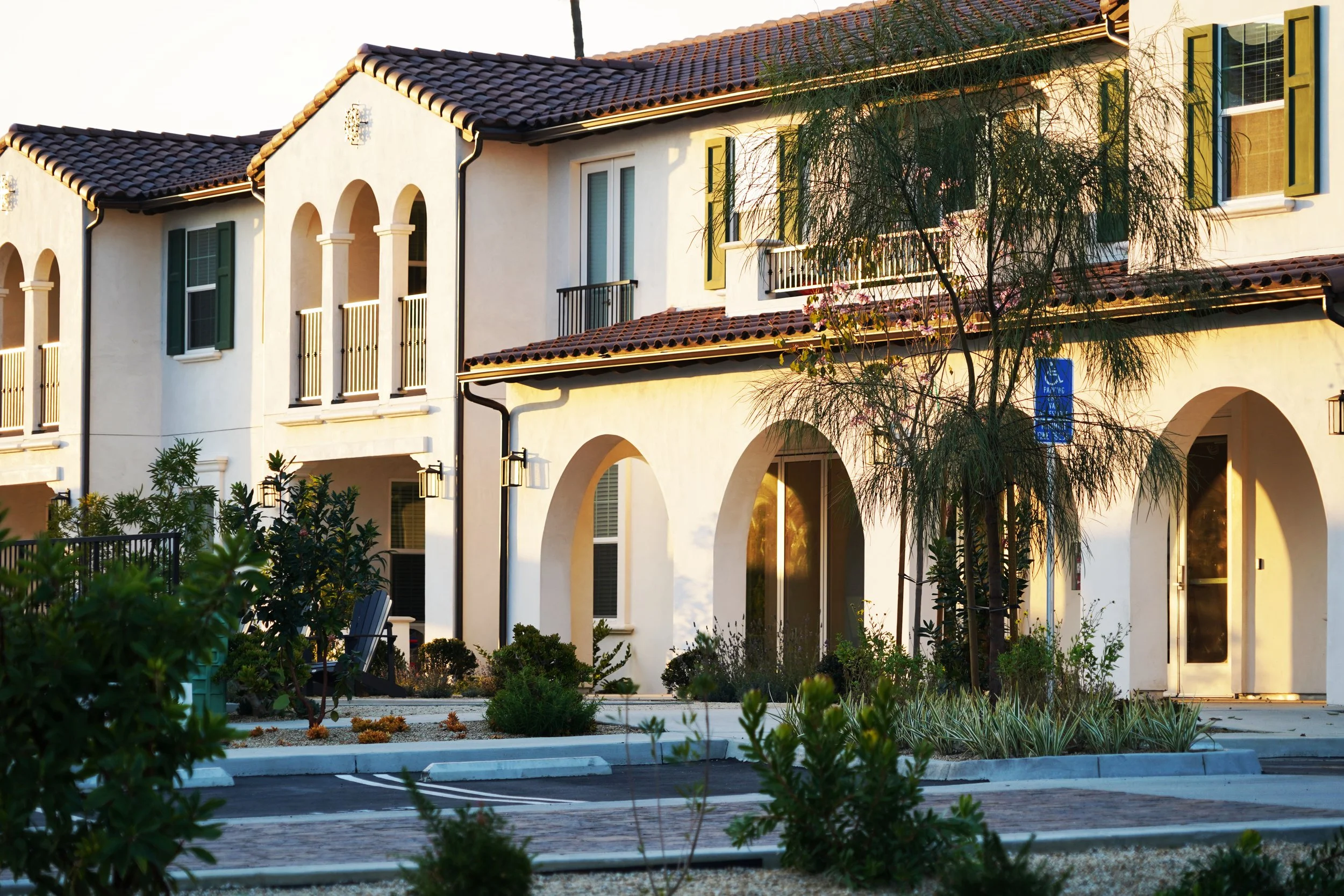
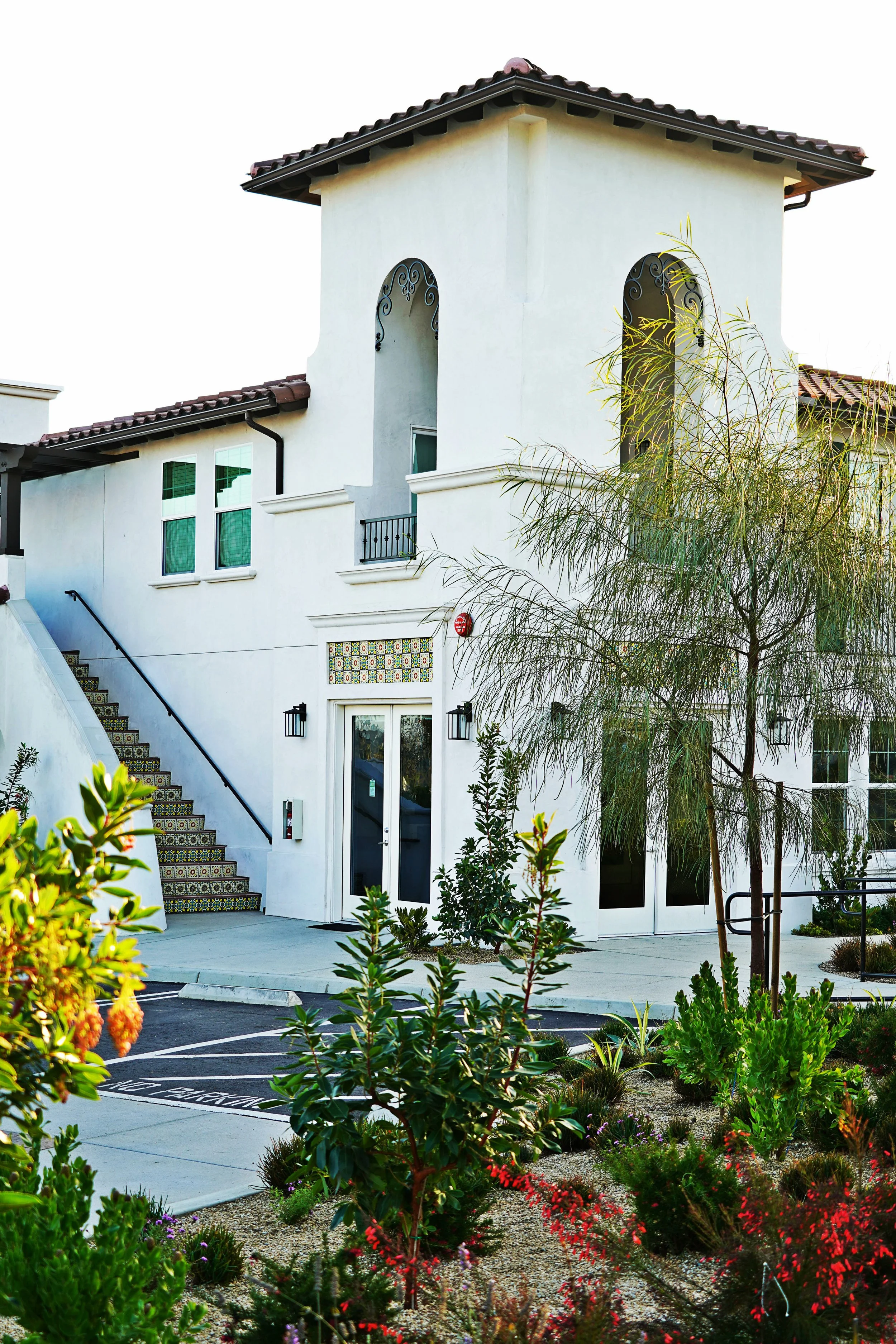
The concept of senior living is evolving, and nowhere is this more evident than at Avia La Jolla. Nestled in the heart of San Diego's University City neighborhood, this vibrant 55+ independent senior community represents a new standard for active, resort-style living. The McCullough team is proud to have collaborated on this series of developments with Liberty National Corporation, bringing our passion for landscape architecture to a project that prioritizes comfort, connection, and the natural beauty of the Southern California coast.

A Sprawling Coastal Haven

As highlighted in the site overview above, the Avia La Jolla development encompasses a massive footprint bordered by natural canyon topography and major residential corridors. Located just off the 5 Freeway and minutes from the Pacific Coast, the site benefits from refreshing ocean breezes year-round.

Our scope for the area involved integrating the community's distinct residential structures with lush, expansive outdoor spaces. The goal was to ensure the architecture and the environment felt entirely unified, taking advantage of the sprawling property to create peaceful, tucked-away retreats for residents that feel deeply connected to the surrounding University City landscape.

Designing for Connection and Well-Being

At McCullough, we believe that landscape architecture plays a crucial role in the quality of life, especially in 55+ communities where accessibility and outdoor engagement are paramount. For Avia La Jolla, the outdoor amenities were designed to serve as a seamless extension of the residents' homes.

Key features of the site's landscape design include:

  • Resort-Style Pool & Spa: A shimmering swimming pool and soothing hot tub act as the centerpiece for outdoor relaxation and socialization.

  • Communal Gathering Spaces: We incorporated fire pits, picnic areas with barbecues, and beautifully landscaped courtyards to encourage community interaction and outdoor dining.

  • Pedestrian Connectivity: The site features accessible, scenic pathways that connect the residential units to the community’s state-of-the-art clubhouse, fitness center, and movie theater, promoting an active and walkable lifestyle across the large campus.

  • Coastal Flora: The planting palette was carefully selected to reflect the coastal environment, utilizing lush, beautiful landscaping that thrives in the sunny San Diego climate while providing abundant shade.

The Perfect Blend of Relaxation and Activity

Avia La Jolla is more than just a housing project; it is a lifestyle destination. Residents are positioned just a stone's throw away from local gems like University Gardens Park and the Birch Aquarium, providing endless opportunities for exploration. Yet, with the property's serene walking paths, resort-style amenities, and thoughtfully curated outdoor spaces, residents hardly need to leave the grounds to feel like they are on a permanent vacation.

The McCullough office is honored to have played a role in bringing Avia La Jolla to life. By blending modern amenities with engaging, purpose-driven landscape architecture, this community stands as a testament to the future of independent senior living in San Diego, where every day is tailored to elevate the resident experience.


Comment 0 Likes

Designing a District People Belong In: Notes from LAI San Diego's SDSU West Panel

July 28, 2026  /  Catherine McCullough

Mission Valley has spent decades as a collection of parking lots, big-box stores, and disconnected pads facing away from the one thing that could tie it all together: the San Diego River. That tension, and the vision for solving it, was at the center of LAI San Diego's July luncheon, "SDSU West: Building a New Civic, Academic and Community Destination in Mission Valley."

David McCullough is a proud a member of Lambda Alpha International (LAI) San Diego, the honorary land economics society that brings together developers, planners, architects, public agencies, and academics to advance thoughtful land use. As a member of the Programs Committee, it’s fulfilling to help plan events like this, where the people shaping a project talk candidly about how it's coming together, and this is exactly why we value David’s membership and involvement. We're grateful to LAI San Diego for hosting.

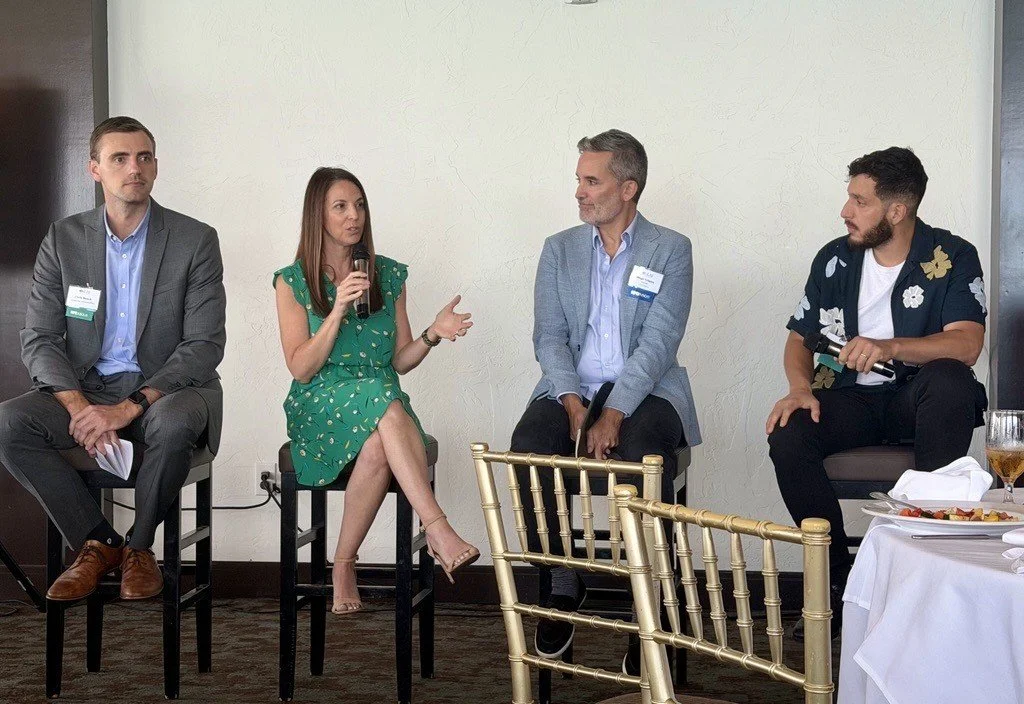
Benjamin Arcia, Studio Design Leader at McCullough, moderated the panel, guiding a conversation alongside:

  • Chris Bench, Director of Development, AvalonBay Communities

  • Gina Jacobs, Associate Vice President for Mission Valley Development, San Diego State University

  • Diego Velasco, Principal and Founder, Citythinkers

The River as the Spine of the Community

The conversation opened with a clear-eyed take on Mission Valley's original sin: for decades, development didn't see the San Diego River as an asset. "It really is the armature, the main spine that organizes the whole community," Velasco said. "And it's not just any river. It's the San Diego River," part of one of the region's most extensive trail networks, running from Mission Trails to the beach, yet historically walled off by parking lots and auto-oriented development that never turned to face it.

"It really is the armature, the main spine that organizes the whole community. And it's not just any river. It's the San Diego River." — Diego Velasco, Citythinkers

Velasco credited former SDSU leadership, including Nancy Graham, for pushing the team to study the whole area, from the Fenton properties through the foothills down to the river, and ask a simple question: Where do the thousands of people who work in Mission Valley actually go, and how do they get around? His answer came with a memorable analogy: Mission Valley has had "potatoes with no butter," isolated development with nothing connecting it. The opportunity now, he said, is to "bring the butter to the potatoes."

Ben's Questions: Designing for People, Not Cars

Much of the panel's most interesting territory came from Ben steering the conversation toward urban design and walkability, asking panelists to compare working with a blank slate at Mission Valley versus infill work in established neighborhoods like North Park.

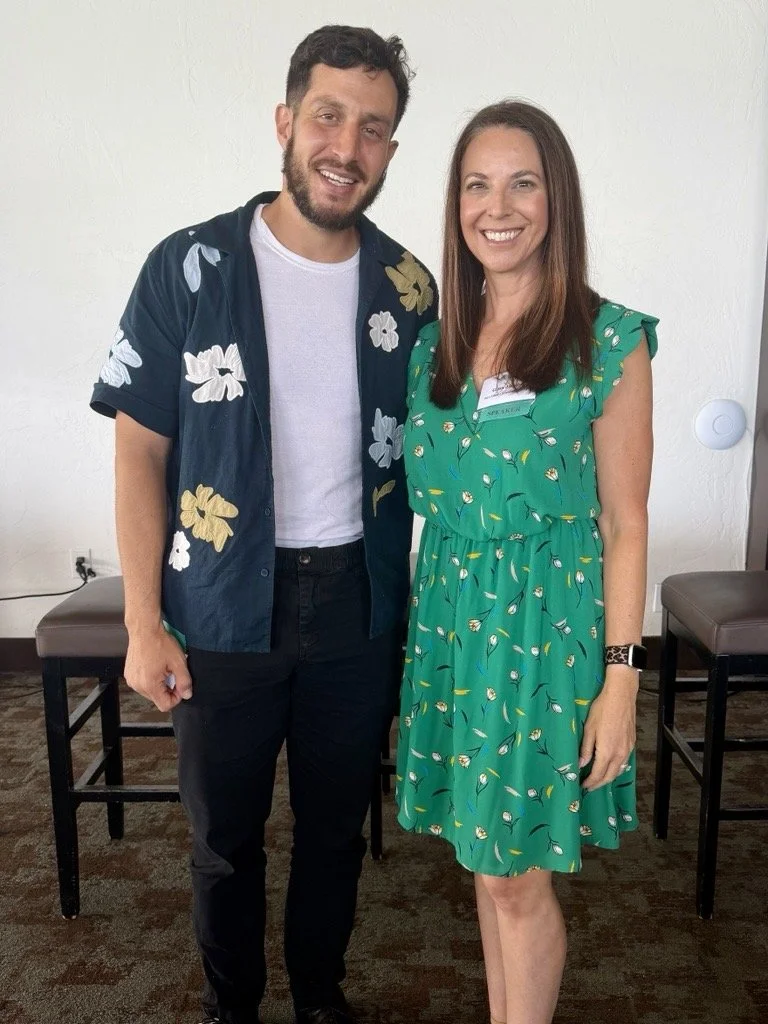
Benjamin Arcia and Gina Jacobs at the LAI Event

Gina Jacobs' answer traced straight back to SDSU's main campus, where cars have never been the priority. "We really wanted to take that as the vision for this site as well," she said. Even though a mixed-use district needs streets and access, the team anchored the master plan around visible pedestrian pathways toward green and open space, building it so "the people are the ones" the site is designed around, not the cars.

Ben also pushed panelists on what makes a district like this feel authentic rather than generic, noting that infill neighborhoods evolve organically over time while a master-planned district has to earn that sense of place deliberately.

Gina's answer circled back to SDSU's core mission: Education, economic development, and an innovation district built around collaboration, with spaces designed for people from different industries and backgrounds to gather and interact.

The McCullough Connection: Public Art and the River's Story

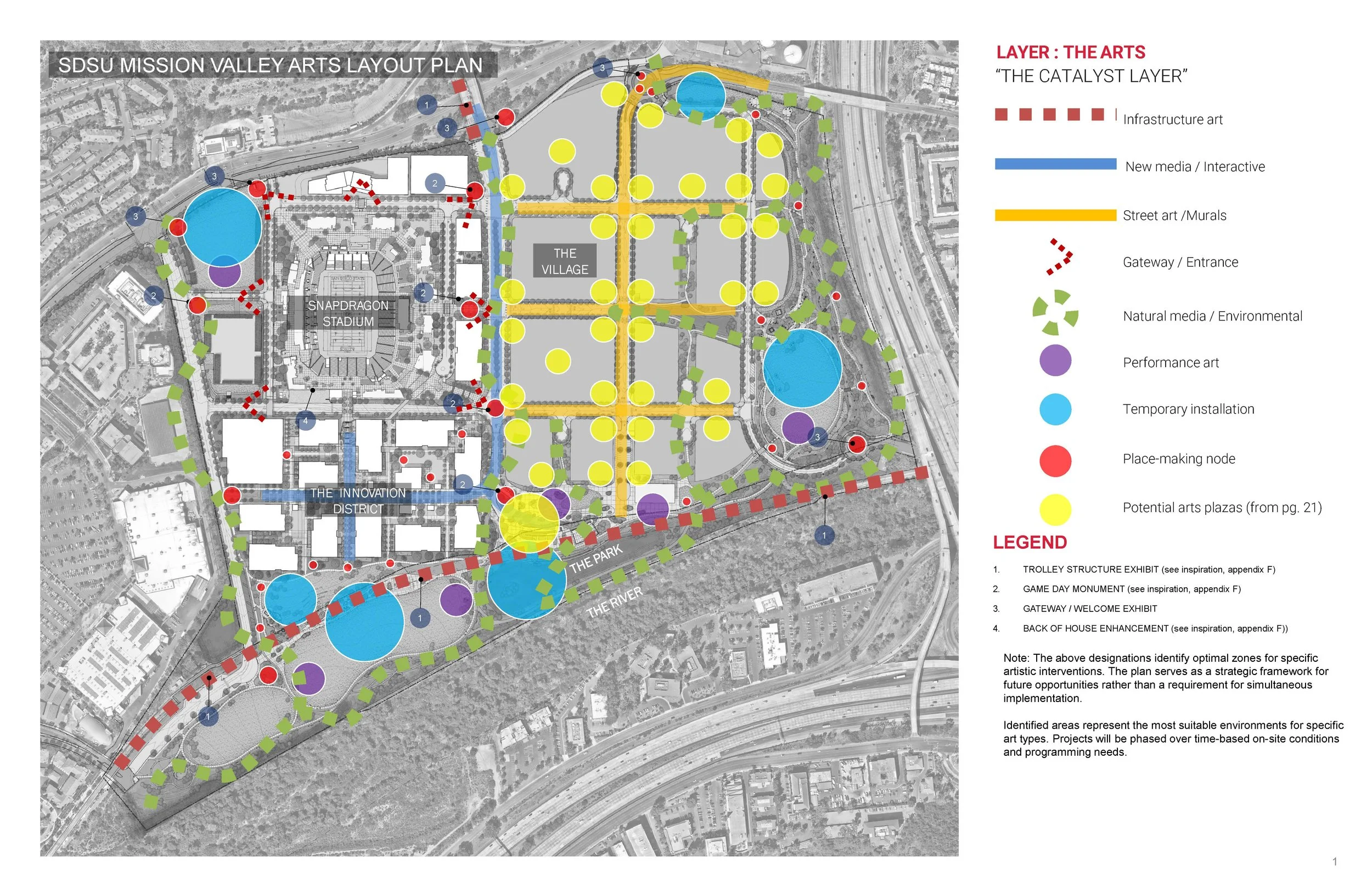
One of the most rewarding moments of the panel, for us, was hearing Gina Jacobs speak directly about the site's public art strategy, and McCullough's role in it. She described the deliberate effort to tell the story of the San Diego River throughout the site, from interpretive signage to the design of the River Park itself, ensuring visitors who never knew the river existed at old Qualcomm Stadium games will now experience it as part of daily life.

"We're also working on a plan with McCullough on public art," Gina said, "…thinking about how we integrate public art from the beginning, so we have a thoughtful plan for how art comes into the site."

She noted SDSU's main campus has a similar Arts-aligned program already in place, and the team is looking at ways to bring that same approach to Mission Valley.

McCullough’s SDSU Mission Valley Arts Layout Plan

Housing and Amenities Anchored by Snapdragon Stadium

Chris Bench brought the developer's-eye view, describing AvalonBay's 621-unit apartment community, ranging from studios to three-bedroom units, going up directly adjacent to Snapdragon Stadium. For Bench, the master plan itself is the amenity: Residents get direct access to public open space and a stadium hosting events year-round, on top of the standard baseline (pool, fitness center, club room, co-working space) plus four outdoor courtyard landscapes. His takeaway for anyone building in the district: Know your demographic. In San Diego, that means balconies, outdoor access, and proximity to something happening.

Connectivity: The Butter, in Detail

Returning to Velasco's potatoes analogy, Ben asked him to get specific about the "butter" and how the pieces will actually connect. The community plan calls for more than a dozen new roads and eight new bridges crossing the river, five interchange improvements, an extensive bikeway network, and even a proposal for aerial trams. Whether every piece gets built remains to be seen, but the intent is apparent: Connect Riverwalk and the SDSU Mission Valley campus, the district's two major anchors, to each other and to nearby destinations like Fenton Marketplace and Mission Valley Mall, by trolley, by bike, or on foot.

As Gina put it, tying the conversation together: The goal is a public campus and river park that make people "feel like they belong."

Our Takeaway

Mission Valley's transformation is still a work in progress, and the panel didn't shy away from the open questions of flooding, funding, timing, and how many of those infrastructure projects actually get built. But the direction is clear: Stay away from isolated, auto-oriented pads and toward a connected, river-facing community built around people. We're proud that McCullough gets to play a role in that story through our public art collaboration with SDSU, and grateful to LAI San Diego for bringing this group together to talk about it so openly.


Comment 0 Likes

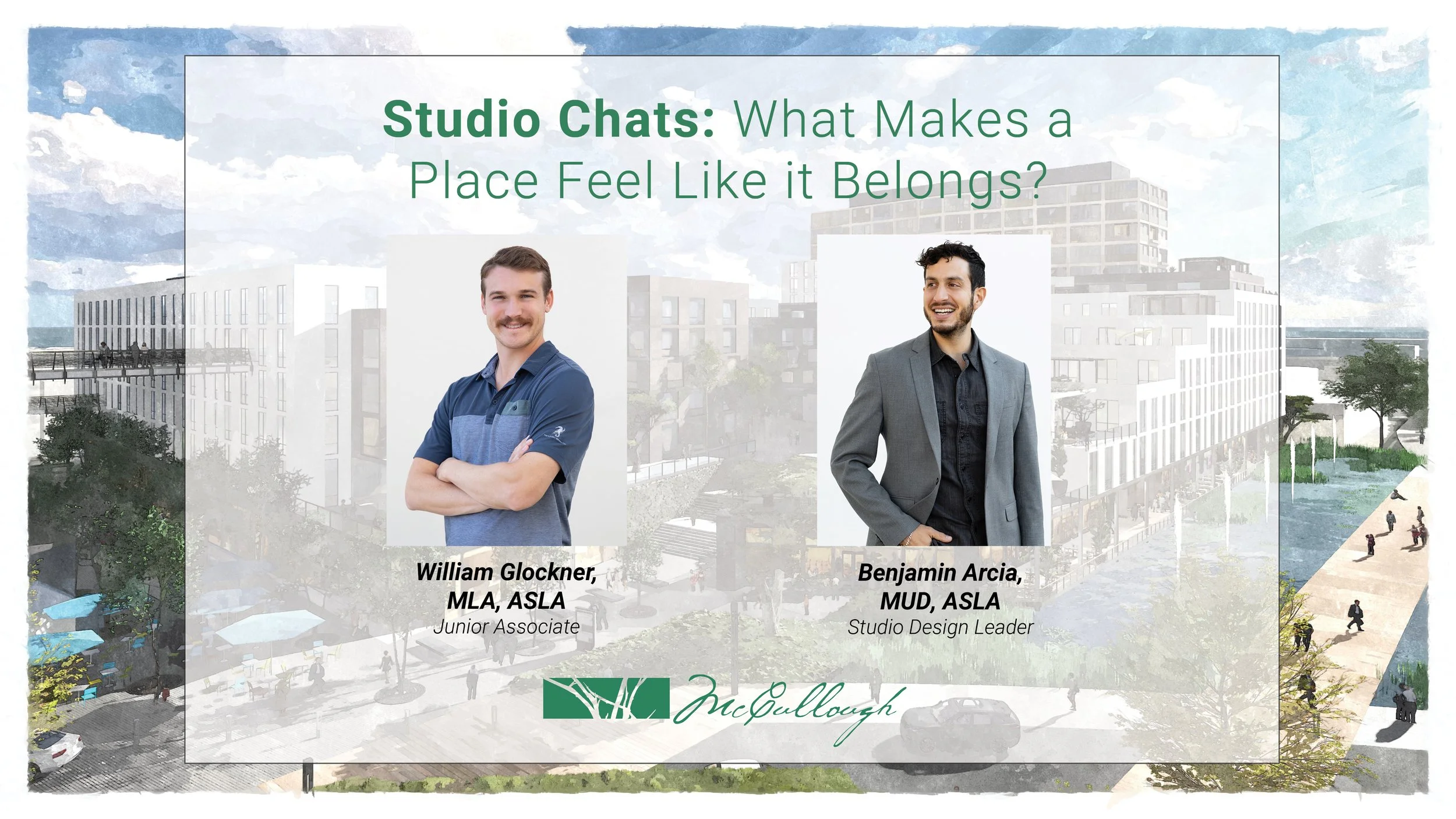
Studio Chats: What Makes a Place Feel Like it Belongs?

July 28, 2026  /  Catherine McCullough

As a follow up to the thought leadership article shared last month about contextual relevance, titled Welcome to Nowhere, the author, Junior Associate, William Glocker, sat down with Studio Design Leader, Benjamin Arcia to discuss the topic in more depth.

This month’s conversation began with the question: How do we create places that people actually feel connected to? As cities around the world become more connected, many of our buildings are starting to look increasingly similar.

What began as a discussion about development and placemaking evolved into a broader examination of how buildings influence not only their immediate surroundings but the lasting character of entire communities.

"I don't want to wake up in a world where I don't know where I am from the built environment." – William Glockner, MLA, ASLA

The discussion explores the role of developers, designers, and investors as stewards of culture. Rather than viewing projects solely through the lens of financial return, the conversation challenges listeners to consider how the resources they control shape the places where people live, work, and gather.  As technology continues to evolve, how can architecture continue to reflect the history, culture, and conditions of the place it inhibits?

“Think of yourself as a gardener. You have the water. You have fertilizer. Who you fund is what grows.” – William Glockner, MLA, ASLA

Listen to the full studio chat below, and we invite you to join the conversation!


Comment 1 Likes
Newer  /  Older