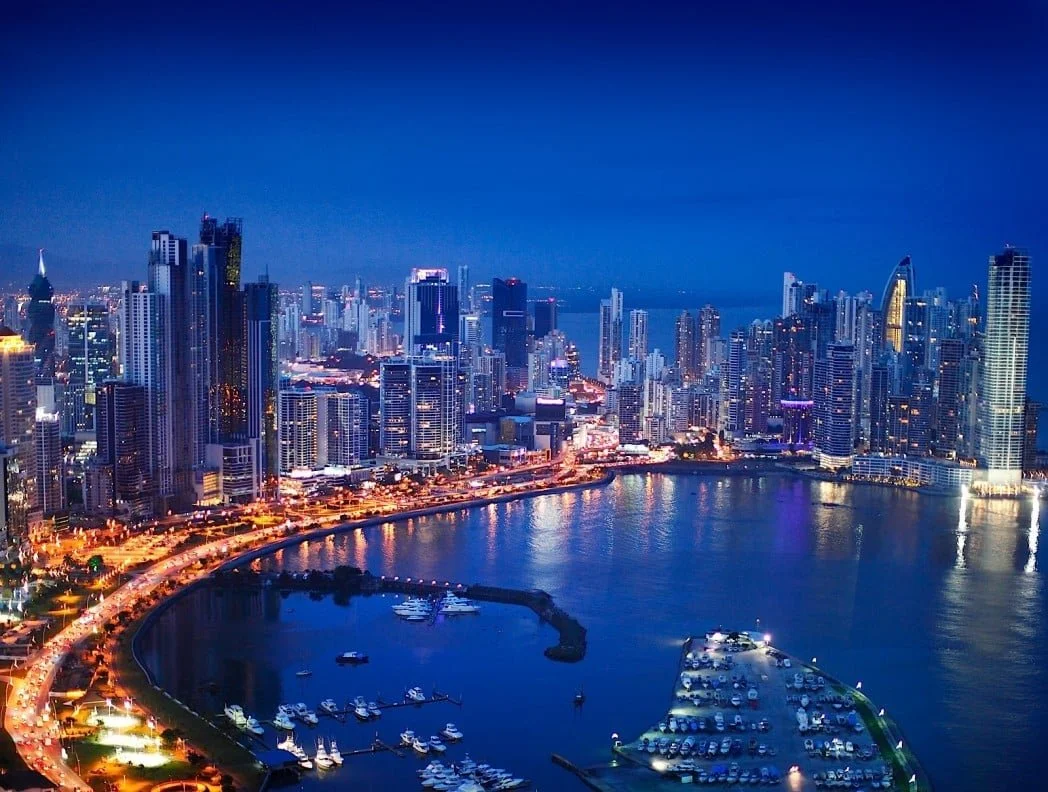
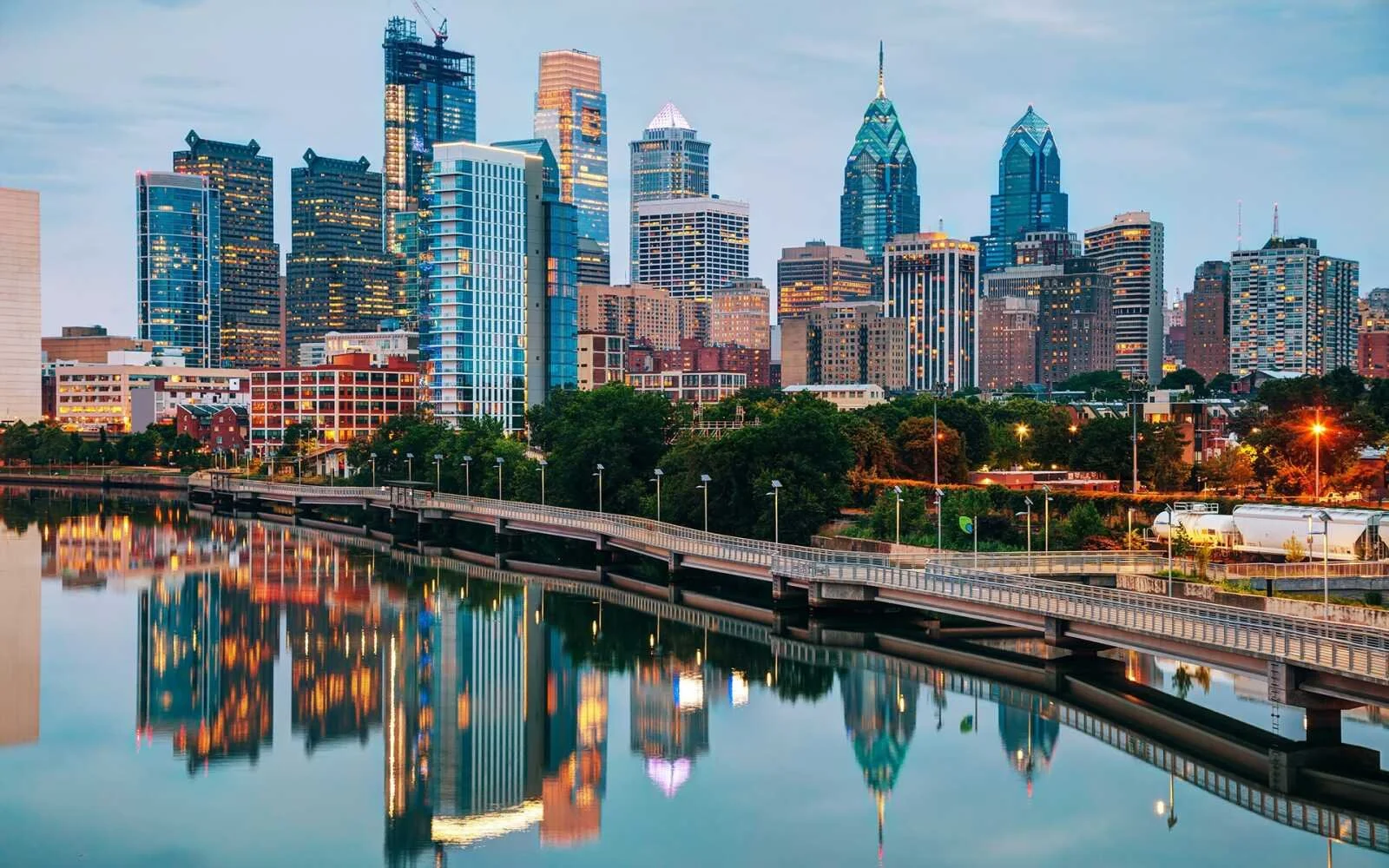
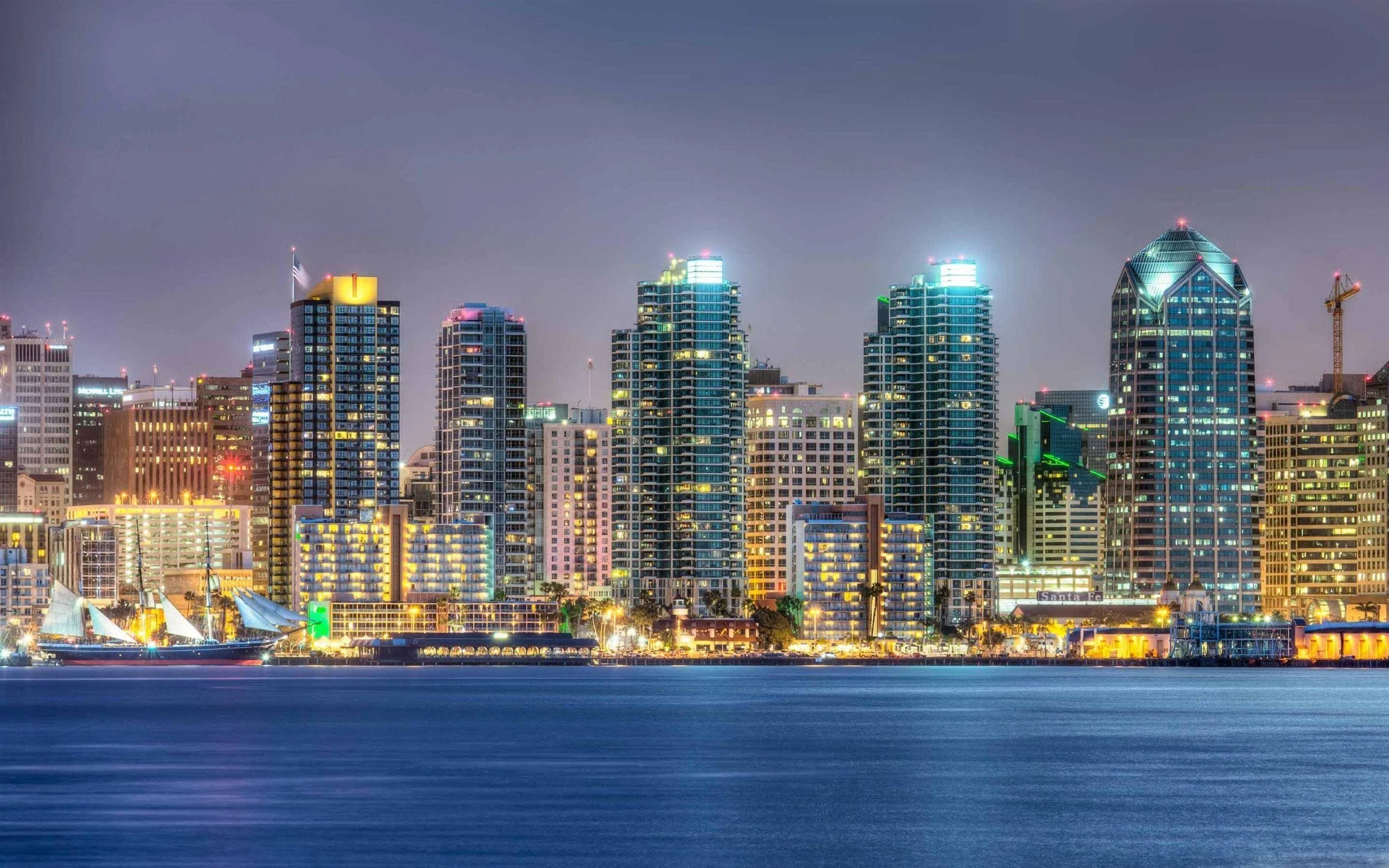
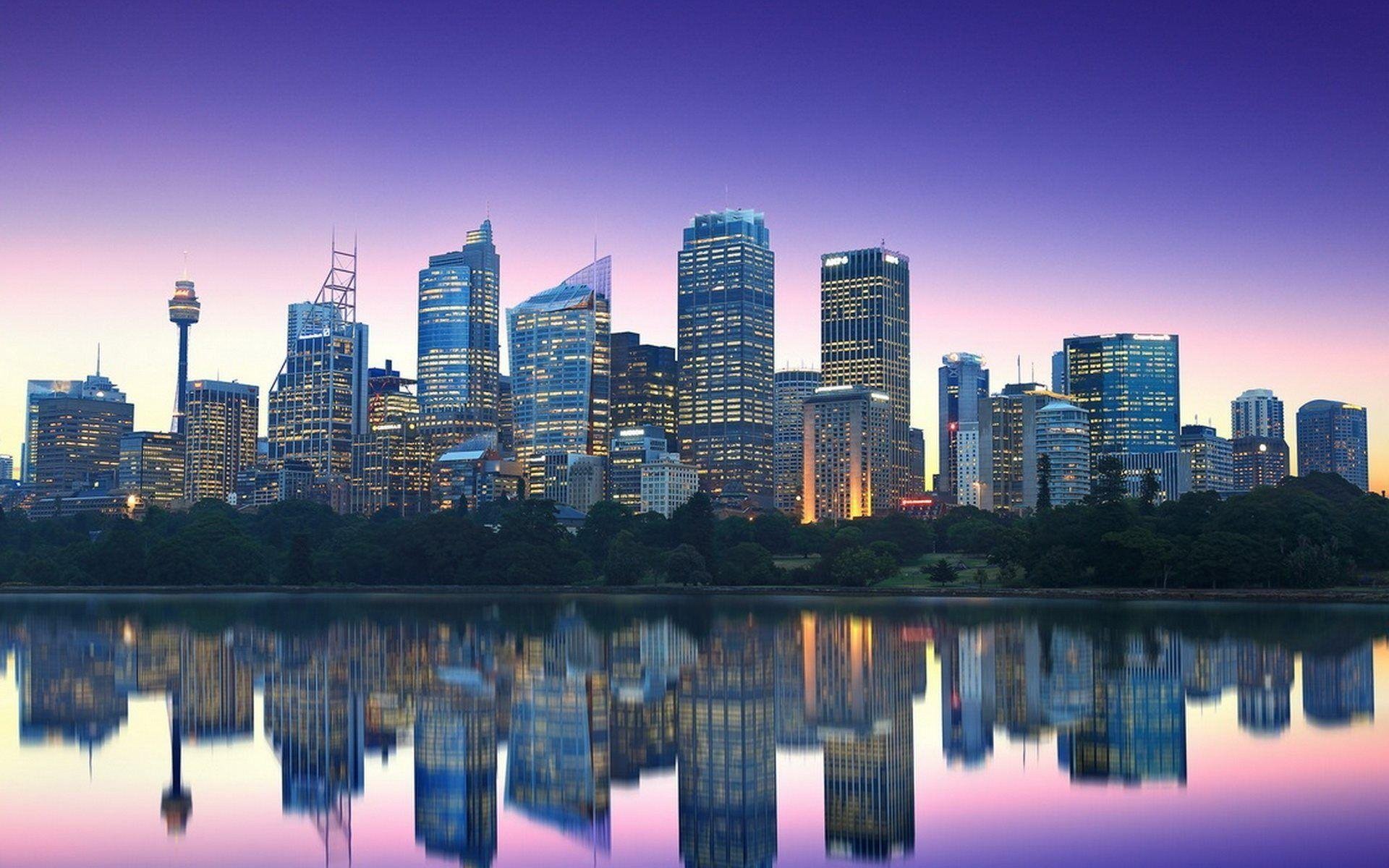
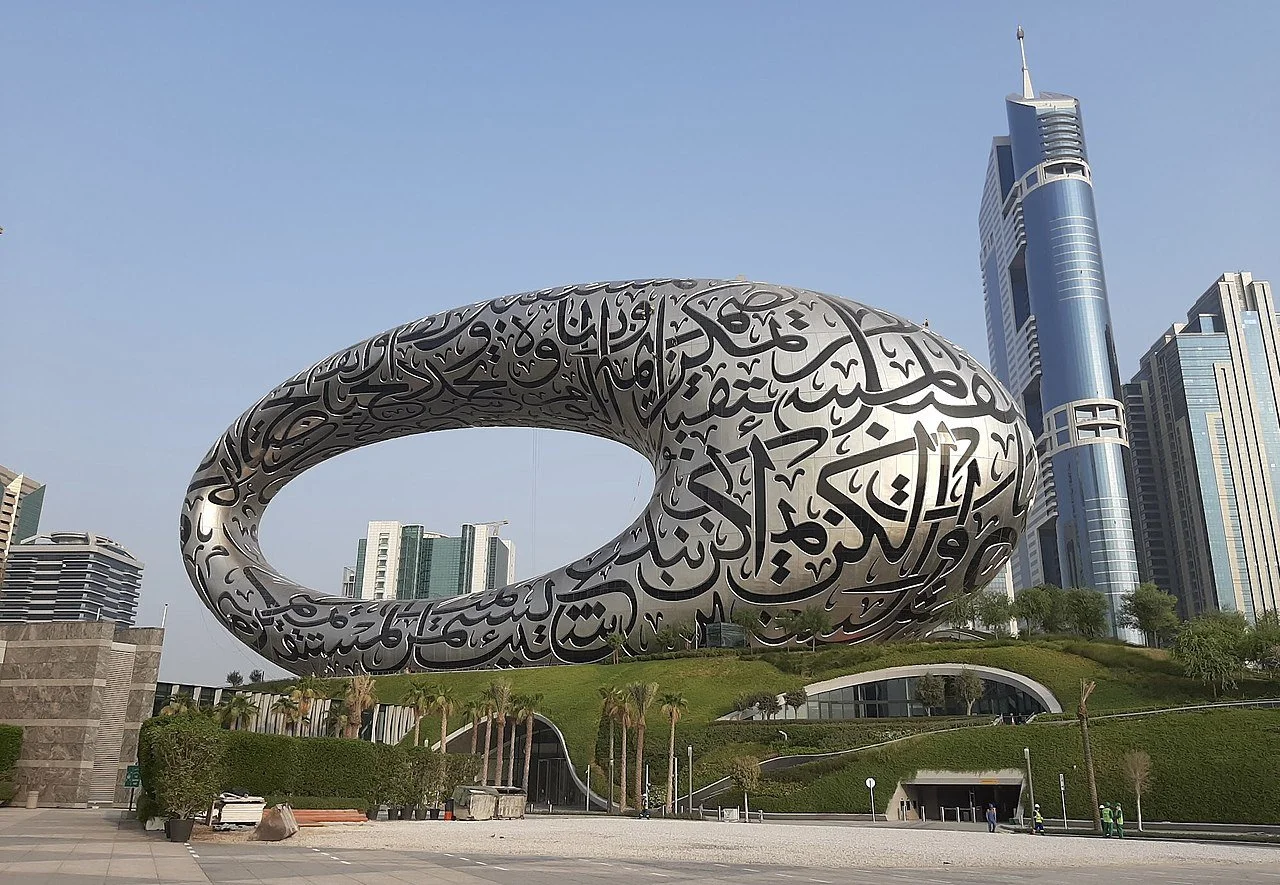
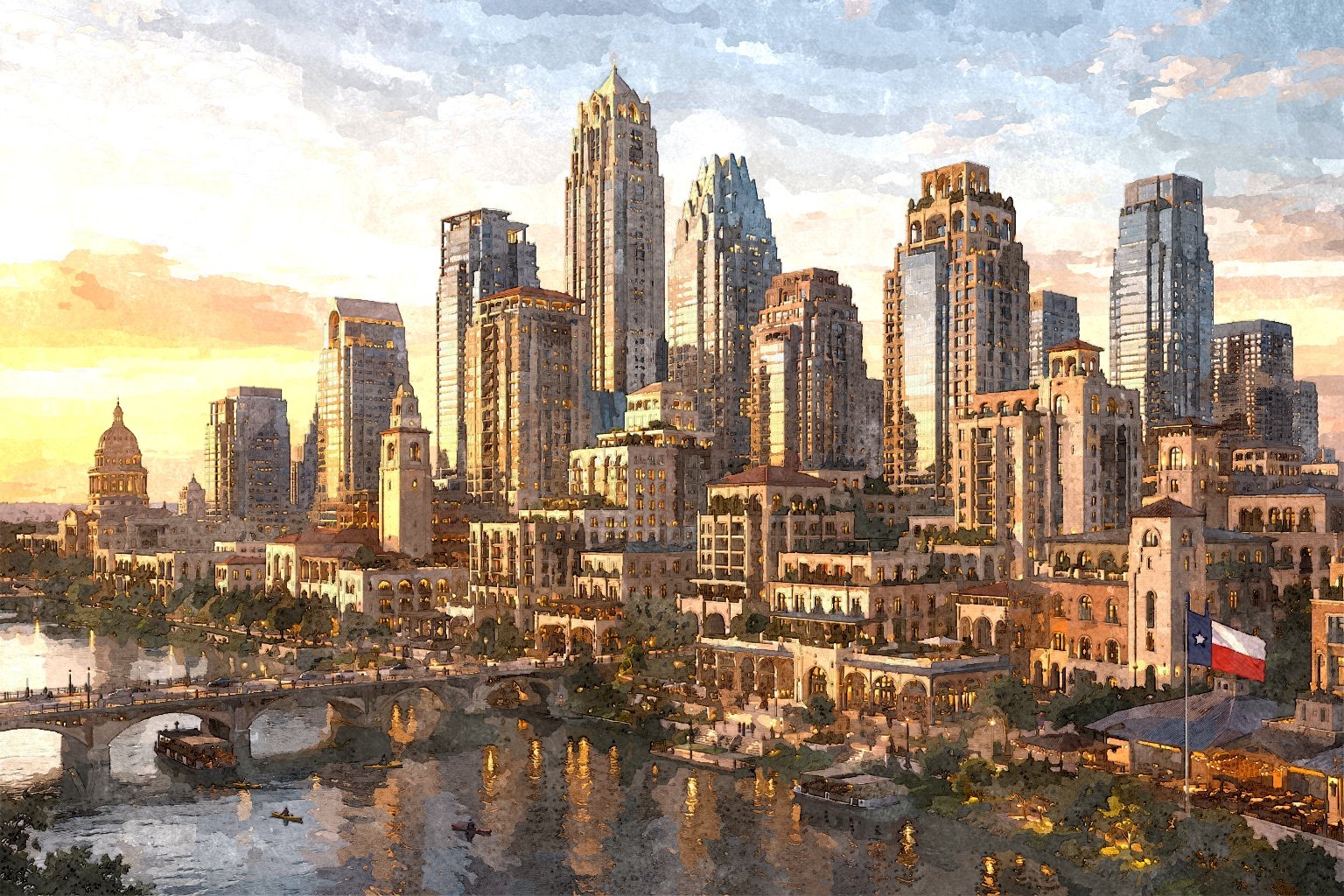
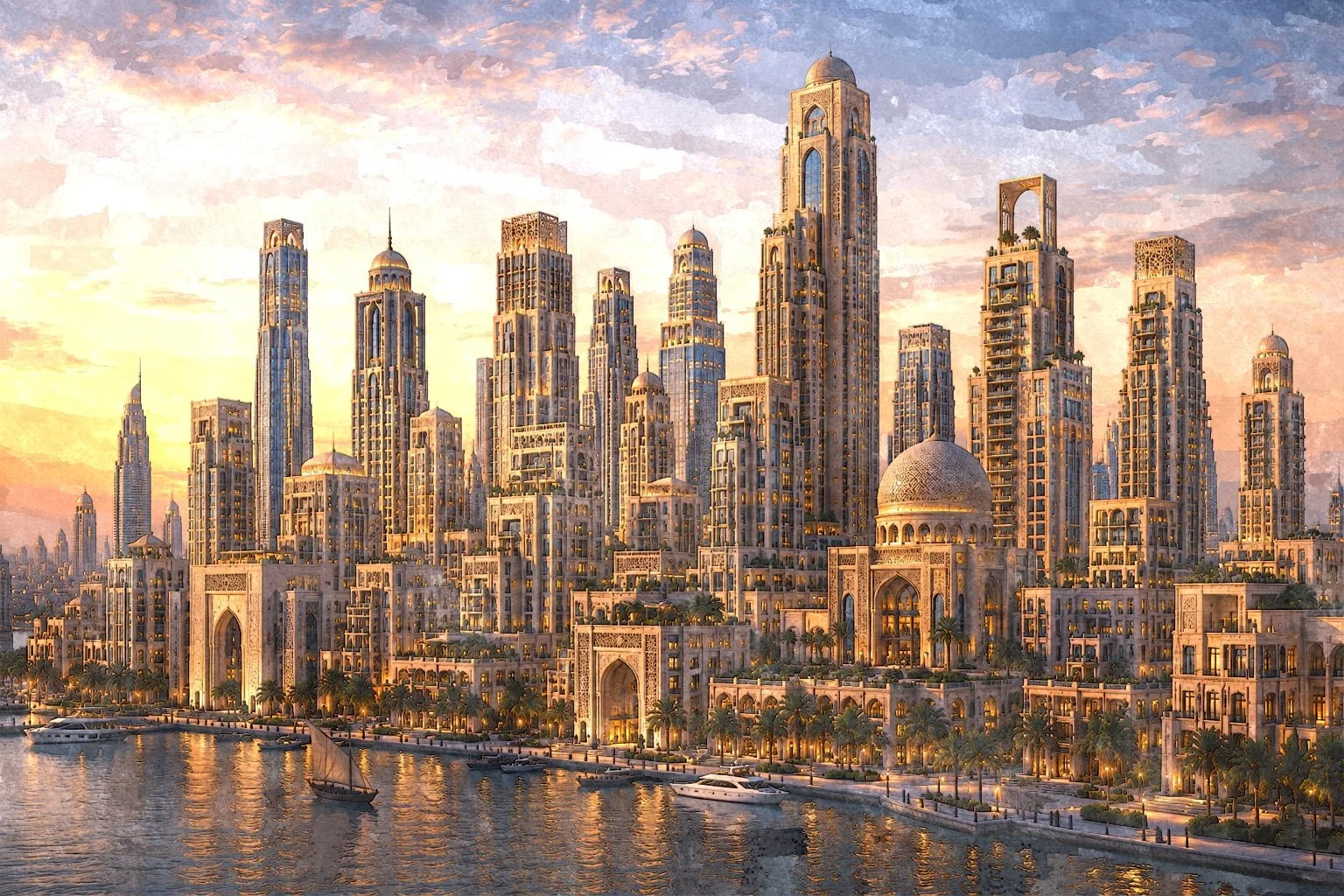
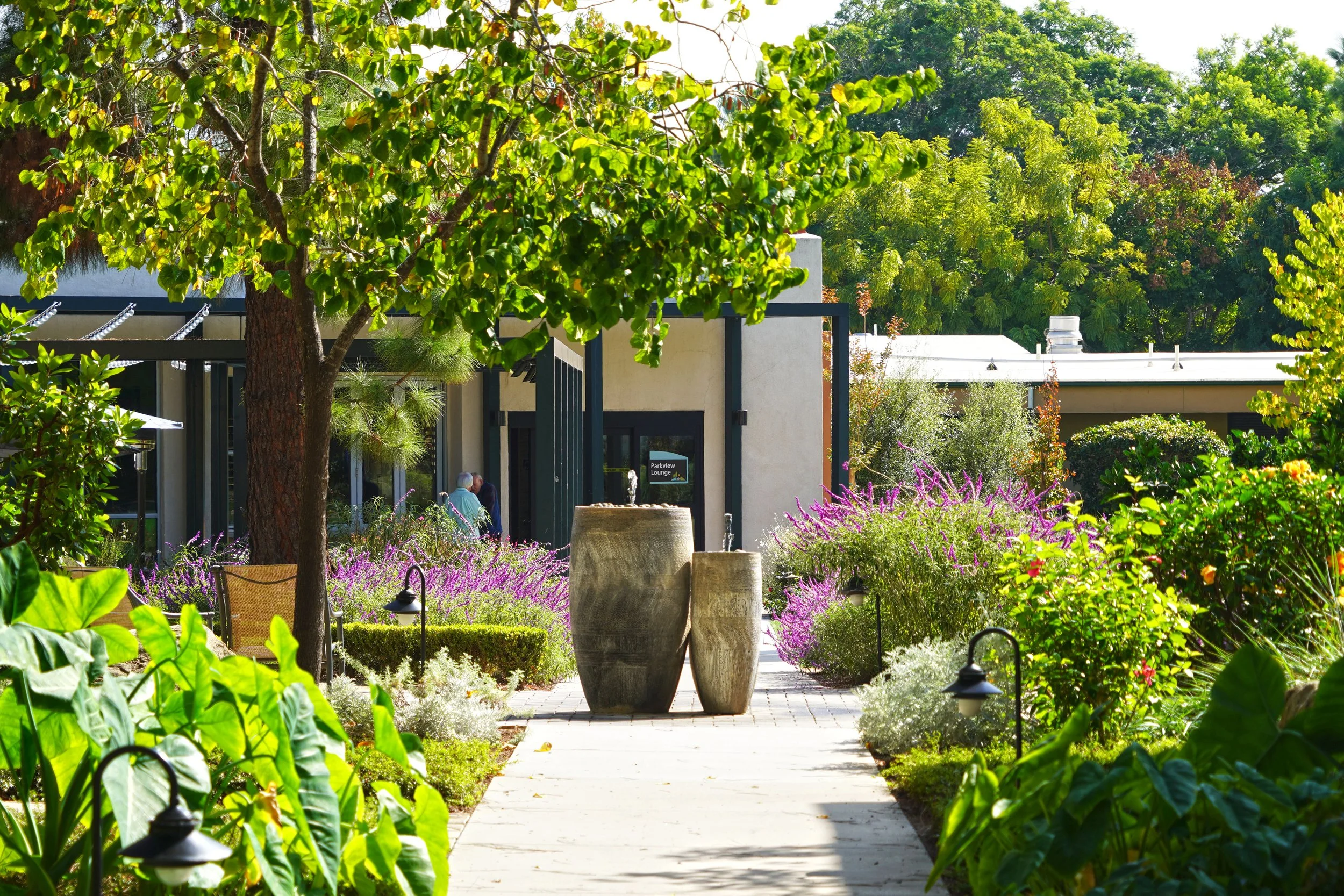
However, beneath the impressive construction of the Burj Khalifa, uncomfortable questions loom. Who built it, who was it built for, and what does it really say? The Burj Khalifa is often presented as a triumph of Emirati ambition and ingenuity. Yet its lead architect was American, its structural engineer was American, and its primary contractor was Korean. Whatever else the tower may communicate, it certainly demonstrates the UAE's remarkable ability to hire talented foreigners to accomplish a goal.
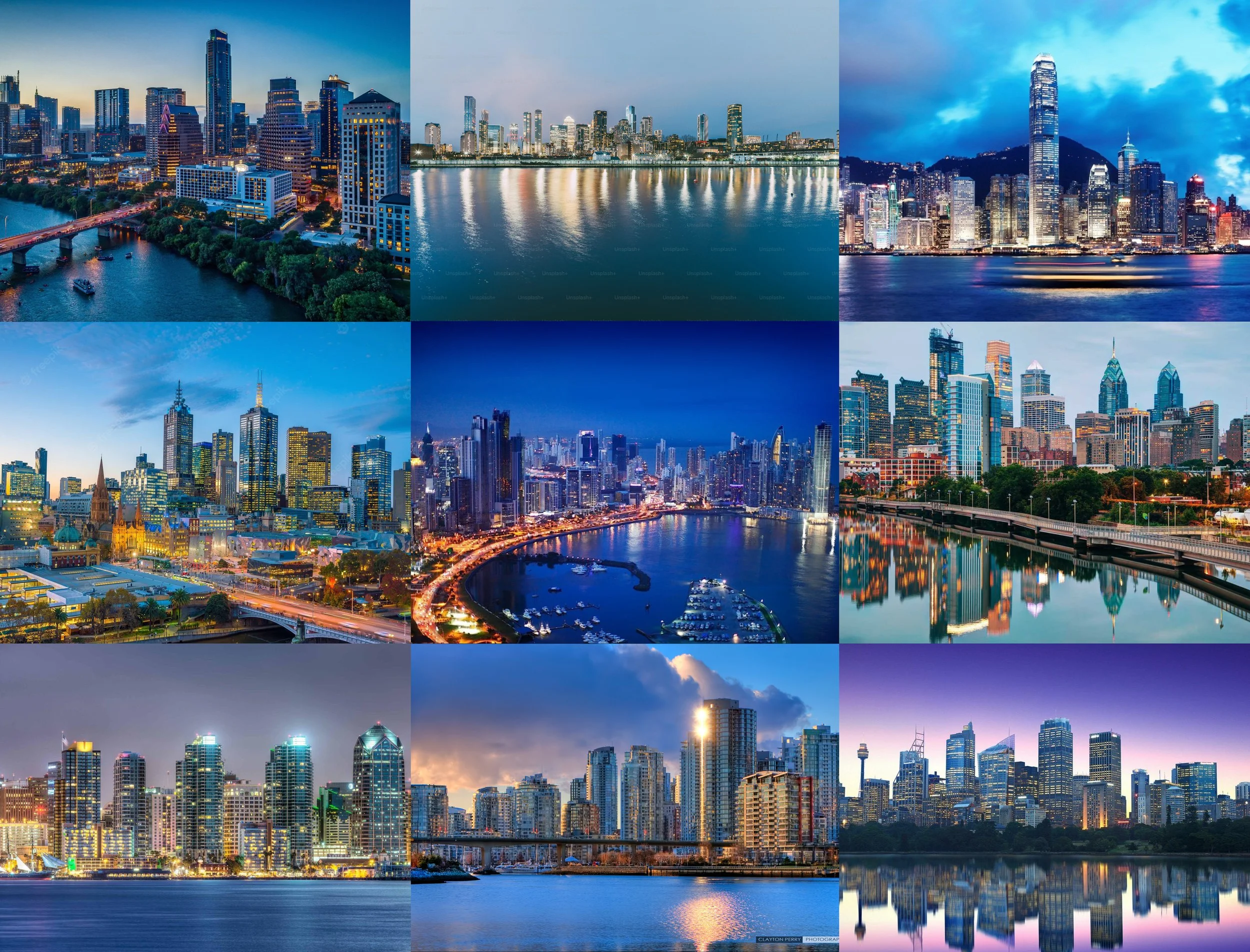
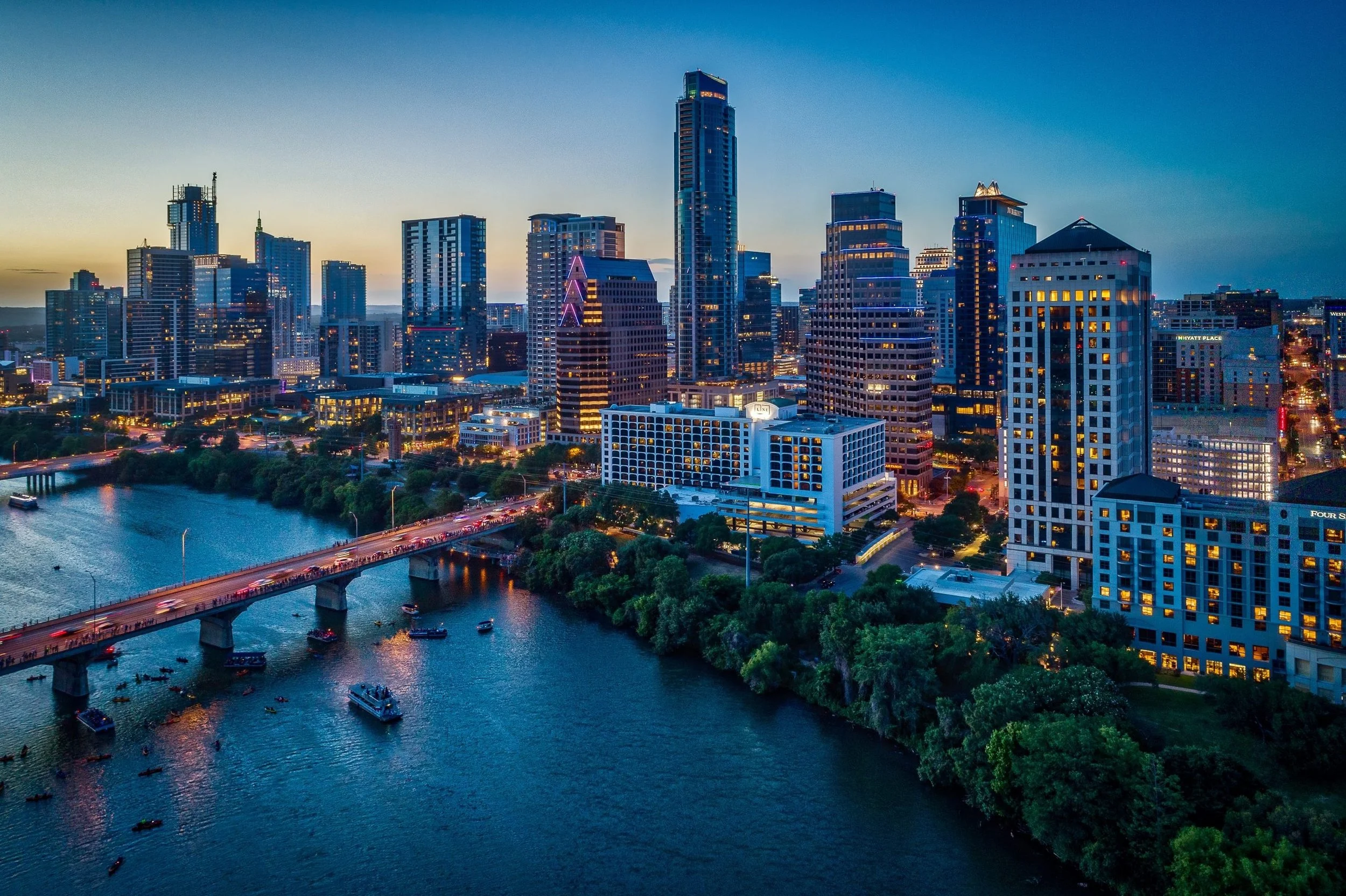
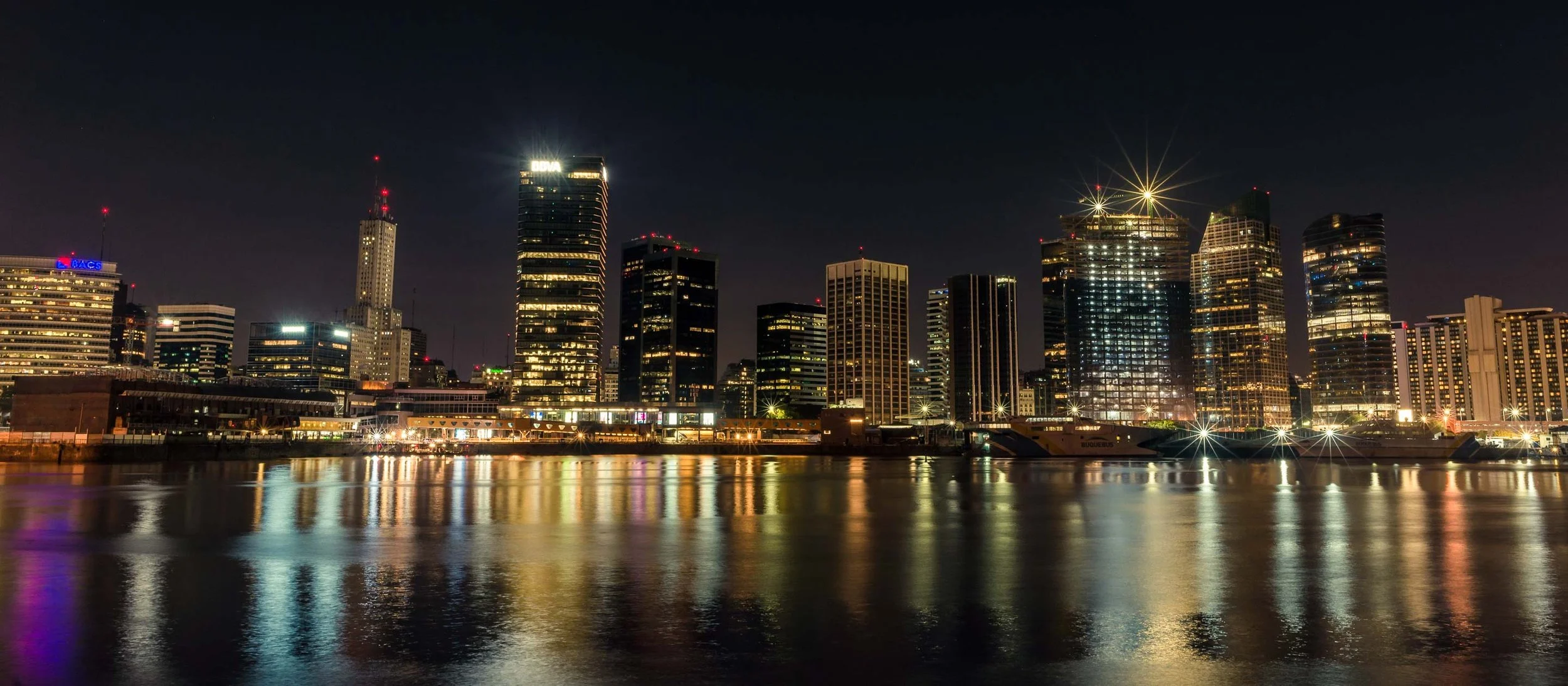
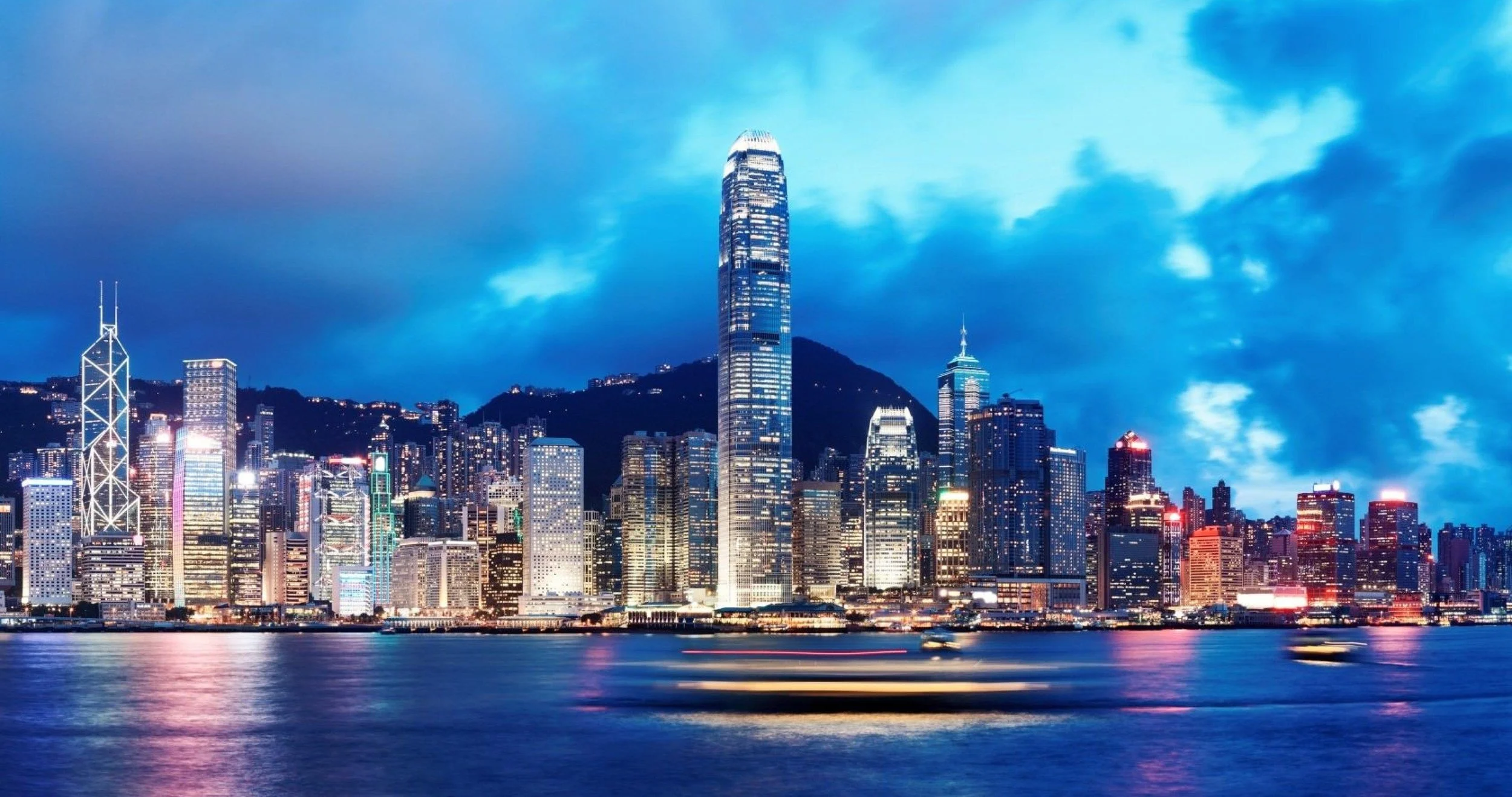
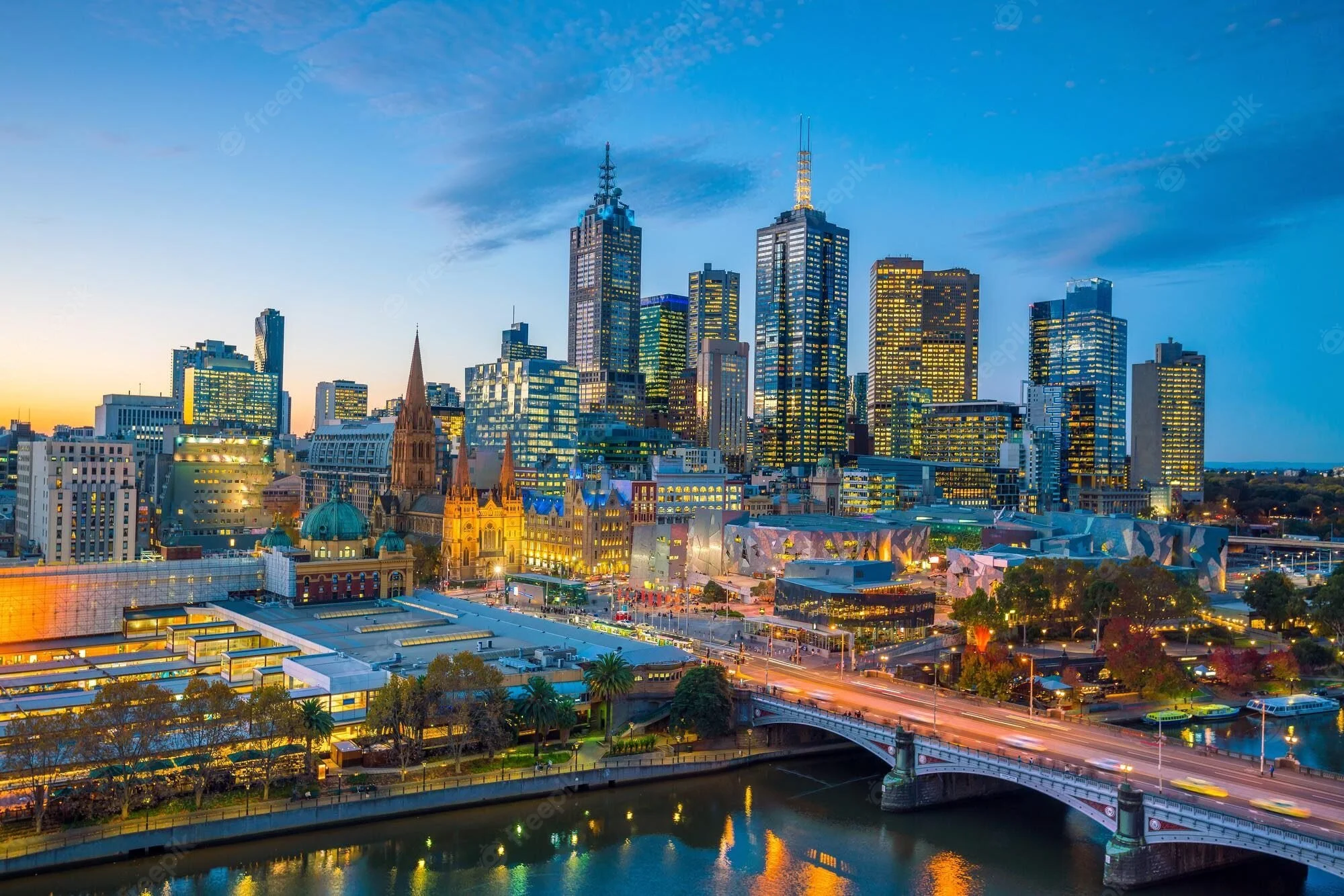
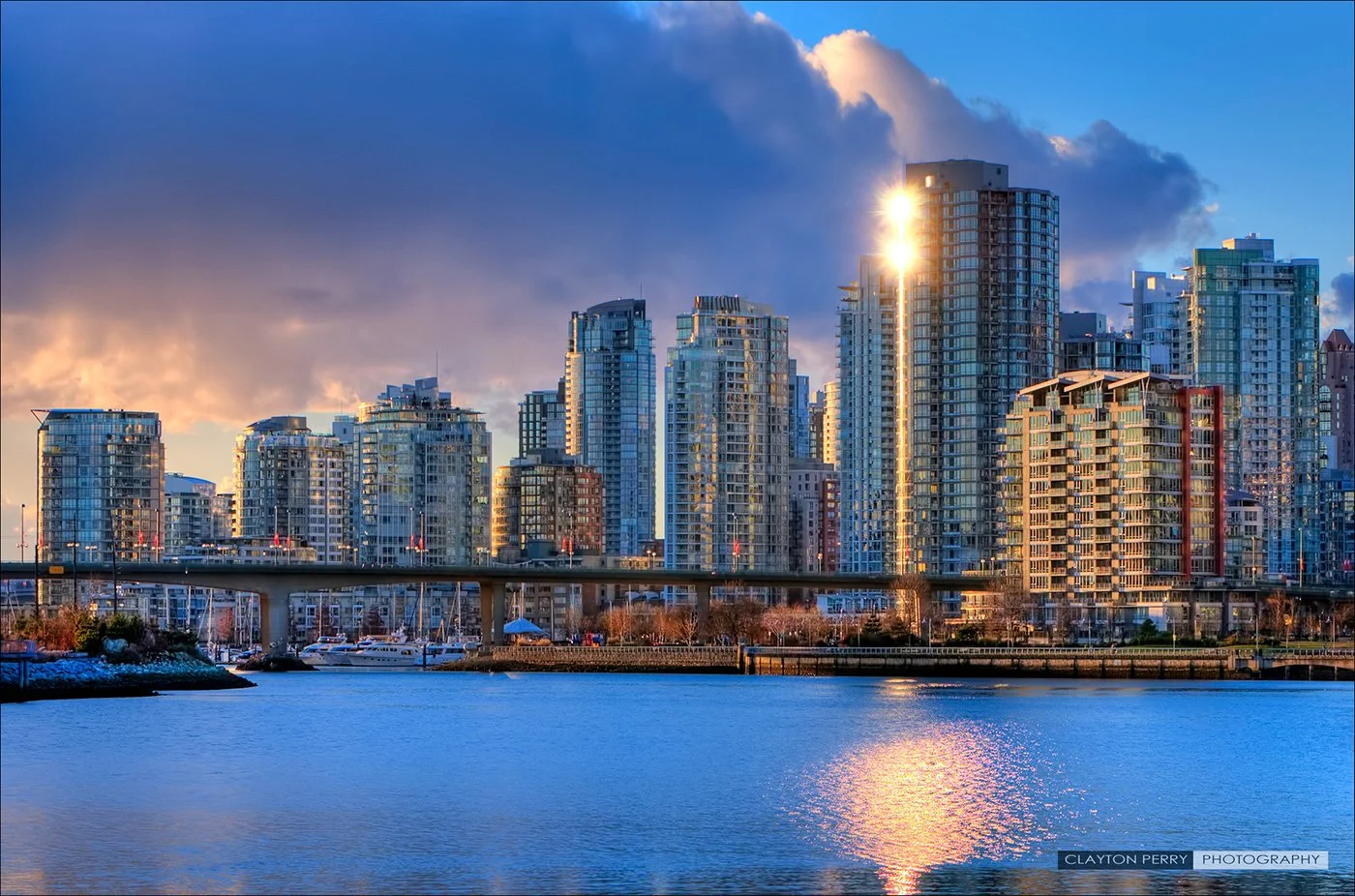
The built environment should reinforce local identity rather than erase it. Yet many modern cities are becoming increasingly interchangeable products of international and stateless corporations. We are creating places that belong everywhere and therefore belong nowhere.
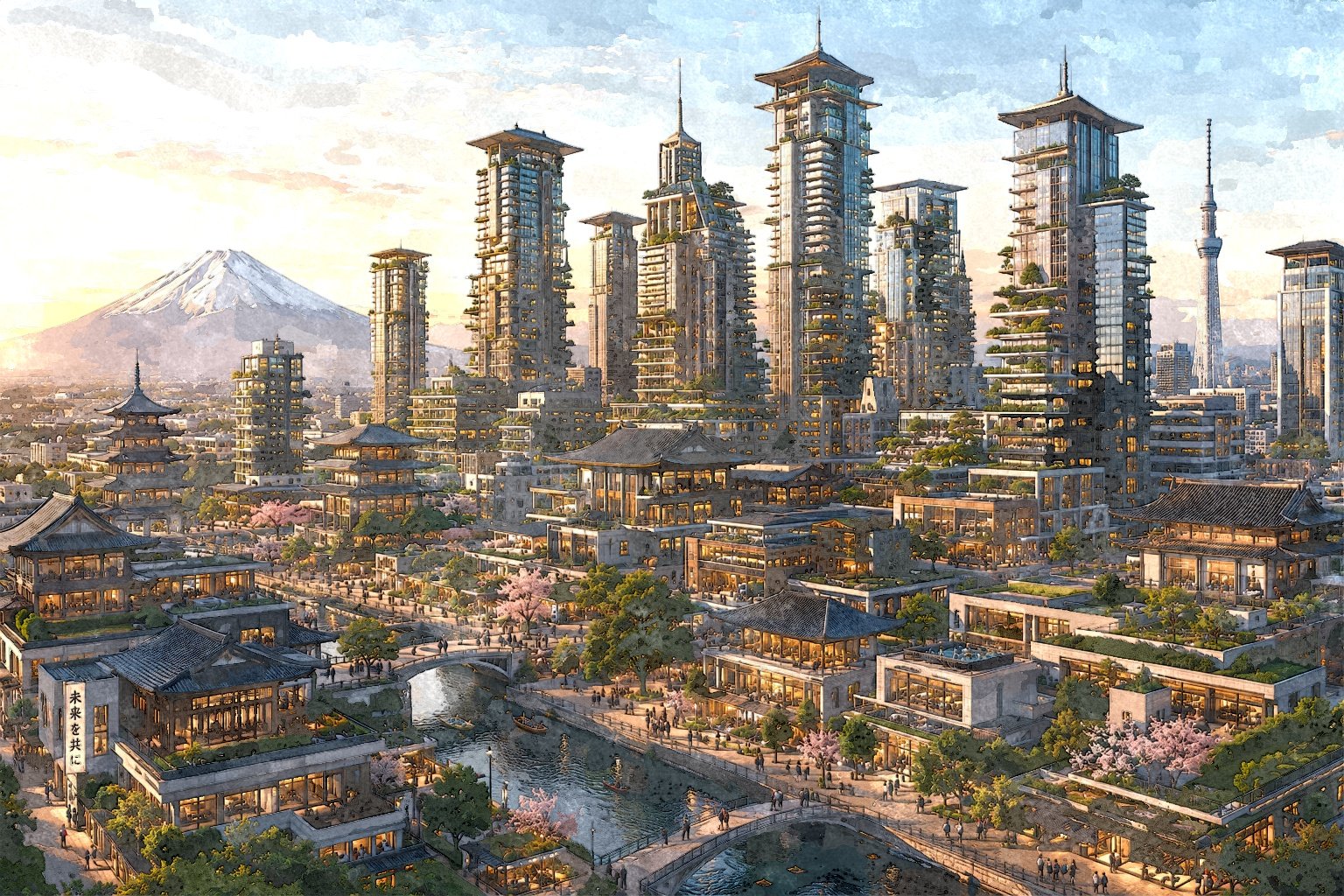
The future of great design lies not in making every place seem the same, but in helping every place become more fully itself. Local identity is still here; the question for all designers is whether to strengthen it or wash it away.
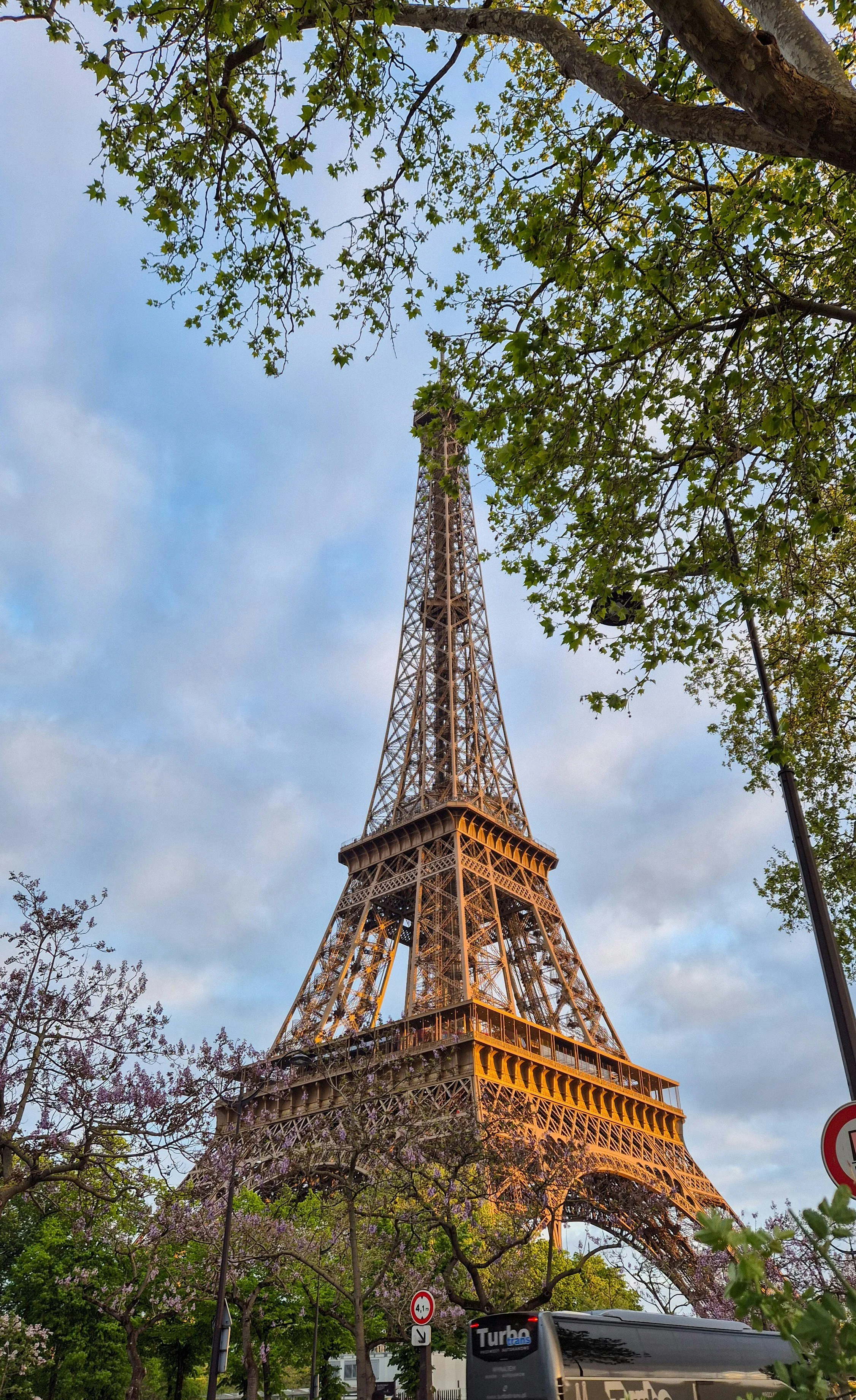
What humans are searching for in our spaces is identity. We crave landscapes, city streets, and buildings that are easily understood and recognized to have a coherent, discrete personality. It is no secret that many people all over the world have an odd habit of loving old cities. On the surface, this makes no sense. I’ve never been desperate to experience 14th century medicine, and yet I spend $2,000 on airplane tickets so I can weep at 14th century architecture.
The reason we love old cities around the world is because they are contextually relevant. This is not because earlier cultures were some group of enlightened cosmopolitan geniuses; they just didn’t have a choice. Local builders used local materials, local craftsmen, and local traditions to create places that reflected their communities. Brazilian marble was not installed in Edinburgh Castle, and the Tang Dynasty did not hire architects from Ghana who were inspired by development in Singapore. It simply could not be done.
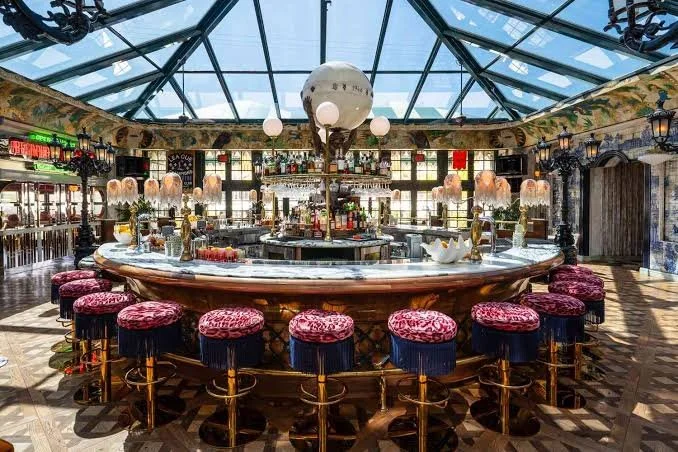
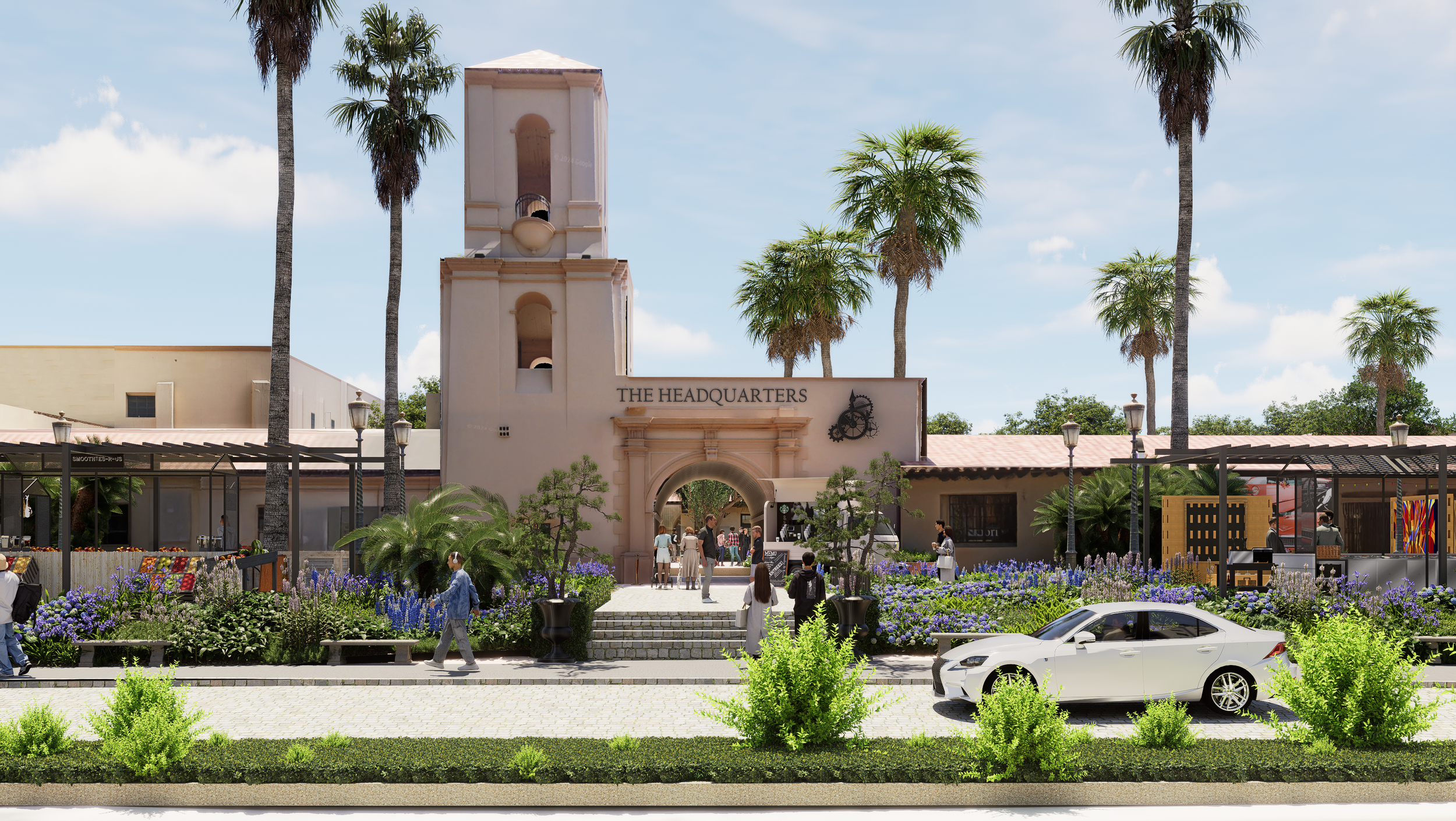
Even today, people will pay extraordinary sums for the mere illusion of contextual relevance. Millions of visitors spend hundreds of dollars to visit theme parks every year. They are not paying for efficiency, convenience, or realism. They are paying to spend a day in a pirate port, a frontier town, a jungle expedition, or a galaxy far, far away.
To those paying attention, this tells us something important. People are not searching for generic spaces. They are searching for spaces with identity. More importantly, they are willing to pay a fortune for even a glimpse of a real place.
Perhaps the strongest evidence for a desire for contextual relevance comes from places that don’t exist: video games. Modern video game developers have understood something that real-world designers have forgotten. Every city in a game must have its own identity. Game developers turn to contextual relevance and carefully consider a region’s geography, climate, culture, history, and available technology before designing its buildings, and streets. They know that if every city in the game looks the same, players will become disoriented, and exploration will be less rewarding. This phenomenon is no different in real life and it is a sad state that many fictional worlds have a superior sense of place than the environments we build in real life.