• Home
  • Portfolio
  • About
  • News
  • Contact
  • Detail
  • More Detail
  • Home
  • Portfolio
  • About
  • News
  • Contact
  • Detail
  • More Detail

McCullough Landscape Architecture, Inc.

703 16th Street, Suite 100 San Diego, California 92101

P (619) 296-3150 F (619) 501-7725

info@mcculloughla.com

Unveiling the Best of 2023

January 17, 2024  /  Catherine McCullough

Each year McCullough designers reflect on the projects of the previous year and dive deeper into their unique aspects. In 2023, our team engaged in collaborative efforts spanning higher education, hospitality, master planning, mixed-use, multifamily projects, and more! We not only strengthened existing relationships but also forged new connections, overcame challenges, expanded our team, and made a positive impact on communities.

We invite you to hear from each designer about what sets the projects of the past year apart as the "Best of 2023."
1.jpg
1_1 - Photo.jpg
1_4 - Photo.jpg
1_12 - Photo.jpg
1_15 - Photo.jpg
1_22 - Photo.jpg
1_43 - Photo.jpg

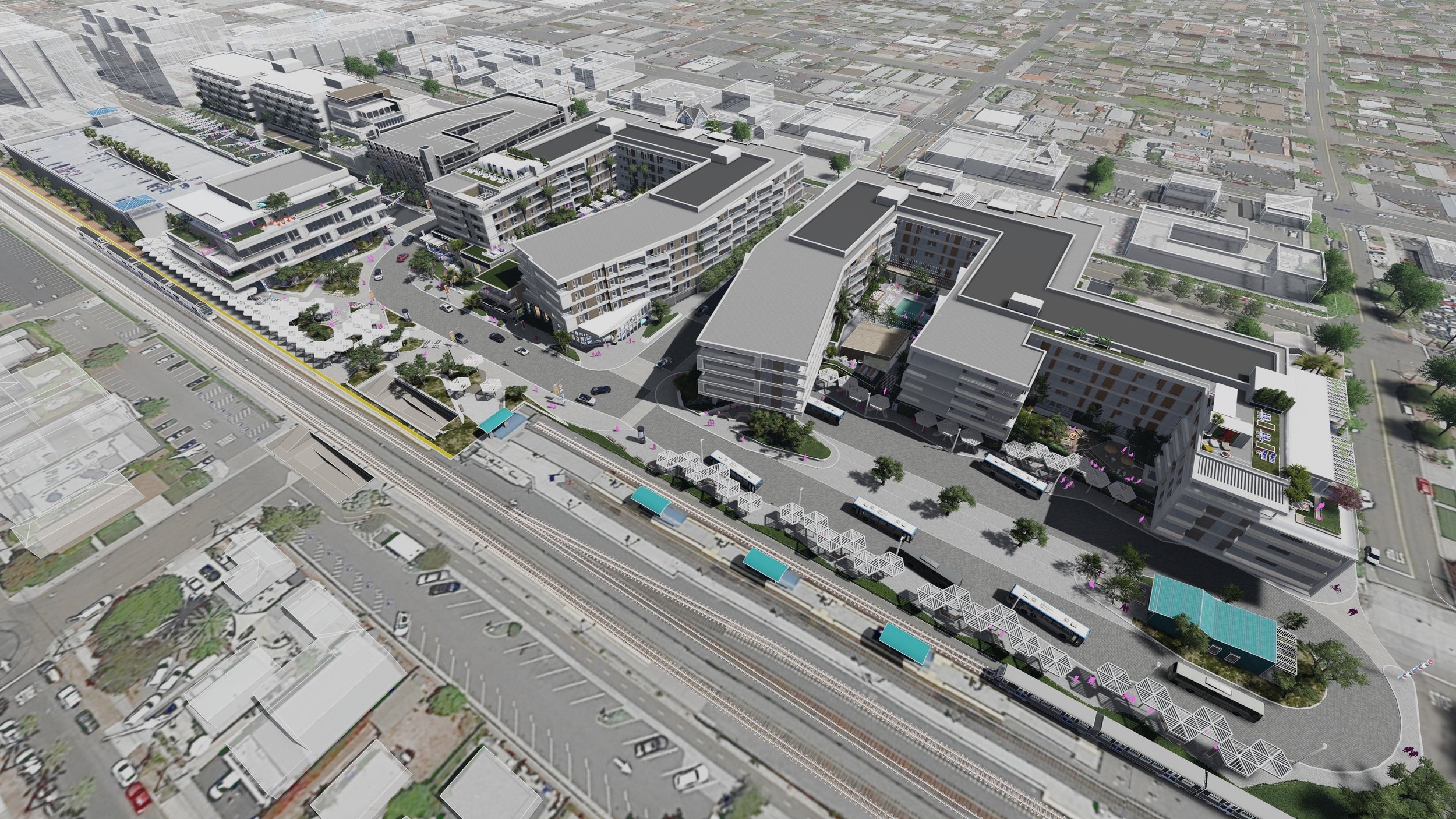
Oceanside Transit Center Redevelopment | Oceanside, CA

David McCullough, PLA, ASLA
Principal Landscape Architect

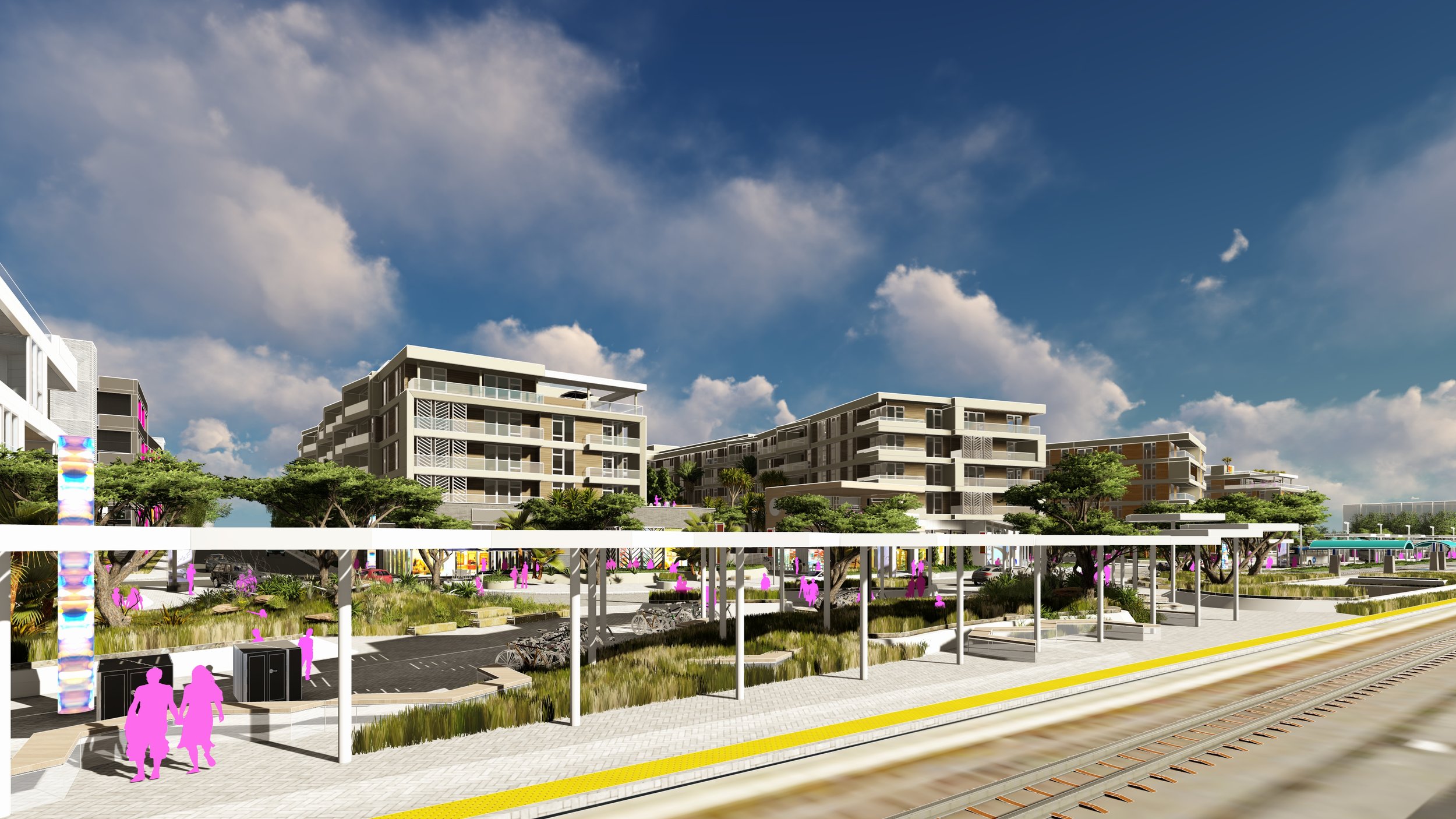
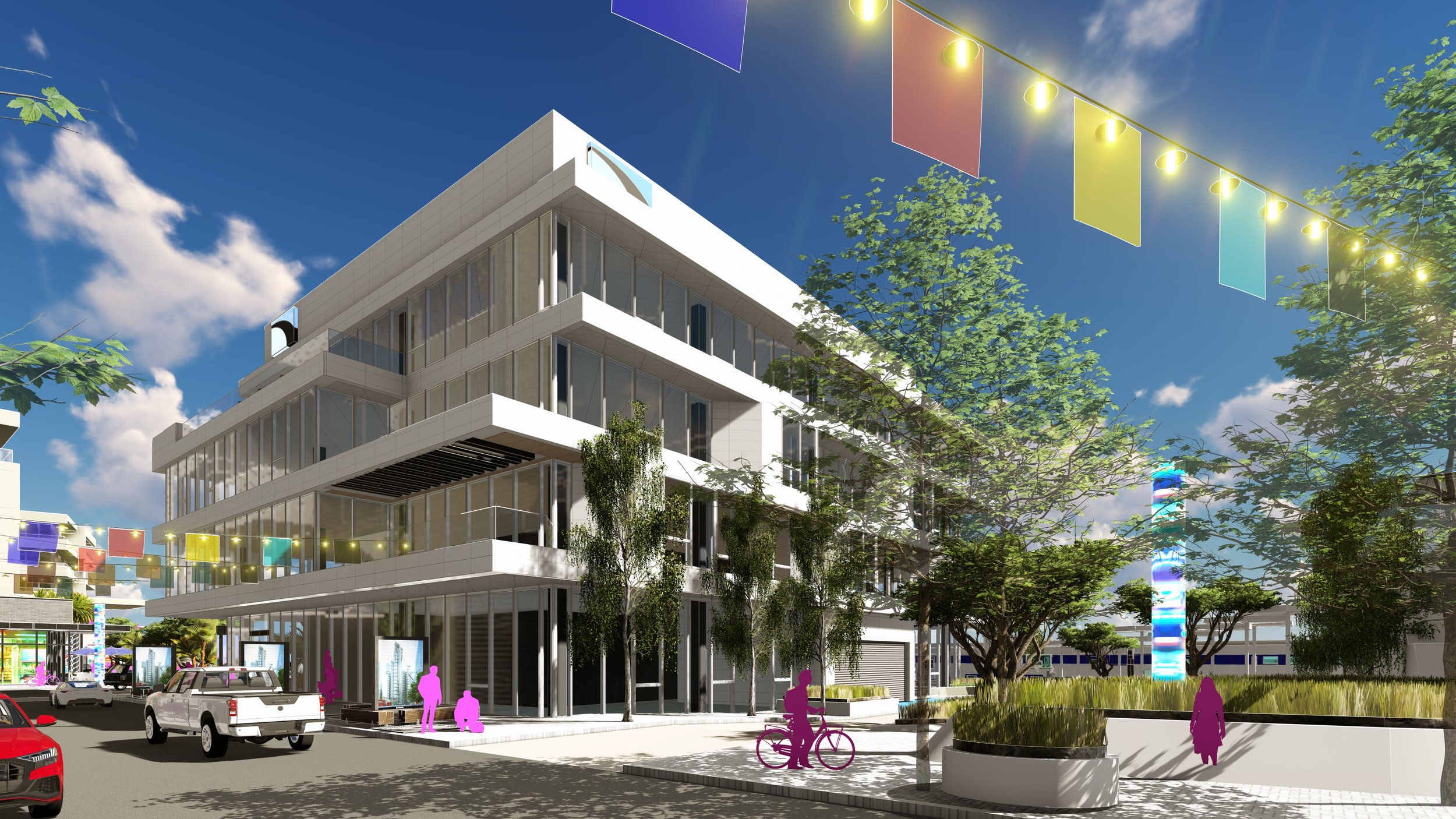
The Oceanside Transit Center is part of a new trend happening across the country. A trend started around the world as early as humans have been known to exist and interact with each other.  An example would be the way that the early North American indigenous people often settled on riverbanks and would use canoes to travel along the rivers to prominent trading hubs (usually at the promontory where two rivers would meet). The tribes would trade various goods and necessities and these rivers would act as early transit corridors. Living and trading at key locations along these rivers made for efficiencies necessary to thrive. It wasn’t until the 20th century, the advent of the automobile, that people forgot the importance of living together, close to others, and close to transit corridors. As a result, freeways were built and became increasingly congested, pollution was created in excessive amounts, and vehicle casualties soared. Today many are starting to appreciate again the value of aggregating along transit corridors.   

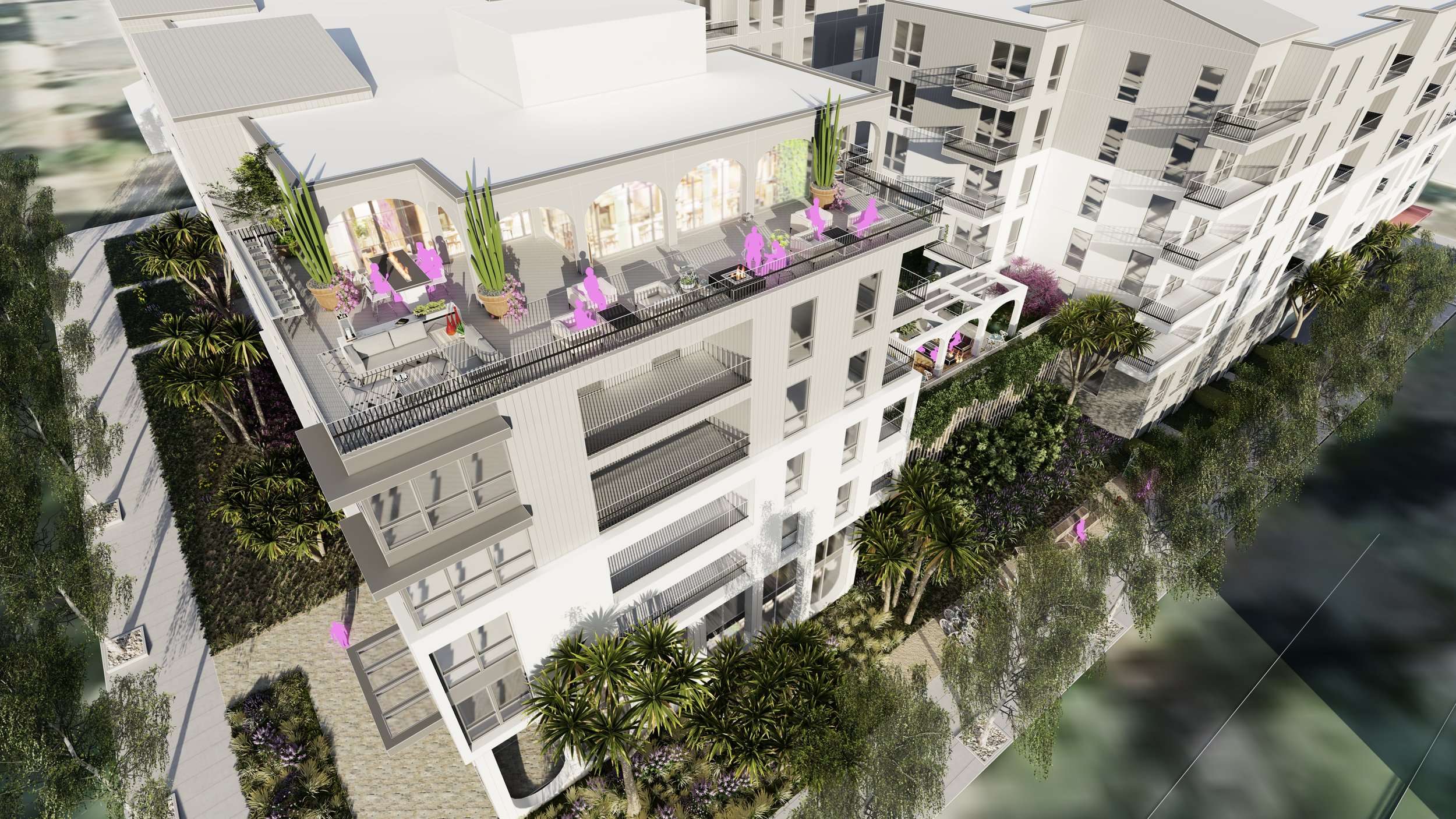
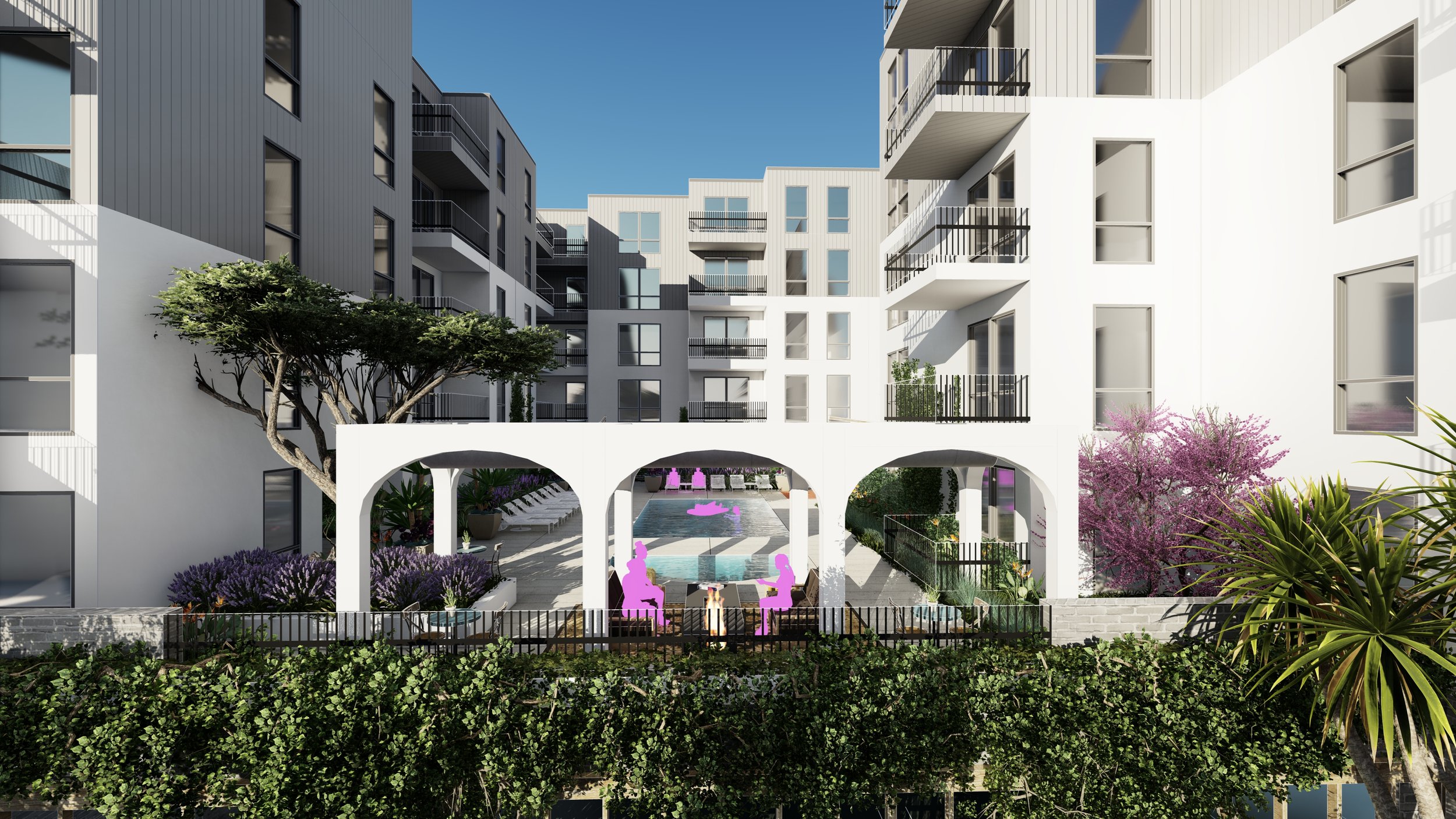
Several years ago, we spent some time in Tokyo and took an excursion to Kyoto on the high-speed train.  It dawned on me during that trip the importance of “Transit Oriented Development” (TOD).  We boarded the train in the heart of the most populated city in the world, Tokyo. The train took off and within minutes we were surrounded by the countryside and nature.  We enjoyed the open countryside for some time before we started to see human activity again, and very quickly another urban core. The train stopped, people got on and off, the train sped away and this scenario repeated itself two to three times more before we arrived in Kyoto. It became clear that by approaching development in this way, on a very populated small island, that the Japanese were able to preserve what was precious to them, their natural environment. I understand however how as early as the 20th century, the United States likely felt overwhelmingly vast with new land to be explored. But today, our borders are getting much closer.  It’s personally very encouraging to see our society starting to recognize the value of one of the richest natural environments in the world, here in the western hemisphere and North America.  As a result, across California, while we recognize the need for housing, housing can be built in smart new ways that protect our natural environment.  TOD’s are a great starting point and the Oceanside Transit Center will be one of the first completed in San Diego County. The project will fill in what is today, a very large parking lot in the heart of downtown Oceanside.  It will become, housing, office, retail, a hotel, and a parking structure (a true mixed-use development). At McCullough, we have spent countless hours in Oceanside exploring the community and meeting with residents and stakeholders to ensure that this development truly represents and ultimately enhances a currently very vibrant downtown. I feel very honored to be on the Toll Brothers, Arcadis, Stantec team to do just this. 

Read more about our collaboration with Toll Brothers and this project →
Read more about David →


Image 1.jpg
Image 2.jpg
Image 3.jpg

An Office Park with Heart

Zeek Magallanes, MLA, ASLA
Studio Team Leader


Rarely do office park developments take full advantage of the increased productivity, reduced stress, and active engagement that thoughtfully designed outdoor spaces bring to a company’s bottom line. However, when they do it’s a rare opportunity for a landscape architect to engage in a highly collaborative and meaningful design process.

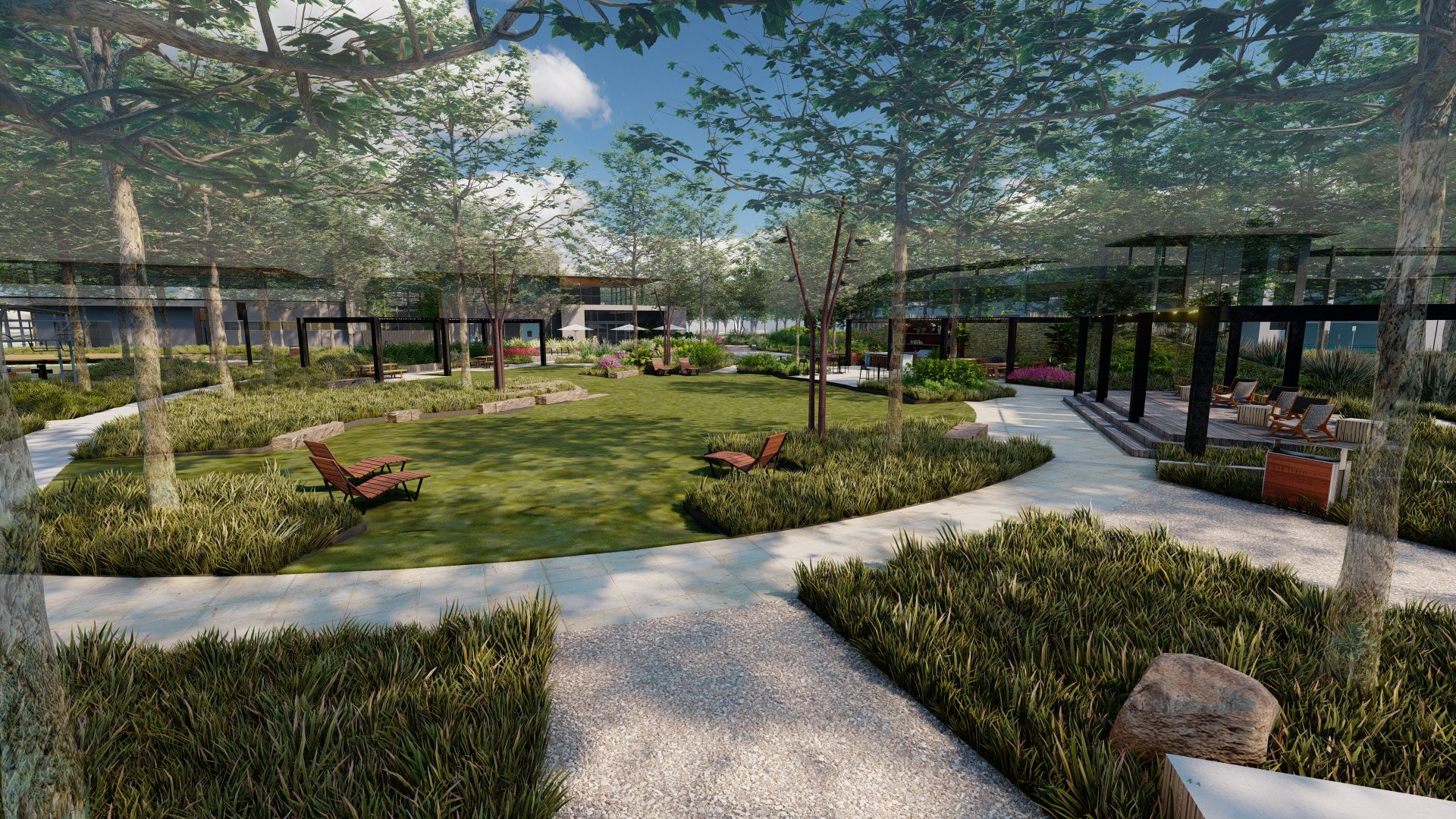
One of our corporate campus projects in Rancho Bernardo exemplifies such an endeavor this year. Located near the intersection of West Bernardo Drive and Via Del Campo, the project provided an opportunity to establish a unified landscape linkage with the surrounding development through an integrated pedestrian passageway and employee park, which sought to elicit movement and personal engagement. The new architectural additions presented a dynamic and influential statement on the campus, while the landscape sought to ground that striking architecture, its tenants, and the surrounding ecological community in an environment that both excites the senses and evokes qualities reminiscent of the history of California’s cultural ecologies. Movement across the site sees a transitional planting typology that reflects major ecological families found in both California and similar regions across the globe.

Such a creative process was not without its challenges. One particularly difficult problem to solve was the need to incorporate a Zen Garden that met the highly discerning standards of the client; was able to support California-adapted plant material while still evoking the emotions of a Japanese-inspired space; was constructible within the confines of the building’s substantial structural footings; and accommodated proper stormwater management. Through a concerted, collective, sometimes contentious process we were able to find a solution where every design team member and the client were more than satisfied.

In the end, the project demonstrated an important set of lessons. As a reflection of the diverse workforce to be present, desert-adapted, California-friendly, low to moderate water use plant material could be used for the various microclimates and site conditions encountered. Shade trees over streets, sidewalks, parking areas, and other paving could be used to conserve energy and reduce the heat-island effect. Office-park developments have the ability to become demonstrations of the proper use of our most precious resource - water - through the use of low-flow irrigation equipment and integrated weather-based controllers. Risk of fire for such developments near native open habitat can successfully be reduced through thoughtful site design and selection of fire-resistive vegetation that looks good year-round.

This project was chosen as my Best of 2023 because it allowed us to express our values as a firm and find common ground with the rest of the design team through the integration of grit, soul, and style. The discovery and innovation that occurs through collaborative problem-solving resulted in a design that can be used as a point of reference for other endeavors in the future.

Read more about Zeek →


La Quinta Cultural Campus | La Quinta, CA

Benjamin Arcia, M.U.D., ASLA
Senior Associate
A_9 - Photo.jpg
B_12 - Photo.jpg
PLAN.jpg

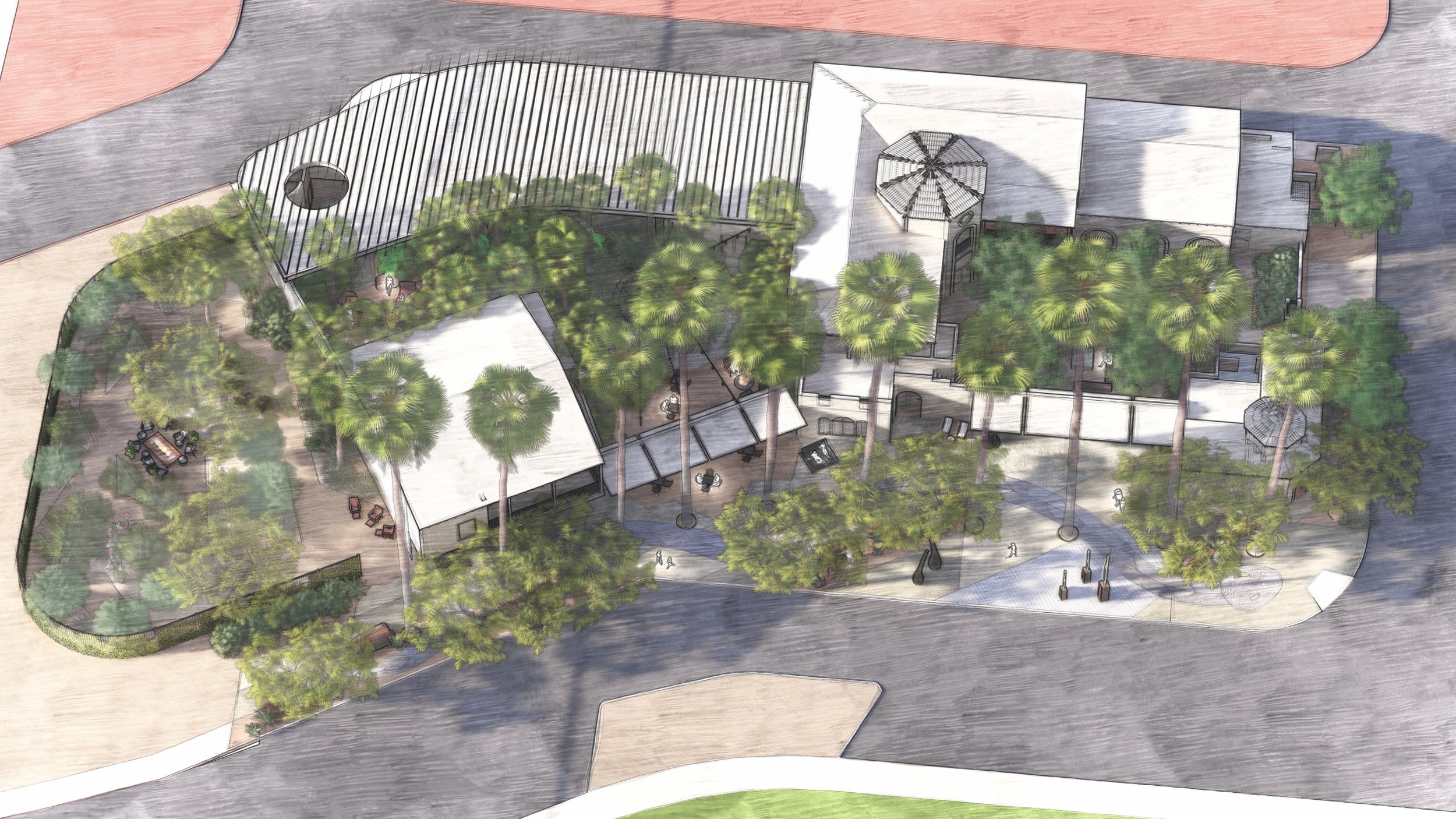
La Quinta is a small town in the Coachella Valley surrounded on three sides by the rugged slopes of the Santa Rosa Mountains. Its small shops, intimate streets, and close relationship with the surrounding desert make it a special place, contrasting it against the strip malls and golf courses that characterize this part of Southern California. Thanks to its springs and oases, humans have been coming to La Quinta since time immemorial. For countless generations, the Cahuilla people set up their winter camps in the sheltered cove, enjoying the desert’s bounty before migrating back up into the mountains each summer.

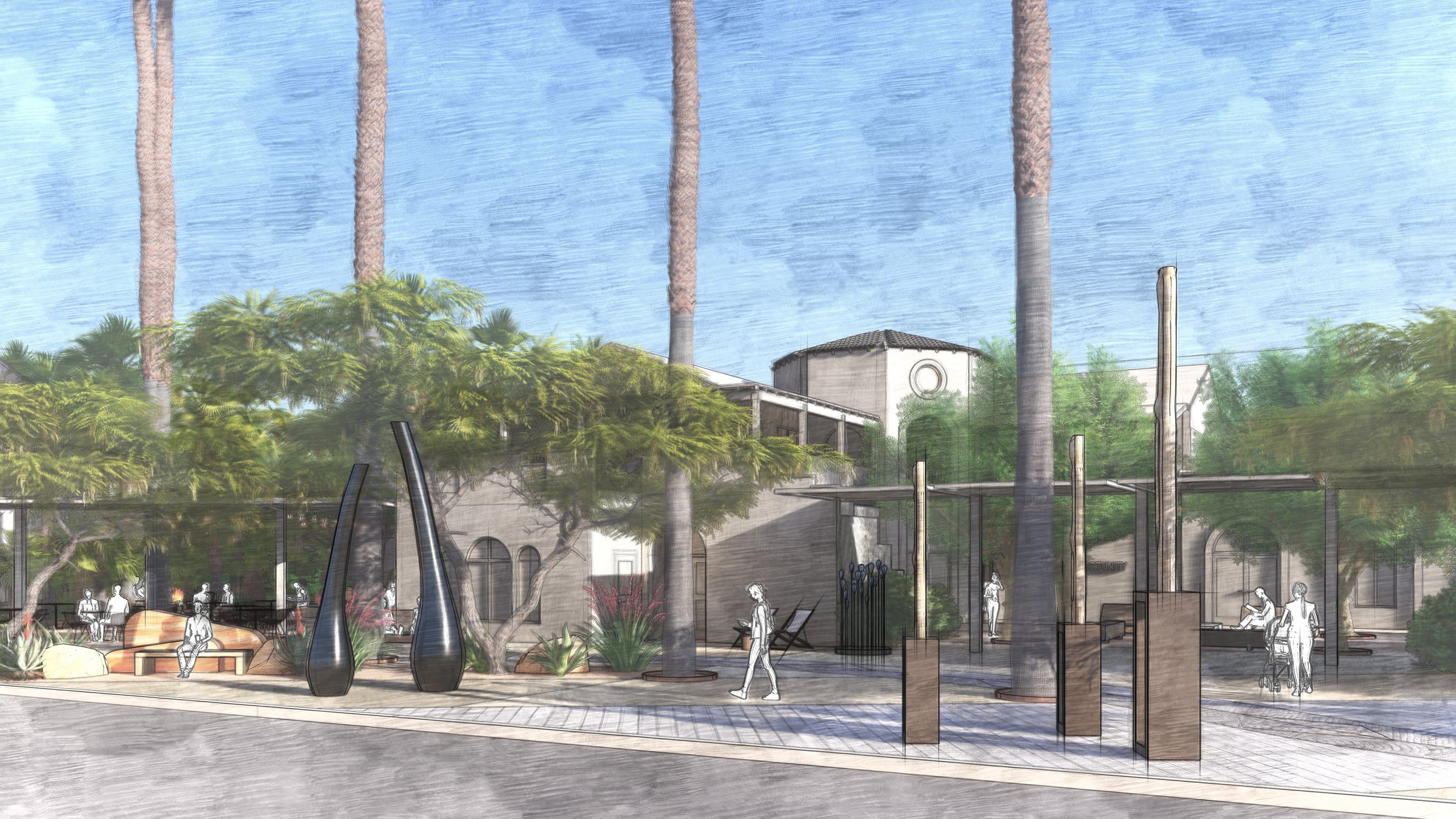
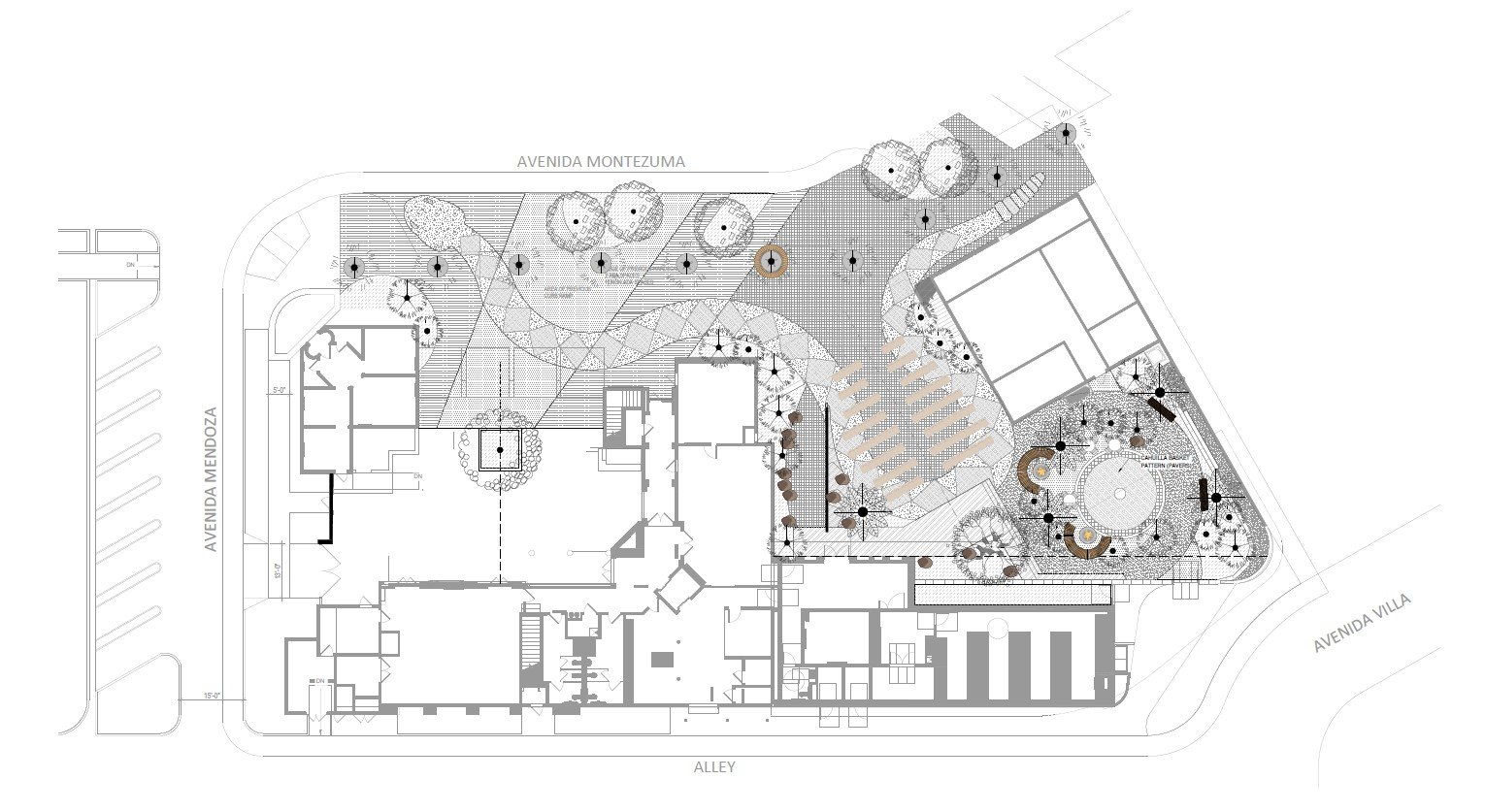
The La Quinta Cultural Campus is the subject of an in-depth design collaboration with HGA Architects, based in Santa Monica. HGA initially described the project’s landscape scope as an arts promenade and a small oasis garden in a courtyard, a relatively straightforward brief. However, as we dug into the design process together, we discovered that the courtyard space could host a mighty array of programs, from weddings to art openings, to movie nights and cultural performances. The City of La Quinta has been an eager partner in pushing this space to be the town’s focal point for gatherings, a true meeting point for the community. On top of this programmatic variety, we folded in a series of design moves that nod towards the Cahuilla heritage of the site. The most dominant move is a rattlesnake that wraps through the site, illustrated in the paving surface. Consulting Cahuilla elder, Kim Marcus taught us that unlike the sinister depiction of snakes in European cultures, the Cahuilla rattlesnake is a sympathetic figure, a character who grew fangs to protect itself from injustice. The rattlesnake figures prominently in Cahuilla basket weaving, depicted spiraling around itself in a shape that represents the notion of eternity. This story of protection and eternity resonated with both the design team and the City staff, as it relates to the efforts to protect the town’s quaint character, as well as the tranquil desert that surrounds it.

As an urban designer by training, I feel fortunate to be shaping a true community space, a place for life’s milestones to be shared among neighbors and friends. As a landscape designer, I am excited to use a palette of desert plants that I do not typically get to work with. Ultimately, as a lover of the desert and its history, I am grateful to tell the story of the Cahuilla people through an art-filled immersive experience that is designed into the space itself. This is why La Quinta Cultural Campus was my pick for Best of 2023.
Read more about Benjamin →


1_13 - Photo.jpg
1_22 - Photo.jpg
18.jpg
1_2 - Photo.jpg

Mt. San Antonio College Library (Mt. Sac) | Walnut, CA

Mahalakshmi “Maha” Balachandran, Int’l ASLA
Senior Associate, Northern California Office

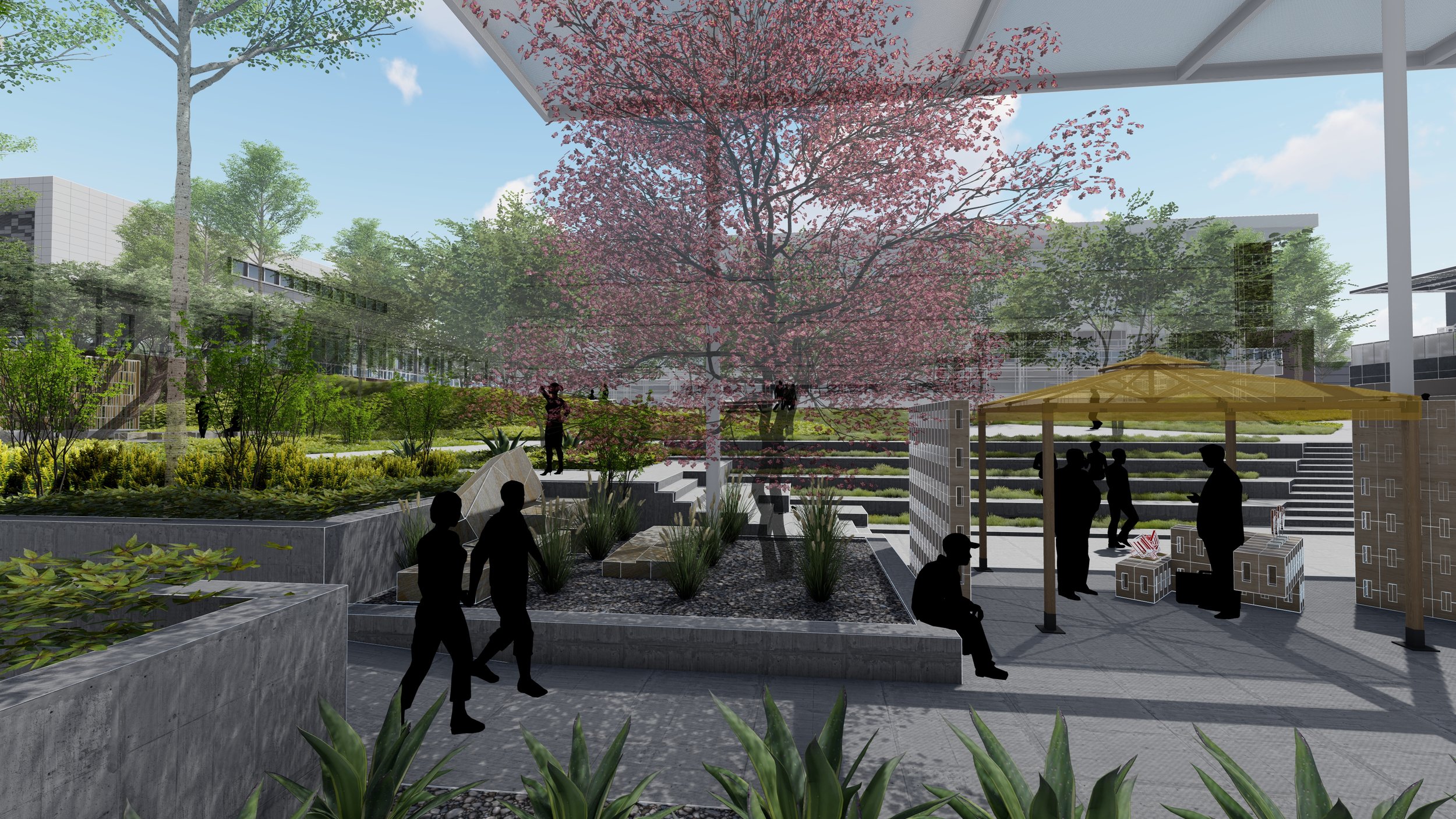
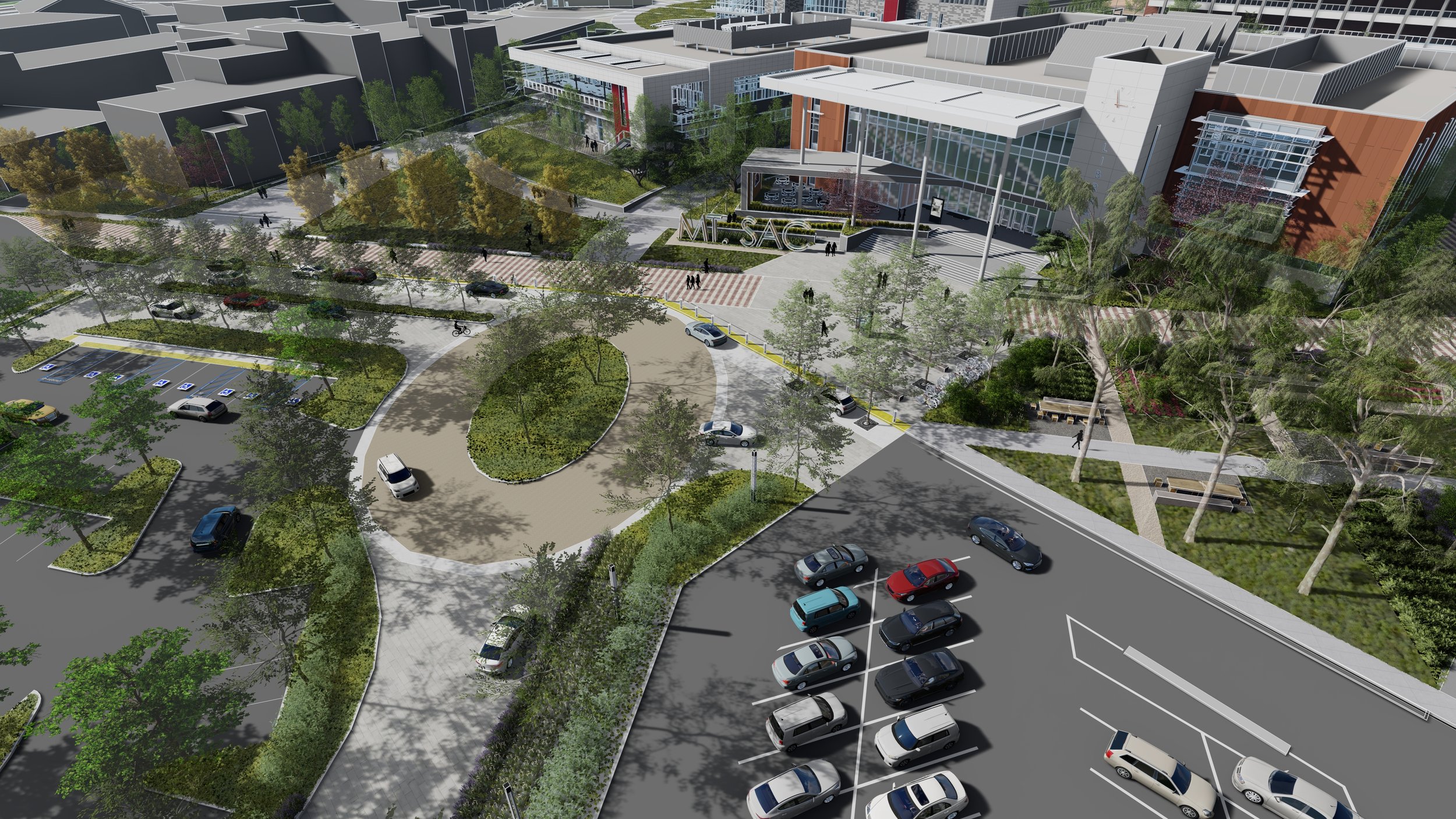
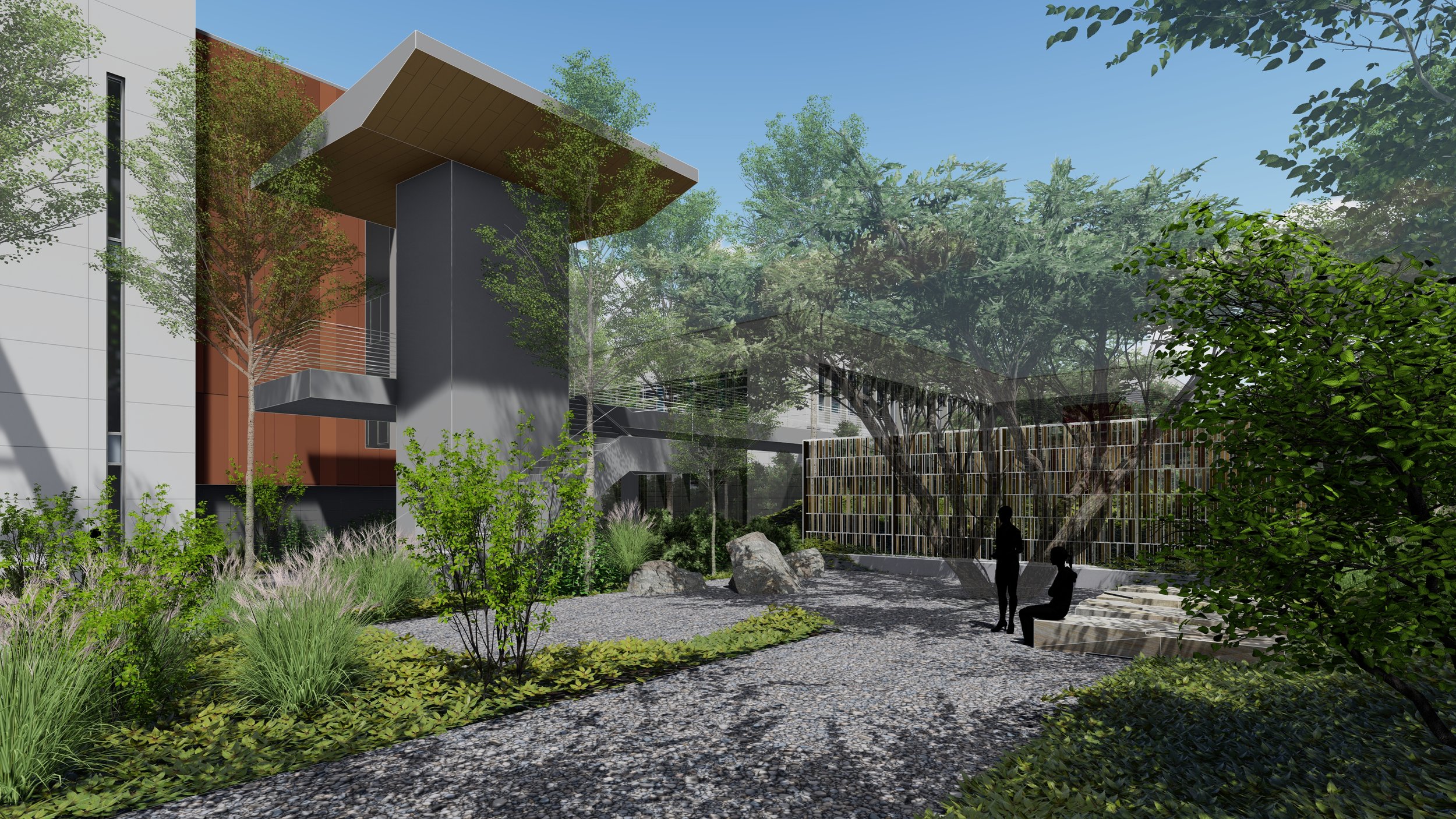
It's always exciting to anticipate the success of a project, especially when it's in the conceptual phase. The siting of Mt. SAC Library replacement building was the most challenging one of last year.

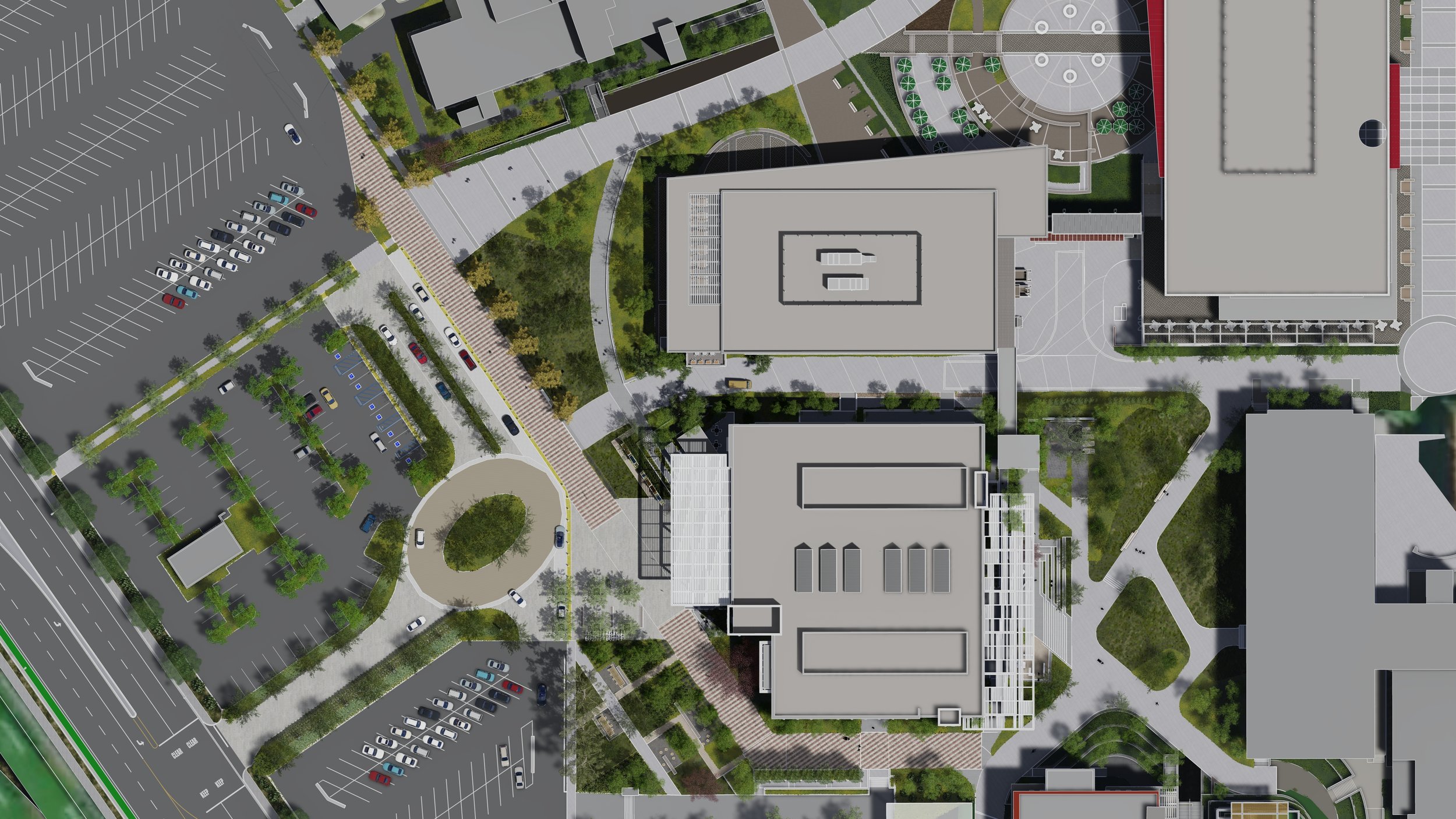
As this site needed a different design strategy, it was determined necessary to provide a landscape framework while prioritizing connectivity through the site and to the campus with dramatic topography. The contours on site guided to transform the university's outdoor space into an iconic and integral feature.

The connection between the lower parking area and the building on higher ground was reconsidered and that opened the possibility to imagine a distinctive landscape. The vision of the site aligned perfectly with McCullough’s focus on creating a grand sense of arrival for students and providing a safe and inviting space for pick-ups and drop-offs. The idea of conjoining the divergent paths of the EVA (fire lane) and the building entry into one was necessitated for the space to be unified and read as one continuous experience.

I was particularly drawn to the initiative of activating the pedestrian realm by integrating various active corners. The incorporation of the "artist corner” along the connection between the miracle mile and the transit center offers a mid-block passage for everyone to enjoy. It was a thoughtful addition to fostering social engagement.

In essence, this project resonates with me on a personal level because it encapsulates the ideals of sustainability, student engagement, and thoughtful campus planning that the team of HPI Architecture and McCullough deeply value. The journey from concept to reality can be filled with challenges and breakthroughs - that I’m looking forward to.
Read more about Maha →


4.jpg
11.jpg
12.jpg
17 (1).jpg

6010 El Cajon Blvd | San Diego, CA

Johanna Mall, PLA, ASLA
 Associate Landscape Architect

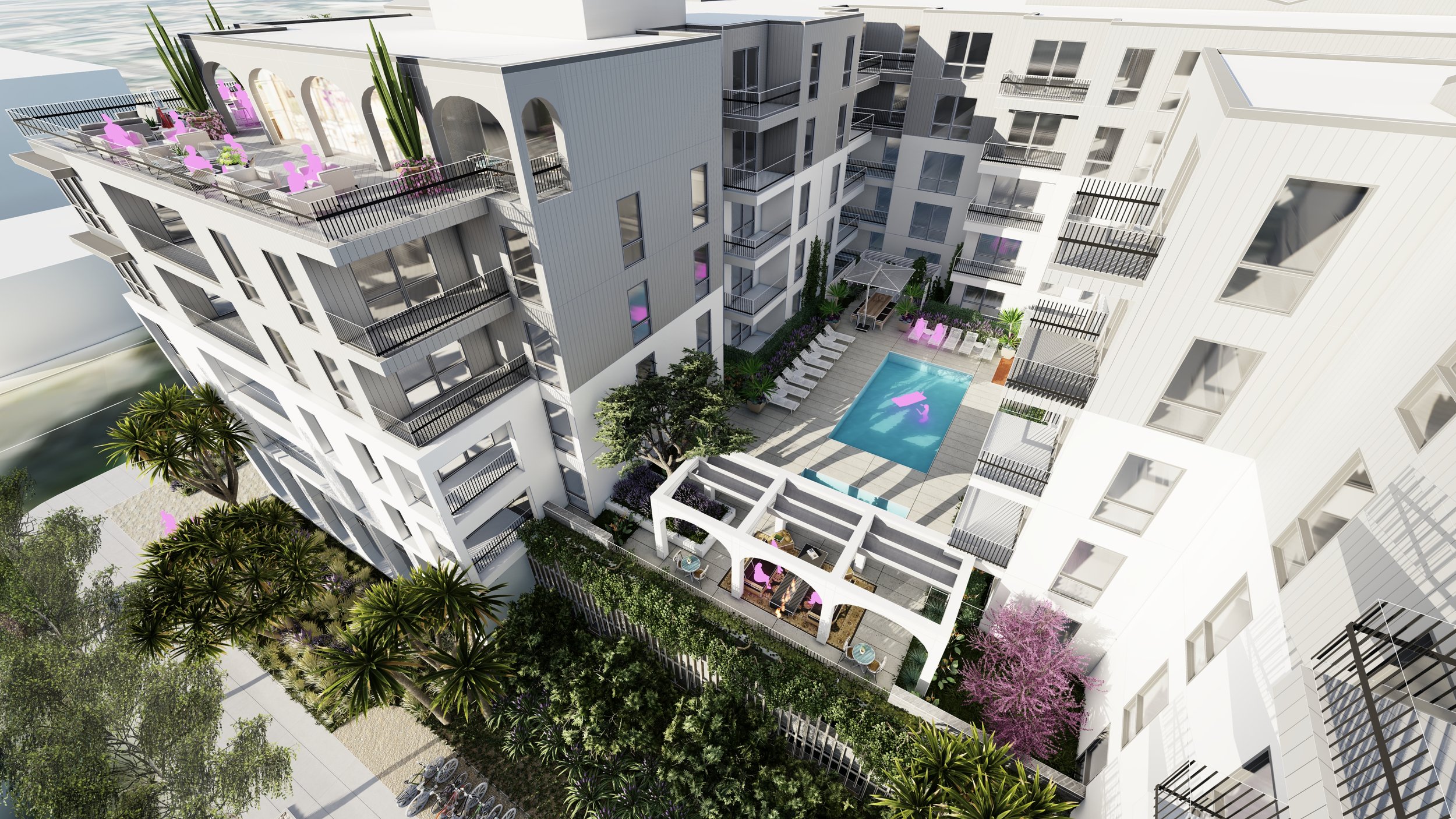
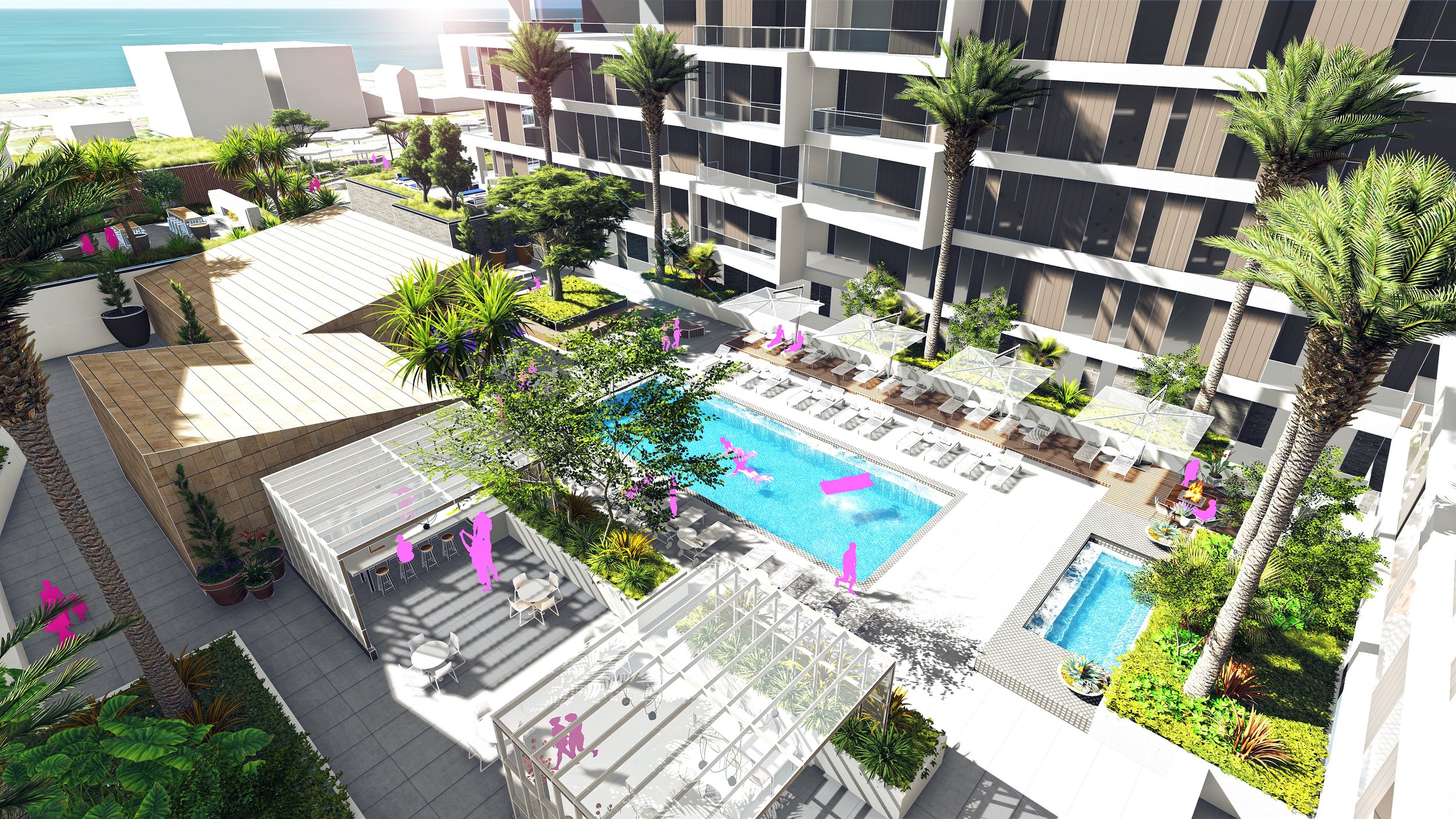
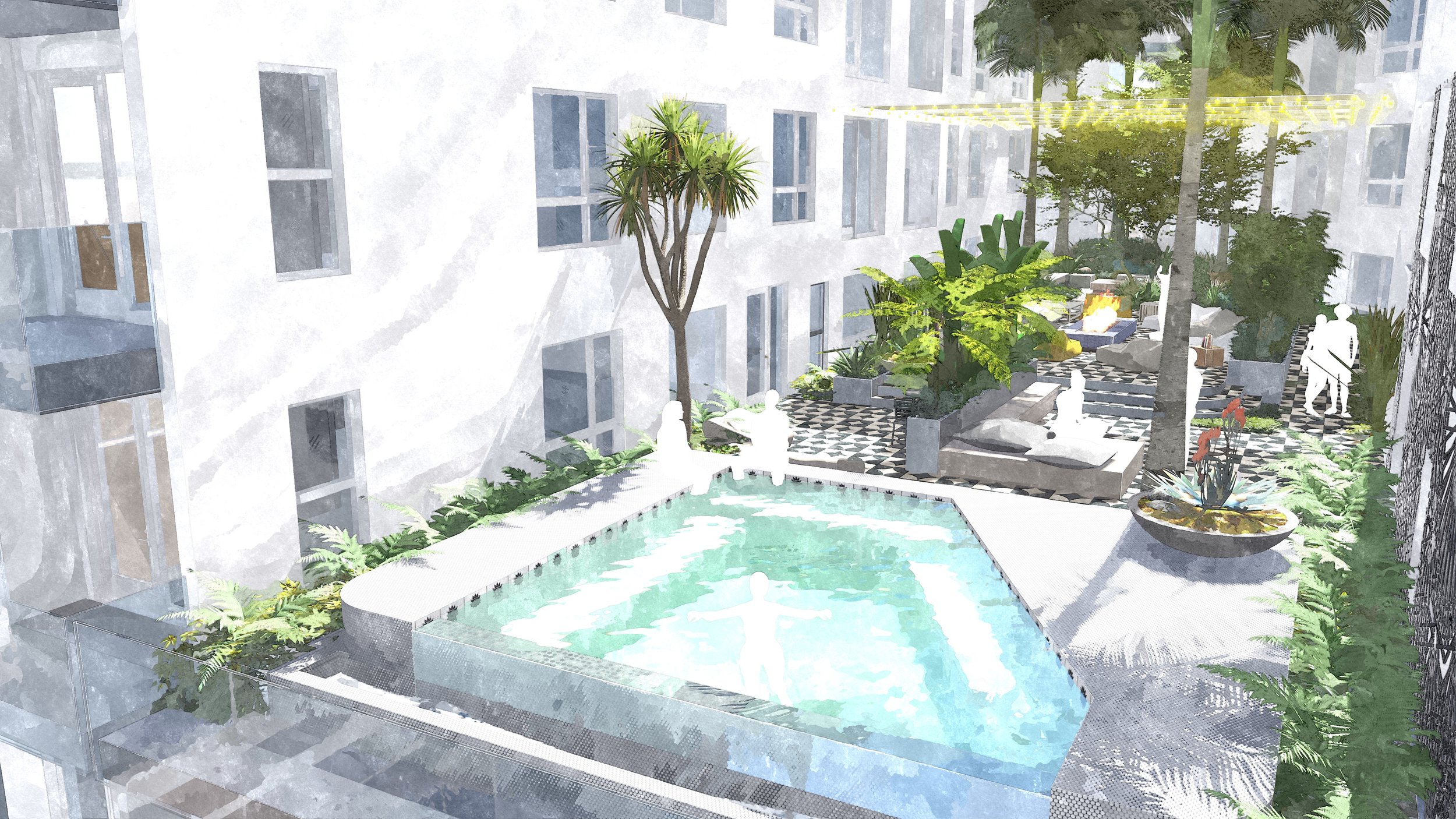
6010 El Cajon Blvd is a large mixed-use nine-story development with over 200 apartment units located in the College Area near San Diego State University (SDSU) that involves four different large outdoor amenity spaces catering to the likelihood of student residents. It may sound like a standard project, but it is far from that. A visionary client and the unique design themes are what make this project my favorite of 2023.

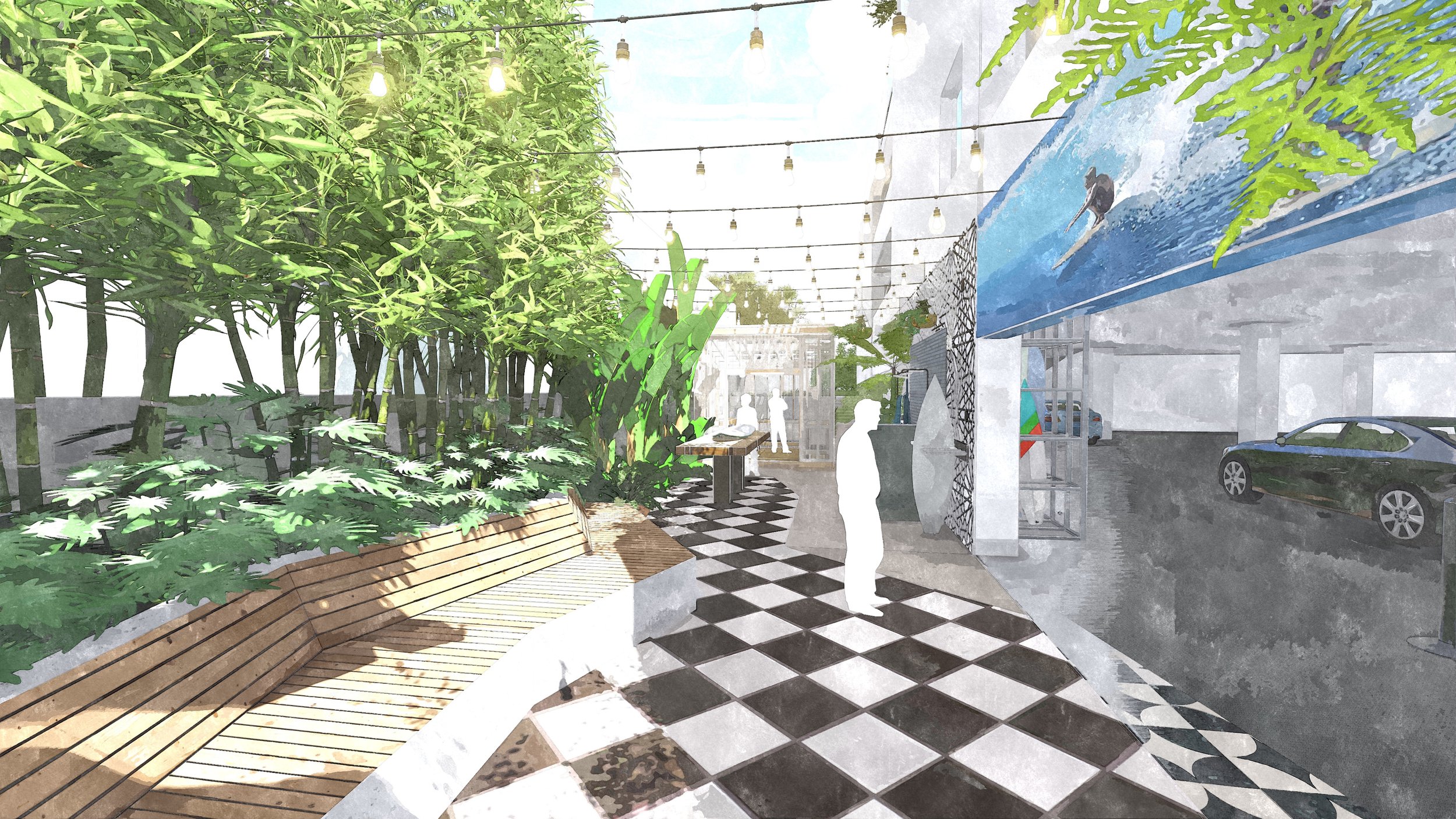
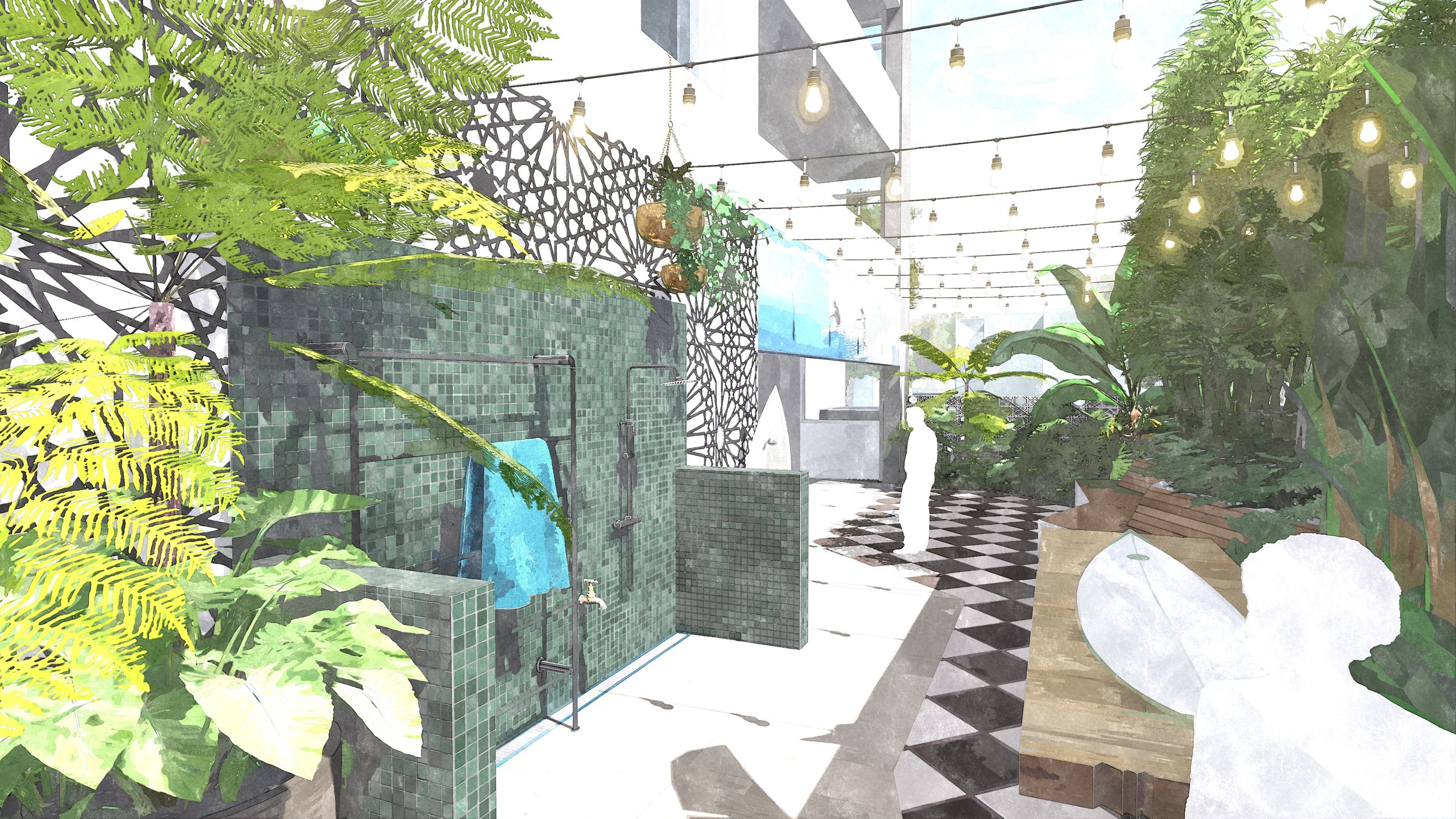
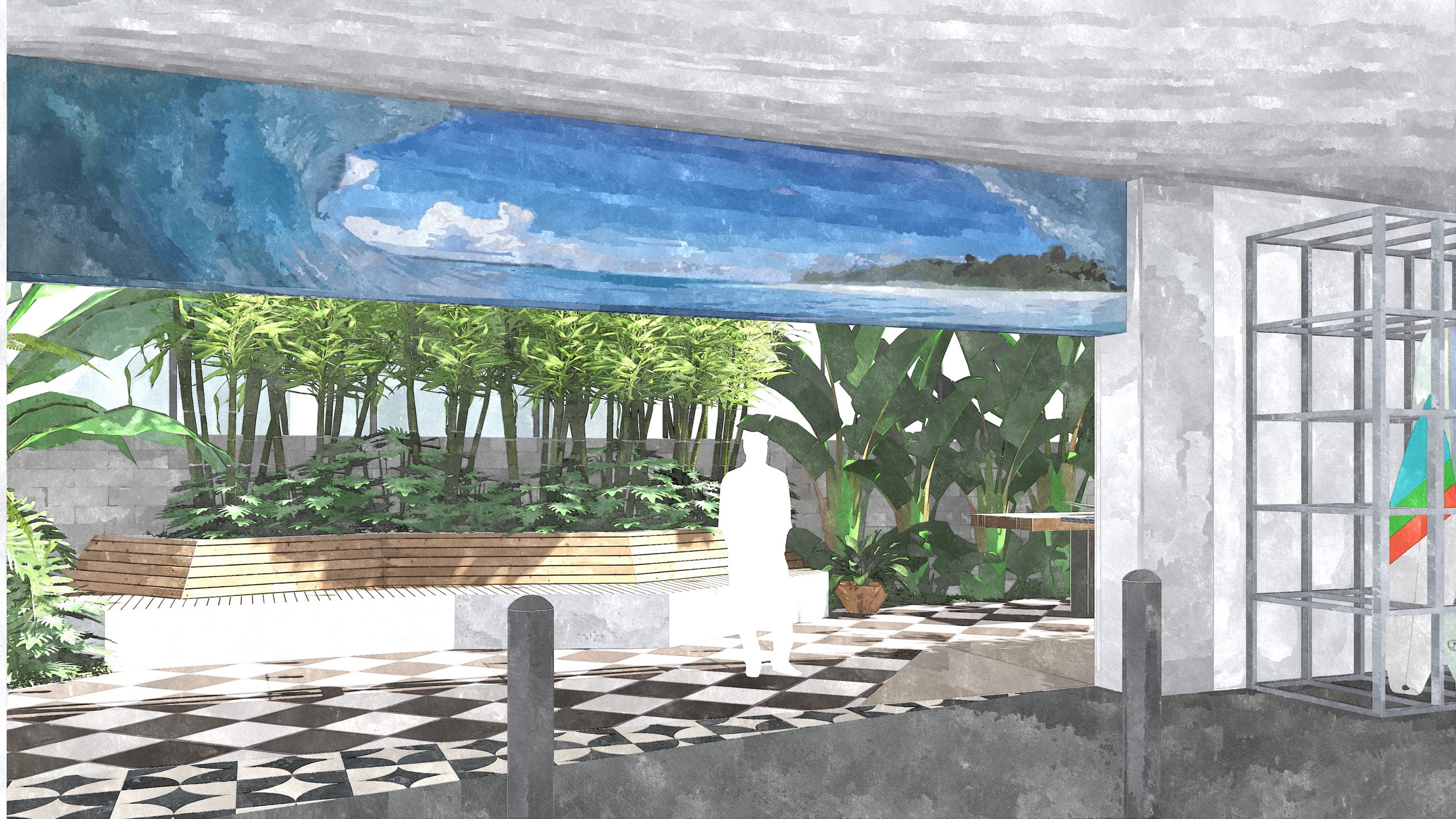
The Michaels Organization (TMO) brings a fantastic team of developers with a wide range of perspectives. Their thoughtfulness is what inspired us to think outside the box. It all started with the idea of a ‘surf shack.’ Recognizing the strong outdoor lifestyle of fellow San Diegans, the client desired to have an outdoor communal space where residents can rinse off their surf boards, stand up paddle boards, or maybe even kayaks, and even have lockers in the parking garage for storage. In this ground level space, we designed a multi-purpose outdoor shower, where boards and wetsuits can be rinsed and left to dry.  We added a wood frame shack with clear corrugated fiberglass wall panels that serves as a workstation for residents to repair their boards, repot their plants, or work on a messy art project. With fun festive lighting and lanterns, this place can become a casual hangout zone in the evenings.

Becoming weary of the Boho vibe we commonly see in San Diego, we ran with the surf theme, turning it into a worldly place, where Morrocco meets Mexico, with a sprinkle of Art Deco. The materials, patterns, and plants are what makes the outdoor spaces in this building feel like you just returned from a trip to Taghazout or Sayulita.

Podium projects always present fun unique challenges. For this project, we had to figure out how to build a raised spa in a narrow podium courtyard, all while keeping accessible design in mind. It was a full team effort of collaborating with consultants to figure out the structural and grading puzzle this building condition presented.

This was our first project working with TMO and the design outcome and positive experience has led us to work on many more projects. It is a relationship we are thrilled about because we enjoy working with clients that trust us fully with our design vision.
Read more about Johanna →


Confidential Training Center - Photo 1.jpg
Confidential Training Center - Photo 2.jpg
Confidential Training Center - Photo 3.jpg

Corporate Training Center | San Diego, CA

Andrew Schlesinger, PLA, ASLA
Associate Landscape Architect

Architect: AVRP Studios

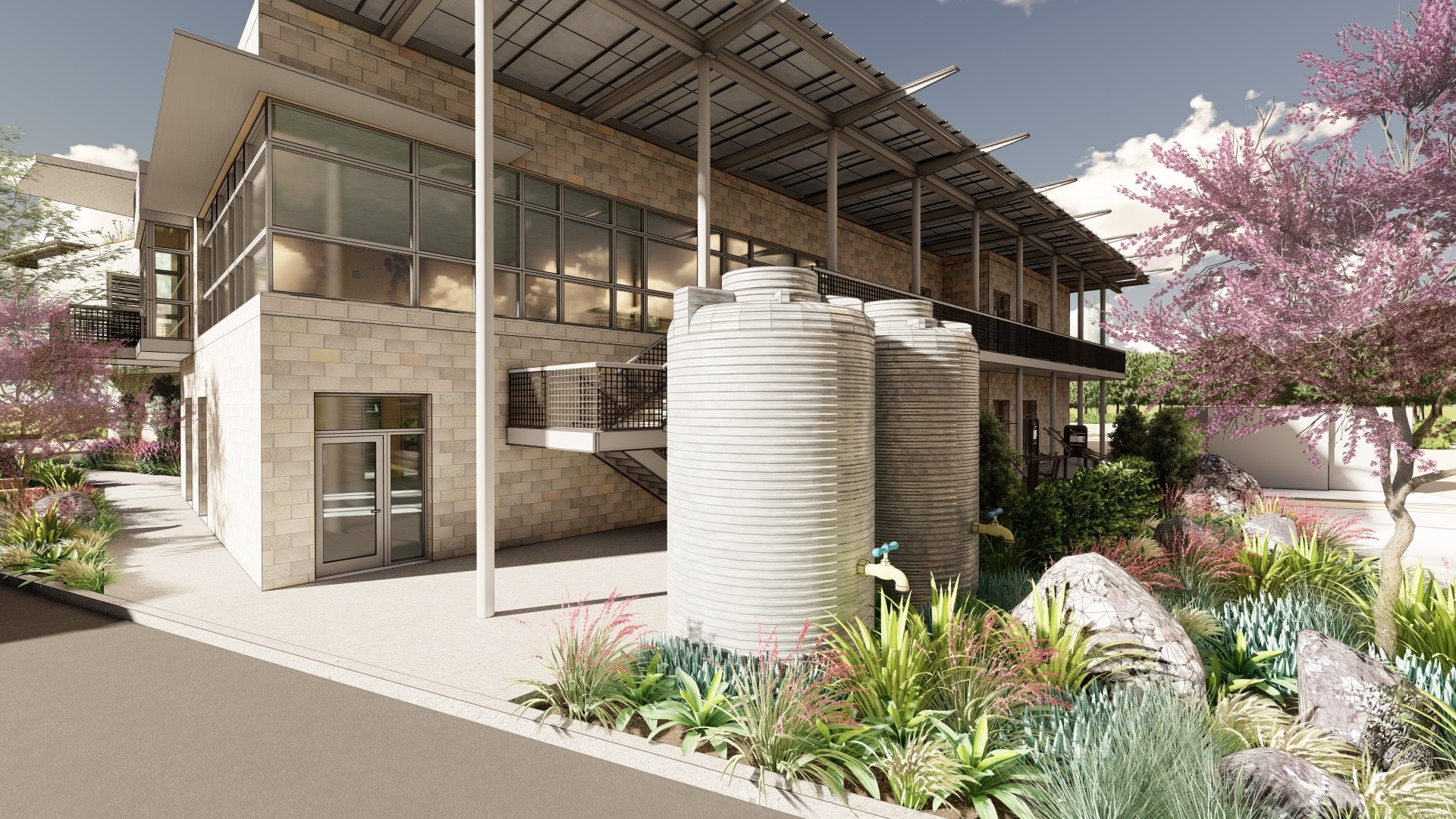
Project Highlights: LEED Certified Gold Project, drought-tolerant plant selections, net-zero water use, water cistern capture and reuse

Located in San Diego, this commercial project differentiated itself because of a simple challenge – how can we capture enough rainwater to achieve using zero potable water for plant irrigation? Early in the design process, our team collaborated with architecture and civil engineering to locate two, 7,000-gallon water cisterns within the landscape. Working with LEED consultants, we then calculated the projected annual water storage capacity for cisterns collecting rainwater from the proposed center’s roof. Using these metrics, McCullough curated a plant palette requiring less water annually than our capture capacity.

To do so, McCullough embraced drought-tolerant, desert-adapted, and native plants offering low maintenance benefits and seasonal interest. By prioritizing these plants, our team was able to eliminate the need for irrigating planting areas with supplemental potable water. Further, we designed to minimize hardscape and maximize softscape. This approach will help to cool the site during hot summer months while also reducing embodied carbon in our proposed design.

I chose this project as my Best of 2023 because it serves as a scalable solution. Projected to earn LEED Gold certification for its energy and resource efficiency, this corporate training center demonstrates the potential to design planting palettes that embrace our region’s low water realities. Imagine if every project in San Diego County followed this same approach. That is a beautiful future – one which we at McCullough are excited to help create.
Read more about Andrew →


DD_8 - Photo.jpg
DD_12 - Photo.jpg
DD_17 - Photo.jpg
DD_21 - Photo.jpg
DD_33 - Photo.jpg
DD_36 - Photo.jpg
DD_38 - Photo.jpg
DD_46 - Photo.jpg
DD_5 - Photo.jpg

Epoca Rio | San Diego, CA

Adam Crowell, ASLA
Associate

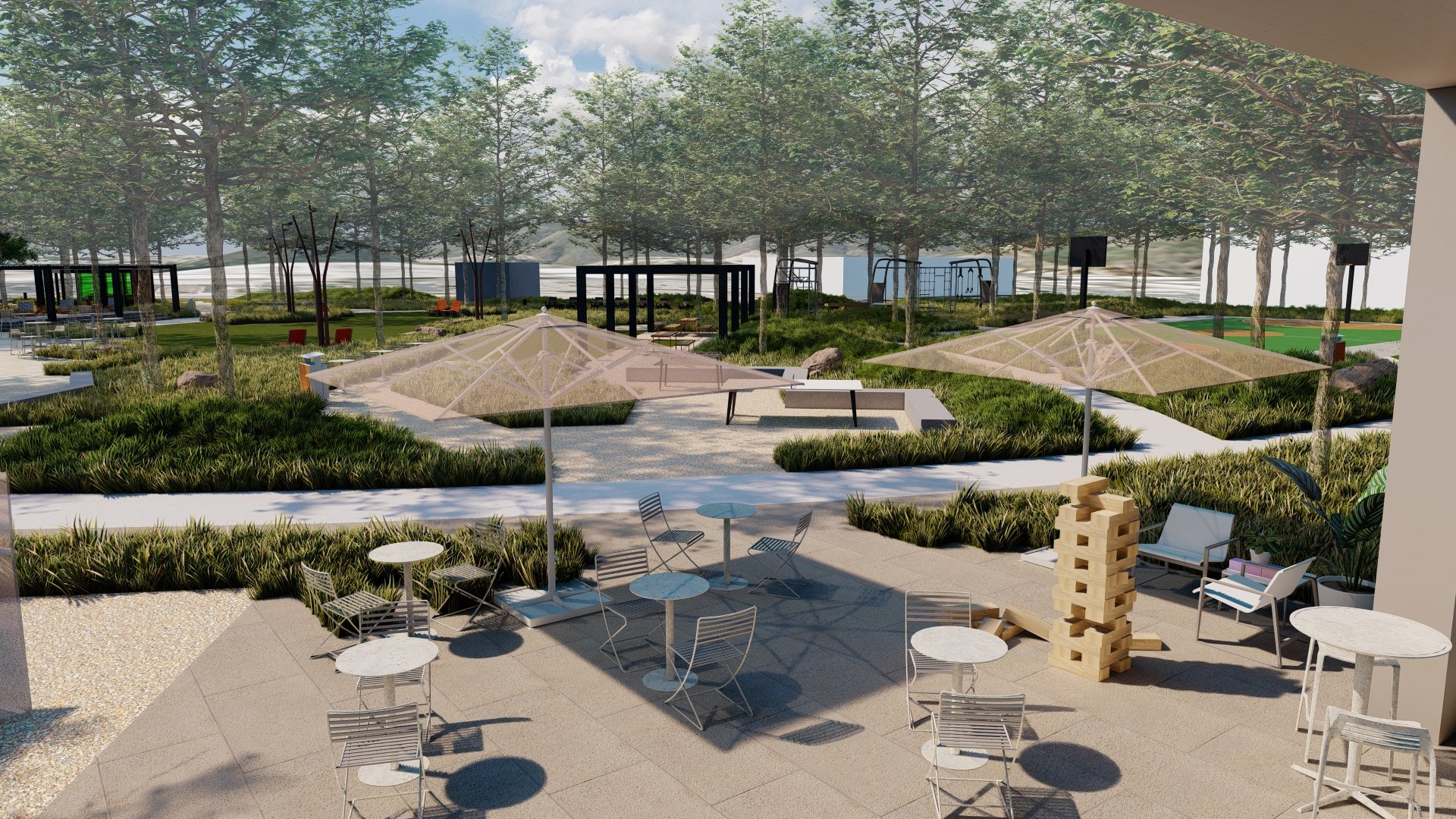
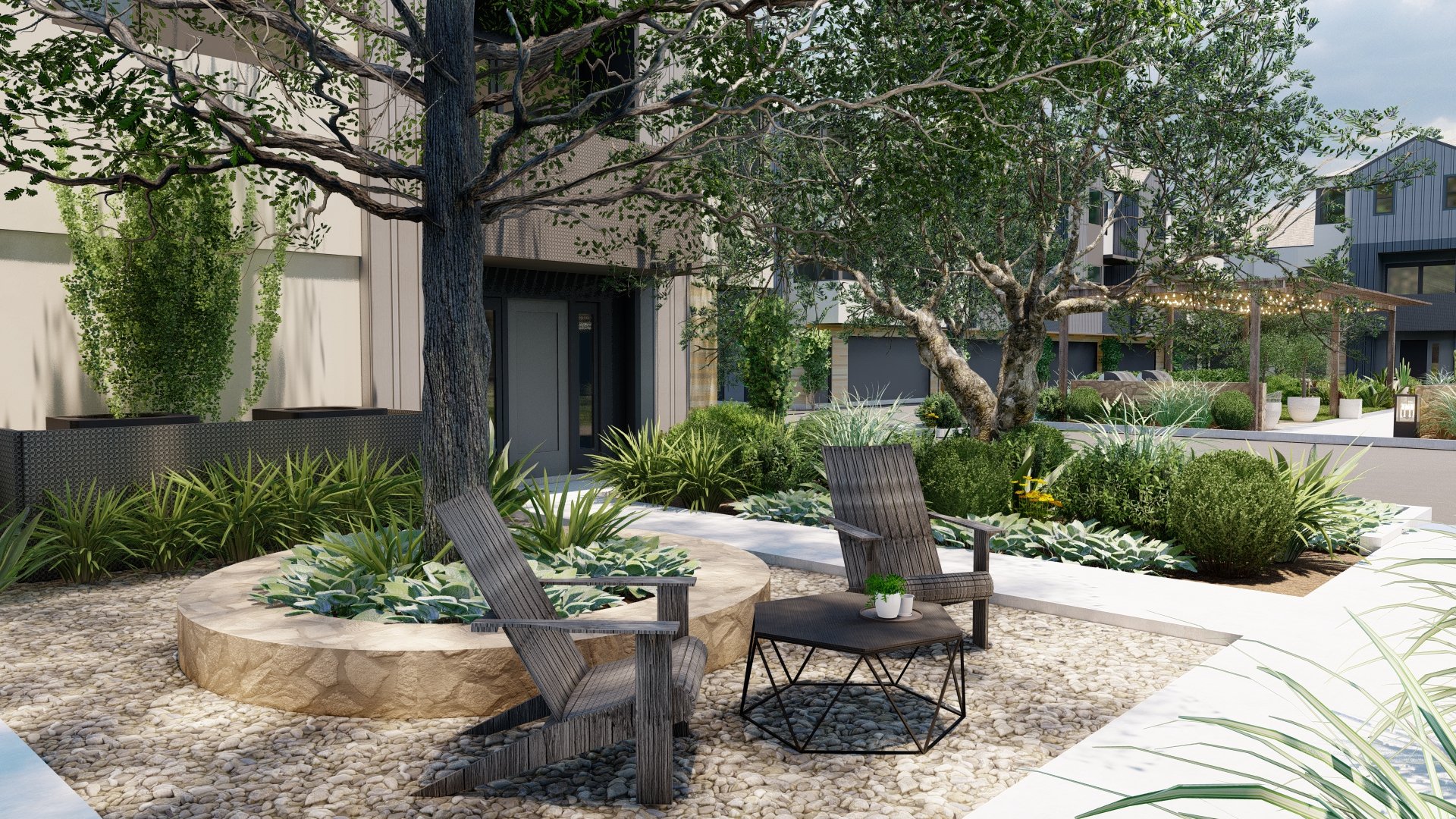
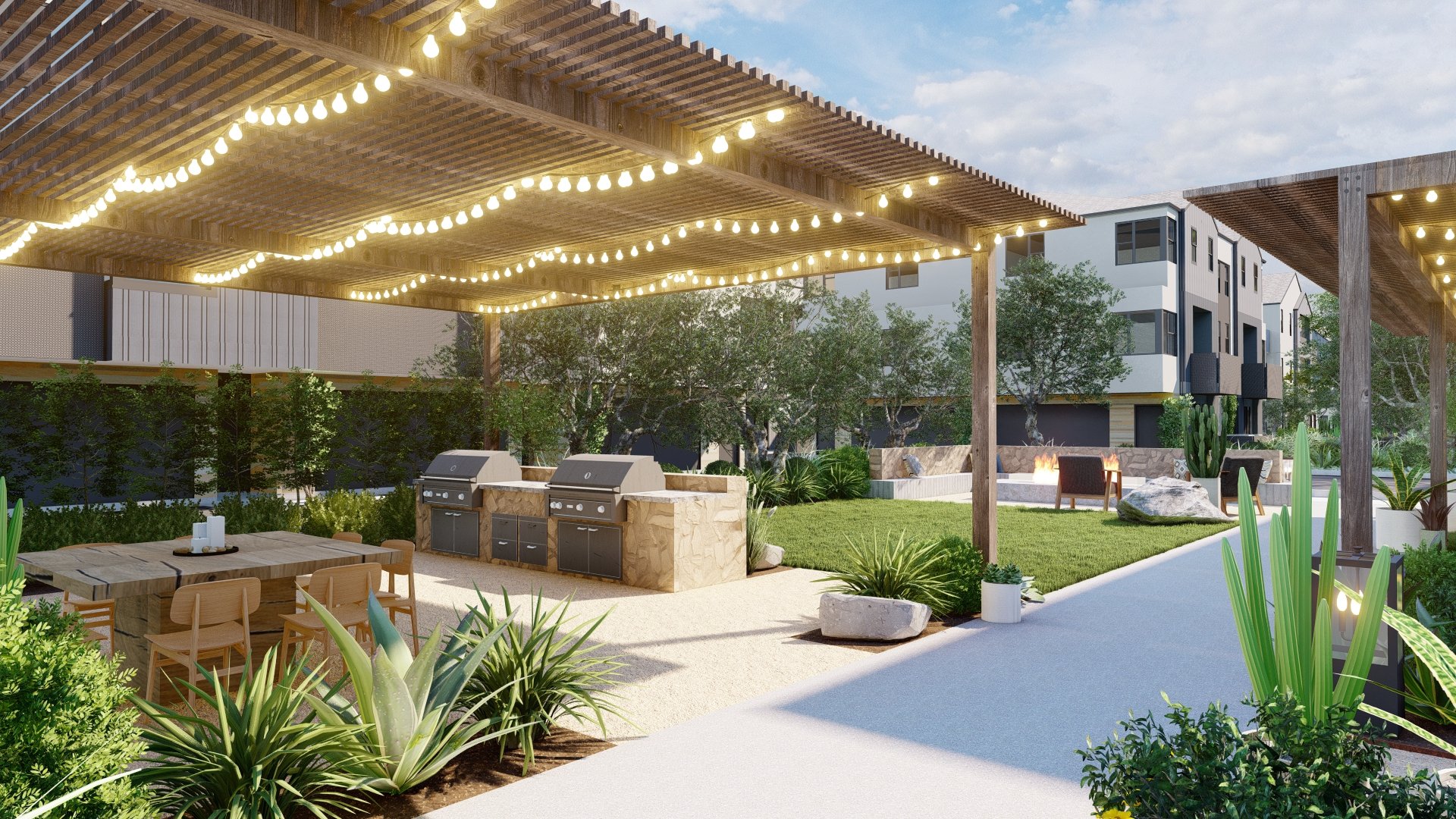
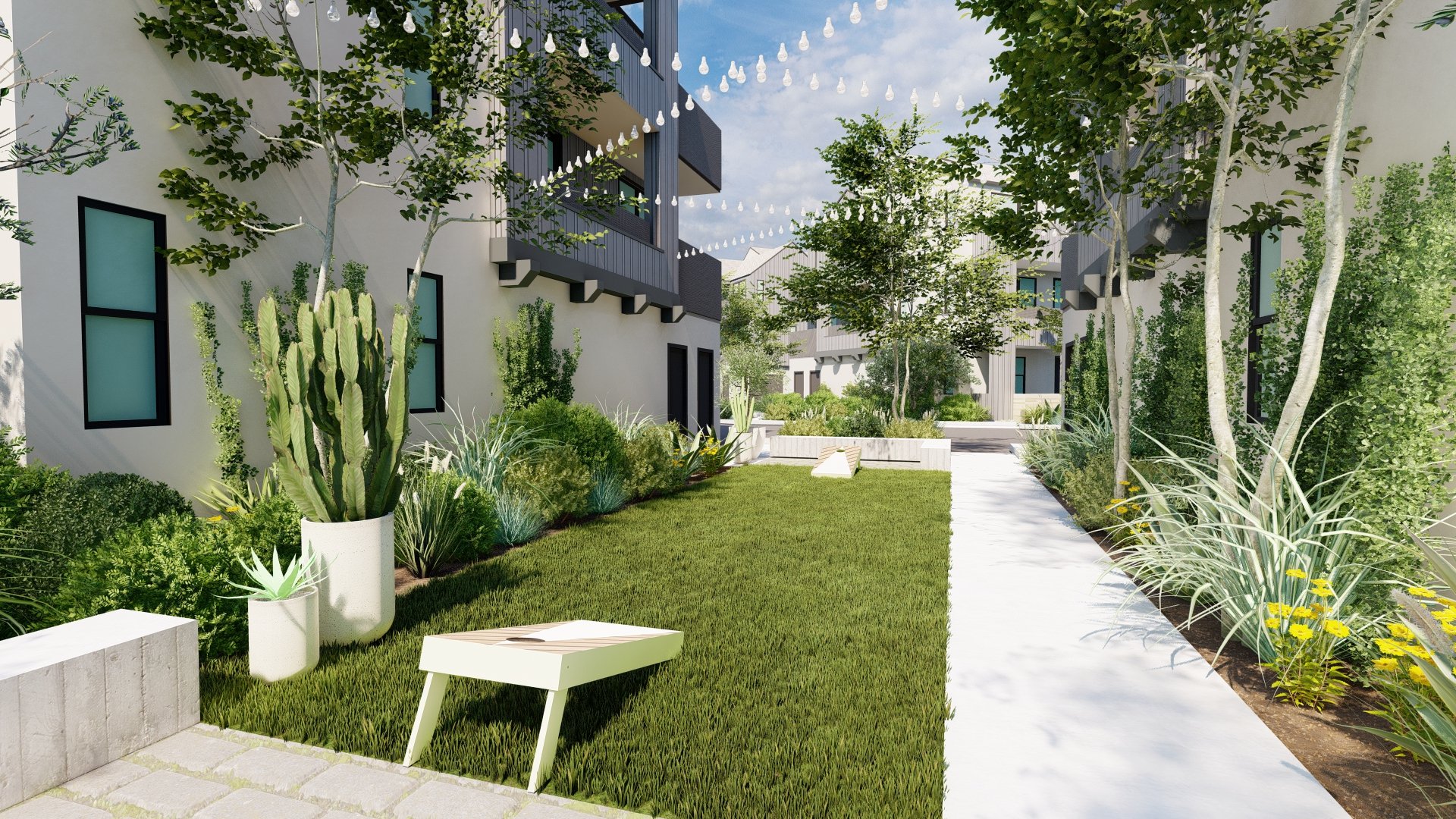
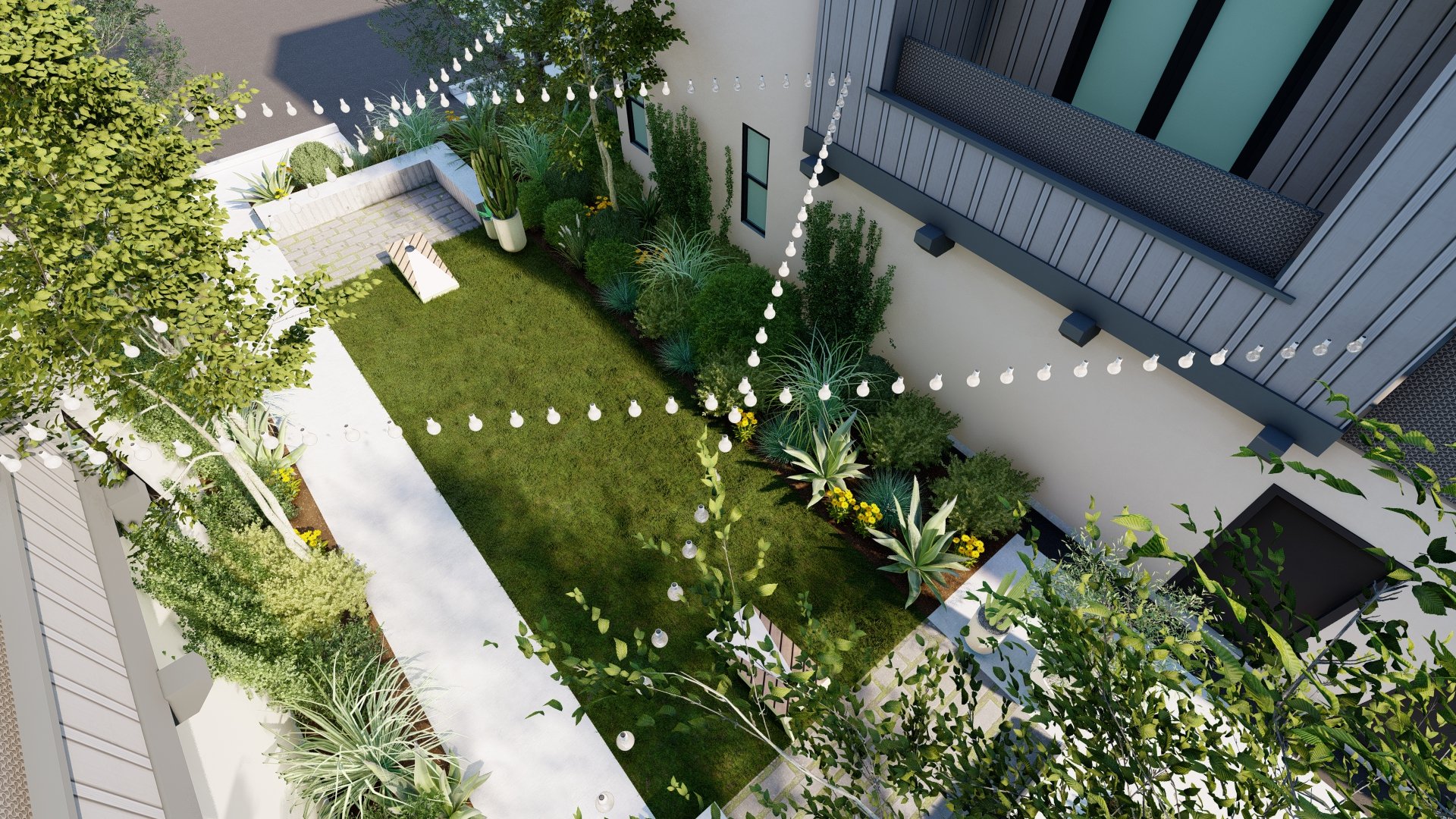
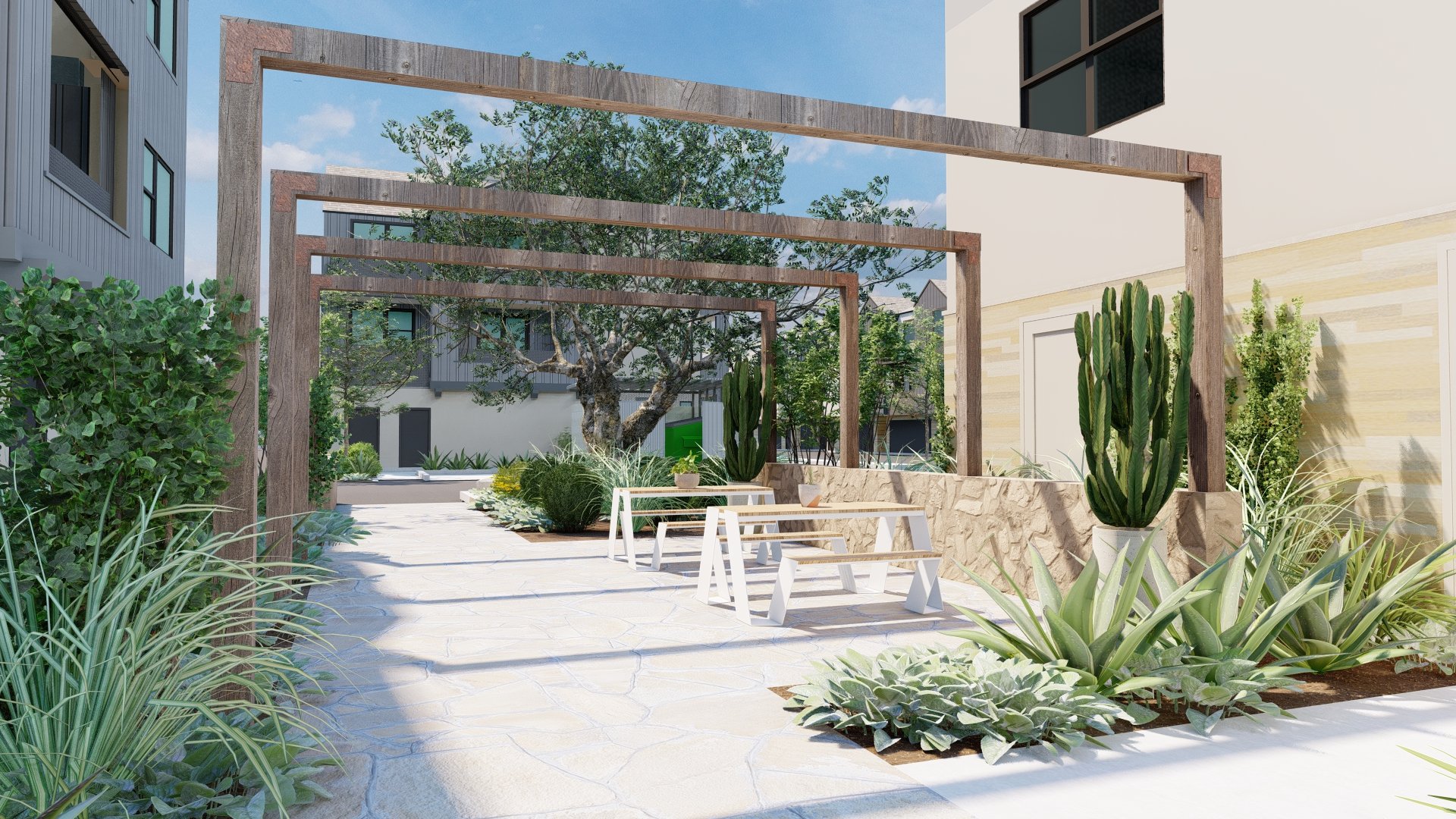
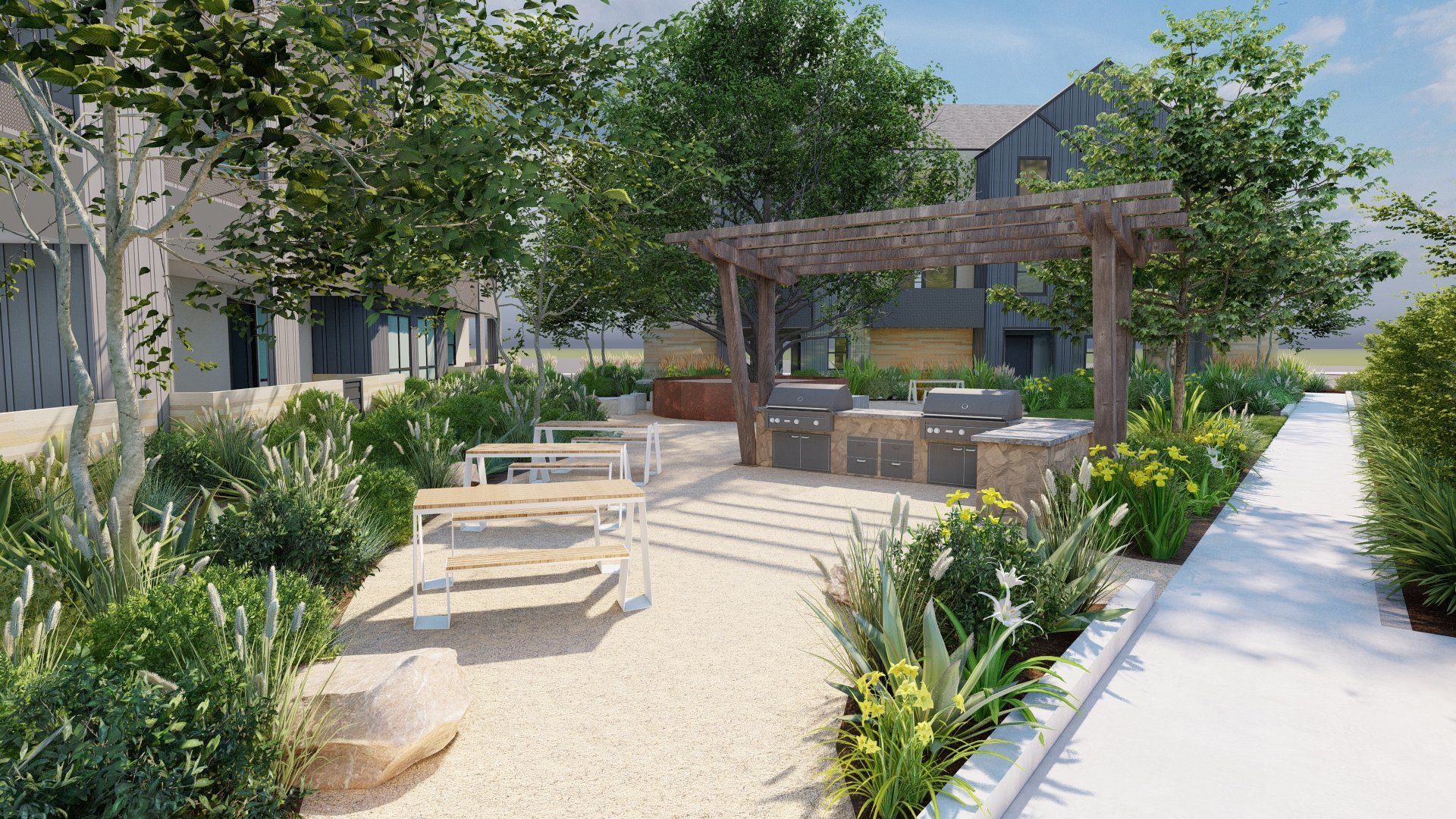
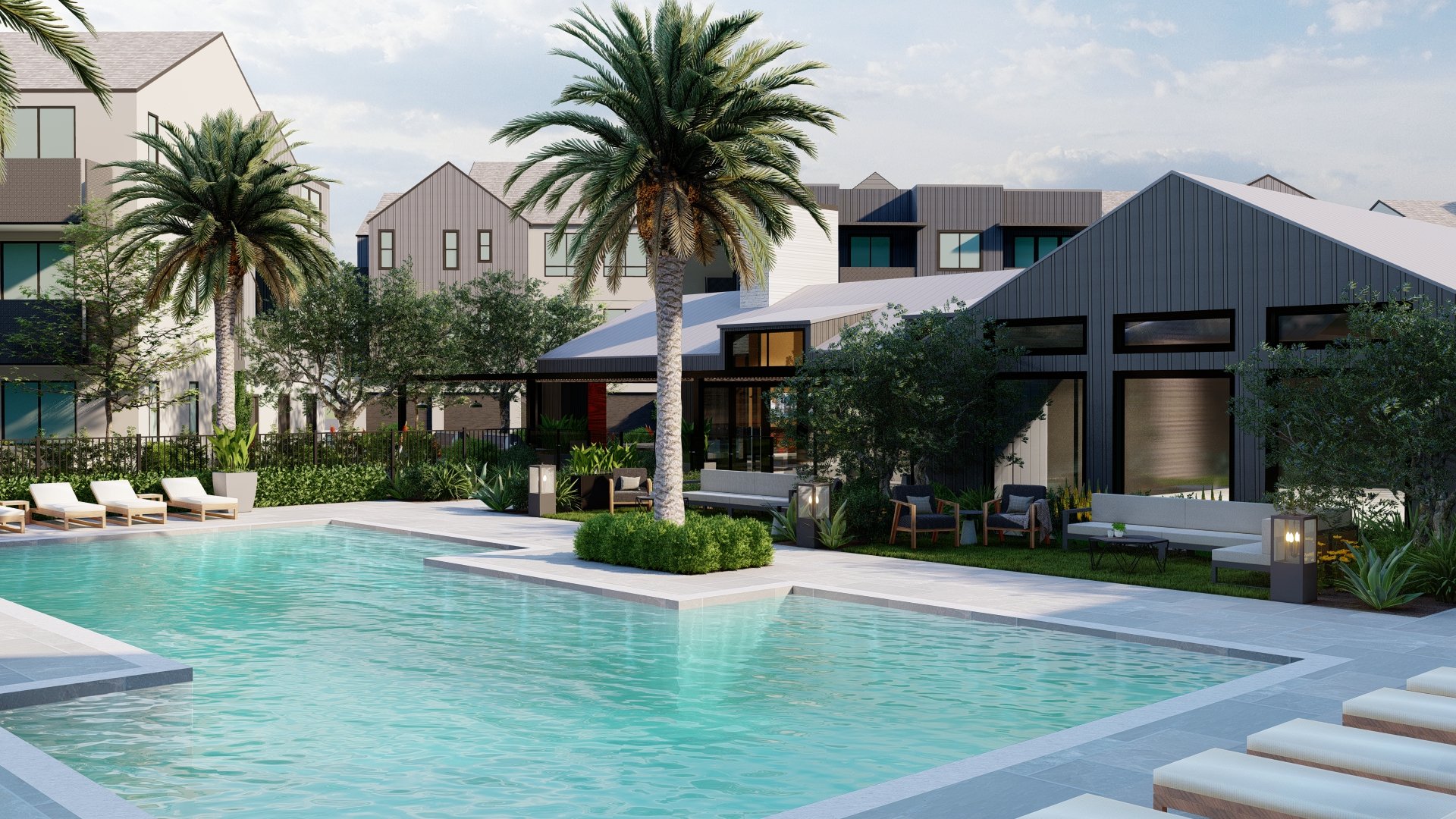
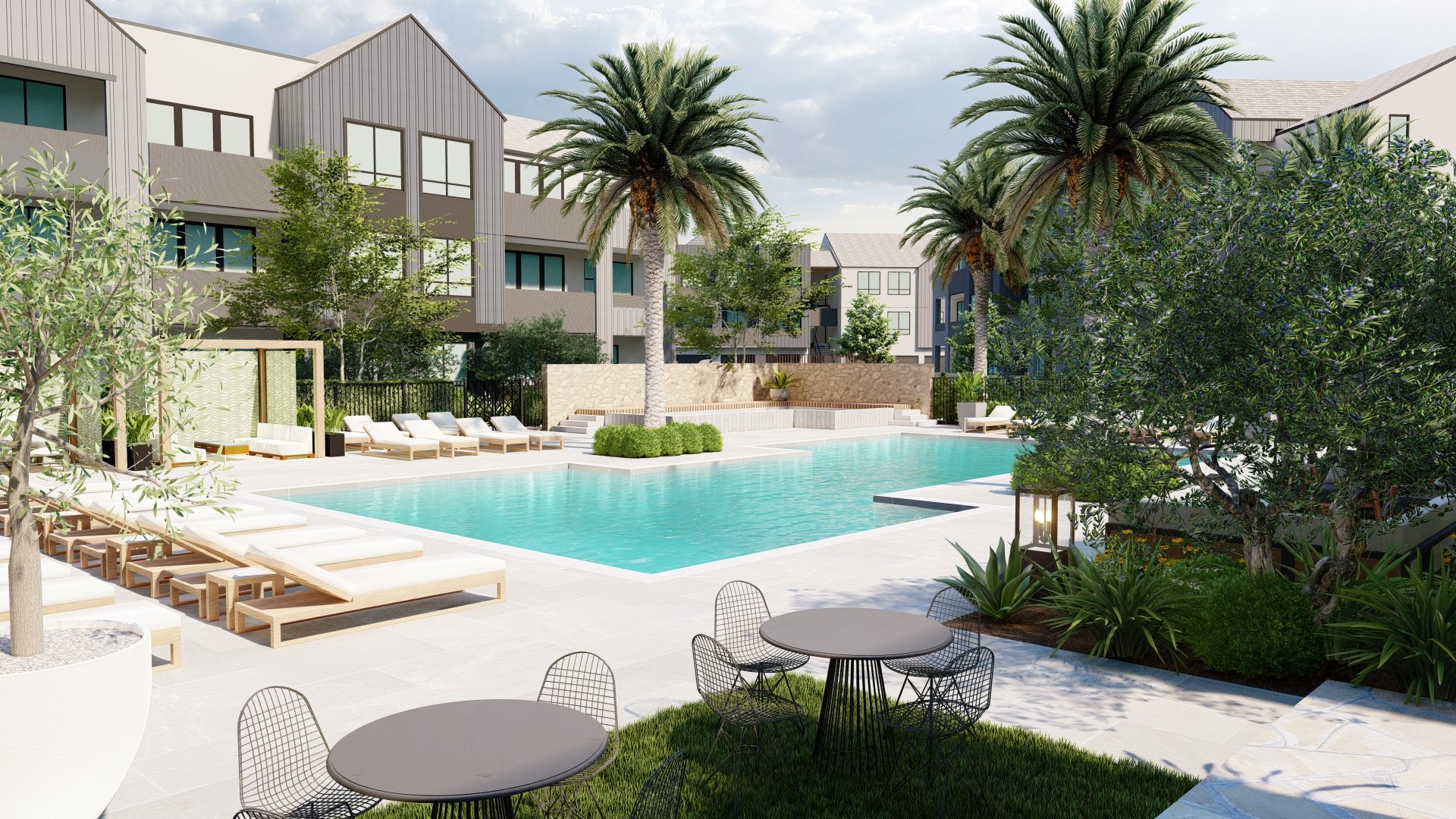
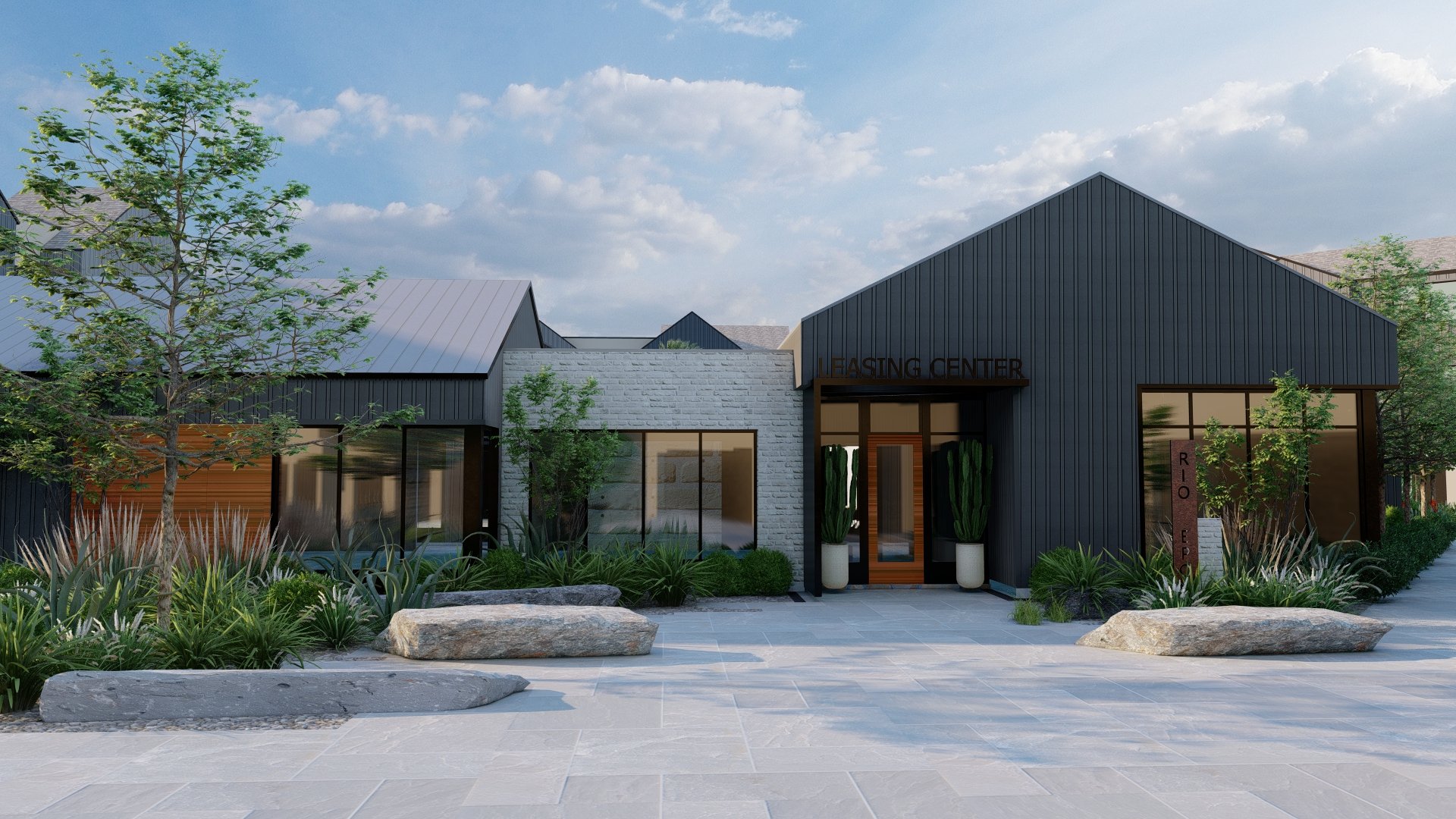
The beginning of 2023 welcomed the start of a magnificent project in the works in the Otay Mesa area of San Diego. Epoca Rio will be just one of a few multi-family housing projects going in just below the 905 freeway. The collaborative effort with ColRich, Dahlin Group as architect, and Project Design Consultants (PDC) has been a detailed and a well thought out process full of careful site design, amenity space coordination, and material selection. The site will contain about 25 structures ranging from townhomes, apartment flats, a club house and rec center, as well as maintenance quarters. Woven through all will be a series of outdoor amenity spaces ranging in size that will offer both passive and active experiences. Passive spaces will offer residents places to lounge in peace or read outside under the shade of oak trees. If a more active or social experience is desired, the pool deck and spa proposed off the clubhouse and rec center will provide lounge seating, overhead cabanas, and artificial turf space. Residents can also find plenty of BBQ grills and seating if they choose to cook or dine outside. With every outdoor kitchen area comes overhead shade and more turf space for games and activities. Additional proposed site amenities include a site for corn hole games; an open area for kids and pets to run around; residents to work remotely outdoors; and plenty of connection points to adjacent site amenities.

Although Epoca Rio is still in the planning and design phase, a lot of the site has been coordinated to reflect more of a modern farmhouse style of architecture. Dahlin Group has done a great job of making this multi-family project feel very much like a home for residents to be excited about. McCullough has taken Dahlin Group’s architectural direction and translated it into the landscape through overhead pergola design, space design and layout, hardscape material selection; and of course, plant material selection.

I chose this project as my pick for Best of 2023 because I am very excited to watch this project unfold over the next year and hope to see this break ground in 2025. There is a lot left to coordinate, but the whole team remains positive and excited to keep this moving forward.
Read more about Adam →


aaaDJI_0533.jpg
aaaDSC08113.jpg
aaaDSC08106.jpg
aaaDSC08114.jpg
aaaDSC08122.jpg
aaaDJI_0554.jpg

Westfield UTC - Pirch & Haidilao Area | San Diego, CA

Matthew Belanger, ASLA
Associate

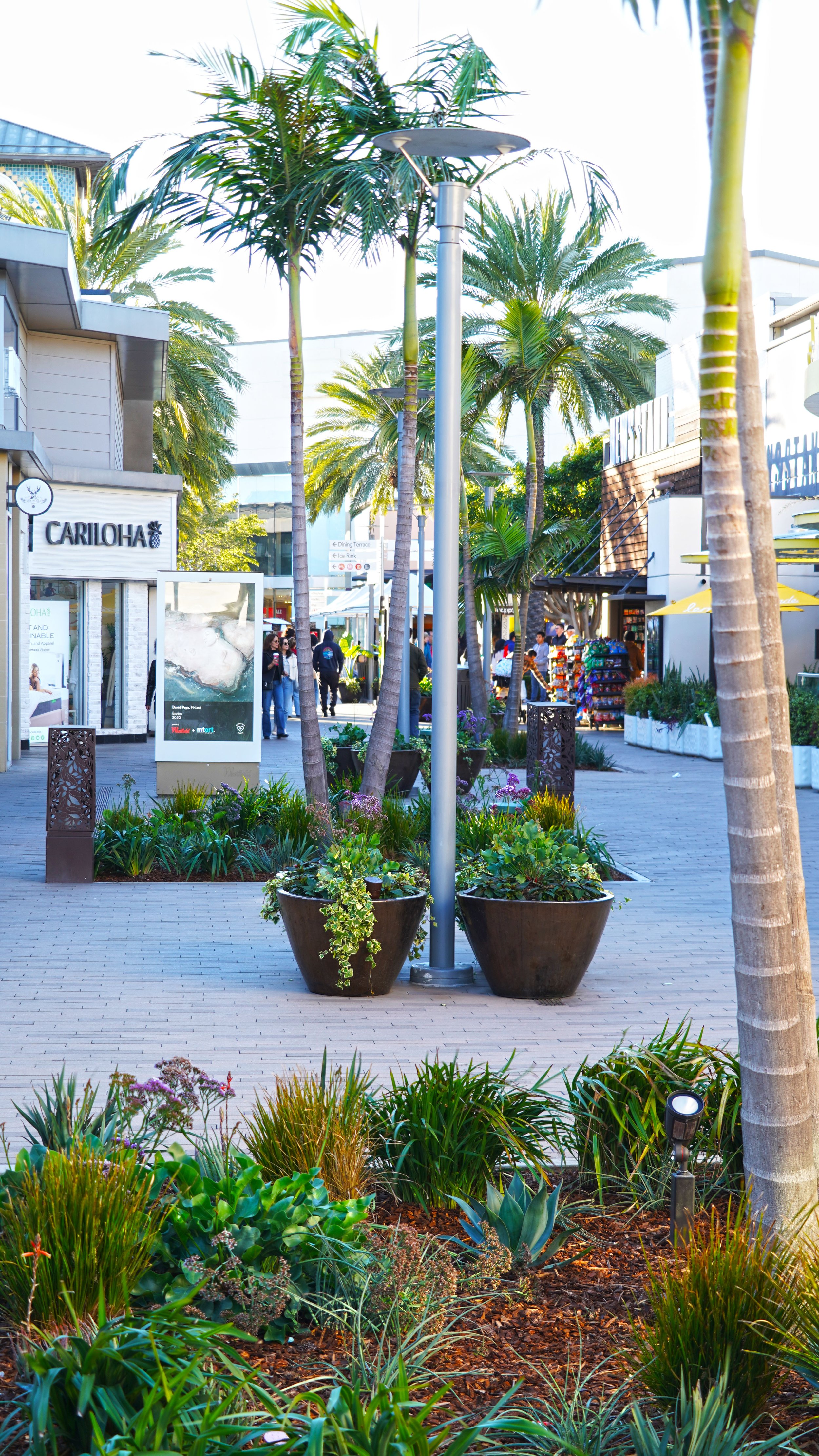
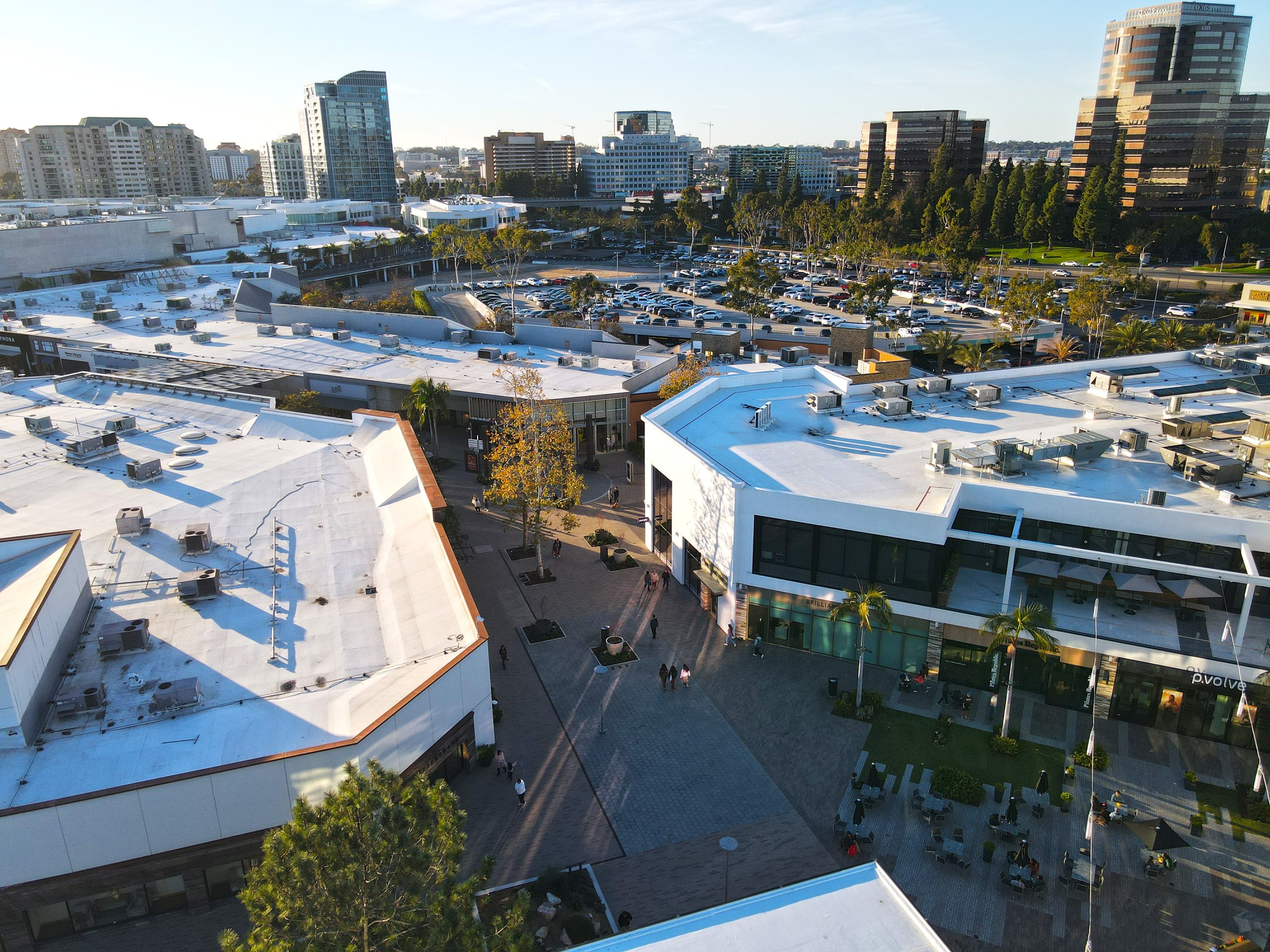
As a prominent super-regional center in Unibail Rodamco Westfield’s (URW) portfolio, Westfield UTC has long been a go-to for residents of San Diego to find new fashion trends and to enjoy the company of others, while also being inspired and comfortable in a place that does not cut corners on form and functionality. Even though tenants and shops may change the look and feel of UTC, the center needs to be updated to keep San Diegans frequenting for generations to come.

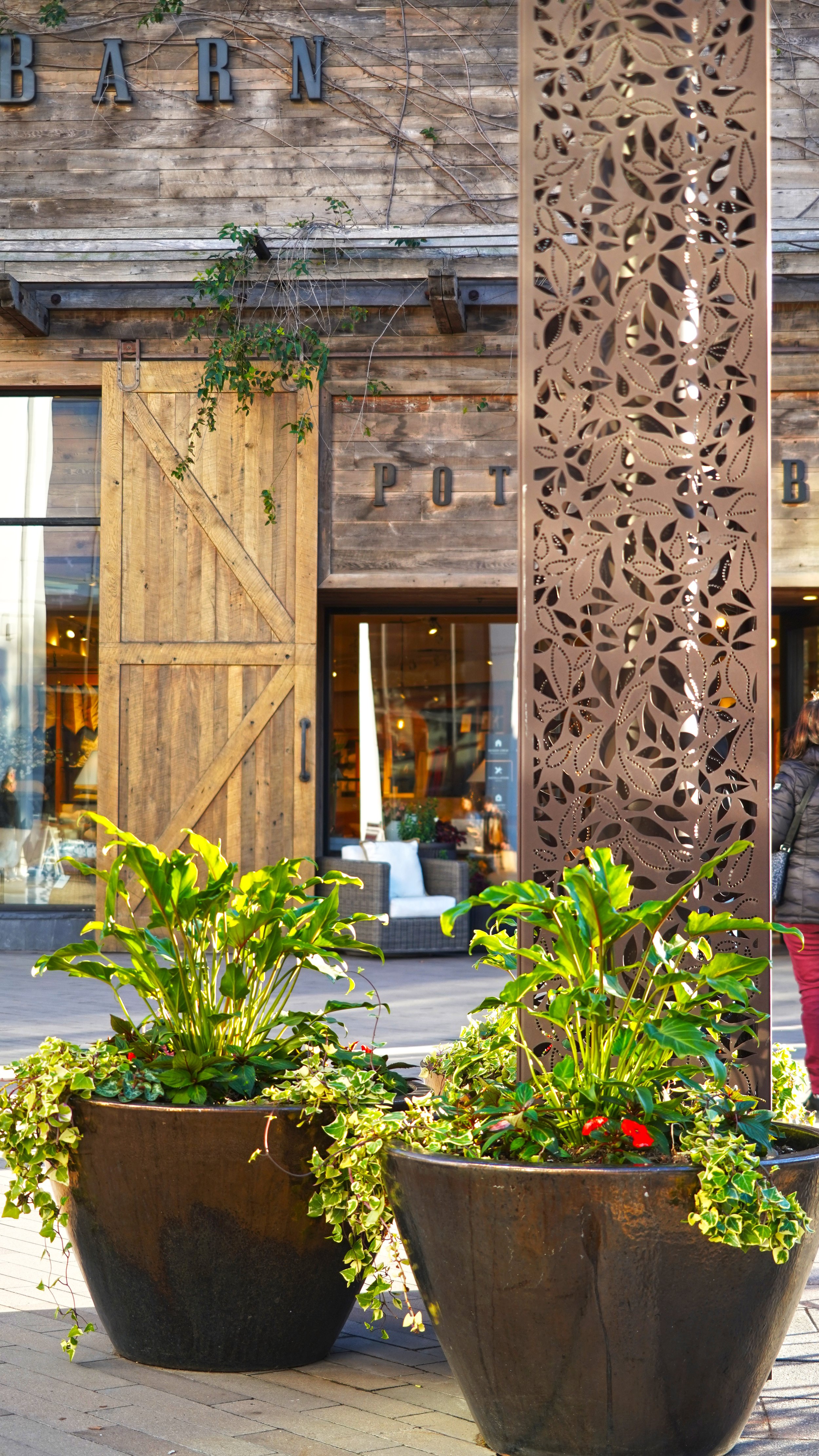
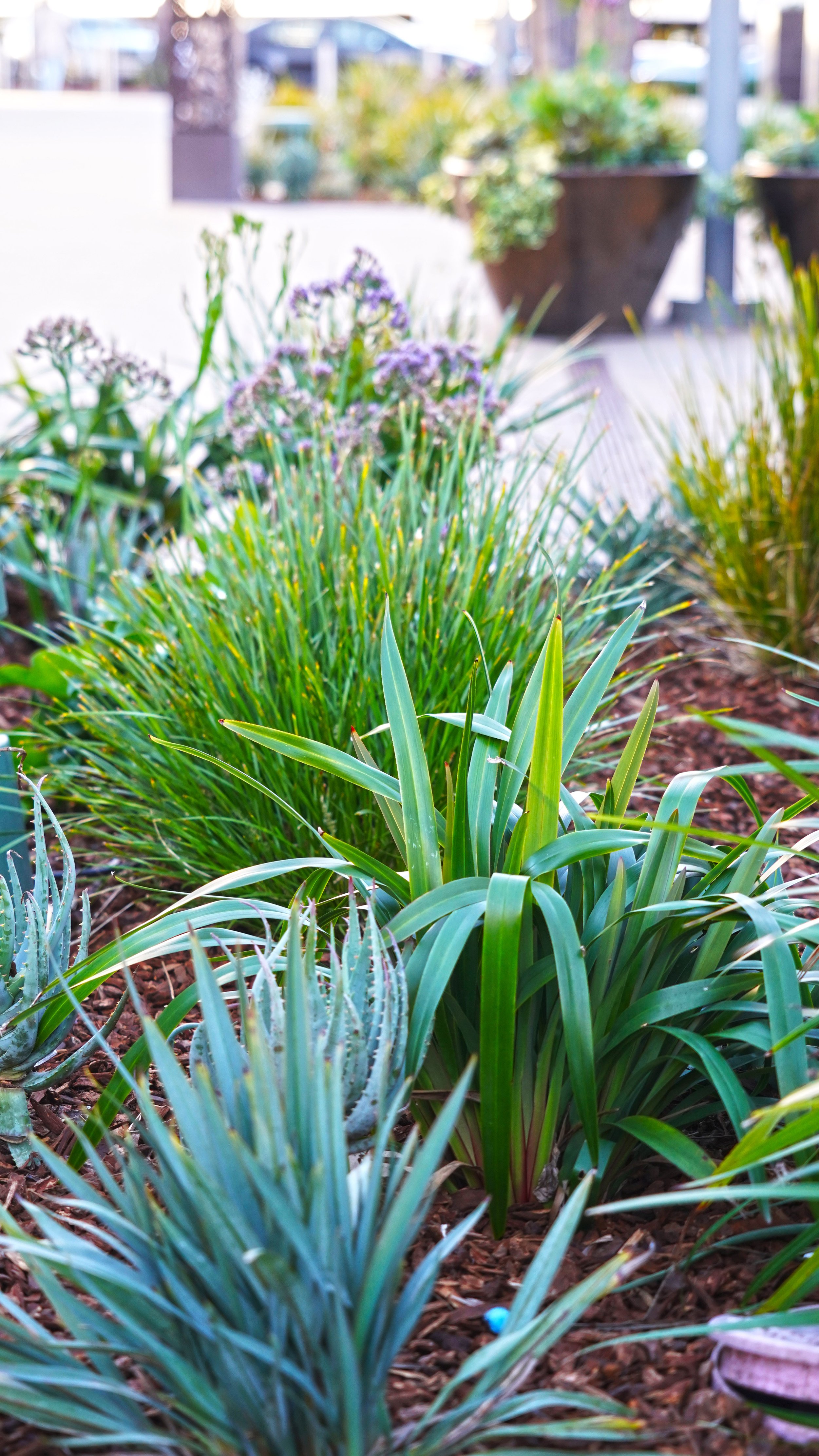
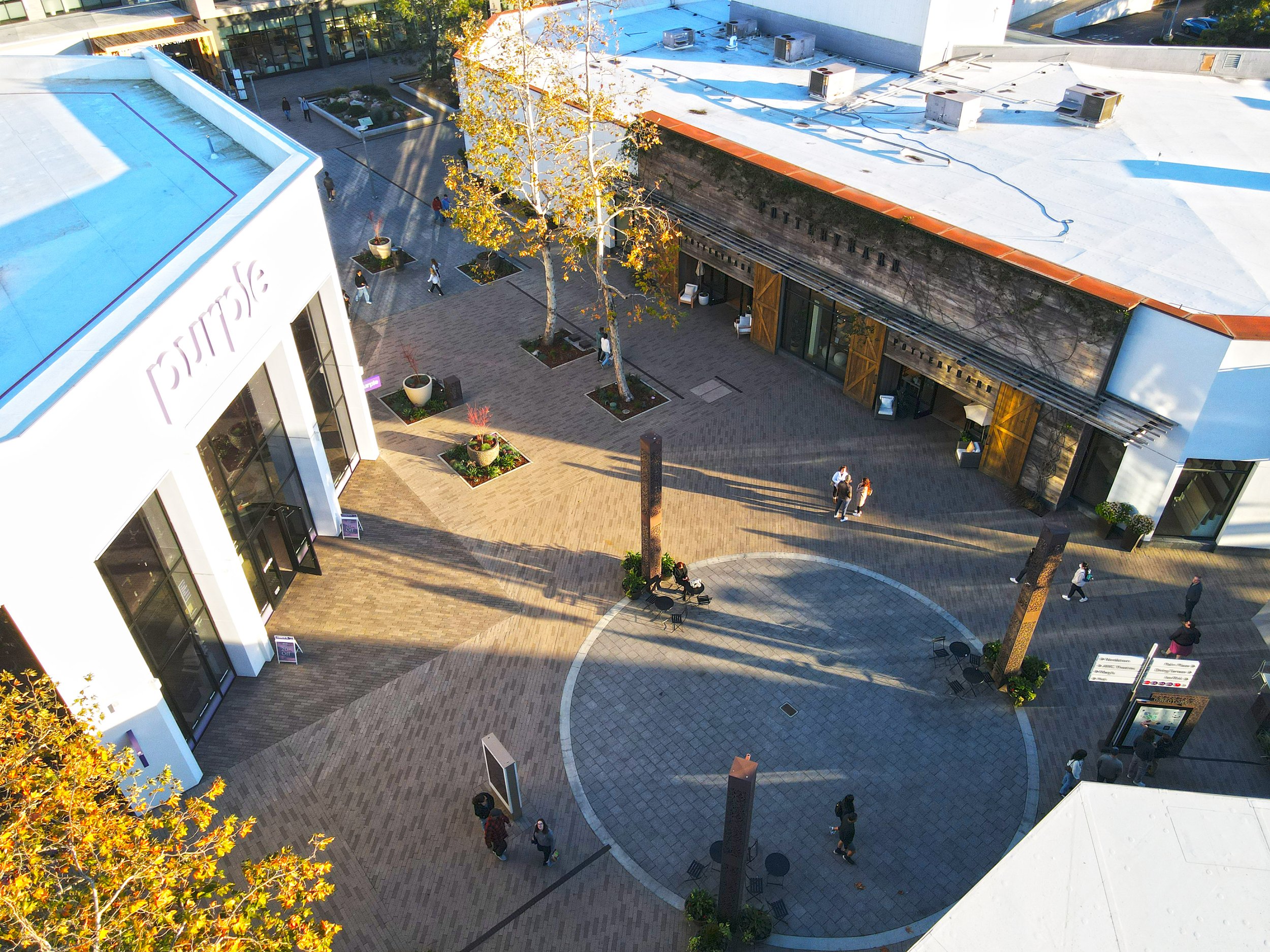
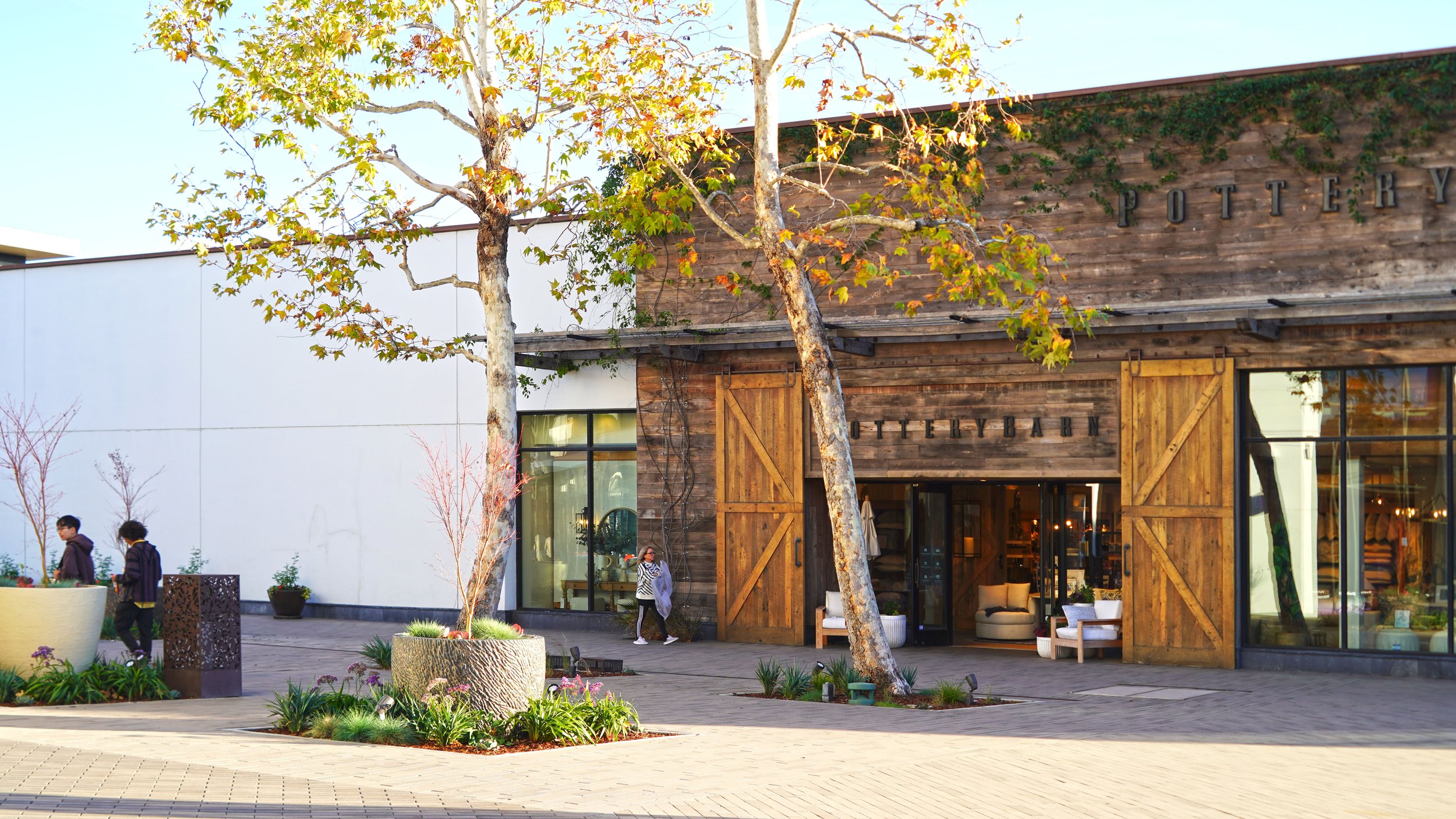
To uphold this look and feel became a welcomed challenge as tenants Pirch, Purple, Pottery Barn, and Lemonade had concerns about the trees and plant material surrounding their different locations at both sides of the mall. As most centers built in the 70s-era experience, trees mature and eventually grow to a point where retail signage can become blocked. Hence, the challenge was to find tree replacements that would allow for clear viewpoints of store fronts and signage. This was done by planting dwarf tree species, as well as proposing species that placed in large pots would remain dwarf in size. Species such as the Winter Flame Japanese Maple, and Maverick Honey Mesquite, would prove to be ideal trees. 

In addition, for a subsequent project phase we developed a concept for a new rebar art trellis allowing for vine growth to climb up and through the structure. This will provide shade and a welcomed art piece to this large traffic area. Designed with the intent of the surrounding area, these rebar structures are similar to those found at the Getty Museum. We drew inspiration from different types of pottery to find a design that would resemble a vase-like structure with vines spilling from the top. With the area between Pottery Barn and Purple already sparse, we felt minimizing plant material and shade would hurt the overall feel of the space. It was essential to bring in plant life and ideas to make it special for decades to come.

My relationship with Mitchell McKee and the folks with URW has been great and a big reason for why I chose this project for the Best of 2023. It’s inspiring to work with someone who lets you drive the designs, and yet offers straight forward answers and feedback when needed. I look forward to working on more projects at Westfield UTC.
Read more about Matt→


back axo.png
central courtyard 1.png
courtyard section.png
Dauphin St Corner.png
front elevation.png
garage.png
plan.png

Redcar Properties - Washington Blvd. | Los Angeles, CA

Kira Becker, ASLA
Associate, Los Angeles Office

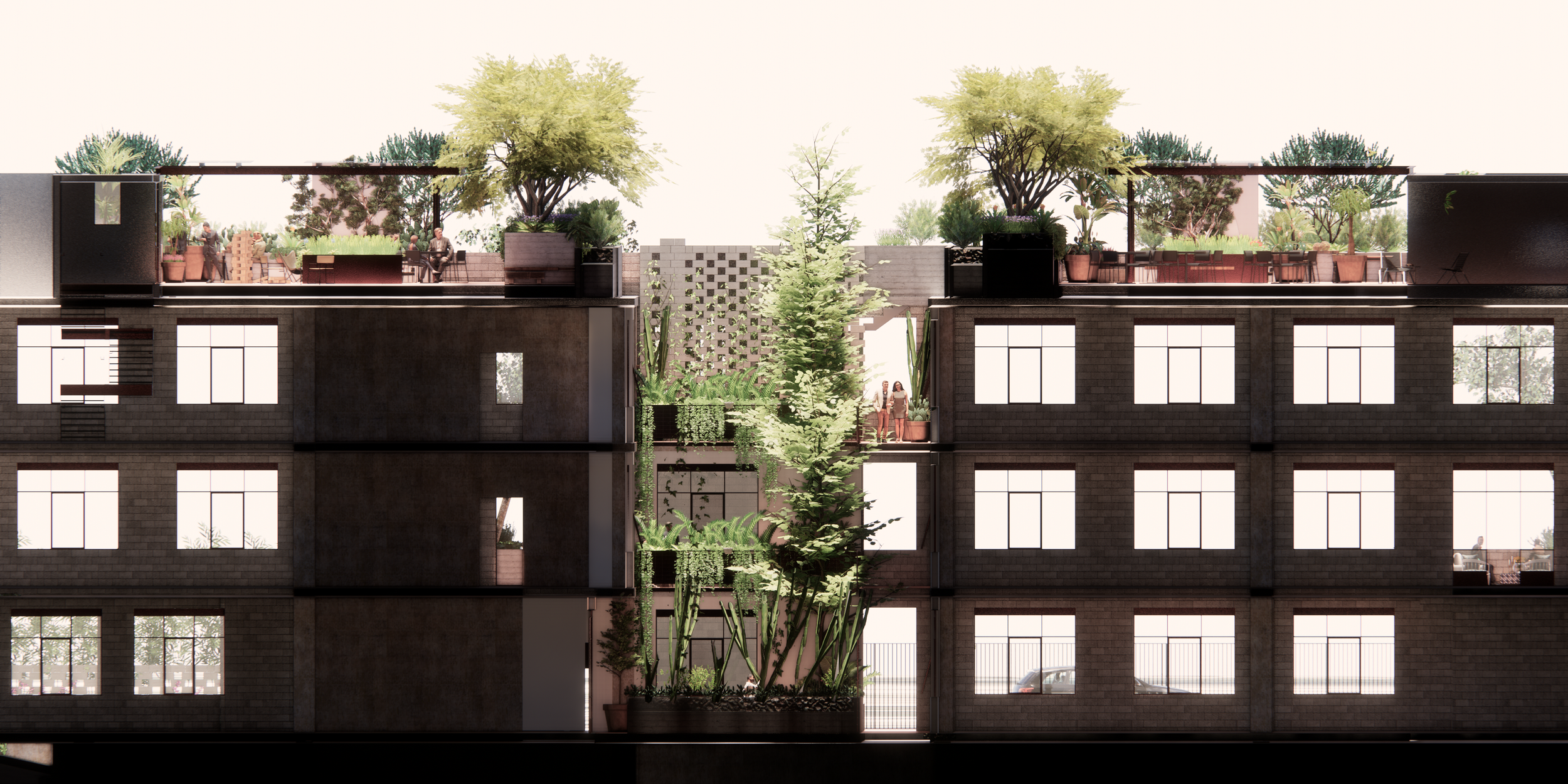
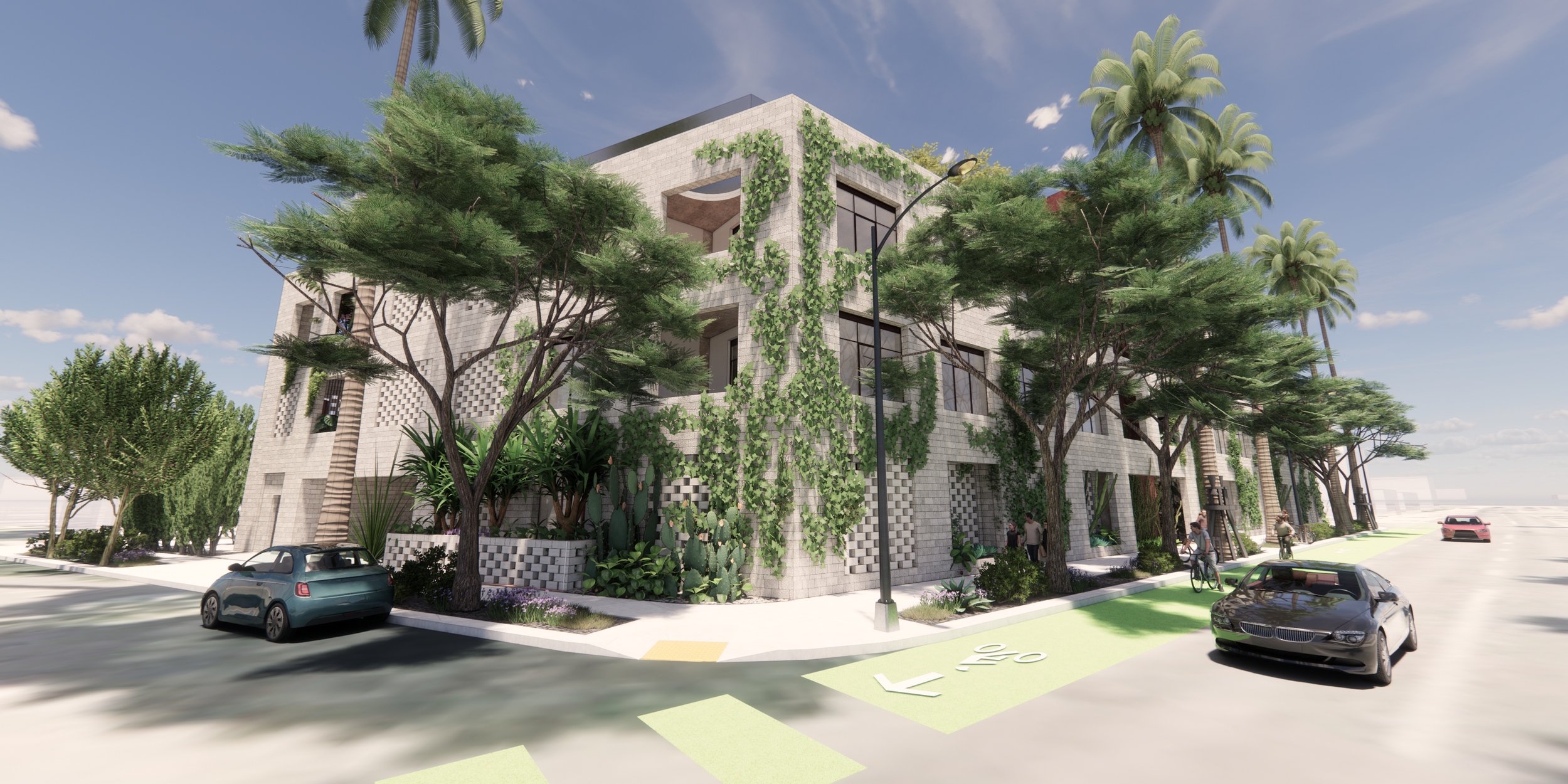
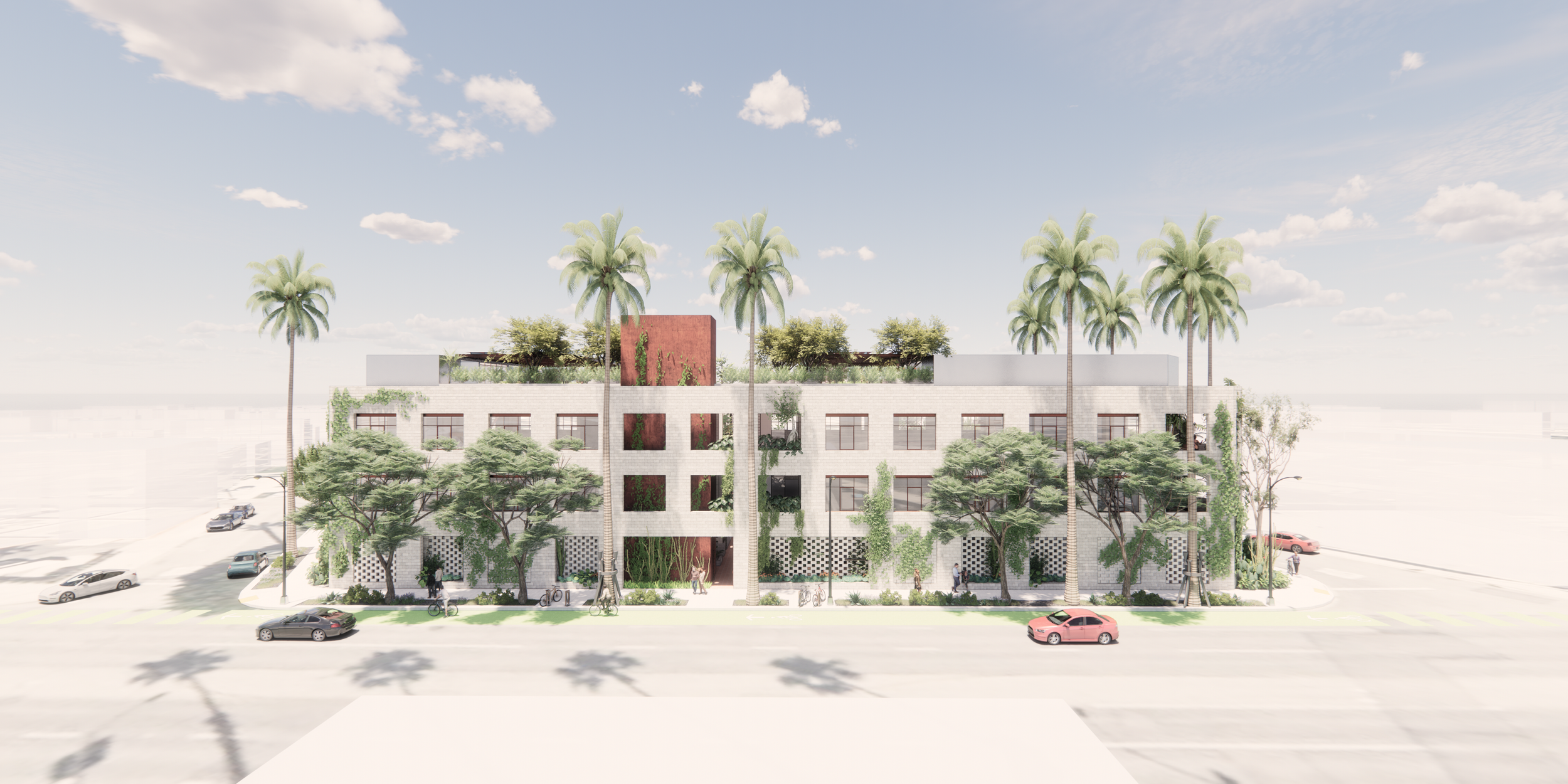
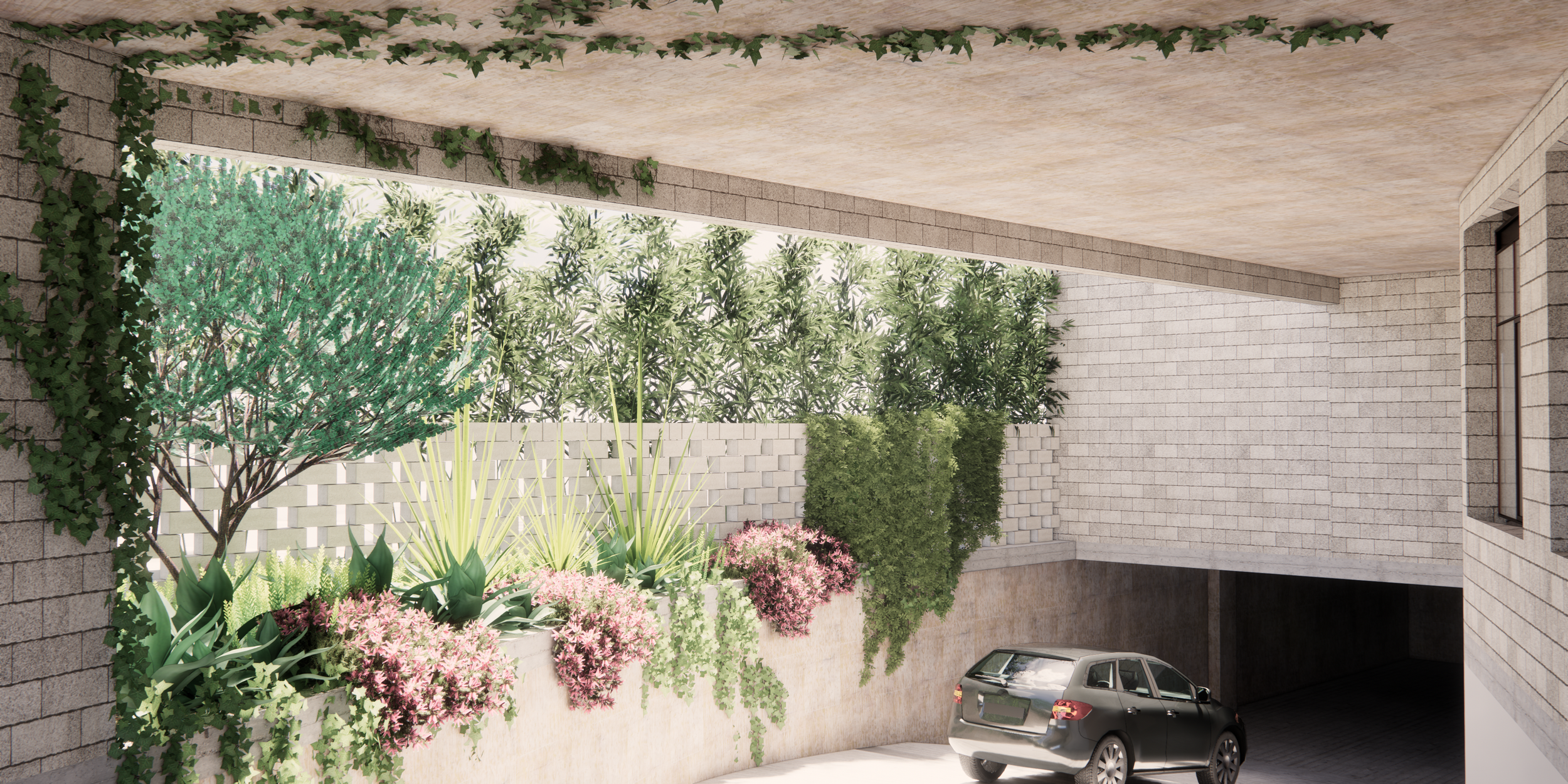
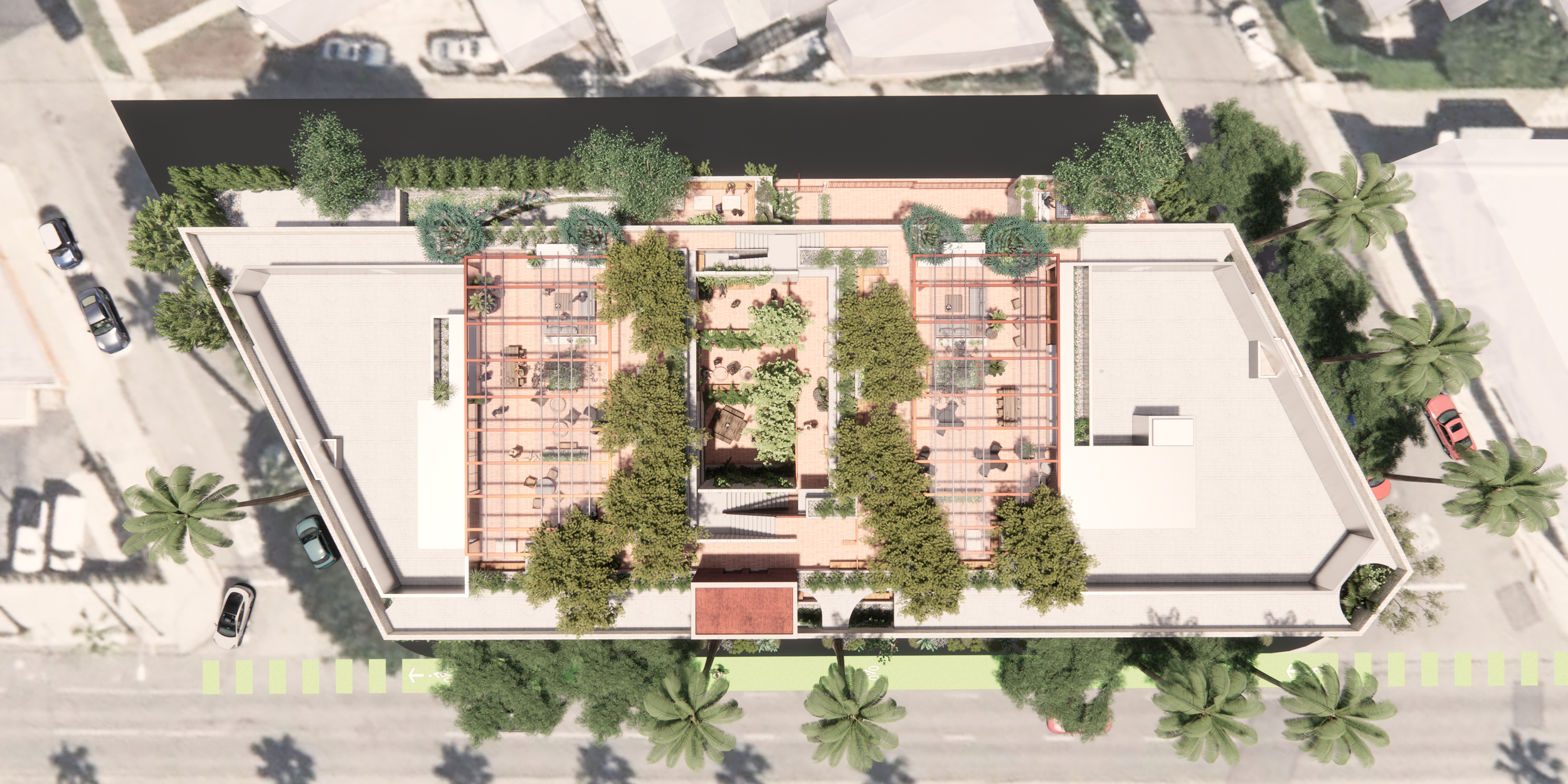
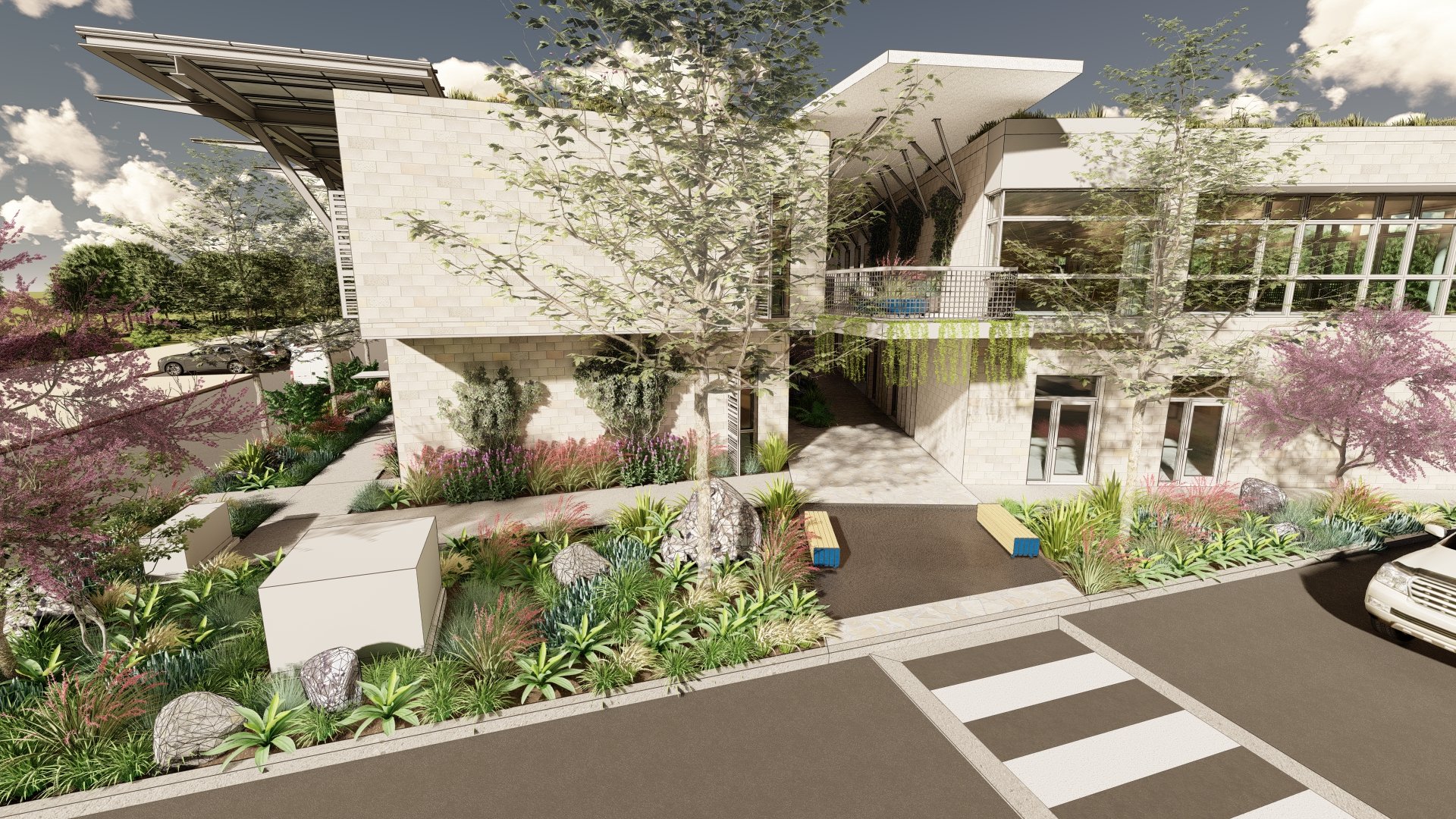
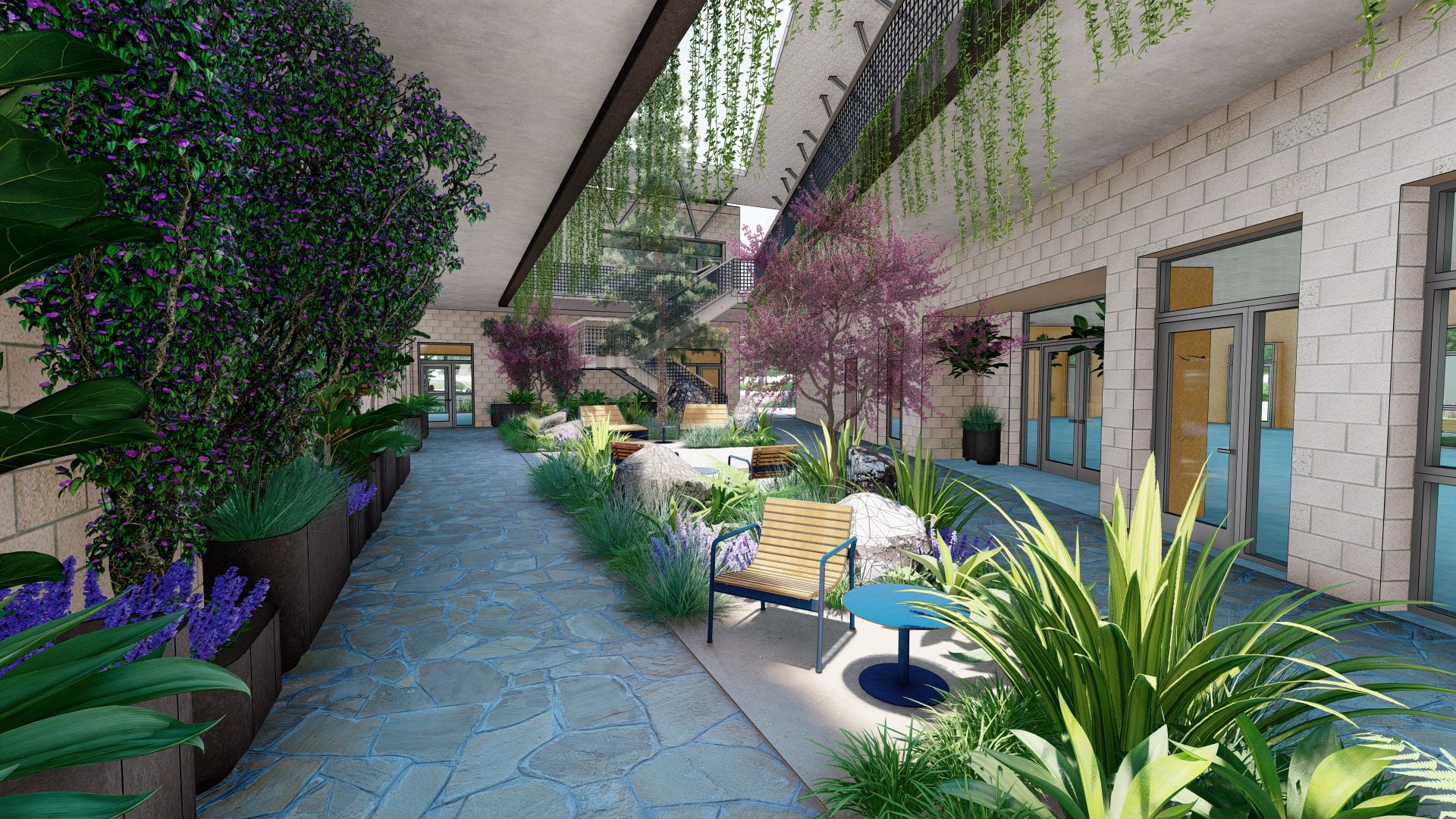
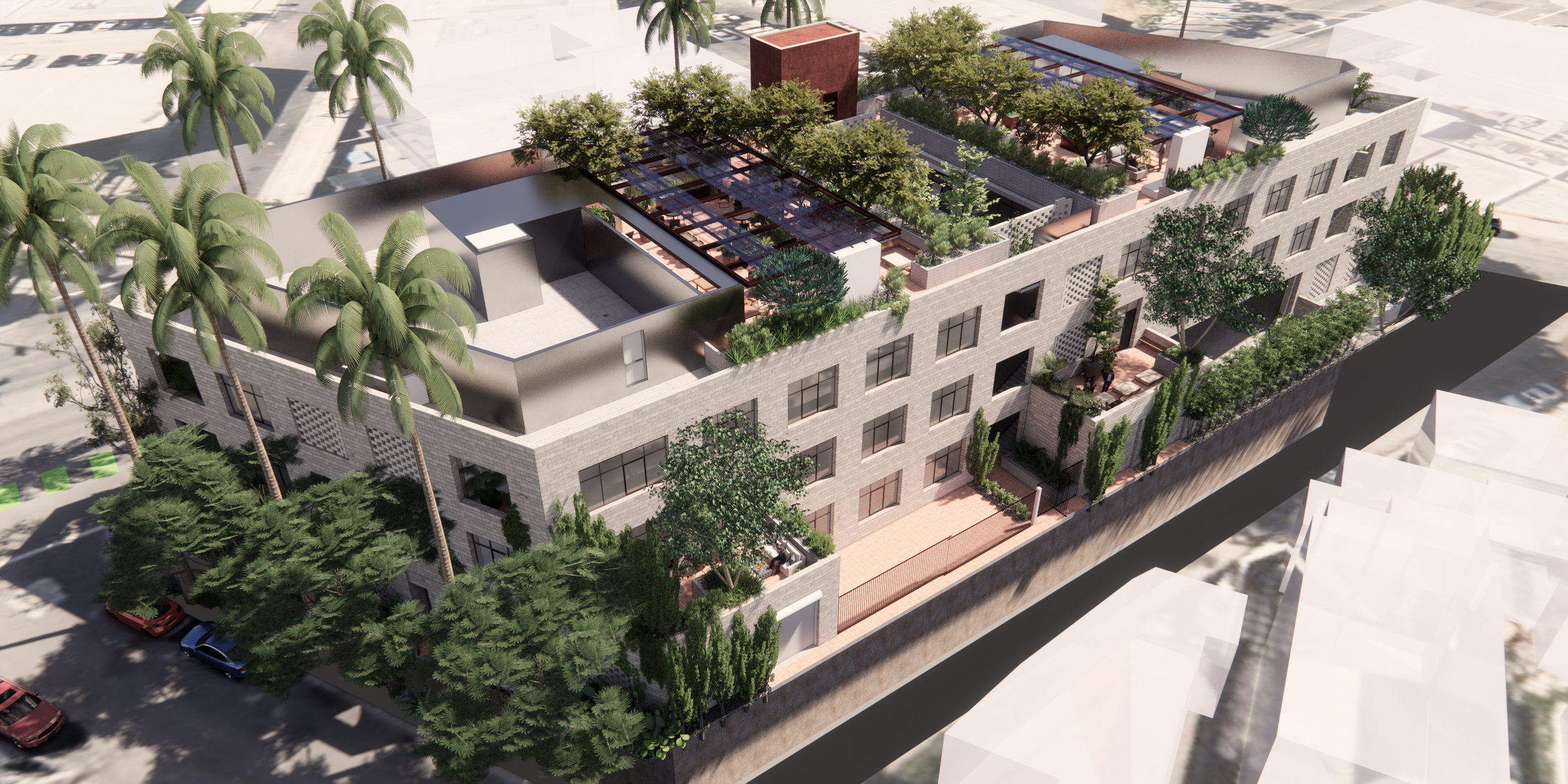
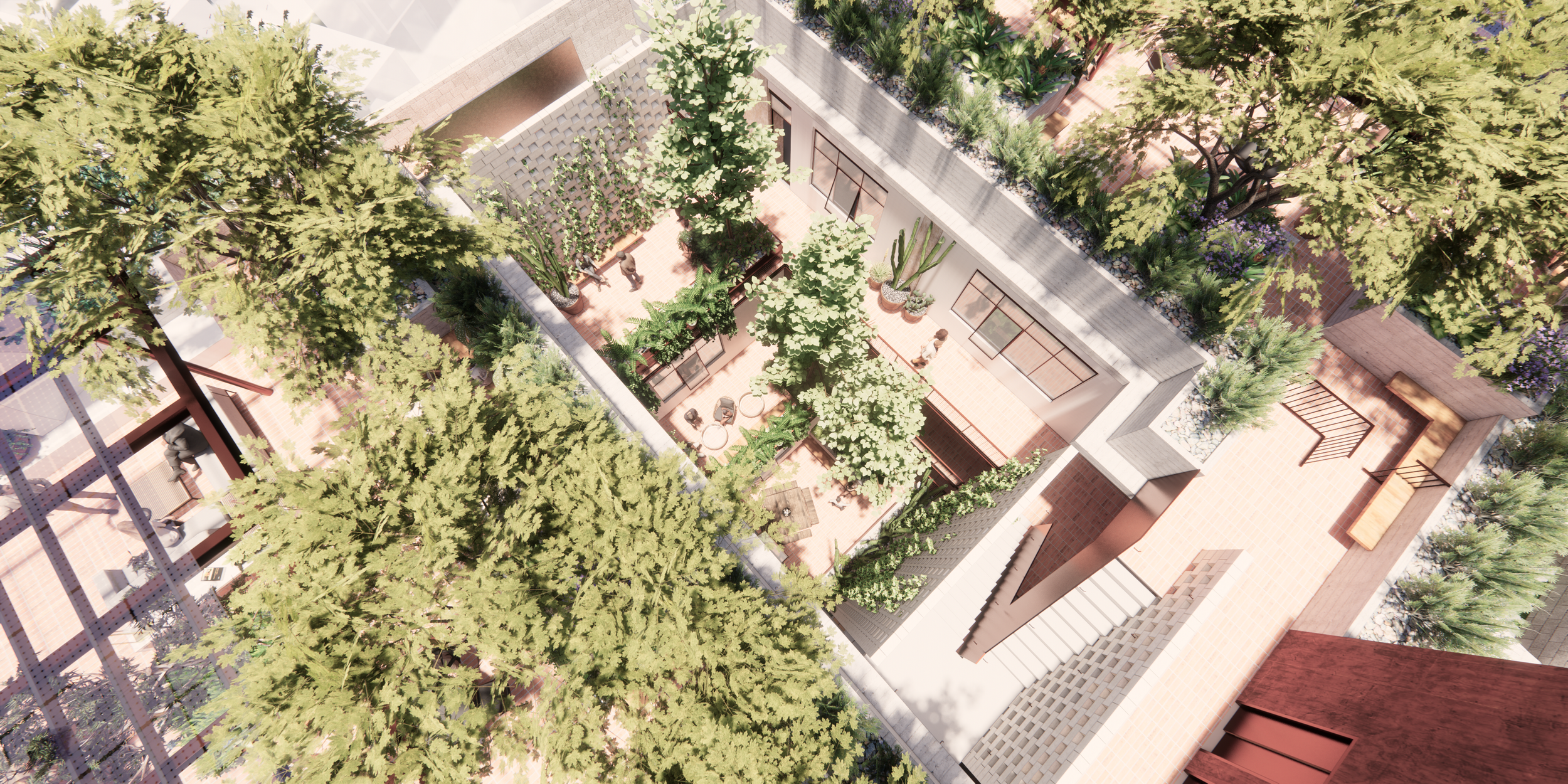
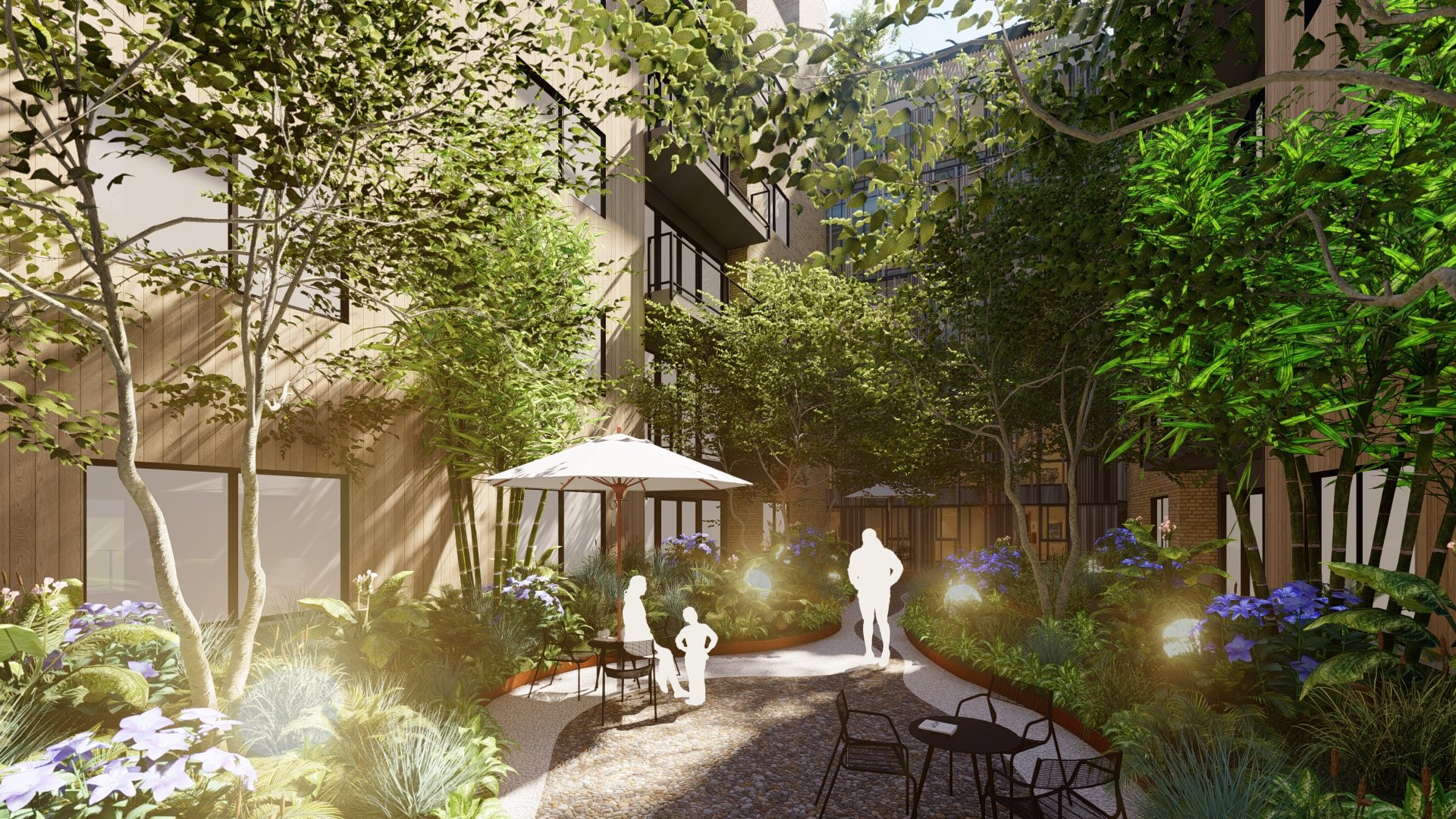
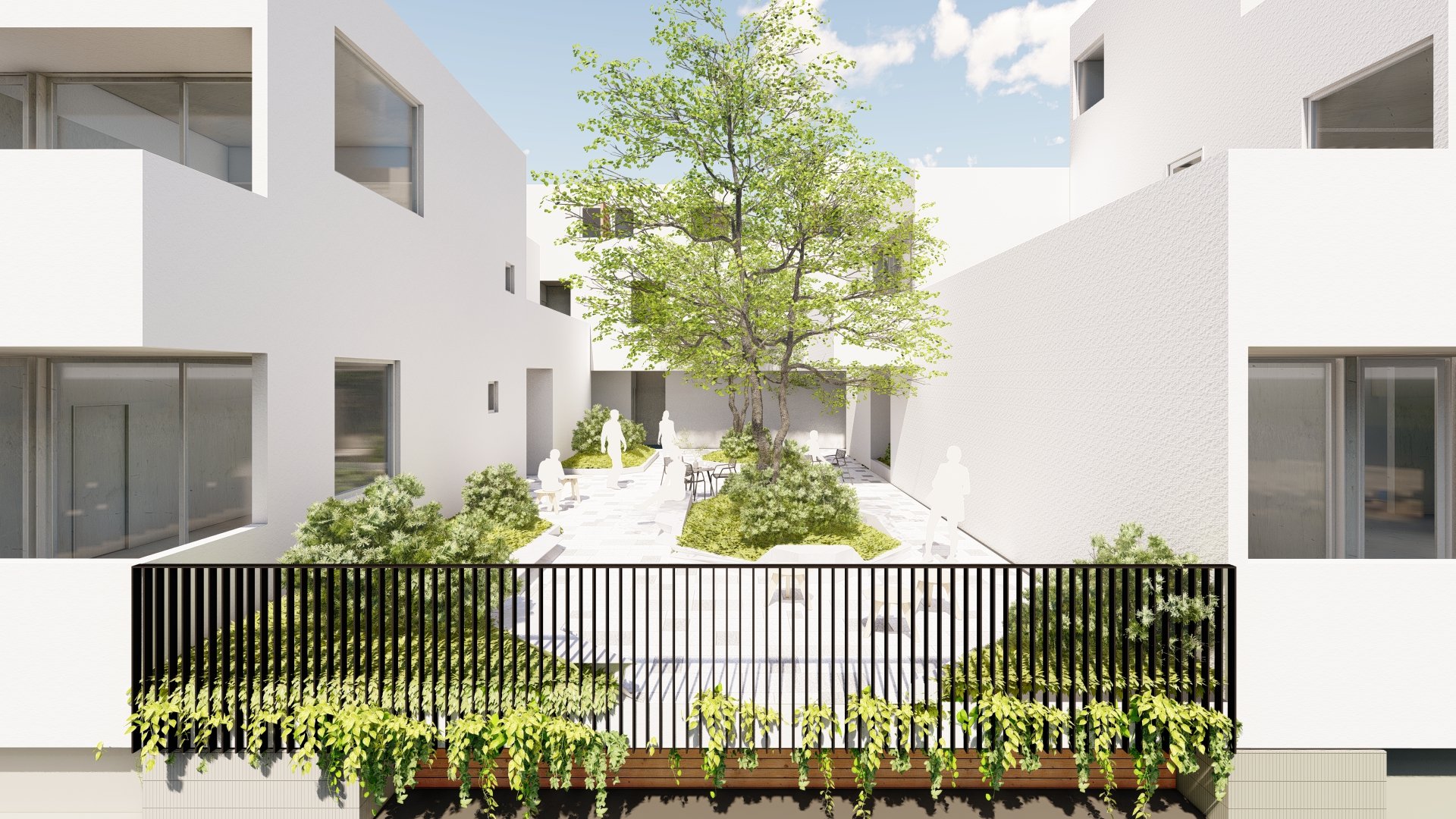
In the early months of 2023, McCullough began working with HGA Architects and Redcar Properties on a groundbreaking project in Culver City. This three-story mixed-use office building, uniquely shaped as a parallelogram, seamlessly merges the built environment with nature, creating a green oasis contained within the structure.

The essence of the design revolves around weaving outdoor garden spaces into the very fabric of the building. Balconies, internal courtyards, and a rooftop garden punctuate the structure, providing occupants with a natural view at every turn. Drawing inspiration from the architectural wonders of Mexico City, the exterior of the building embraces the use of Concrete Masonry Unit (CMU) block, introducing an interplay of textures that evolve as one moves across the structure. The strategic placement of solid CMU walls with subtle gaps allows natural light to filter through, casting an ever-changing play of shadows within the interior spaces. The incorporation of planters into the facade not only softens the harshness of concrete but also provides pockets of relief.

Working closely with HGA and Redcar, the selection of plant material like climbing vines and trees that gracefully grow through the inner courtyard, has been meticulously curated to give the impression that the landscape has organically integrated with the building over time. This project transcends traditional boundaries and redefines the essence of the workplace through offering a dynamic and immersive experience where the built environment and natural elements coalesce.

I chose this as my Best of 2023 project because I feel fortunate to work with such visionary collaborators that challenge us to bring our most creative design ideas to the table. We look forward to working on many more groundbreaking projects with this team in 2024 and beyond!
Read more about Kira→


A_4 - Photo B.jpg
A_5 - Photo.jpg
A_8 - Photo.jpg
B_12 - Photo.jpg
A_1 - Photo.jpg

San Diego Community College District Educational Cultural Complex | San Diego, CA

Sophia Rumpf, ASLA
Junior Associate

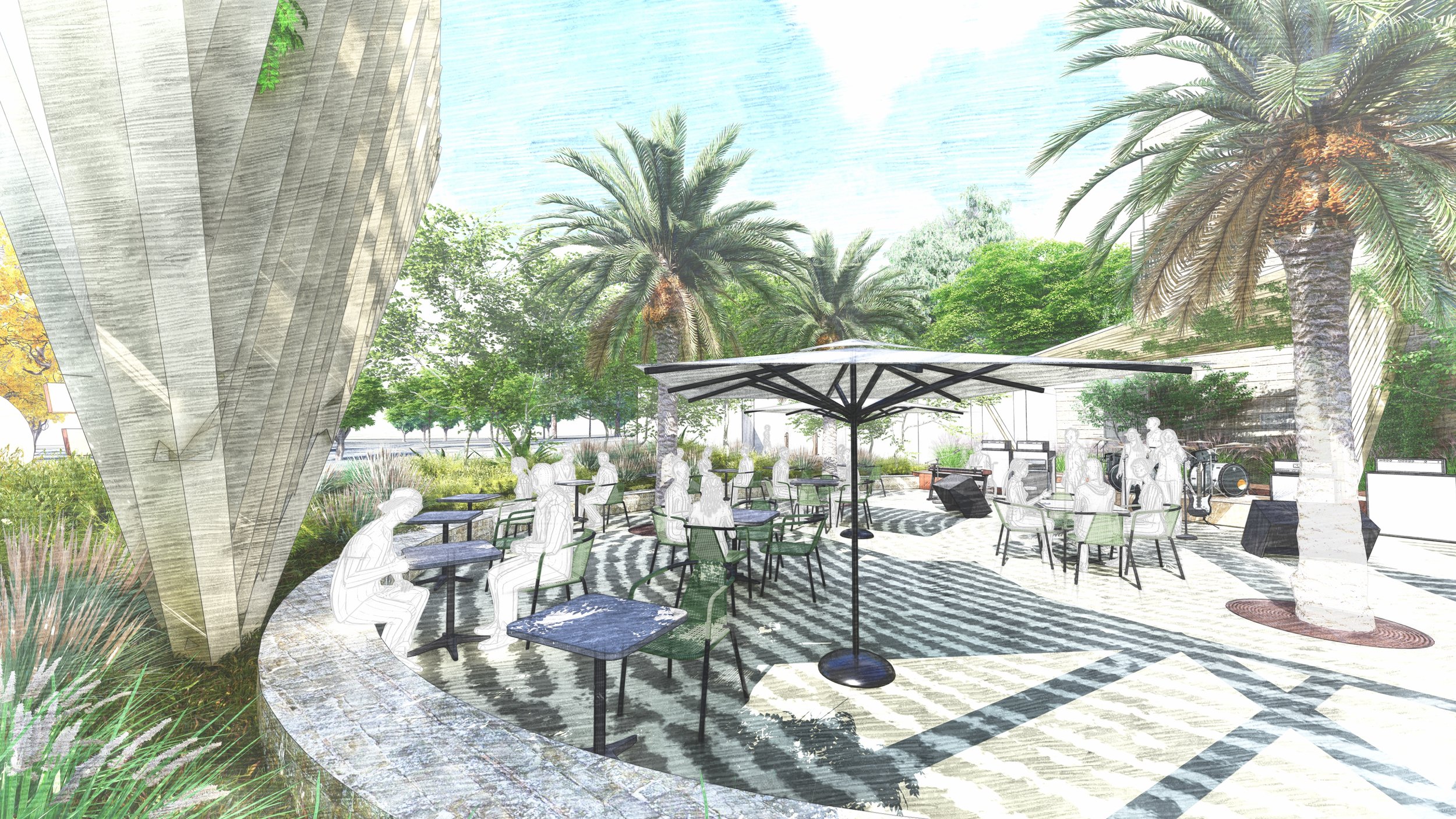
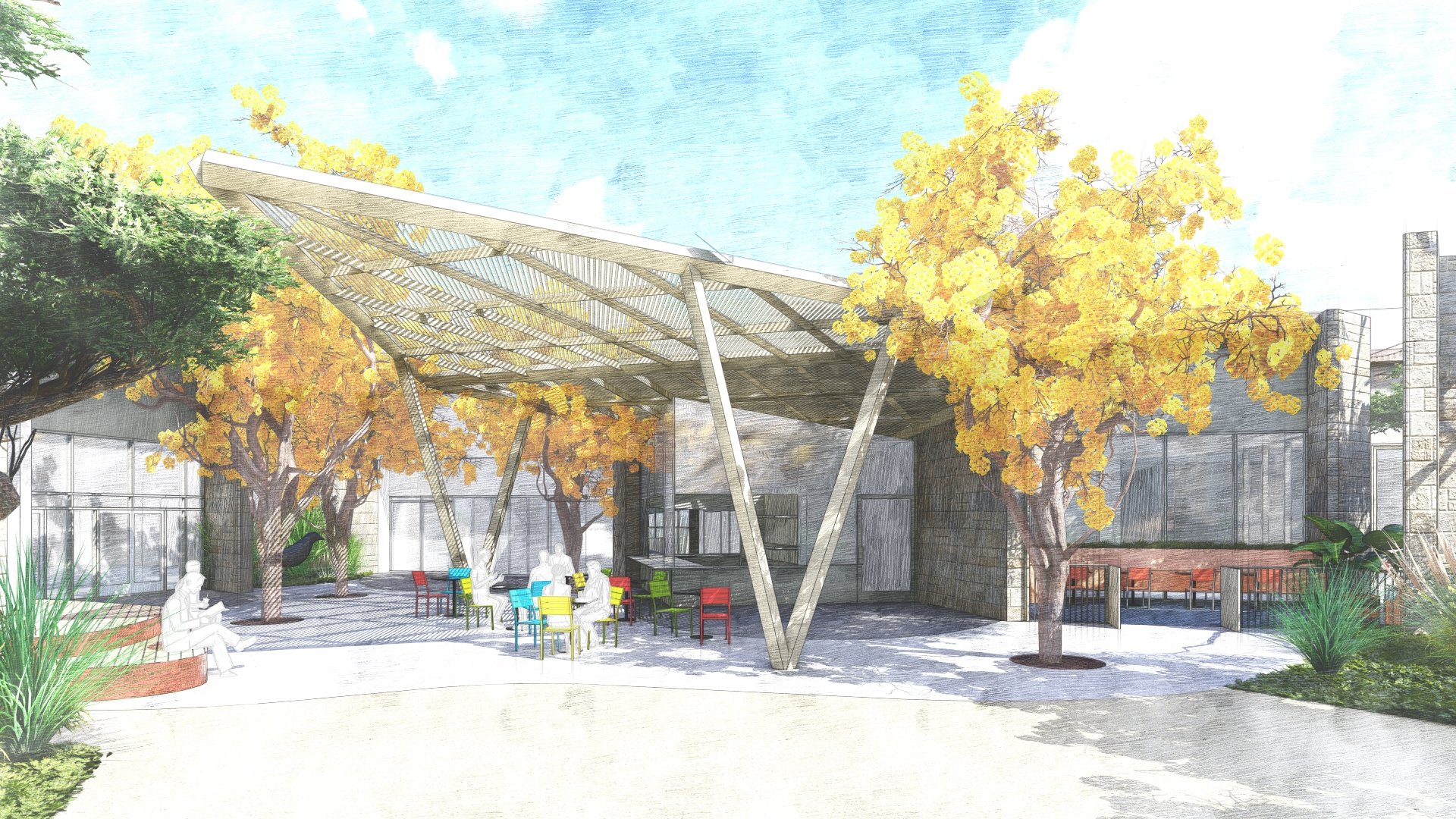
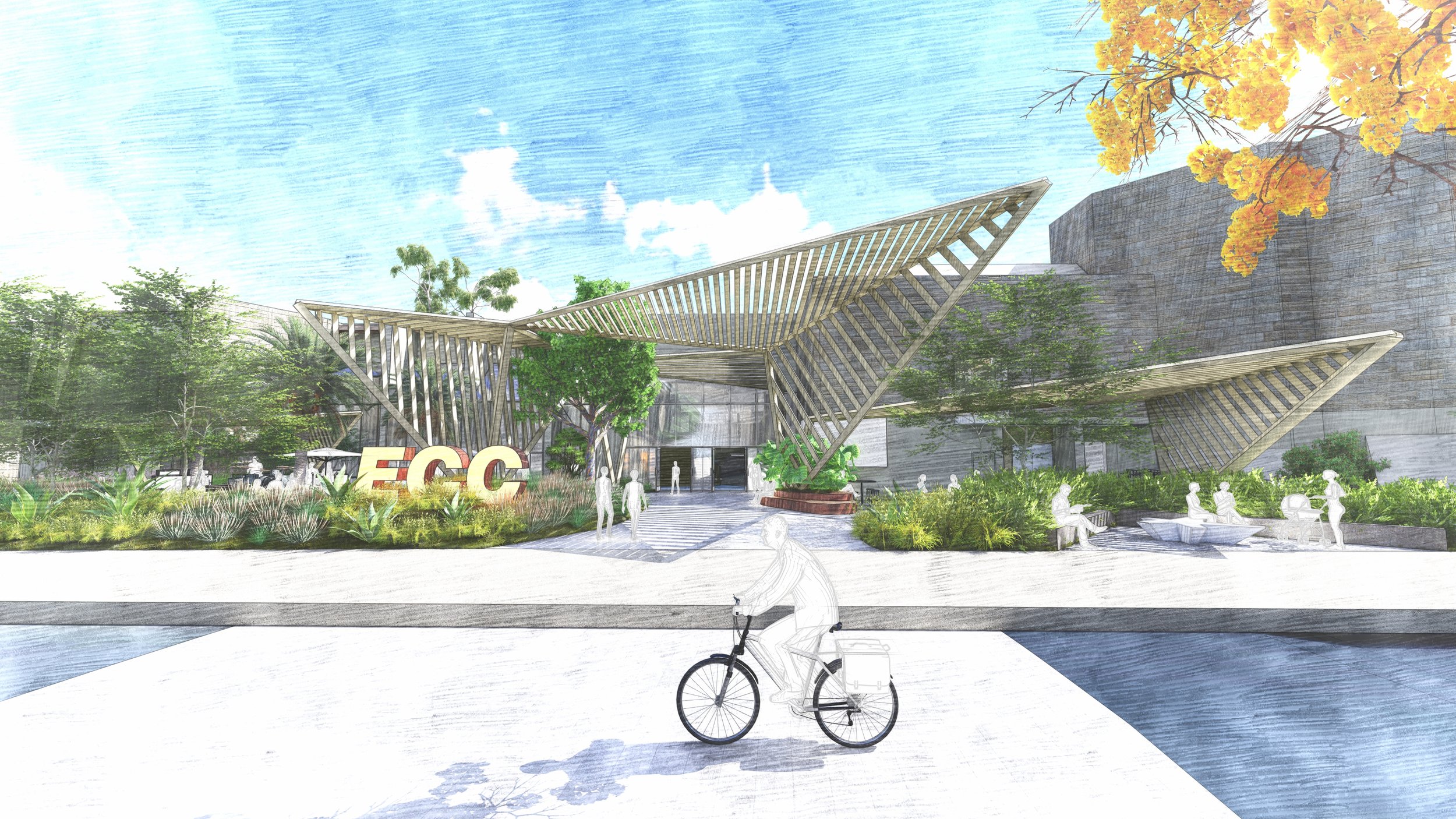
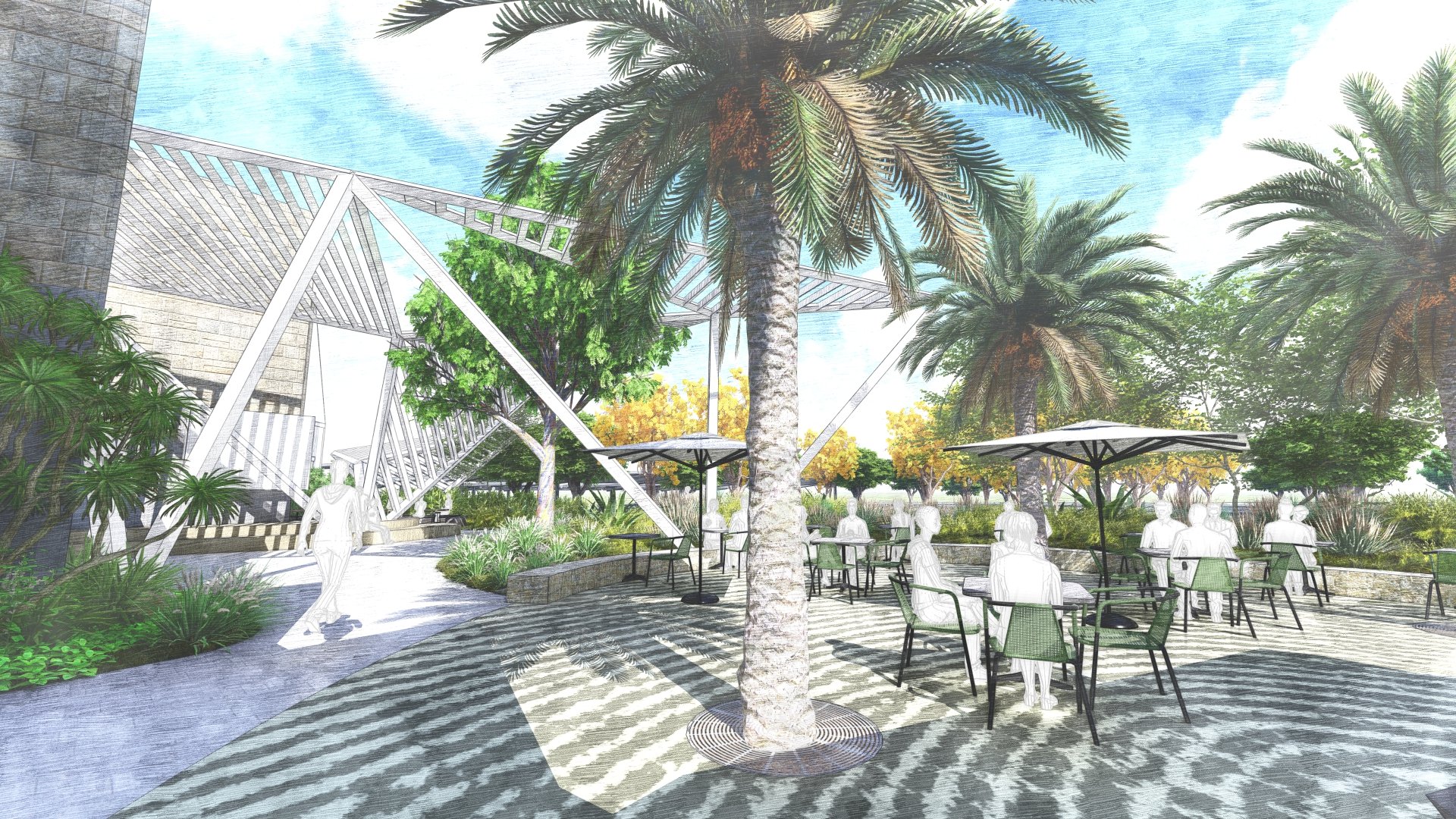
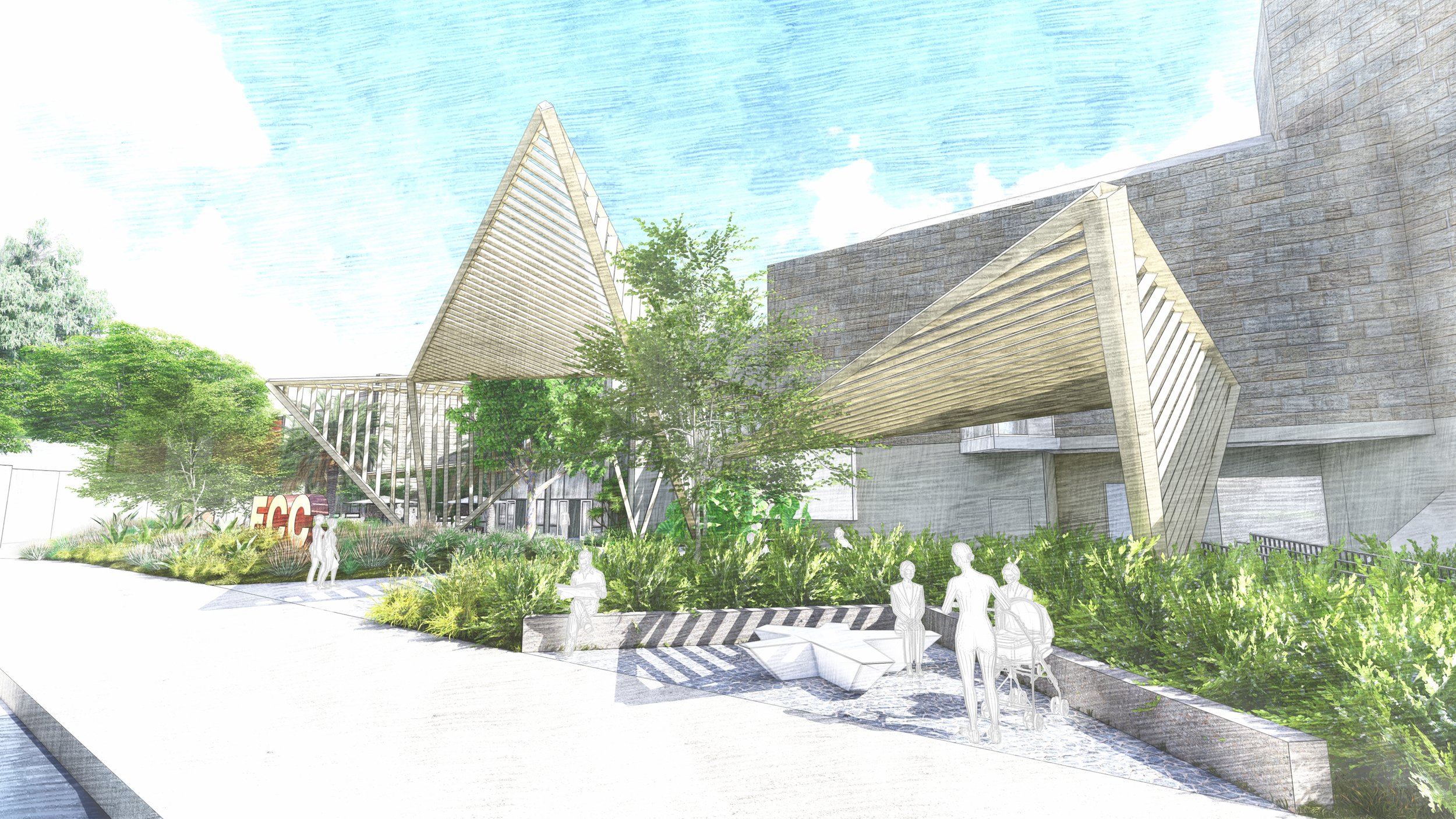
The Educational Cultural Complex (ECC) is a proud home to San Diego Community College District’s (SDCCD) Continuing Education program as well as a historic performing arts theater. It is located in Mountain View, a neighborhood approximately five miles southeast of downtown San Diego. The ECC provides educational and entertainment services and opportunity to historically disadvantaged communities and is celebrated for its ties to the American Civil Rights movement.

It is the place where Coretta Scott King brought to fruition the National Recognition of Martin Luther King, Jr. Day in 1985 and has since become the launch site for the City’s Annual Martin Luther King Jr. Parade. The ECC is known today as a hub for art, learning, and activism.

Given its cultural and historical significance to our San Diego community, I chose this architectural and landscape renovation as my Best of 2023 project because it has proven to be an exciting opportunity to design with the utmost intention and care. Our collaborative efforts with architects HGA and civil engineers KPFF have pushed us to find creative ways to pay homage to the past while providing for the needs of the present day and future. Careful material selection and spatial programming drew inspiration from precedent studies on historic and commemorative design and symbolism. Though it’s only in early phases and much is yet to come, we eagerly anticipate seeing how our vision will evolve and eventually come to life!

Coretta Scott King 1985

Educational Cultural Complex 1980
Read more about Sophia→


Courtyard option2.jpg
Courtyard option2-2.jpg
Plan.jpg
podium option2 - movie.jpg
podium option2 - street.jpg
podium option2 - sunset.jpg

Opportunity road | San Diego, CA

Jiayao Tang, ASLA
Junior Associate

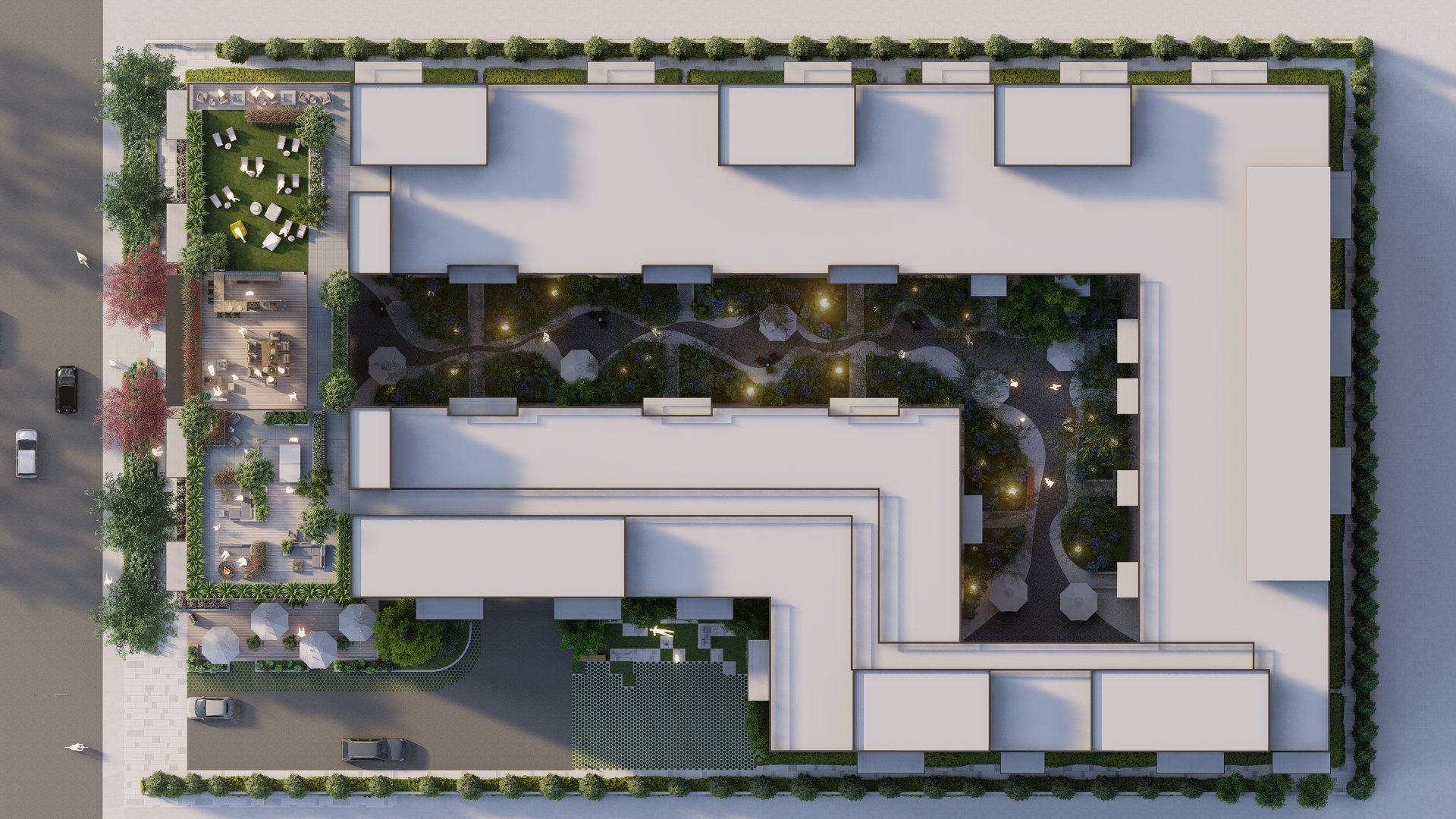
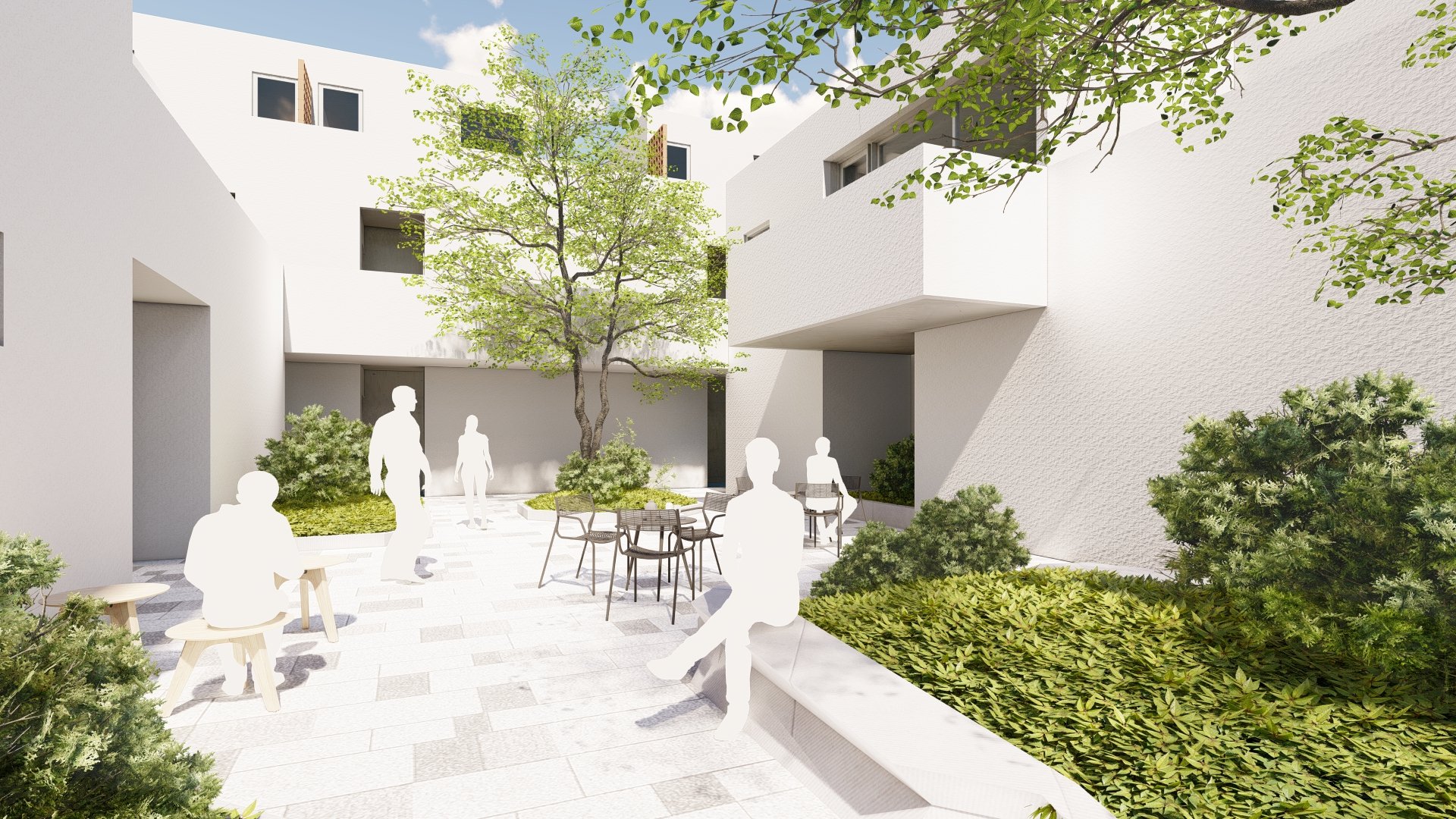
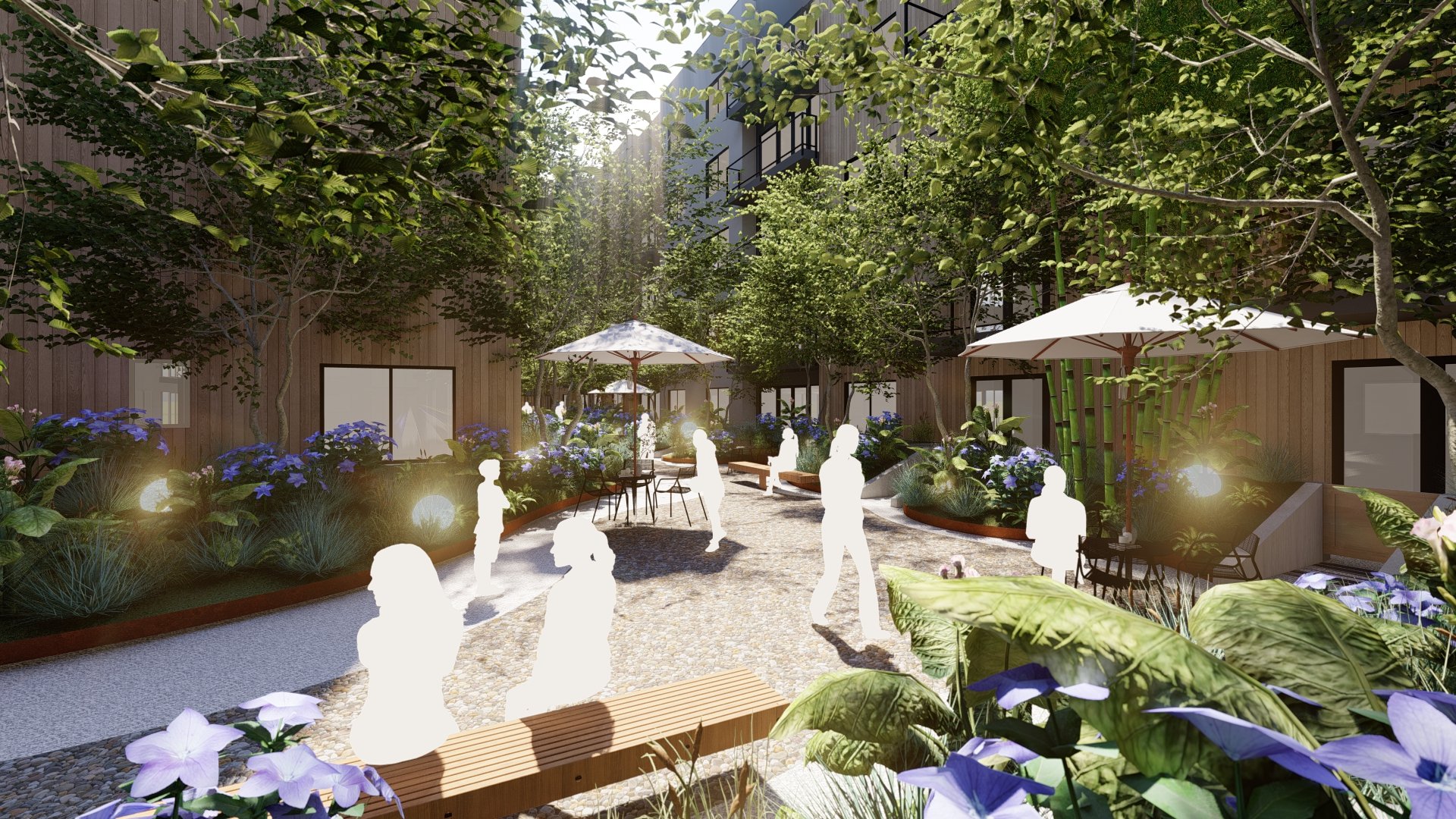
In the vibrant Convoy area of San Diego, our new collaboration with Pacifica Companies and Coastal Form Architects celebrates the locale's rich cultural diversity and Asian culinary heritage. This mixed-use project seamlessly integrates retail, living spaces, and community areas, creating a 'happy valley' where culture, convenience, and community unite.

Street Level:

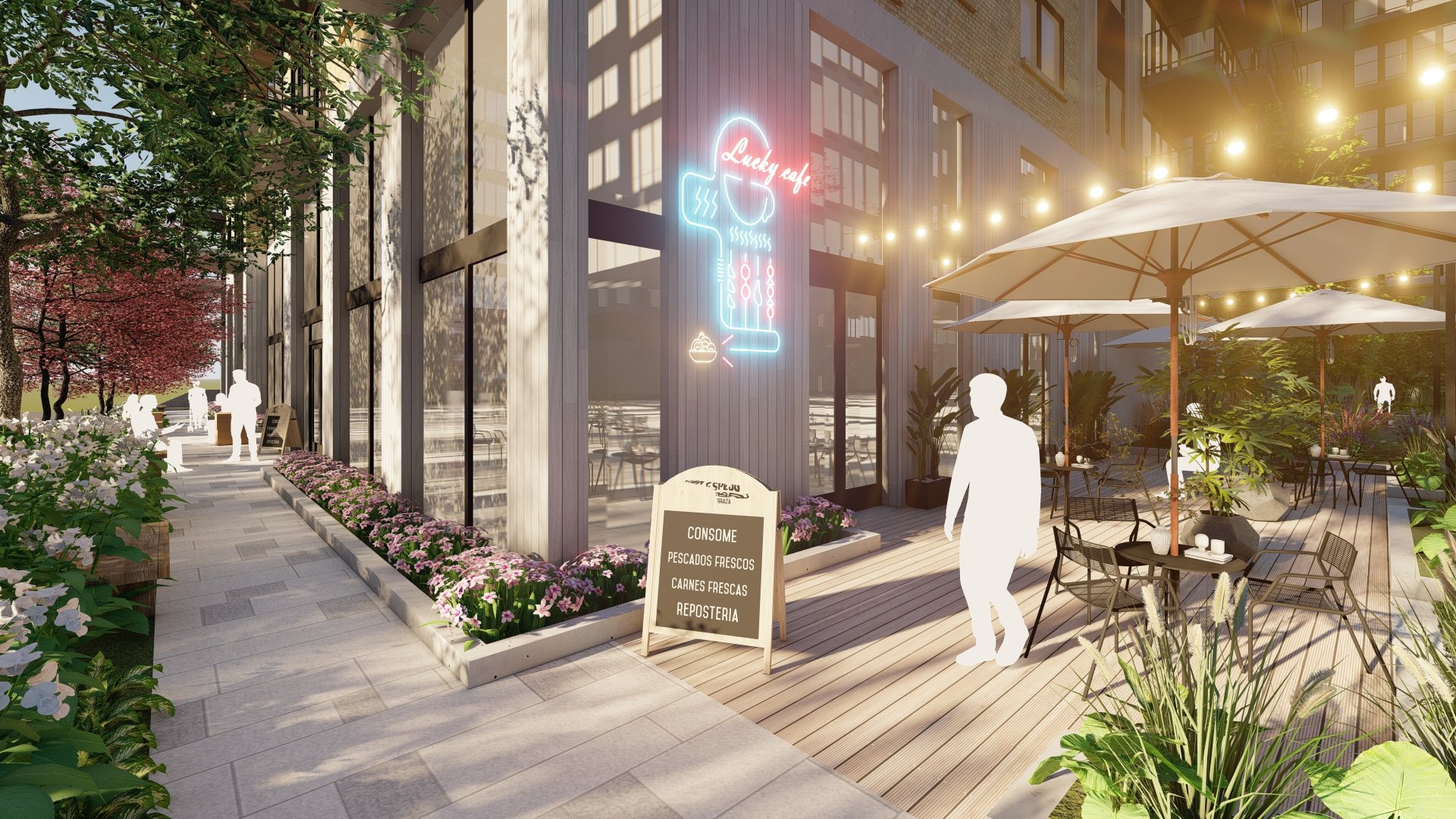
The ground level of our project is envisioned as a dynamic space, balancing the practical needs of an urban setting with aesthetic appeal. Our challenge was to integrate an outdoor dining area, a gym, and a fire lane in a cohesive and appealing manner. The outdoor dining area, situated amidst lush greenery, offers a serene environment for enjoying meals. The gym area is designed to be open and inviting, encouraging healthy living among residents and visitors. The fire lane, crucial for safety, is subtly integrated into the design, ensuring compliance without compromising on style. To achieve this, we utilized hexagonal planted pavers to soften the hardscape, creating a seamless transition between the various functional spaces.

Middle Courtyard: Creating a River in the Forest

At the core of our design is the middle courtyard, envisioned as a 'flowing river'. This river not only serves as a physical feature through its winding pathways and water elements, but also symbolically represents the natural and cultural connections among residents. The courtyard is transformed into a vibrant, forest-like area, where elevated earthwork and strategic planting enhance privacy for patios and offer picturesque views. The river-inspired design meanders through these green spaces, inviting residents on a journey of exploration and discovery. It nurtures a sense of community, evoking the feeling of being part of a continuous, life-giving stream. Alongside this river, we've included various activity pockets, thoughtfully designed for relaxation, social interaction, and a deeper engagement with nature.

Rooftop: An Urban Oasis

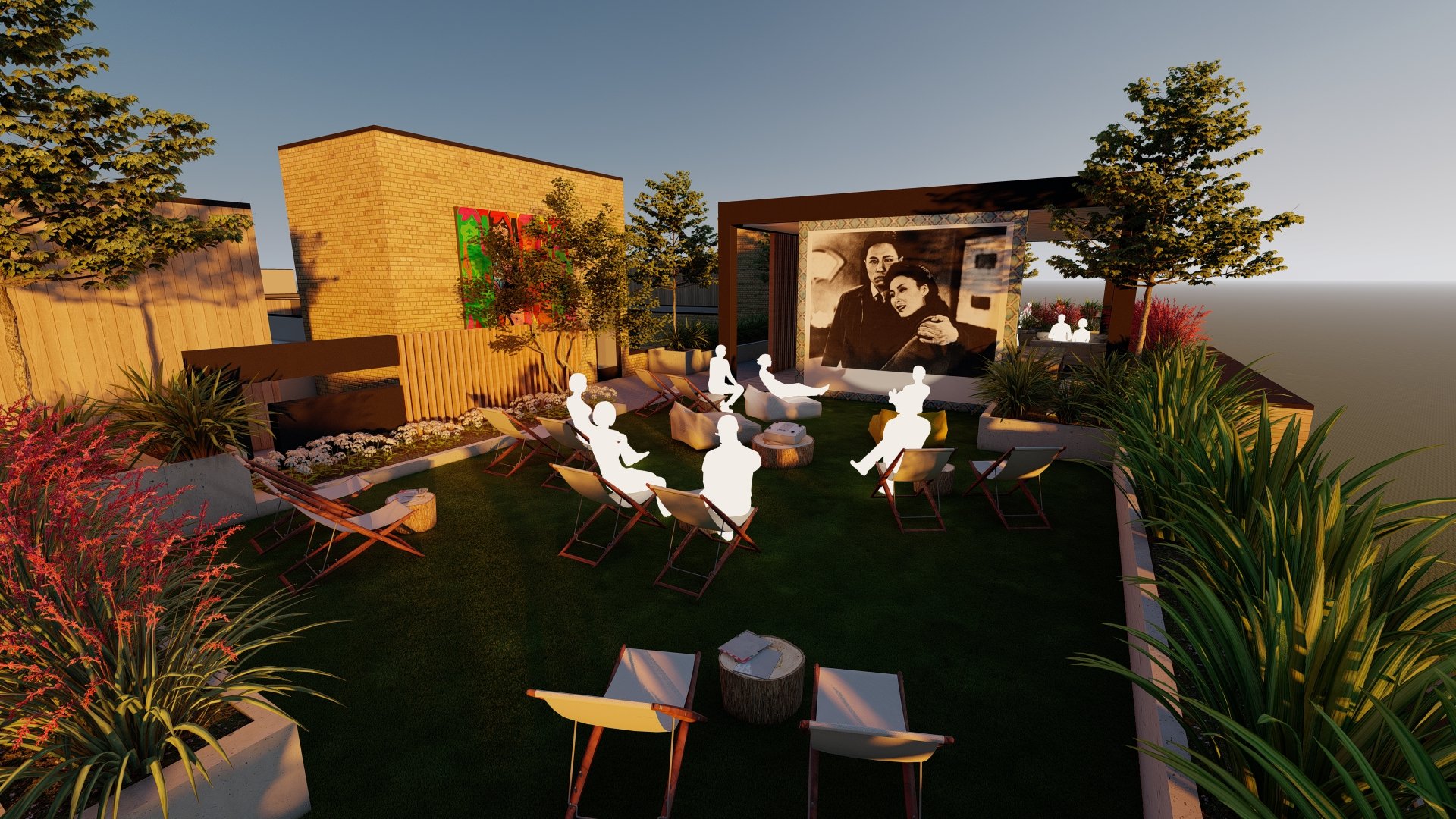
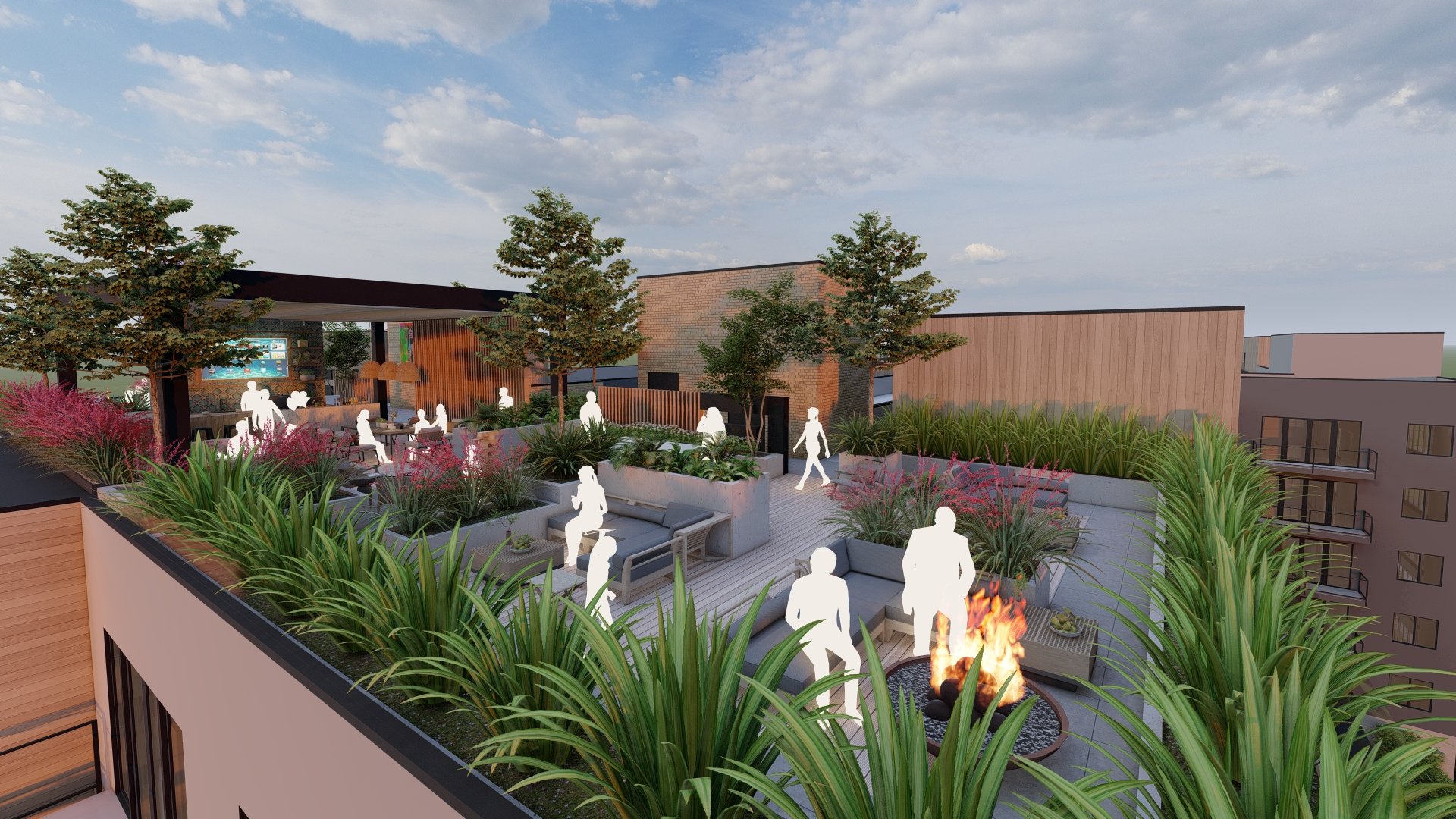
The rooftop is designed as a versatile, open space that caters to a variety of activities. It includes a kitchen, a bar, a rest area for chatting, and a dedicated yoga space. The yoga area is adaptable and can be transformed into a venue for movie nights, offering residents a unique outdoor cinematic experience. The rest area is positioned to capture stunning views of the sunset.

Every element of the rooftop is thoughtfully designed to maximize usability while creating an atmosphere of community and leisure. The choice of furnishings and landscaping reflects the cultural richness of Convoy, making it a true urban oasis.

Our design for this mixed-use project in the Convoy area of San Diego is more than just a combination of retail and living spaces; it's a celebration of community and culture. By thoughtfully integrating functional spaces with communal areas, and by infusing the rich Asian heritage of the neighborhood into every aspect of the design, we aim to create not just a building, but a living, breathing part of the Convoy community. I chose this project for the Best of 2023 because this project promises to be a beacon of cultural fusion and communal harmony, embodying the spirit of Convoy and enriching the lives of its residents and visitors.
Read more about Jiayao→


Photo 2.JPG
Photo 4.JPG
Photo 5.JPG
Photo 1.JPG
Render 1.jpg
Render 2.jpg
Render 3.jpg

Hologic Innovation Center | San Diego, CA

Adis Tutusic, Int’l ASLA
Junior Associate

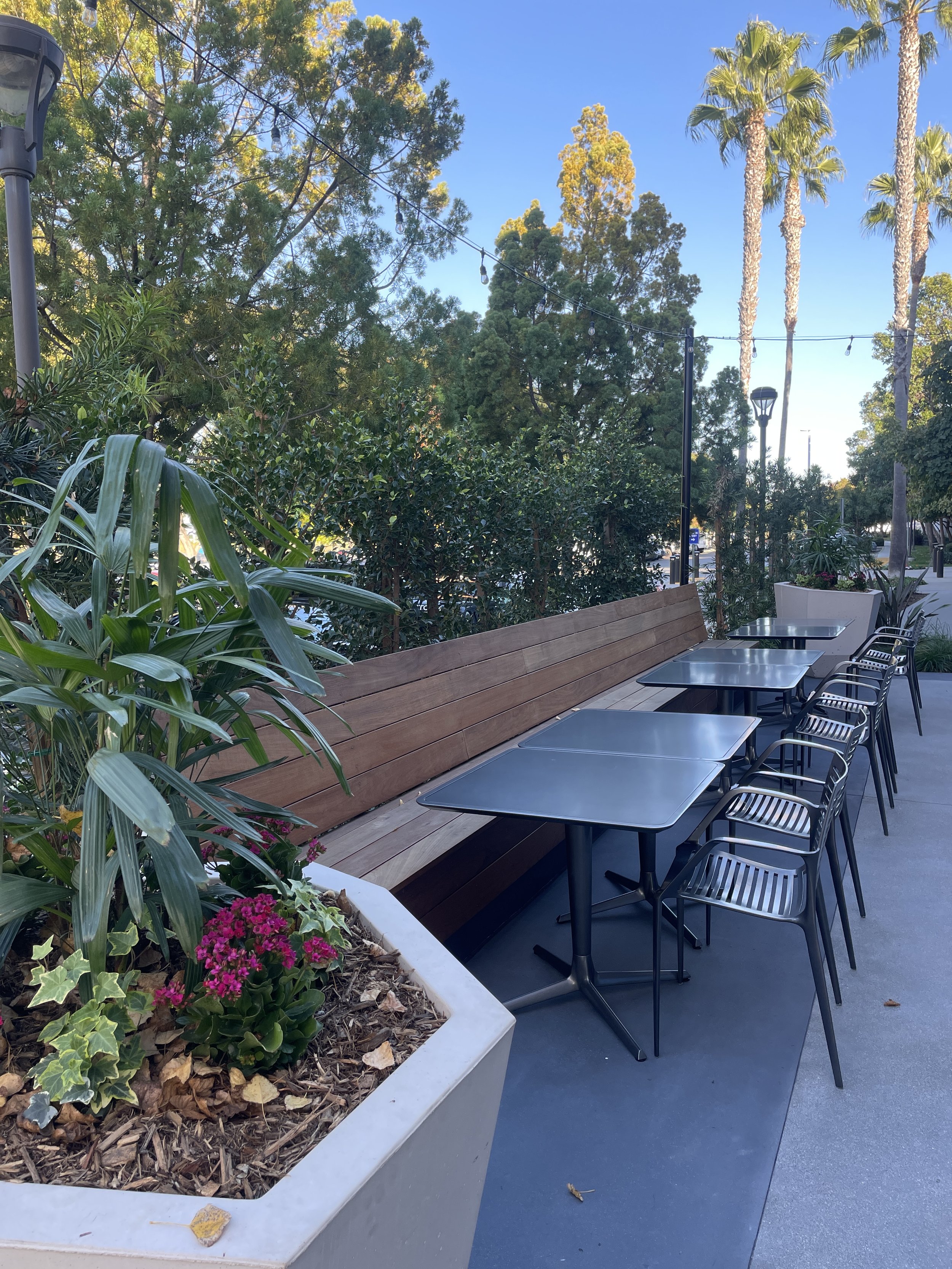
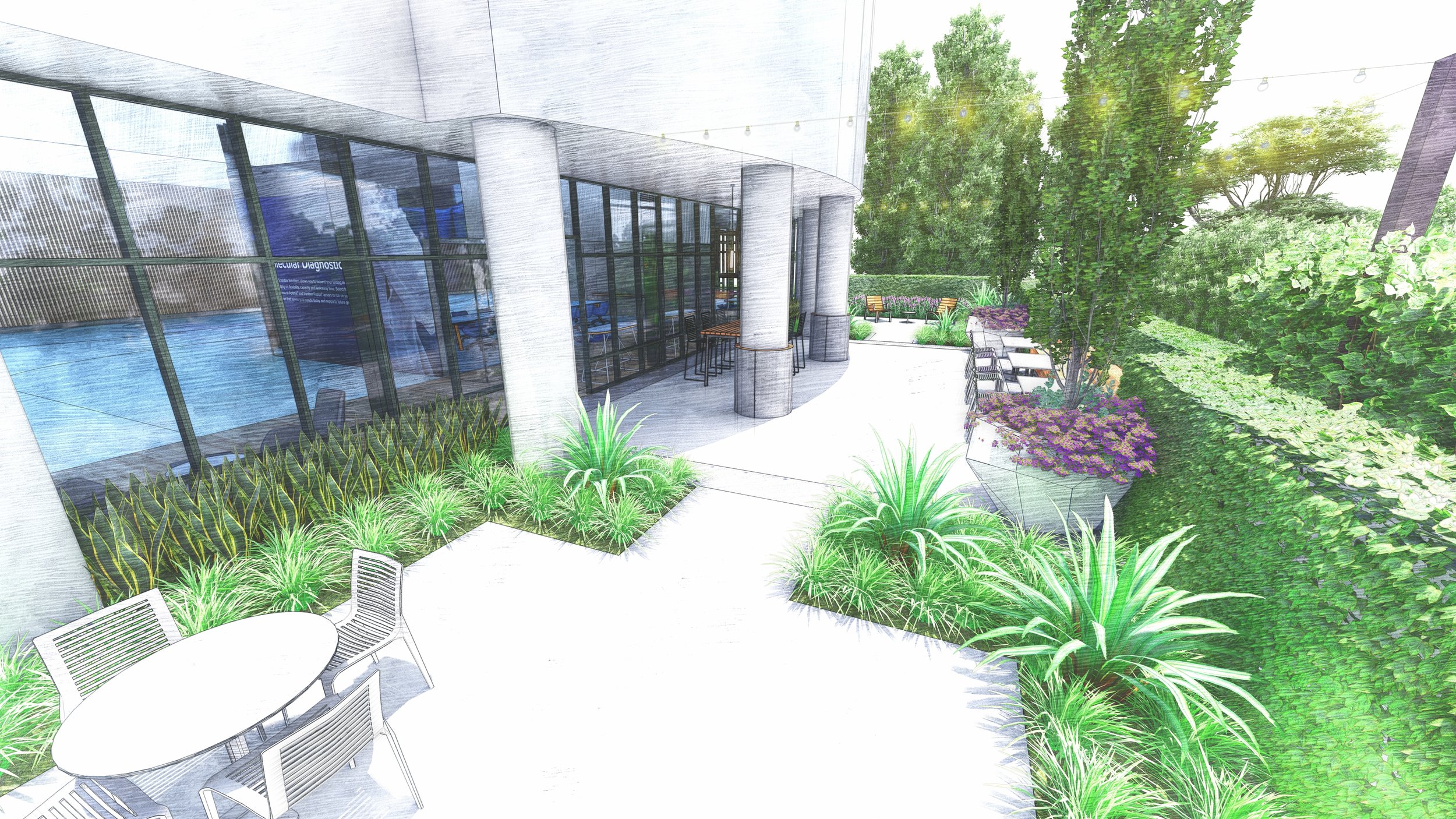
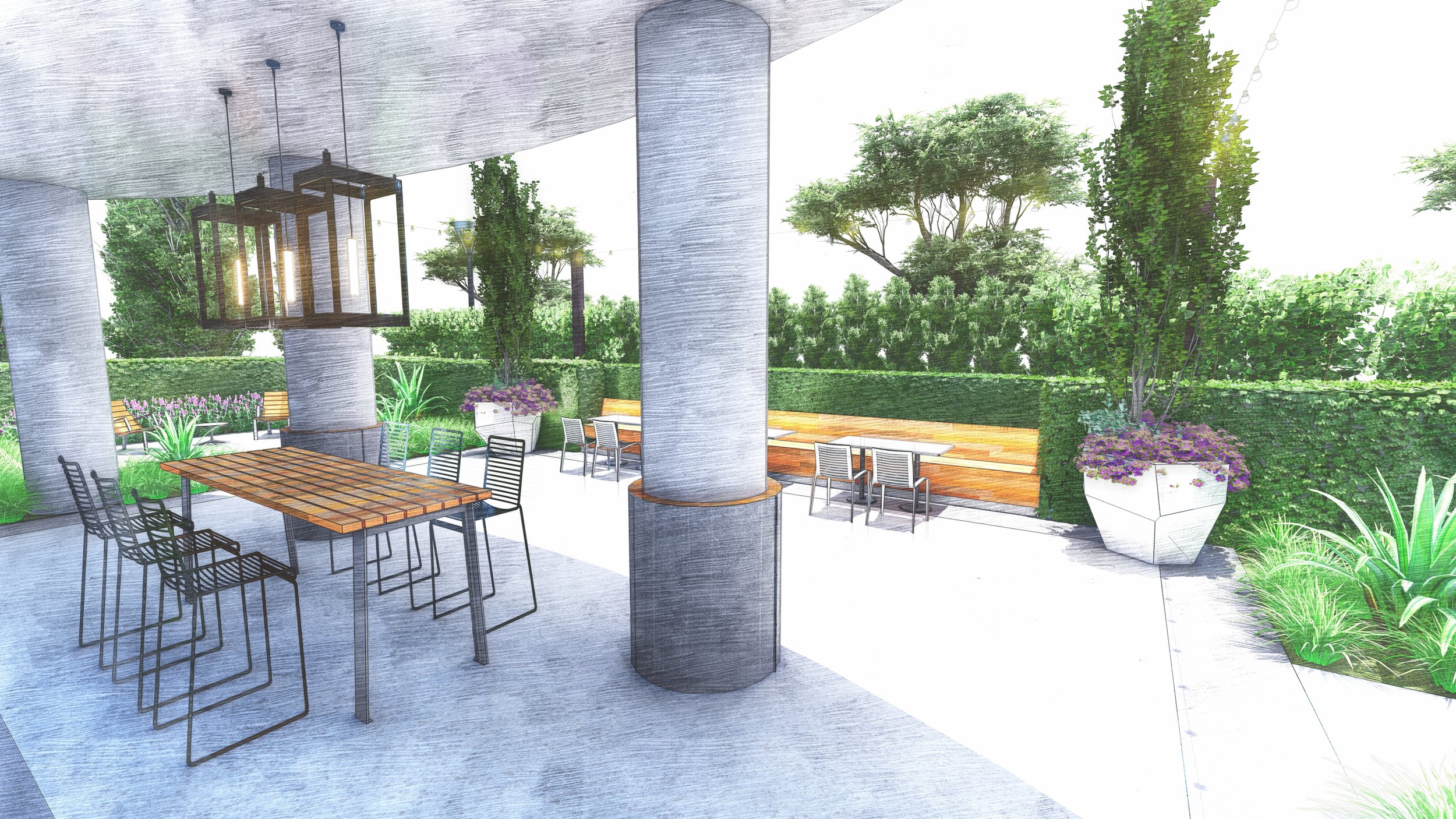
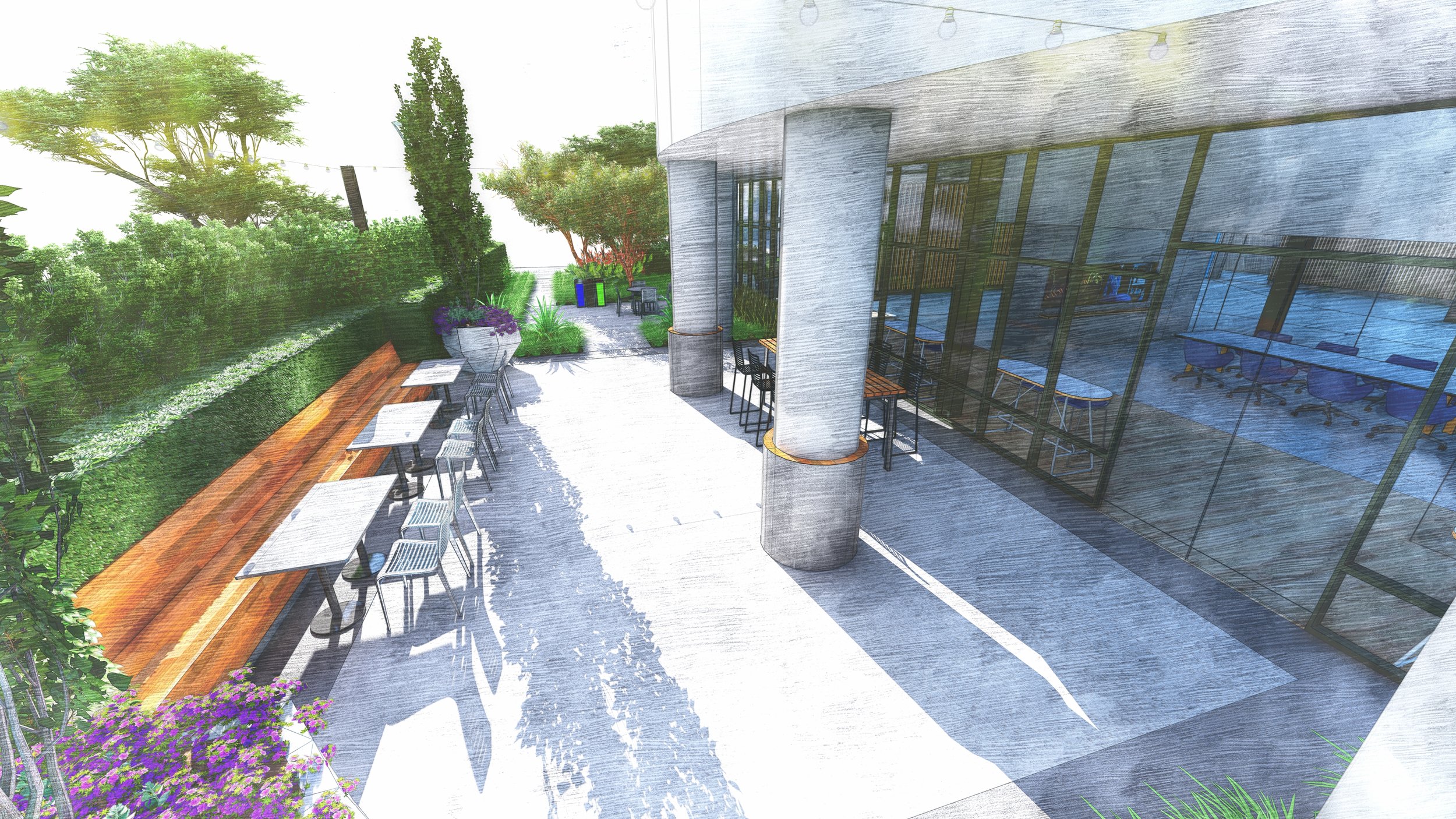
The Hologic innovation center creates a new hub for the healthcare company to showcase its latest technologies to new and existing clients. Working with AVRP Studios, this project challenged our team to transform a small underutilized outdoor space as an extension of the new indoor innovation center. Our client envisioned an outdoor amenity space equipped to host important meetings, breakout sessions and cocktail receptions, all while celebrating the women’s health industry.

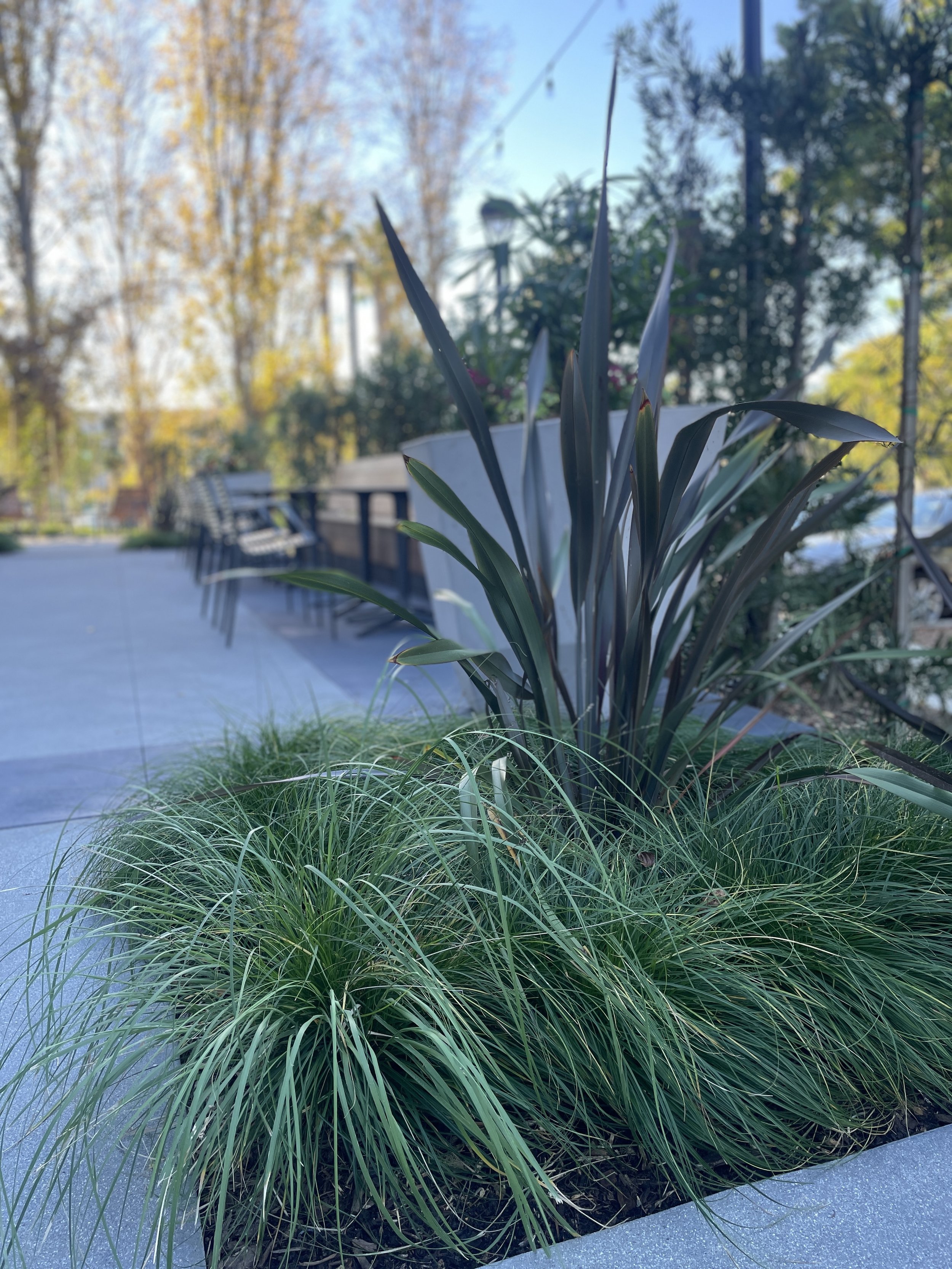
To maximize this space for Hologic, we created a central patio with an outdoor workspace that could support moving meetings and ideas outside and into fresh air. A custom, built-in wood clad bench with smaller breakout tables created opportunities for hosting smaller meetings or for enjoying lunch breaks outside. Adjacent to the central patio, we created two smaller patio spaces – one for more private meetings and another adorned with lounge furniture for exploring creative ideas in a more relaxed environment. 

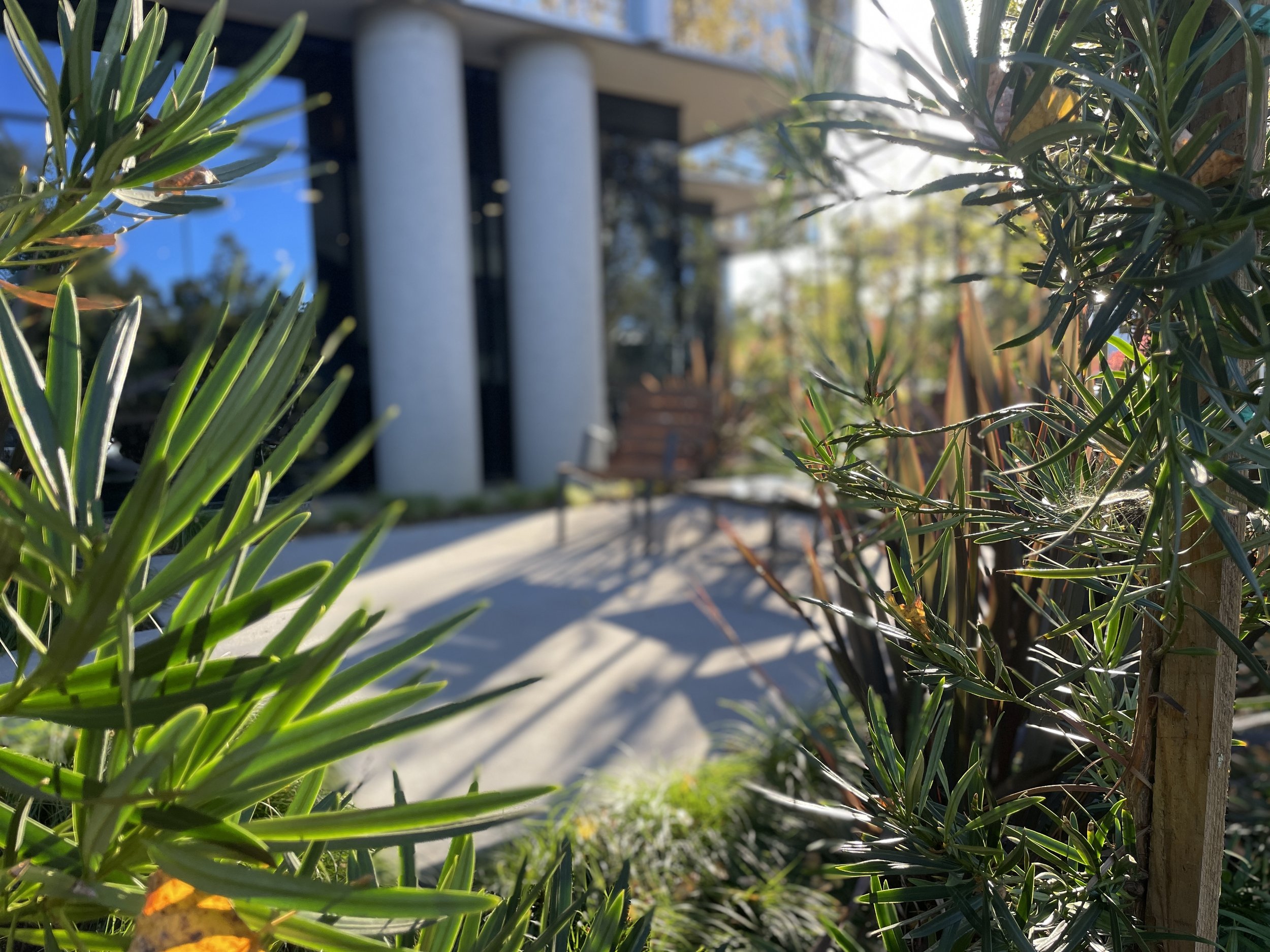
Surrounding these spaces, we nestled the Hologic Innovation Center’s patio amidst a lush planting palette of native grasses, perennials, and accent plants. These patio spaces are further buffered from nearby parking by a dense hedge of Podocarpus and Ficus Nitida shrubs. This verdant backdrop of dense planting provides space for employees to recharge in nature.

This project is my consideration for Best of 2023 because it is a small space with big impact. Implemented from design to completion in approximately one year, the Hologic Innovation Center’s patio offers a space for Hologic to focus on its impressive mission – “improving the health and well-being of our patients and communities as a leading innovator in women’s health.”
Read more about Adis→


Iteration 1 Plan View.jpg
Iteration 1 Terrace Front.jpg
Iteration 1 Terrace.jpg
Iteration 2 Front.jpg
Iteration 2 Plan View.jpg
Iteration 3 Front Night.jpg
Terra Cotta Terrace.jpg

The Roosevelt | San Diego, CA

Olivia Wax, ASLA
Junior Associate

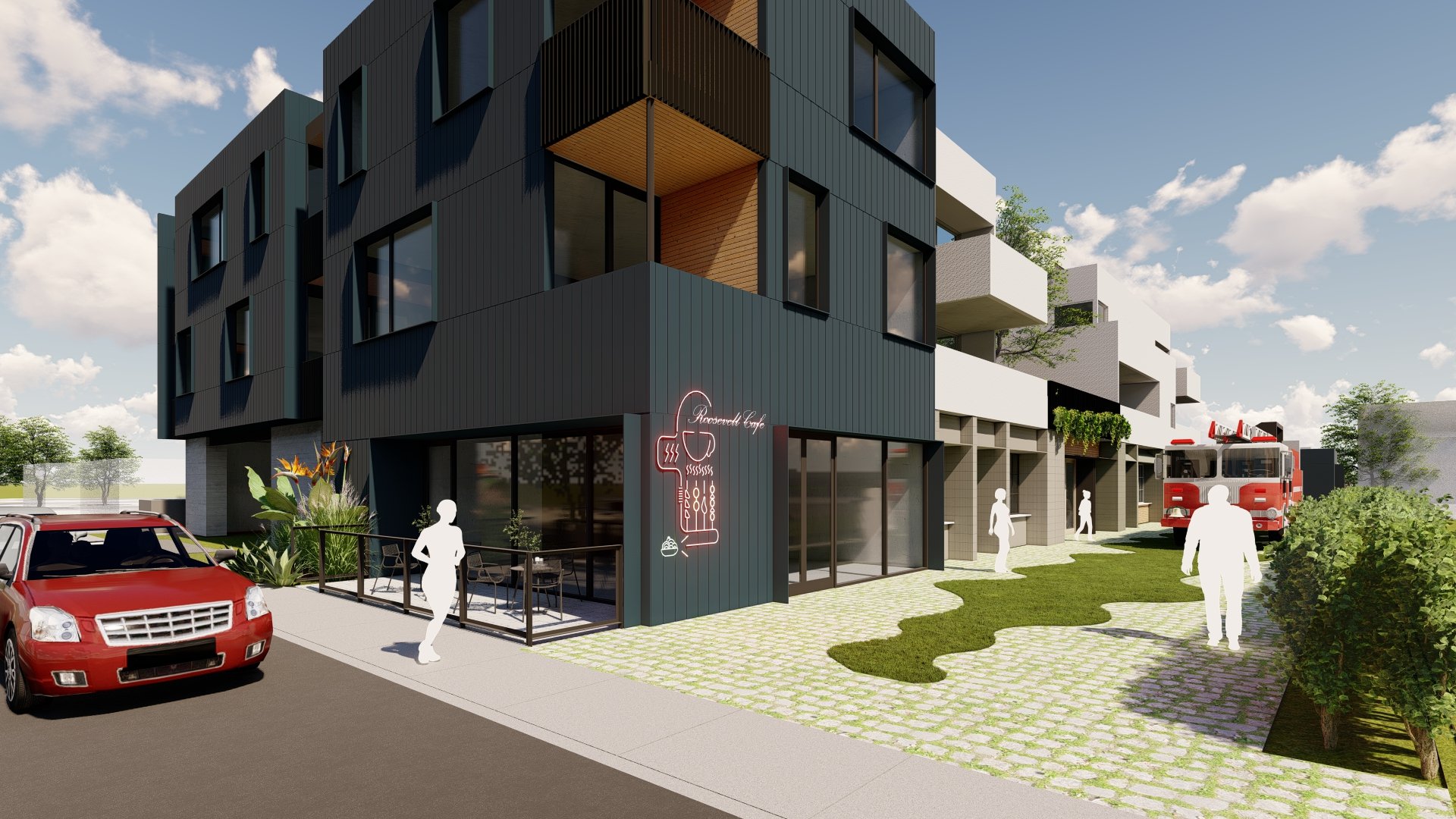
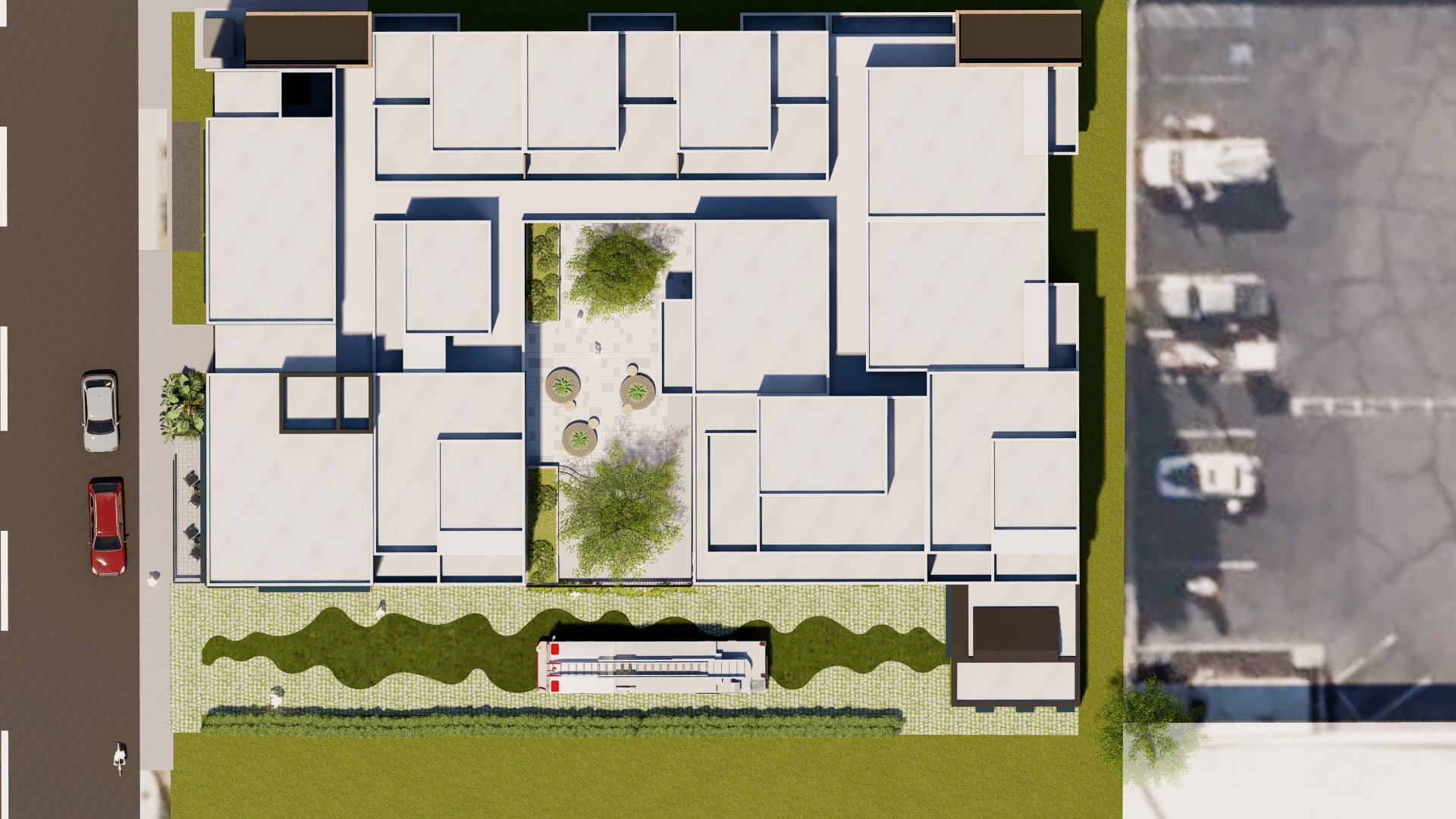
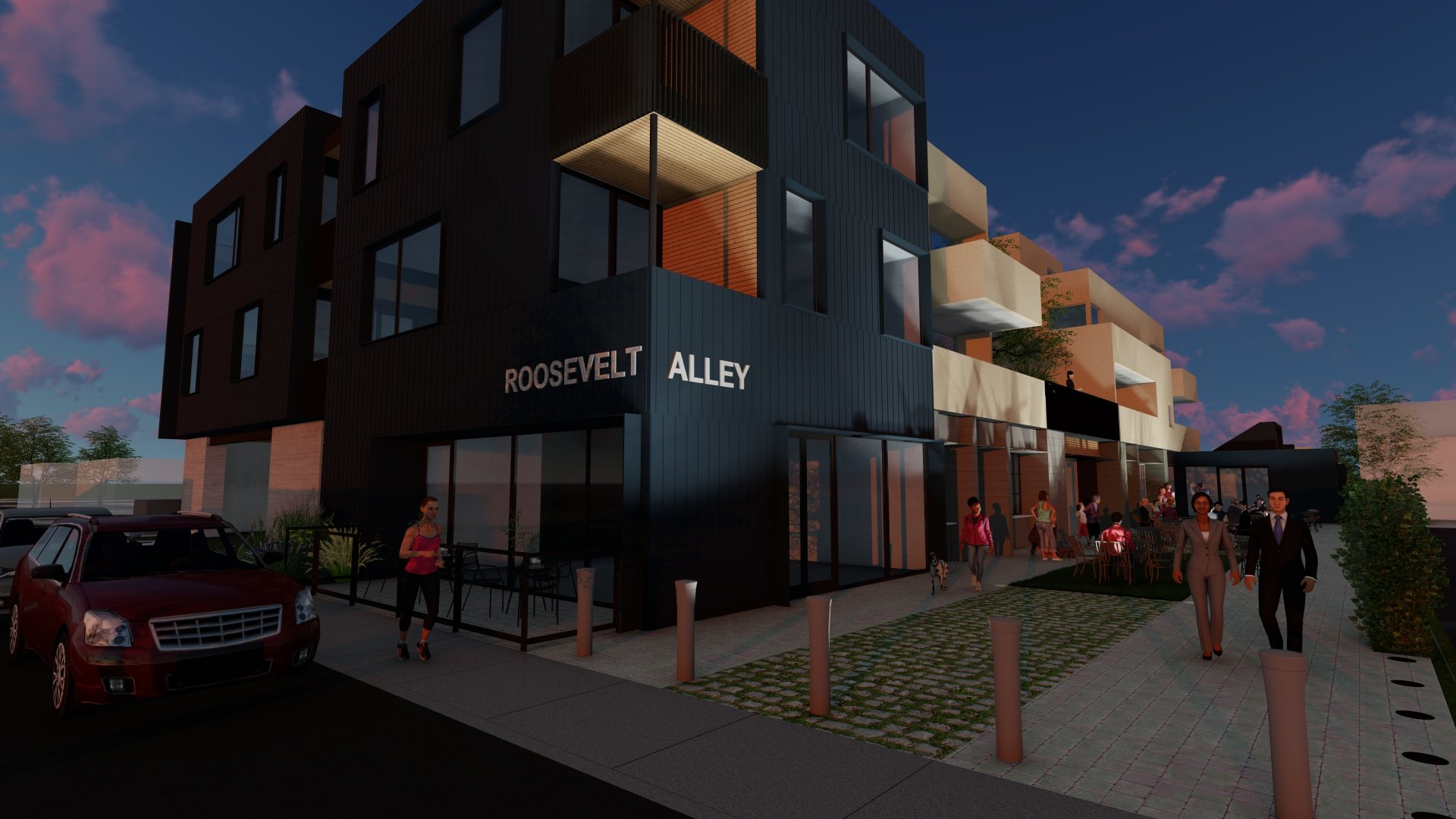
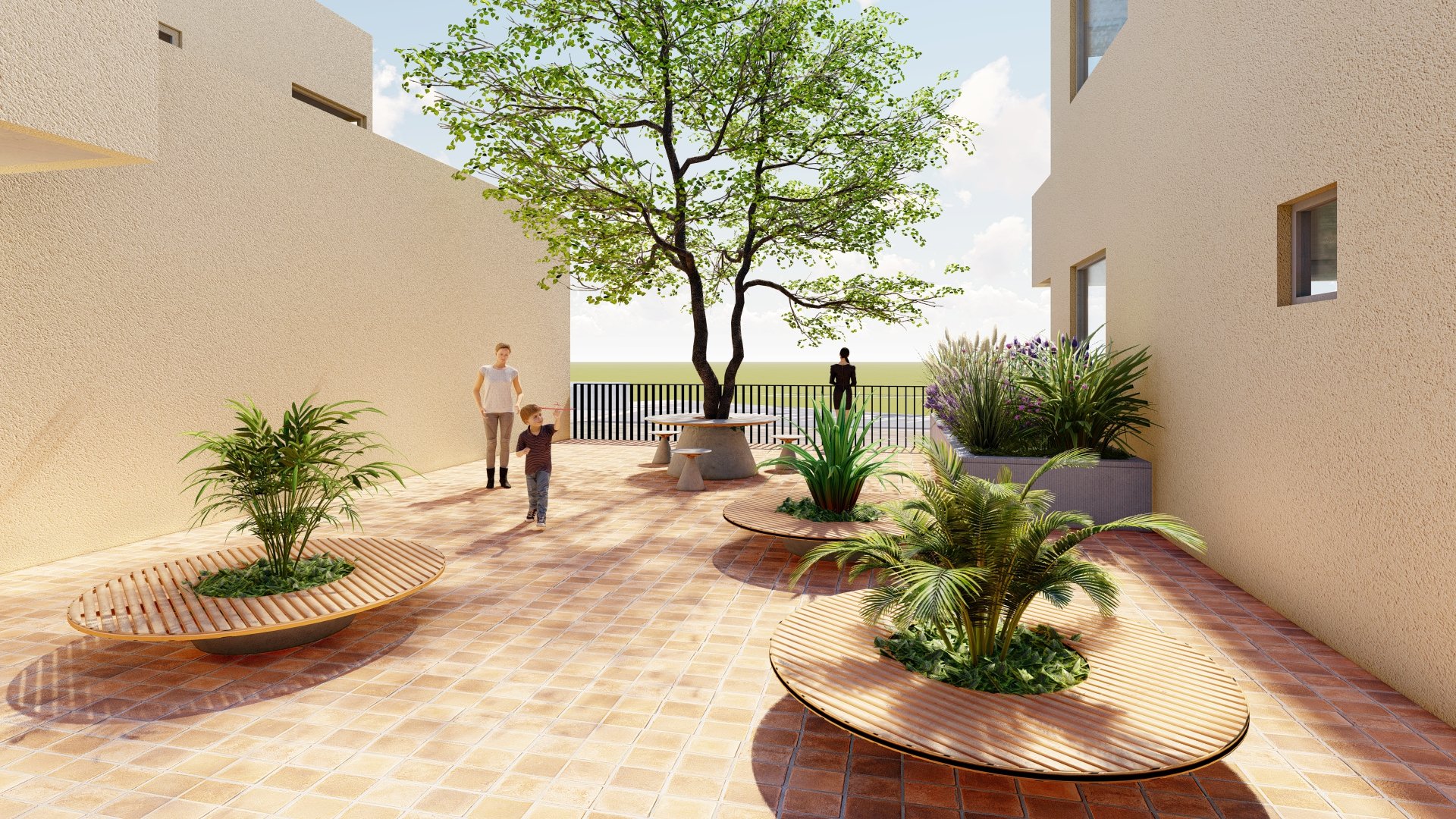
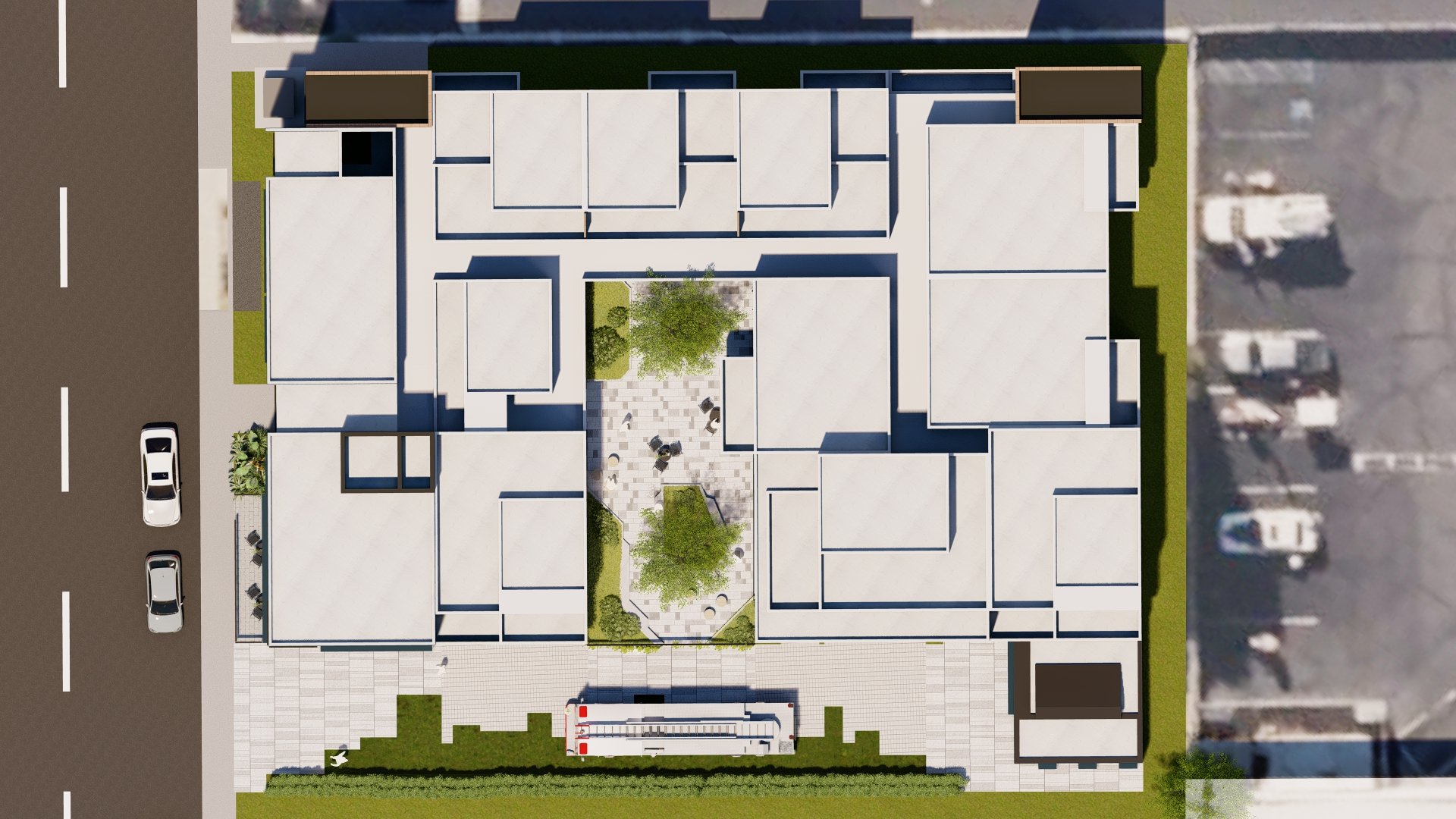
A recent development by Fabric Investments, the Roosevelt offers a dynamic commercial space, effortlessly blending the spirit of communal gathering and retail while upholding its integral design form. The space unfolds into two distinct areas—the elevated upper terrace and the ground plane frontage, uniquely adaptable as a fire truck parking zone when needed.

After undergoing numerous iterations, the upper terrace now extends a warm invitation, adorned with the richness of Spanish-style terra cotta paving and Mediterranean planting. Complementary shades of yellow and purple, complemented by gracefully swaying grasses, offer movement in the breeze.

Transitioning to the lower level, a purposeful space invites individuals to pause, sit, and savor moments amidst shopping or enjoying a morning coffee from the nearby café. Within the scope of this project lies a distinctive challenge —ensuring the durability of pavers and turf to bear the weight of a fire truck. This challenge was met with discernment, utilizing Turfstone Pavers to ensure both resilience and aesthetic unity.

The Roosevelt is my choice for my Best of 2023 project is not rooted in grandiosity but in the sentimental value it holds for me. It signifies my substantial involvement where I played a pointed role in the design process, witnessing the realization of my vision through 3D modeling. The dynamic evolution of the project, shaped through collaborative discourse and iterative refinement with team members, has proven to be a deeply rewarding process.

While The Roosevelt is still in its schematic design phase, I look forward to seeing how it develops and progresses to its final form.

Read more about Olivia→

Comment 1 Likes

Crafting a Contextually Inspired Oasis in La Jolla

December 14, 2023  /  David McCullough

Photos by Scott Basile Photography

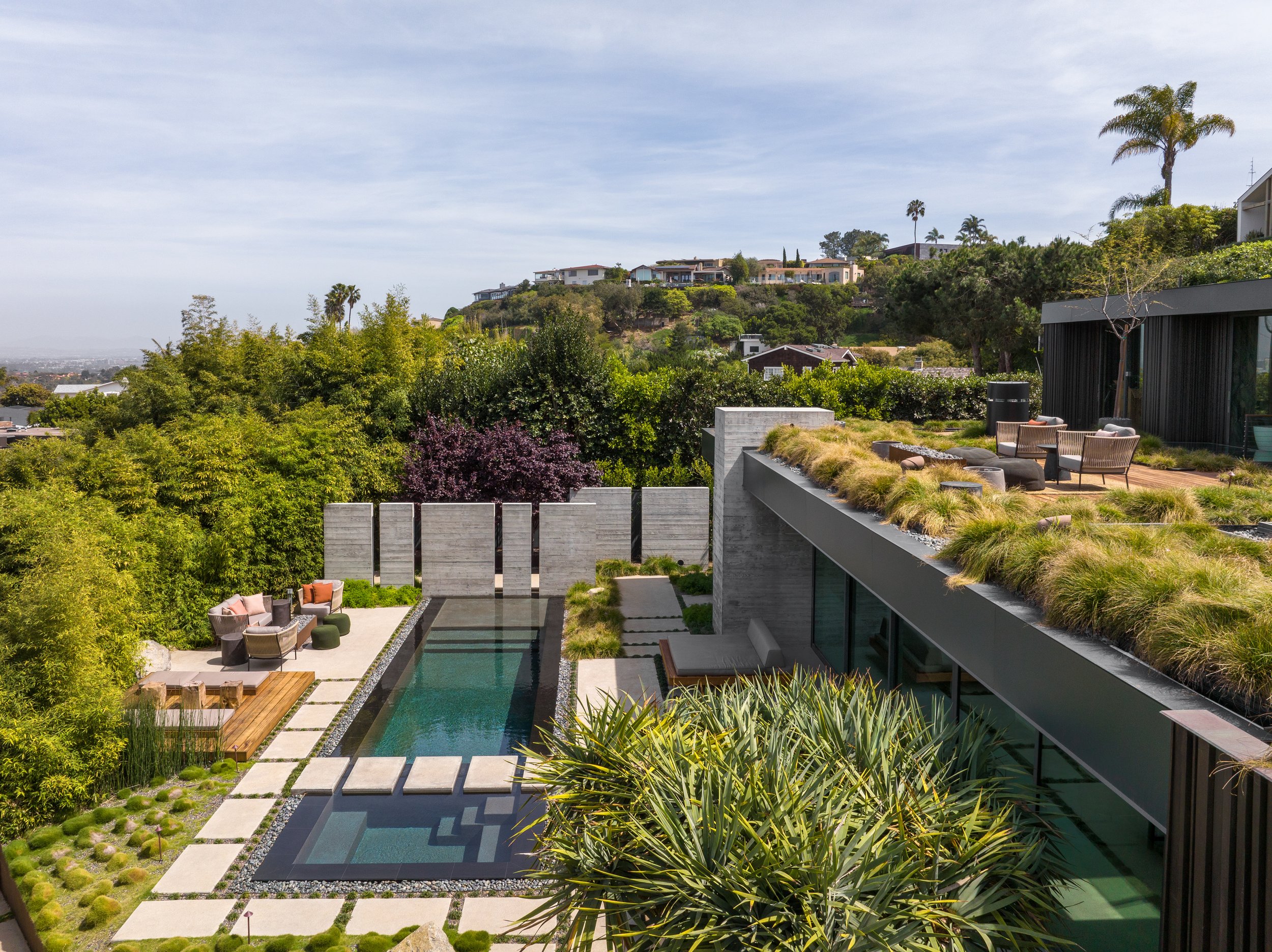
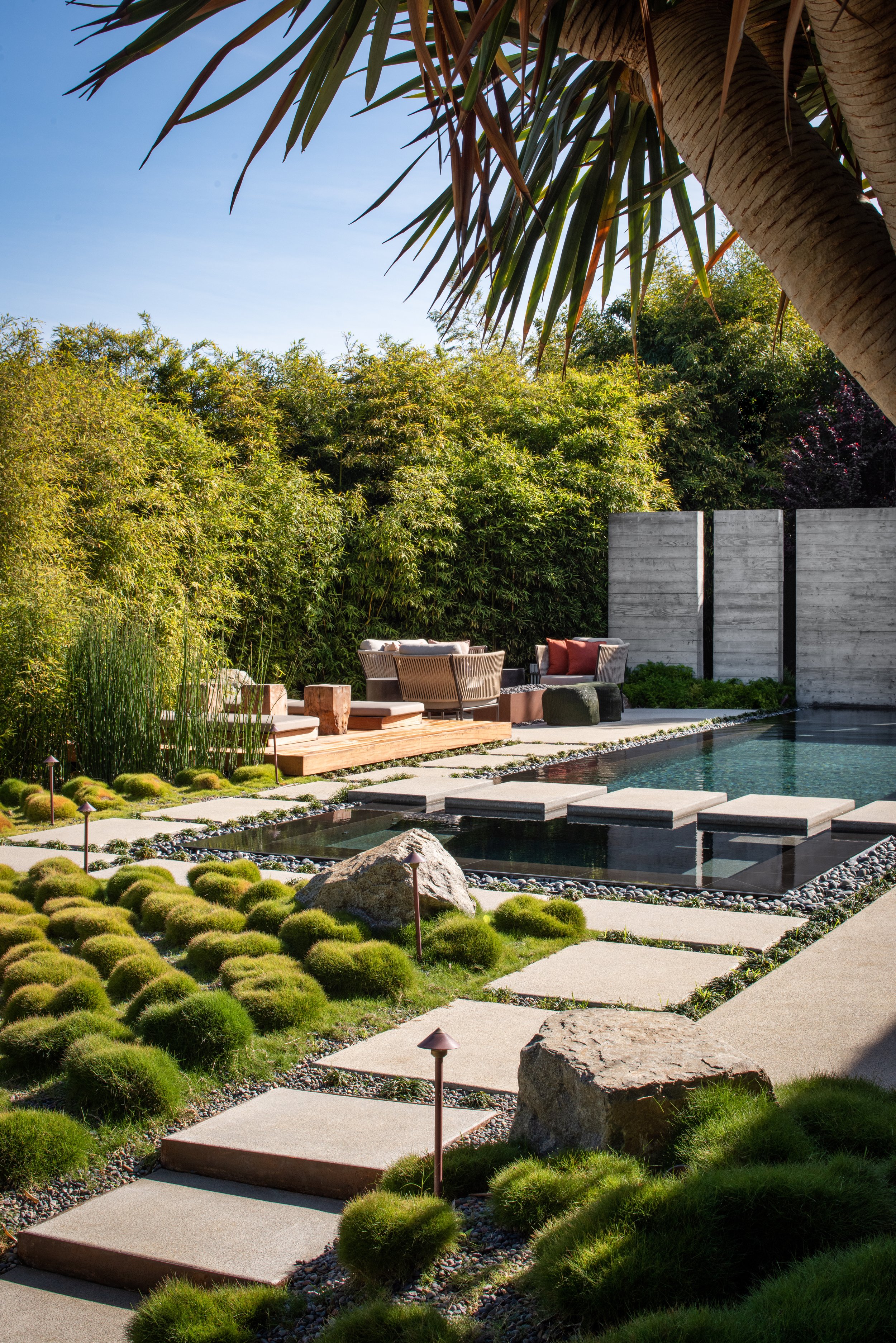
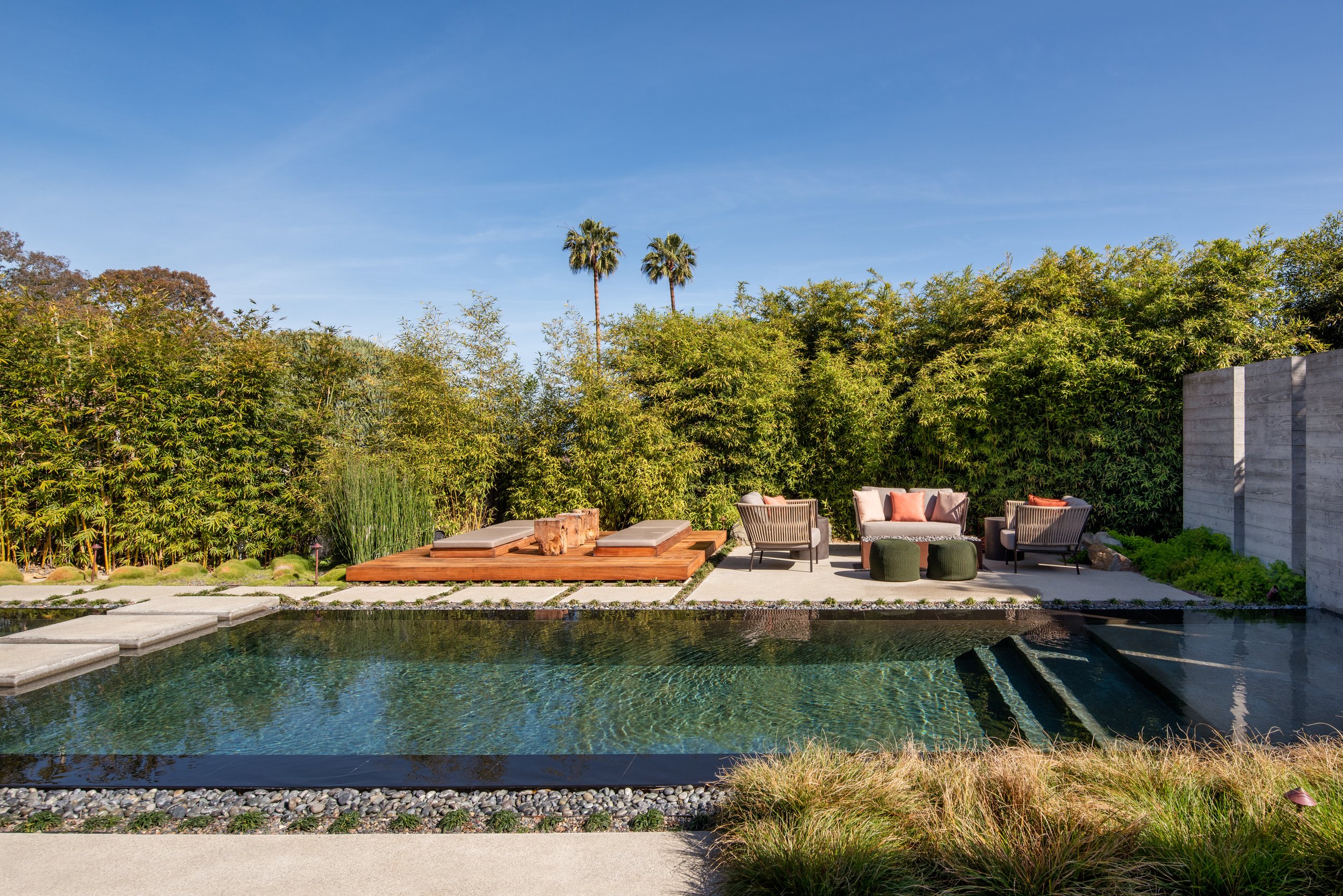
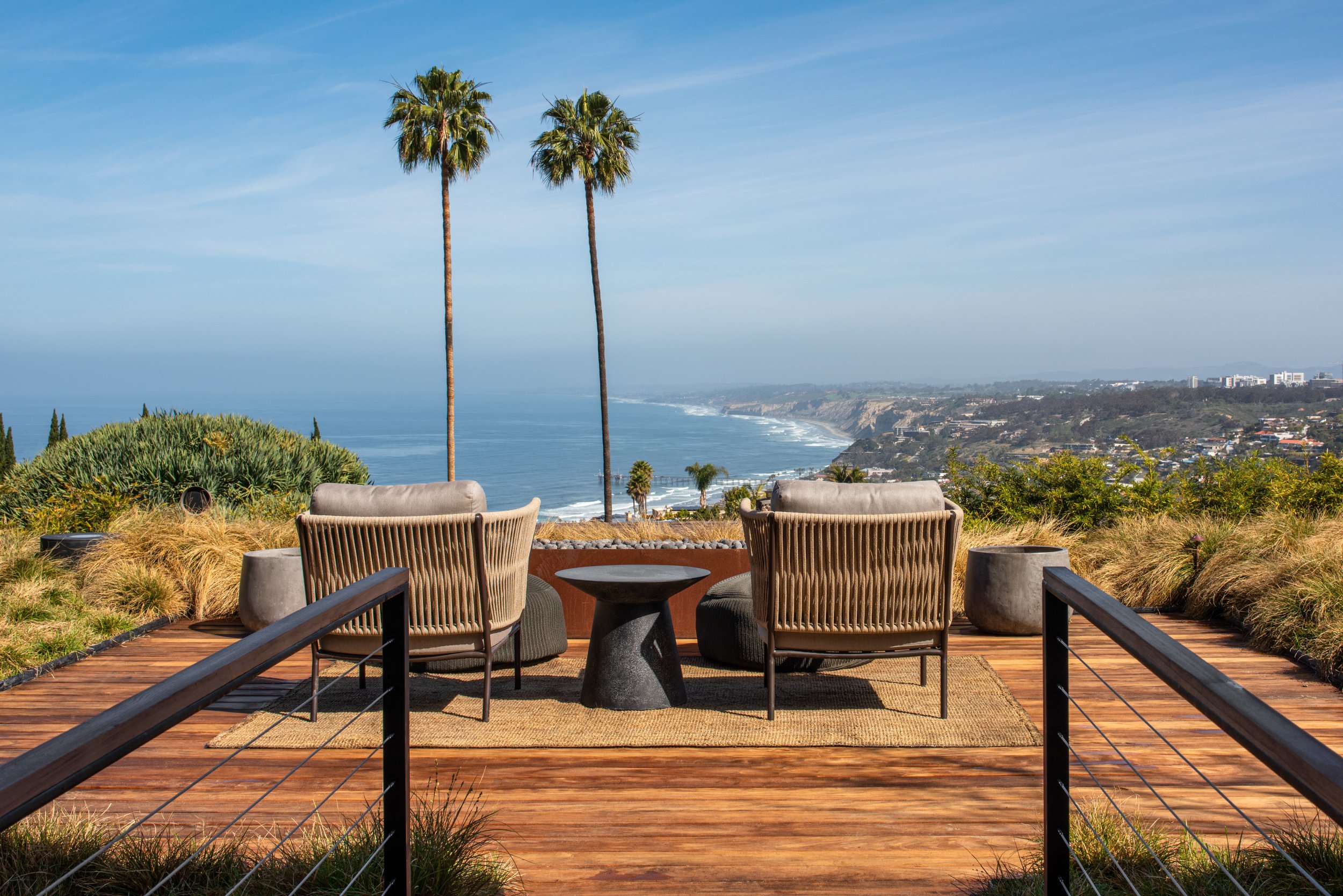
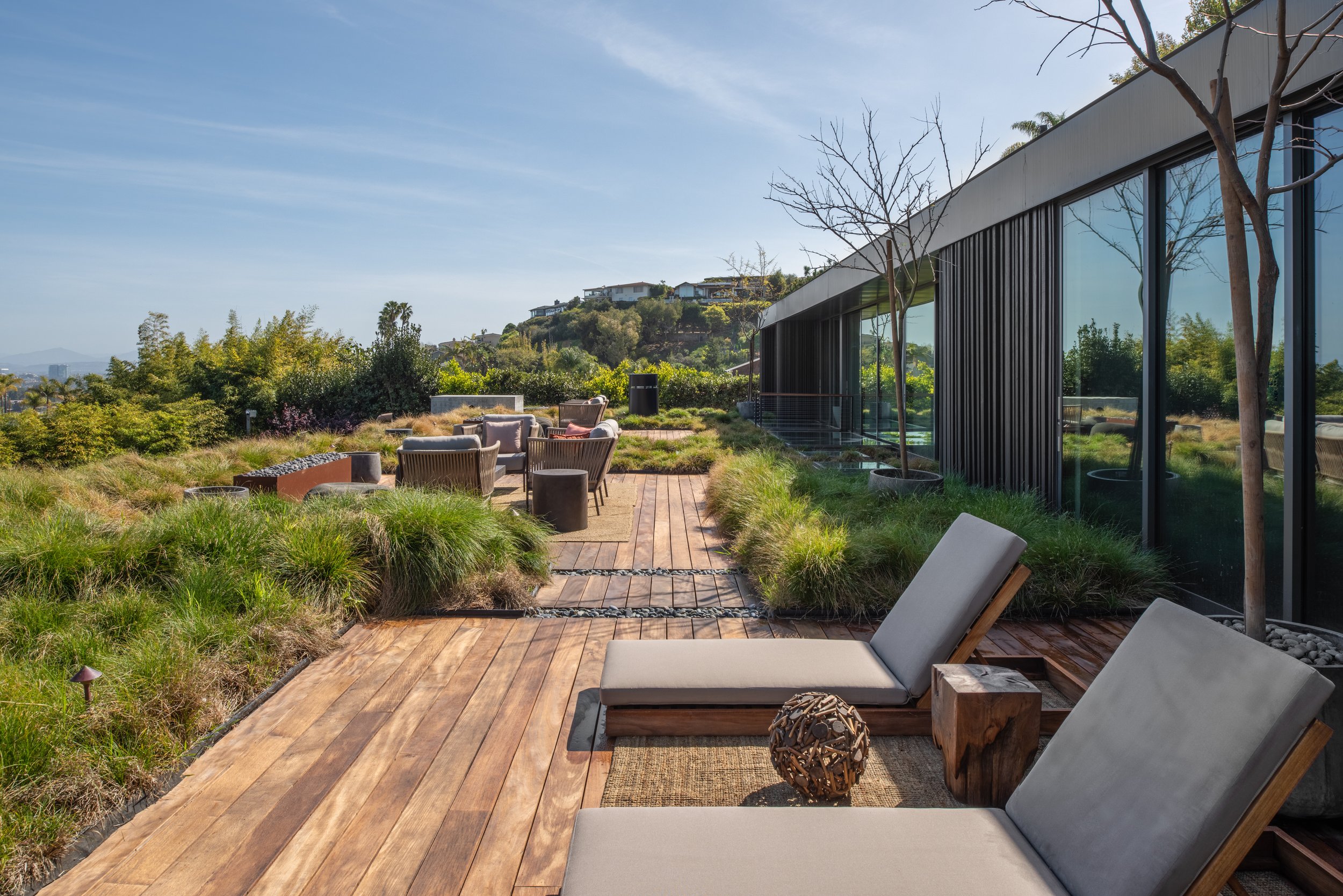
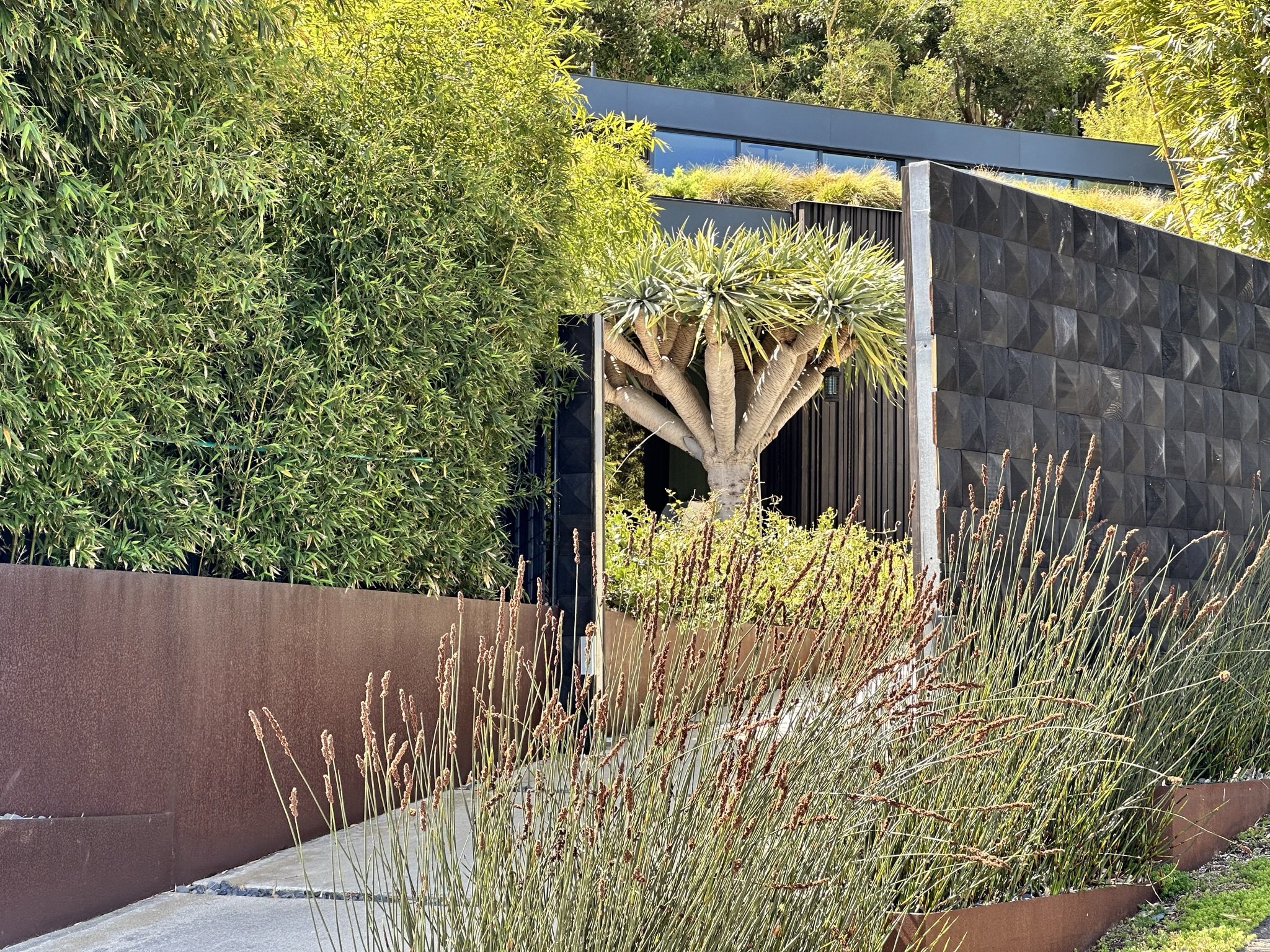
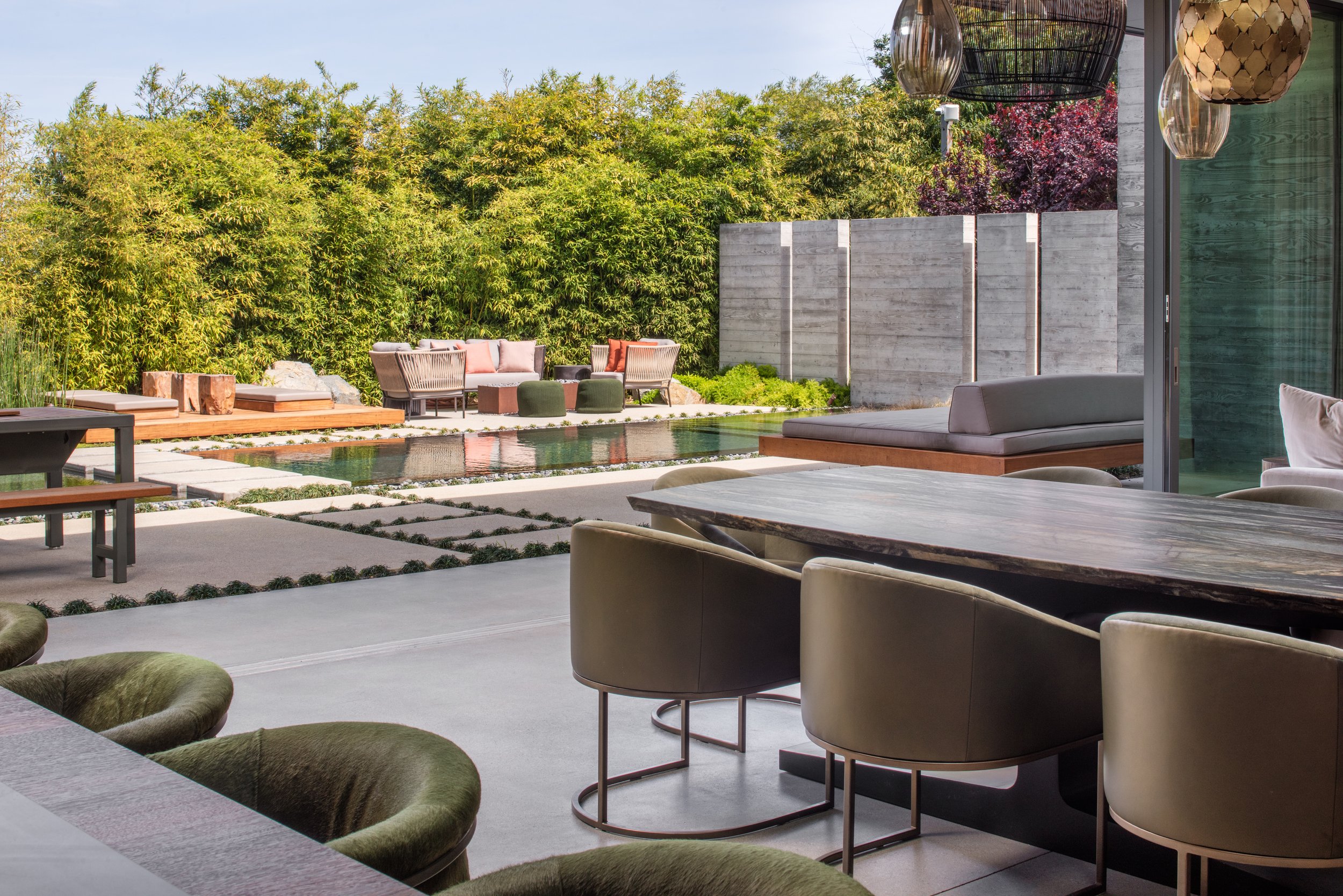
This La Jolla residence sits on the north slope of Mt. Soledad in the San Diego community of La Jolla.  The property, like many that fall in this neighborhood, has 180-degree views of the Pacific Ocean, Torrey Pines State Preserve, Black’s Beach and surrounding bluffs, the University of California San Diego Campus, and La Jolla Cove and Shores.  Like most properties within this community, the views are sacred and therefore, to build a new home here holds its challenges. The owners brought on Architects Brian Will and Andy Fotsch (Will and Fotsch Architects) out of La Jolla to design this home and McCullough to design the landscape. They were faced with the challenge of contextually fitting this new home into a special site, taking advantage of views, while not disrupting those of the surrounding neighbors. The solution seemed just right. The cornerstone element to this project was to build the home into the slope, digging in, pushing it back into the ground and turning the front yard into a special usable garden space.  The front of the home, therefore, completely opens to the garden oasis. Once inside, stairs along the rear wall take you up to the second floor where the upper level living spaces, including the master bedroom, reside. As these living spaces also step back into the hillside, they also open to a planted rooftop that was designed to replicate rolling grass and wildflower meadows of Southern California. Because the front yard and the second-floor rooftop were to be the foreground to the views, they needed to be special visually, but also functional. On the first floor, a pool was conceived that also serves as a water feature to complete the tropical effect. 

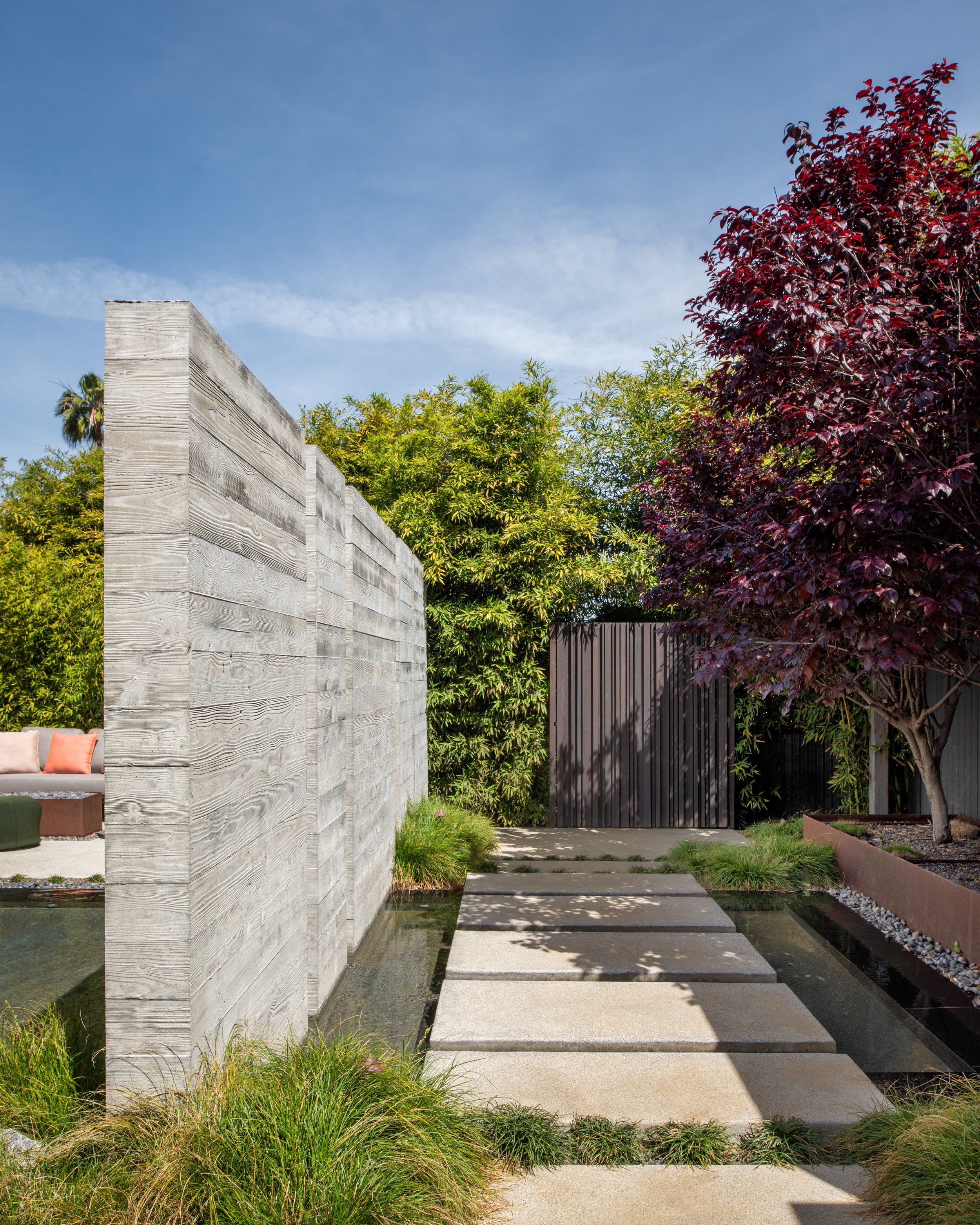
Imagine…A visitor arrives at the home at a bamboo forest and walks over floating concrete steps to a door in the bamboo.  Once through this gate, stepstones transverse the “pool” - a water feature and reflecting pond, - to the front door.  Once you’re in, the great room extends the bottom level which includes a living room, dining room, kitchen, office, and wine cellar. This great room’s front wall is an operable glass door which spans 90% of the room and opens to the front garden and pool. The glass wall opens to a daybed that sits at the foot of the pool. Beyond that, floating stepstones cross the pool to a social space that includes a fire feature and an outdoor kitchen area. Within the home, stairs to the second-floor access additional living spaces, the master bedroom, and spare bedrooms.  Each internal upper-level room opens to an external, rooftop garden space. The master bedroom garden space includes a spa, and the other rooms include passive and social use spaces designed to feel pastoral and meadow like. The idea behind this was to invite the native plant fragrances into the spaces through the prevailing winds, while evoking the contemplative emotions drawn from the grasses moving in the breeze and the refraction of the coastal sunlight through leaves. 

The property setting alone is special as it requires design detail at multiple levels. The architectural design of the home, provided by Will and Fotsch, was perfectly suited for the site. - contextually inspired, emotionally evocative, and functionally optimized. We believe the manifestation of this home hits all levels just right, making for a one-of-a-kind property in Southern California.

2315 Rue de Anne aerial-11.jpg
2315 Rue de Anne-1.jpg
2315 Rue de Anne-4.jpg
2315 Rue de Anne-8.jpg
2315 Rue de Anne-12.jpg
2315 Rue de Anne-18.jpg
IMG_0755.jpeg
2315 Rue de Anne-26.jpg
2315 Rue de Anne aerial-11.jpg 2315 Rue de Anne-1.jpg 2315 Rue de Anne-4.jpg 2315 Rue de Anne-8.jpg 2315 Rue de Anne-12.jpg 2315 Rue de Anne-18.jpg IMG_0755.jpeg 2315 Rue de Anne-26.jpg

1 Comment 1 Likes

Rethinking Neglected Waterways: A Water-Sensitive Approach in the Design Process

November 21, 2023  /  Akshay Badwe

All sketches by Akshay Badwe, Associate Landscape Architect

Water is life. Almost all the cities have prospered, and civilizations have flourished over thousands of years due to their access to water. The rivers have been used commercially for trade and transport routes. The fertile land along the river attracts various cultures. Diverse cultural perspectives have evolved based on cultural philosophies. For example, Hindus' religious attitude toward the river is approaching the river, and they capture divinity into everyday life, whereas Muslim philosophy sees water as a source of aesthetic pleasures. These philosophies developed landscapes and built environments around their access to water. The Hindu people developed temples, and Muslim philosophy transformed several monuments, including the Taj Mahal, as a homage to water.

Ghats (stepped areas) in Varanasi and the Taj Mahal shows cultural landscapes and built environments shaped based on the distinct philosophies of the Hindus and Muslims

However, in today’s context, we take water for granted. After the Industrial Revolution, rivers became a massive feat of engineering. The approach seems to be a need to “getting rid” of water as quickly as possible. Ian McHarg’s “Design with Nature” concept brings ecological ideas in planning to the forefront of development. Although planners understand ecological balance and the benefits of having rivers and water bodies, they have become a second priority due to immense urban pressures. According to the World Bank, 56% of the world’s population lives in cities, which will double by 2050. That means 7 of 10 people will live in cities globally. The recent catastrophic floods and climate change have amplified these issues. The situation is dire in the developing world since rapid urbanization causes rivers to be utilitarian drains. In the city of San Diego, for example, creeks, rivers, and watersheds fall under the supervision of the Stormwater Department, which deals primarily with moving water through and out of the city as quickly and efficiently as possible.

Various civilizations flourished along the river

After the Industrial Revolution, polluted rivers caused environmental degradation and social behavioral changes. It is still true in the developing world. 

Creating sustainable cities with clean rivers that brings ecologically sensitive public spaces to the city core.   

Water covers 71% of the earth’s surface. Only 0.5% of the water is available in freshwater. The remaining water is found in the earth’s oceans, glaciers, polar icecaps, atmosphere, and soil. Conversely, 785 million people on our planet lack access to safe, clean drinking water. The World Bank predicts that by 2025, 2/3 of the global population will have a shortage of fresh drinking water. A lack of access to clean drinking water would cause disease, which would cause an inadequate supply of food, causing hunger and starvation and ultimately affecting the global economy (7). Water is an important resource, and an integrated water management approach is necessary to consider water systems, environmental protection, and design holistically.

Hydrologic water cycle – It is essential to provide interventions in the watershed due to interconnected ecology

Multiple approaches are being explored to solve water challenges, including “low-impact development” in the United States (5), “Sponge City” in China, and “Water Sensitive Urban Design” (WSUD) in Australia (6). All these techniques suggest we need a comprehensive multidisciplinary strategy to improve ecological balance and protect Mother Nature from climate change.

Almost all cities have rivers and waterways. Rapid urbanization and weak urban policies without strong implementation directly deteriorate residents’ interaction with rivers and waterways. Infrastructure barriers along the rivers and waterways are detrimental to riverfront development. Historically, highways and railroads were built because capturing land for infrastructure development was easier. These barriers assist in the loss of access to waterways. Without access, they become unsafe and neglected. Conversely, there is an opportunity to make these viable public spaces since water flows through most cities. We should promote a public space adjacent to the water. It would also bring ecology into the city core (2). Ecologically, colluvial and alluvial soil is good for vegetation and crops, benefiting wildlife and aquatic life. It also very simply connects people to nature. Riverfronts also reduce urban heat island effect by improving tree canopy. Riverfronts promote carbon sequestration to remove carbon dioxide from the air and assist in its absorption into vegetation. An increase in carbon dioxide is a primary cause of the increase in Earth’s temperature. Rivers also reduce sulfur and nitrogen from the air, which helps to make spaces healthier (1).

Bringing ecology into city core

Infrastructure barriers along the river reduces access to river

Most importantly, public places along the river could be a catalyst for revitalizing neglected waterways, which would benefit the economy. For example, restoration of the South Platt River in Denver triggered 36% property value, directly resulting in tax revenue. It also provides $1.4 billion in economic benefit annually to Denver for all indirect ecosystem services for the rivers and their tributaries. And it provides green jobs for the community (1).

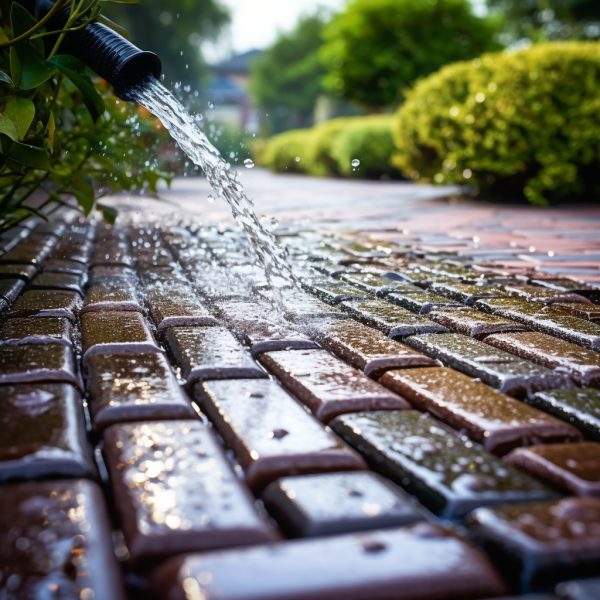
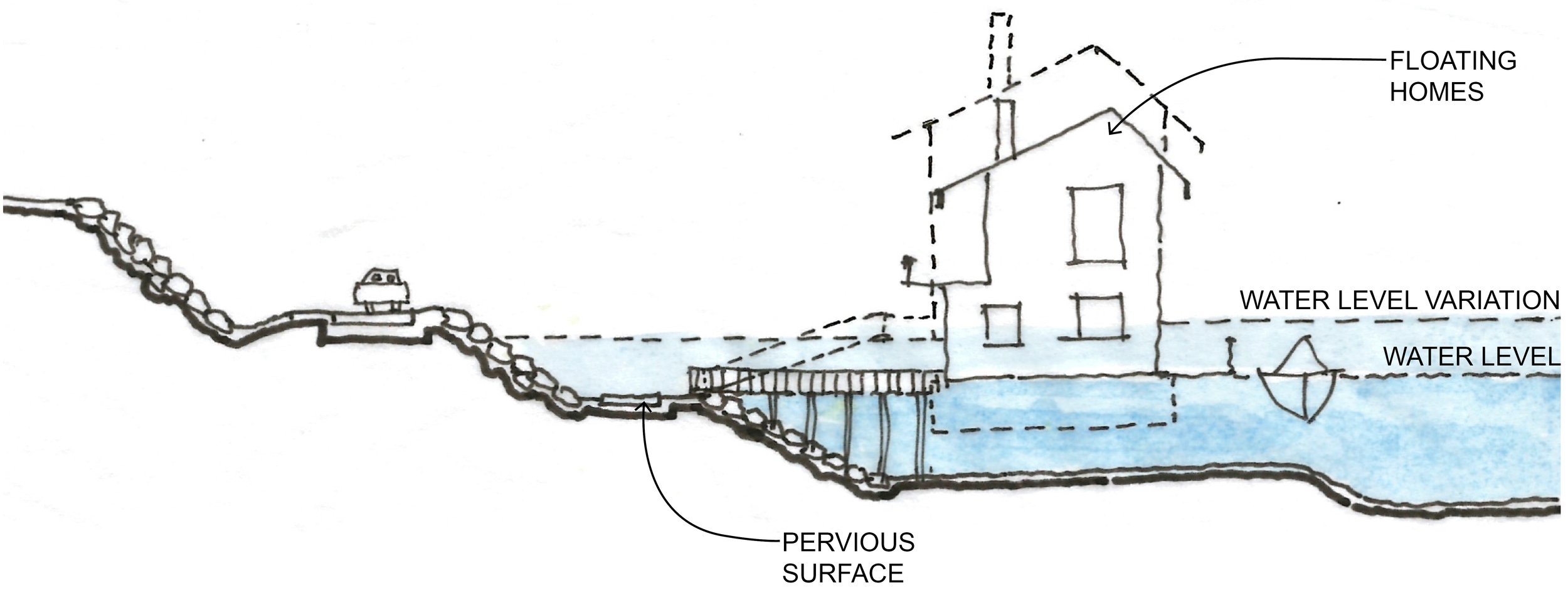
Providing pervious surfaces along the river

Rivers or waterways are an essential source of recreation for communities. At the same time, they are a linear ecosystem that connects regions together. Riverfront development is a balance between ecology, flood protection, and amenity 2. Athletic or recreation fields and parks along rivers are potential floodplain areas (these could include agriculture, campsites, and walking trails). Their uses could be temporary but essential gateways for the residents to enjoy the outdoors. The development of these areas has significant positive momentum towards quality of life and people’s health. These are also essential parts of the ecosystem where the higher probability of floods can be absorbed. It is essential to keep pervious areas within floodplains. Good zoning analyzes the percentage of rainfall—usually, 1% of the floodplain has development restrictions. Keeping recreational fields and nature preserve areas at 1% minimum within a flood zone is recommended. However, we believe this number is a little low and should be reconsidered.

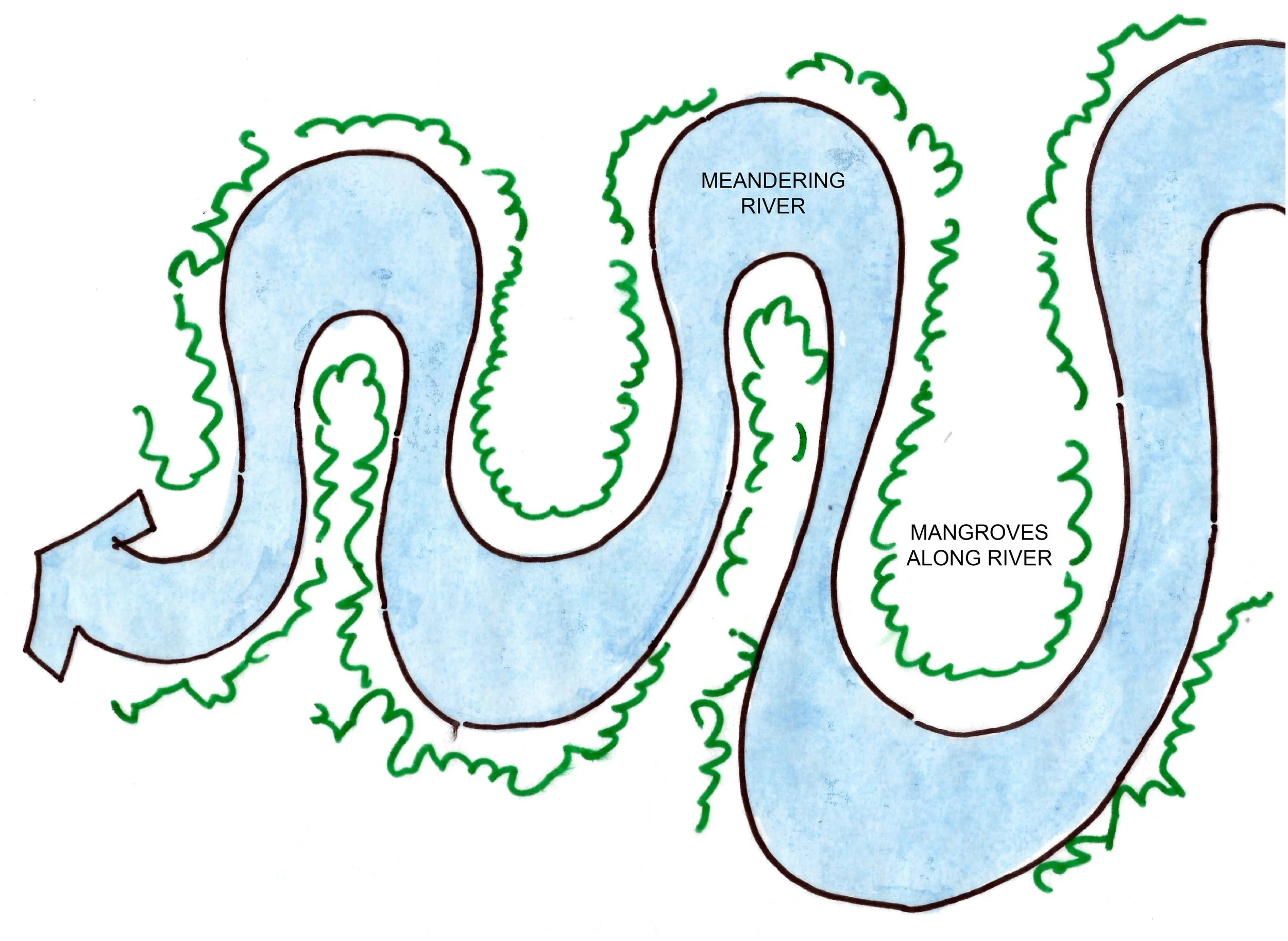
Water flows faster on the cut bank channel, whereas a meandering river can hold a lot of water and also promote ecology along the banks of the river. Embankment walls and promenades would focus on amenities, providing more access to rivers and waterways. Vehicular access would often become a nuisance and increase safety issues and should be kept to a minimum (2).

Water flows fast and stores less water in linear water channels. On the other hand, meandering rivers store more water, and promote water percolation into local aquifers.

The multiple ways to revitalize Waterways

Broadening the intermediate level with pedestrian access along the waterfront, integrating recreation areas and retail, and providing authenticity to the place to generate more human interest. For example, waterfront in San Antonio, Texas

Waterfront in San Antonio, TX

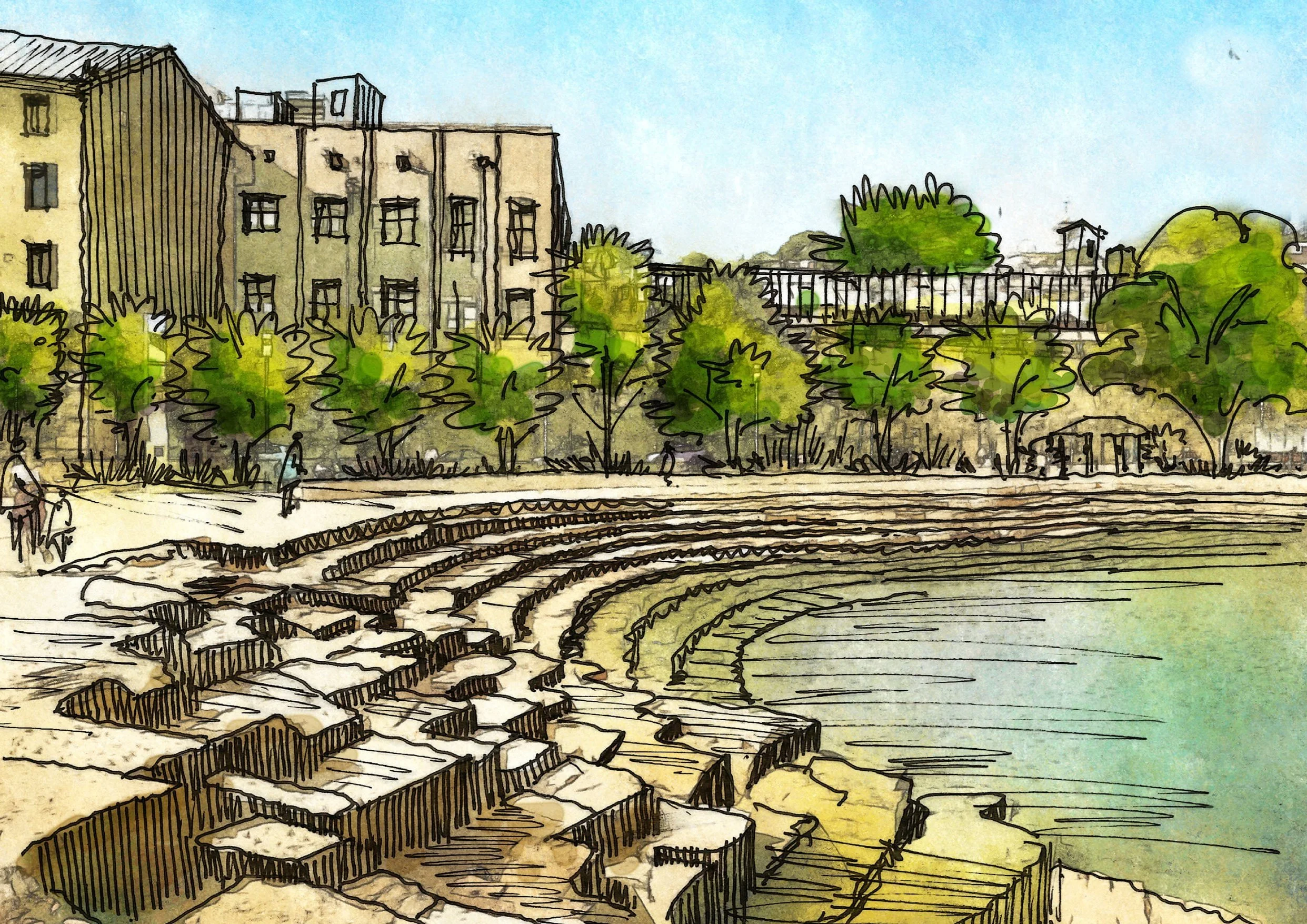
Riverbank steps along the waterways would create clear sight lines and provide access to water. However, it is essential to include pervious surfaces. Stone steps in the water create a dual purpose. They act as rip-rap walls and stepped areas for access.

Creating overhangs and balconies along the waterways in historic cities provides more “eyes” on the environment and helps to promote safety.

Floating islands provide valuable ecological habitat. It is a low-cost, sustainable way to improve water quality. It removes phosphorous, which is the main contributor for increasing algae growth in water. It is also aesthetically pleasing as well as reduces wind and erosion impacts at the shoreline.

Providing vegetation is the best solution for waterfront development. It reduces water temperature, reduces soil erosion, provides habitat and aquatic life along the shore. It further reduces flood impact. It also helps nature take its course.

Providing dikes and pathways along the waterways as a means of transportation within the region. Often, areas along the rivers are flat, which provides an ideal space for bikers. Converting transportation areas for waterways would reduce the dependence on road transport and resolve transportation issues in the city core (2).

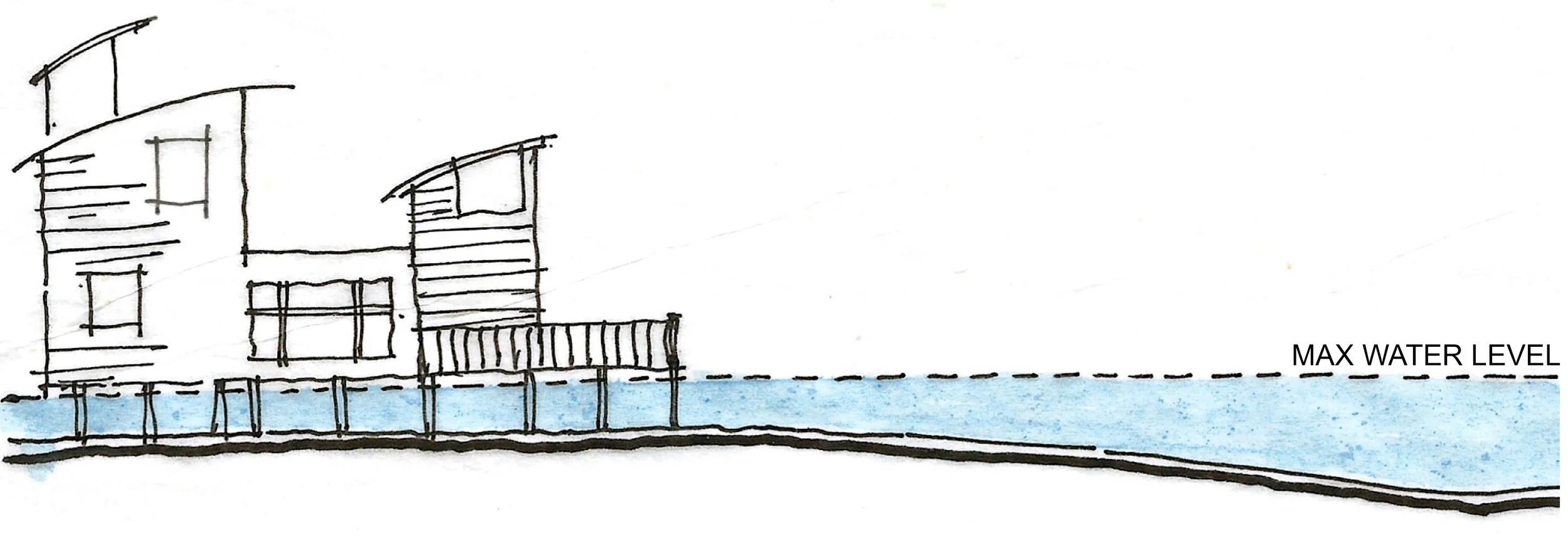
Building structures on piles reduces the overall footprint of the impervious areas (2).

Building houses on stilts

While we study interaction with the water in the urban core, it is important to acknowledge that climate change threatens humanity. Climate change is real. According to NASA, since the pre-industrial period, human activities have been estimated to have increased Earth’s temperature by one degree Celsius, and it is increasing rapidly by more than 0.2 degrees per decade. This climate change is affecting humidity and rainfall patterns, creating floods and thunderstorms, to name a few. NASA identified that global sea levels have risen eight inches since 1880 and will likely rise further by one to 6.6 feet by 2100, directly impacting our coasts. These changes will affect infrastructure and affect the economy directly. It will also affect the ecology dramatically. Therefore, using stormwater management practices, conserving and protecting water resources is essential.

Effects of Climate Change

Principals of designing with water include protecting and enhancing creeks, rivers, and wetlands within an urban environment. The reuse of stormwater, recycled water, and gray water reduces dependency on potable water. Reducing peak flow and runoff within urban environments simultaneously provides infiltration and groundwater recharge. Integrating stormwater treatment into the landscape offers multiple beneficial uses: wildlife habitat, recreation, and open public space.

Strategies to Design with Water

• Use reduced building footprint or impervious surfaces around the building or go vertical if possible.

  • Porous paving

  • Sand filters

  • Sedimentation basin

  • Construct or preserve active wetlands.

  • Swale and buffer strips adjacent to roadways

  • Preserve and enhance ponds and lakes

  • Use of a native plant palette with minimum water use in new plantings

  • Provide vegetated swale

  • Provide rain gardens

  • Stormwater planters

  • Use of cisterns for collection

  • Use vegetation for stormwater filtration purpose

  • Use bio-retention systems to slow peak event stormwater run-off

  • Bioretention basins

Floating homes are predominantly used in the areas which are affected by frequent flooding. The access to floating is mainly through jetty. These units require a lot of maintenance. However, these units are highly suited for recreation and hospitality markets (2).

Breakwaters are very useful to reduce ocean currents and protect shorelines. Currently, breakwaters are being installed in New York and other major cities worldwide (4). A recent technological innovation has developed an eco-concrete module. Eco-concrete’s chemical composition promotes the growth of microorganisms. It protects the shorelines while promoting fish and wildlife within water system (8).

Overall, rivers and waterbodies are low areas in the watershed. It is vital to provide interventions to the overall catchment area on every scale, including homes, and strategic planning to promote positive economic impacts and enhance ecologically responsive without compromising people's health and safety. It requires a high level of policymakers’ determination and strict enforcement while involving the “user” in the decision-making process for long-term sustainable development.

Resources

  1. https://www.denvergov.org/files/assets/public/v/2/doti/documents/projects/water-resiliency-program/south-platte-ecosystem-benefits-summary.pdf

  2. River.Space.Design, Planning Strategies, Methods and Projects for Urban Rivers, Martin Prominski, Antje Stokman, Susanne Zeller, Daniel Stimberg, Hinnerk Voermanek

  3. https://climate.nasa.gov/what-is-climate-change/

  4. https://www.nps.gov/articles/breakwaters-headlands-sills-and-reefs.htm

  5. https://www.epa.gov/nps/urban-runoff-low-impact-development

  6. https://www.melbournewater.com.au/building-and-works/stormwater-management/introduction-wsud

  7. https://www.worldbank.org/en/topic/water/overview

  8. https://econcretetech.com/econcrete-technology/

Written by Akshay Badwe, ASLA, PLA
Associate Landscape Architect

Akshay earned his bachelor’s degree in Architecture and two master’s degrees in Landscape Architecture and Urban Design. With extensive experience in the profession, Akshay is a licensed landscape architect in California and Maryland, as well as a licensed architect in India. Akshay focuses on the relationship between urbanism and landscape architecture. Throughout his travels and working globally, he has a strong appreciation for diversity awareness and has rich global development perspectives.


Comment 1 Likes

Exploring Diversity, Equity & Sustainable Design at the ASLA National Conference

November 20, 2023  /  Zeek Magallanes

Minneapolis, Minnesota

The American Society of Landscape Architects (ASLA) Conference on Landscape Architecture is an eagerly anticipated event that many students and professionals look forward to every year. It’s an opportunity to reconnect with old acquaintances, student cohort groups, and coworkers. It’s a special time and place set aside for professional growth, inspiration, and exposure. This year’s conference in Minneapolis placed a strong emphasis on diversity, inclusion, representation, and practical application. It was my great fortune to attend this year alongside David and Catherine McCullough, as well as one of our Junior Associates, Adis Tutusic.  Below are a few take-aways from the various presentations I attended. 

Taking a Critical Lens to Urban Planting

Minneapolis, Minnesota

Speakers Gentry K. Lock, Claudia West, and Nancy Prince dove into the critical lens of urban planting. An important consideration which any design professional needs to study when approaching a project from a sustainable point of view is how they intend to ensure the continued viability of the planting material. Very often we idealize the context and environment within which we perform our work and make decisions based on our ‘sense’ of the place instead of factual conditions. We imagine that the conditions are, or will remain, ideally suited to our preconceived notions of what a planting scheme should be. Very often we overlook the required infrastructure and forethought necessary to ensure the continued success of our landscapes. This session sought to demonstrate ways in which others have thought about this issue and have attempted to address the design of infrastructure in a way that would ensure landscapes within harsh and everyday contexts would continue to look beautiful, while evoking the qualities initially intended.

Learning with the Land

Speakers Brad Howe, Ann M. Fraioli, and Jasmine Stokes focused on developing a curriculum to engage students in fostering social resilience and urban ecology through landscape architecture. As landscape architects, we establish spaces that seek to serve the community at large. However, the everyday person’s experience of that landscape tends to be very superficial. They experience the landscape, not the narrative. While users establish their own memories of the place, the design intent behind many of the decisions that went into the place-making process cannot be easily deciphered. Establishing a curriculum to engage local school children in landscape architecture and the design process goes well beyond creating a place that ‘looks good’; instead establishing a place that becomes a living laboratory and classroom. This approach inspires young people to learn about places and spaces around them, while also encouraging them to become stewards and protectors of the environment.

Reimagining the Master Plan

Speakers Megan Born, Kristina Bigby, and Jenn Low masterfully exposed, critiqued, and demonstrated responsible replies to a topic that is critically important to the work that landscape architects do, which is the so-called ‘Master Plan’. We find ourselves today in a different cultural milieu than our predecessors after the deeply sobering Covid pandemic, and the shockingly real and impactful tragedies that sparked the Black Lives Matter movement. In this, our United States or America, it becomes ever important to see our work within its historical and cultural context. We can begin this by asking ourselves what it means to develop a ‘Master Plan’. Whose vision does the master plan serve, and why? Who is entitled to develop a master plan, and what considerations are they obligated to entertain? Are master plans supposed to be idealized expressions of individualistic capitalism at play, or are they meant to be how we ensure equitable access to resources and success in a world dominated by self-aggrandizing?

As landscape architects hired to develop such master plans, we need to be fully conscious of all those impacted by our designs. We need to be conscious of the delicate balance between natural and cultural resources alongside challenges. Social media has been both a positive and negative tool in our most recent cultural affairs, and landscape architects need to find a way to use it for the aspirational attainment of justice, equity, diversity, and inclusion.

Ultimately, our jobs as designers should be to develop new and innovative ways to engage the community to create spaces that matter to them, while moving away from traditional models that place ourselves and our opinions on pedestals of privilege that unfairly disadvantage or ignore those whose voices and opinions are quite as valid as our own.

Cultivating Climate Justice

Speakers Grant Fahlgren, Michelle J. Delk, and Kelty M. McKinnon addressed a portion of our nation that is seldom seen or engaged for who they are, Indigenous Native Americans. In alignment with our aspirations as landscape architects is the untapped engagement of indigenous communities in the design process. While resolutions such as reparations are unlikely to occur, we as designers can engage indigenous knowledge and to uncover the coded narratives of those whose ancestors occupied the lands we intend to develop. Their shared knowledge carried across multiple generations, and across multiple nation groups provide a collective understanding of what it means to define a place. Native peoples have observed, engaged, and improved upon the landscapes we now occupy. Such placed-based knowledge helps Native American groups reestablish their authority as stewards of the environment. However, we should not imagine that such pursuits are the de facto role Native American communities seek to fill.

Native landscapes are not native peoples, which is why asking questions and truly listening to the needs of the indigenous community is the first step for landscape architects to begin to engage such a widespread and sensitive topic. It’s important to remember Native American ‘tribes’ are sovereign nations in the United States and we as professionals need to engage them with the same level of respect afforded to any such recognized body.

Unraveling Urban Myths

Speakers Ashley Ludwig, Amanda Craig, and Lynn Brown discussed strategies for building community investment in rural America. The pursuit of such an endeavor inevitably reveals the deep diversity and cultural richness of rural America. Whether native or not, rural communities are often held in the minds of designers as synonymous with portrayals in media such as movies, television, and novels. However, several rural myths are inaccurate mis-portrayals that can derail any honest attempt at place making and community engagement.

  • To begin, rural communities are not homogenous. Instead, rural America is home to millions of first- and second-generation immigrant families, as well as Native Americans.

  • Secondly, they do not have unlimited access to food or nature, which one would suppose is easily attainable where farmlands or forests exist. Many such amenities are privately owned and are reserved as exports or for pay-to-play tourism.

  • Nor do they have immediate access to global information or reliable transportation, which to those living in large cities seems to be a given part of daily life in the 21st century. Thus, design solutions to development proposals need to prioritize the implementation of engaging, safe, and accessible spaces through community understanding and participation.

Relationship building starts by hiring locally, attending existing events, and perhaps sponsoring others. Community members of all ages should be sought for their understanding of what makes their town, county, city, or state unique to them. When they engage in the community in this way, landscape architects can propose solutions within the network of existing maintenance infrastructure, as well as within the means of economic districts and existing budgets.

Rural America is a manuscript with a rich and varied history to draw far from, however, landscape architects can only hope to uncover such locally defining solutions when the community itself is engaged in an equitable relationship with us, developers, city agencies, and other stakeholder groups.

Landscape Architecture: A catalyst for Positive Social Change

The annual ASLA Conference not only provides a platform for professional connection but also showcases the industry's commitment to diversity, sustainability, and community engagement. This year’s focus on equity and engagement with underserved or marginalized communities underscore the importance of critical thinking in design and the potential for landscape architecture to serve as a catalyst for positive social change in the United States and abroad. Therefore, I ask you, dear reader, to challenge yourself to find the unheard voice in your next endeavor and amplify it to the benefit of those it represents and the vision of the project.

IMG_7247.JPG
IMG_7275.JPG
IMG_7286.JPG
IMG_7293.JPG
IMG_7304.JPG
IMG_7311.JPG
IMG_7316.JPG
IMG_7341.JPG
IMG_7383.JPG
IMG_7404.JPG
IMG_7407.JPG
IMG_7247.JPG IMG_7275.JPG IMG_7286.JPG IMG_7293.JPG IMG_7304.JPG IMG_7311.JPG IMG_7316.JPG IMG_7341.JPG IMG_7383.JPG IMG_7404.JPG IMG_7407.JPG

Written by Zeek Magallanes, MLA, ASLA
Studio Team Leader

With a master’s in landscape architecture and urbanism from USC and 10 years of experience in the field, Zeek brings a reliable history of leadership and accountability to the projects he works on and is passionate about the intersection of urbanism, social and environmental resiliency, and the business of design.


Comment 0 Likes

Client of the Month: HPI Architecture

October 30, 2023  /  Melanie Loria

Mt. SAC Library, Conceptual Design, Image courtesy of HPI Architecture

McCullough is thrilled to feature HPI Architecture as our October Client of the Month, by sharing the history of the firm, exciting projects in the works, and our flourishing collaboration.  We had the privilege of sitting down with Lawrence A. Frapwell, Architect, NCARB, LEED AP, the President of HPI Architecture, to gain deeper insights into the firm's rich background.

Founded in 1975, the firm has solidified its reputation as a leading force in the world of planning, architecture, and interior design.  With a dynamic team of 70 professionals and offices strategically located in Newport and San Diego, HPI Architecture has thrived on two core pillars of expertise. Their dedication to higher education, with a particular focus on community colleges, has resulted in serving an impressive roster of 26 different colleges and 20 districts, many of which have been long-standing partners. Notable institutions in this list include Orange Coast College, Mt. San Antonio College, Long Beach City College, Cerritos College, among others. The firm's portfolio spans a wide range, encompassing everything from comprehensive planning to innovative project design, covering instructional facilities, student services, and diverse academic support spaces.

In addition to their leadership in the higher education sector, HPI Architecture has extensive experience in the housing sector, with a primary emphasis on senior living and high-density infill projects. Their specialized approach includes a focus on assisted living, memory care, and independent living within the landscape of senior living. The firm's recent expansion into community college student housing, such as at Orange Coast College and collaborations with McCullough on multiple student housing initiatives, underlines their commitment to evolving with the ever-changing needs of the communities they serve. With a primary focus in Southern California, HPI’s influence extends to Northern California, with student housing projects scattered across the state, and noteworthy projects in Santa Rosa, Napa, and San Mateo, along with an array of planning studies for student housing in the Bay Area. The firm has also engaged in affordable housing project, emphasizing that their housing projects are program-driven, prioritizing the unique needs of the communities they engage with.

Collaborative Culture at HPI

At HPI, the company's culture is driven by the dedication and loyalty of its long-term employees, with some individuals having served for up to 40 years. Collaboration is a fundamental aspect of their philosophy, and they extend this spirit of teamwork to their valued consultants, engaging them early in the projects as an integral part of the design process. Particularly in the field of education, and especially within the community college sector, they are committed to uncovering the unique narrative that each project holds.

The Story Behind HPI and McCullough

HPI Architecture seeks out consultants who embody creativity, those who are not confined by the project's boundaries but are eager to explore possibilities beyond those limits. HPI's collaboration with McCullough originated a few years ago, and blossomed through a shared connection with Woody Dike, a landscape architect. Woody and David had previously collaborated, leading to introductions between McCullough and HPI in the San Diego area. Initially, Woody's expertise in planning and conceptualization complemented HPI's needs, evolving into a collaborative design partnership. Together, they embarked on projects such as a student housing renovation at Point Loma Nazarene University in San Diego. The shared commitment to higher education and campus integration remains central to their collaboration, emphasizing the broader campus environment rather than individual buildings.

For HPI, it's not solely about providing spaces for students; it's about creating environments that seamlessly integrate with the campus, enhancing the student experience. This philosophy is exemplified in their conceptual design work on the library at Mt. San Antonio College (Mt. SAC), where their focus extends beyond the structure itself to consider the larger campus context, branding, and the holistic student and public experience. McCullough is enthused to be collaborating with HPI on this project.

"We don't limit ourselves to the definition of the site. We aim to consider how this project fits into the broader campus - David McCullough and Maha Balachandran understand that. It's about how this project connects to the larger campus and supports connectivity, student life, and service."

- Lawrence A. Frapwell, President at HPI Architecture

Mt. SAC Library, Conceptual Design, Image courtesy of HPI Architecture

McCullough and HPI are also collaborating with the San Bernardino Community College District on a “vision” for student and community housing at San Bernardino Valley College. This development extends beyond typical student housing, encompassing various apartment-style units, community housing, and workforce housing within a just under 15-acre site. The conceptual vision prioritizes pedestrian, bicycle, and transit-oriented connections to the campus and community over auto-centric solutions, to create a sustainable, affordable housing community that seamlessly integrates with the campus and broader San Bernardino Community. The “vision” is intended to support conversations between the District, potential community partners, developers, and other local and regional agencies to secure funding, construct, and operate the project. The HPI team has actively participated with the college and their team in several community outreach programs including a recent webinar designed to introduce and showcase the project to the development community, initiate the solicitation process and seek the right partners to support the college's vision.

“Larry never stops with the essentials. His question, ‘How can we connect the site to the campus as a whole and activate it?’ is always a push to explore possibilities beyond the boundaries of the project.”

– Mahalakshmi Balachandran, Senior Associate at McCullough

San Berardino Valley College Student Housing Conceptual Vision, Image courtesy of HPI Architecture

The Future for HPI

HPI Architecture is a firm renowned for its commitment to service, firmly establishing enduring client relationships and serving as a trusted team. The firm's reputation is reinforced by a multitude of returning clients. Their approach is characterized by a commitment to collaboration that fosters creativity.

As they look ahead, while they are open to new opportunities that may arise, their focus remains dedicated to the field of education, encompassing higher education institutions such as community colleges, private colleges, and universities, alongside a drive to expand their presence in the K-12 education sector. Simultaneously, their dedication to housing solutions continues, spanning senior housing and student housing, with a keen eye on exploring low-impact, program-driven housing alternatives. These paths represent the core of their future endeavors, reflecting their commitment to innovative solutions.

McCullough is grateful for the creative collaboration with HPI Architecture, and we look forward to continuing to connect communities and join forces on future projects.

Slide1.JPG
Slide2.JPG
Slide4.JPG
Slide1.JPG Slide2.JPG Slide4.JPG

San Bernardino Valley College Student Housing, Images courtesy of McCullough

1_2 - Photo.jpg
1_3 - Photo.jpg
1_5 - Photo.jpg
1_6 - Photo.jpg
1_9 - Photo.jpg
1_19 - Photo.jpg
1_2 - Photo.jpg 1_3 - Photo.jpg 1_5 - Photo.jpg 1_6 - Photo.jpg 1_9 - Photo.jpg 1_19 - Photo.jpg

Mt. SAC Library, Conceptual Design, Images courtesy of McCullough


Comment 4 Likes
Newer  /  Older